




When we talk about improving the speed of glass production, we always talk about high-tech automated glass loader methods for loading glass. A high-capacity glass loader is an important part of modern production plants because it lets workers move large sheets quickly and safely, which is important for making money. These machines get rid of bottlenecks that used to need several workers and hours of careful movement. They do this by replacing the risk of human labor with precise automation. Architectural glass makers, curtain wall builders, and furniture makers today are under more and more pressure to offer quality on a large scale while keeping costs low. That gap can be filled with the right filling solution, which lets you meet your production goals without sacrificing safety or product quality.
Understanding High-Capacity Glass Sheet Loaders
What Defines a High-Capacity Glass Loader
Modern automatic tools for handling glass are a big improvement over old-fashioned methods that were done by hand. These machines can handle glass sheets that are longer than 3600 mm and weigh several hundred kilos. They do this by combining precise mechanics with smart control systems. The technology is based on vacuum suction systems, air float tables, and moving patterns that can be programmed to work with different sizes and thicknesses of glass. Unlike regular trucks or human carts, machinery specifically designed for loading glass keeps the surface contact pressure constant. This stops micro-fractures that weaken the structure. The machines work well with cutting tables, edging lines, and packing stations, making the whole process automatic.
Core Industrial Applications
Glass factories use these tools at many steps of the production process. Architectural glass plants that work with door, window, and curtain wall parts can handle large sheets of glass without having to move their teams. Manufacturers of automotive glass need these systems to be precise so they can meet strict measurement limits that can't be met by hand. The furniture and decorative glass industries, especially those that make bathroom enclosures and glass walls, like these tools because they can work with unique forms and different thicknesses. Fabricators of sintered stones also use the same filling technology, showing that the platform can be used for more than just glass.
Key Benefits for Large Production Operations
Putting in automatic loading systems leads to measured organizational gains that are felt in the safety, financial, and production areas. When compared to human methods, cycle times are cut by 40–60%, which directly increases daily output without the need to expand the facility. Labor costs go down when fewer people are needed to do the same work and when skilled workers are moved to more valuable jobs instead of doing the same things over and over again. When people don't have to lift and position big glass sheets by hand, safety ratings get a lot better. This lowers the number of injuries at work and the costs of their insurance. When computerized systems take over, they get rid of the variation that comes with human handling. This lowers the rate of breakage from automatic glass loading machine manufacturers from about 2 to 5 percent to less than 5 percent in optimal setups.
Common Operational Challenges
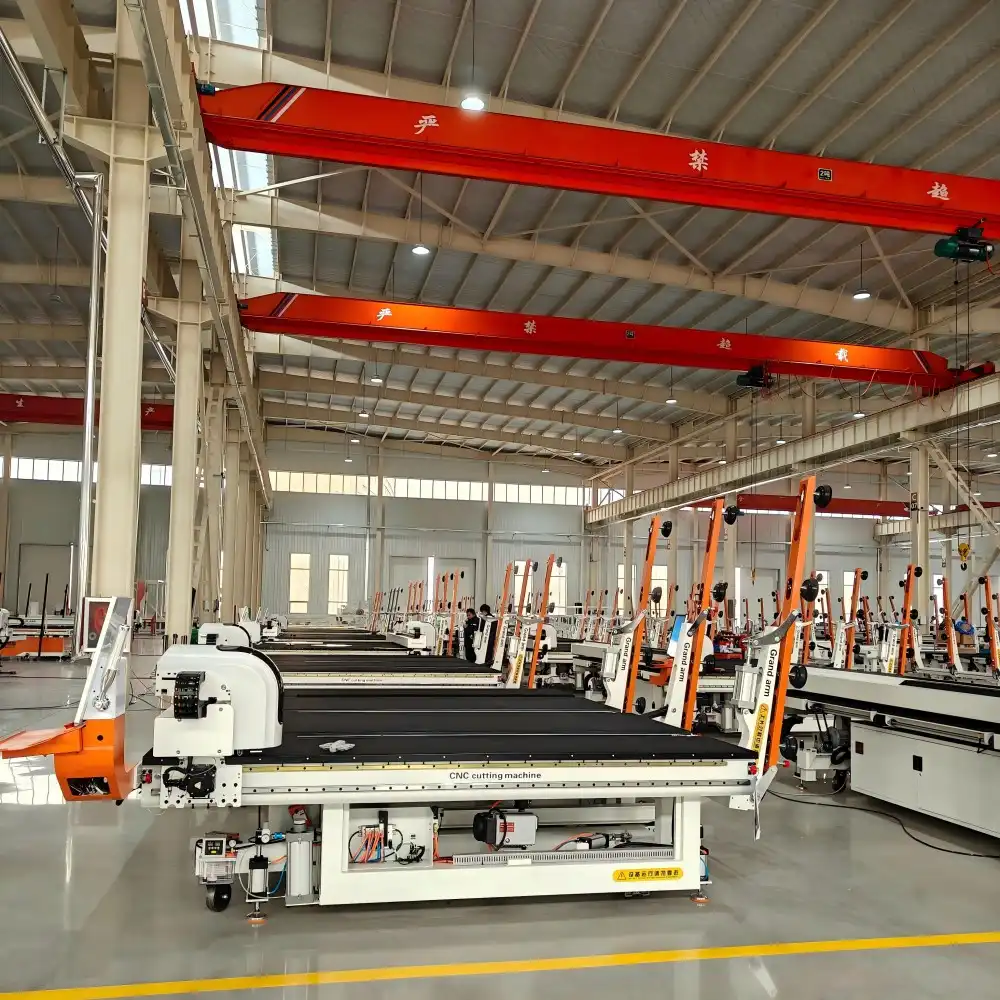
When B2B buyers are trying to choose tools, they have to deal with real issues that need honest evaluation. To handle fragile, oversized glass, you need tools with pressure settings that can adapt to changes in thickness without the person having to do anything. Existing facilities often have limited space, so they need small glass loader designs that can stack vertically or tracked mobility systems that can get through narrow hallways. As downtime on automatic lines causes production delays that snowball, maintenance needs become very important. Procurement teams need to look at more than just the initial cost of an item. They also need to think about the total cost of ownership, which includes things like the availability of extra parts, the training needed for technicians, and ways to improve as production needs change. Another problem is that it's hard to integrate new equipment with old cutting and edging tools. This needs flexible interface standards and sometimes special mechanical changes.
How to Choose the Right High-Capacity Glass Sheet Loader for Large-Scale Production
Assessing Your Production Requirements
A thorough look at current and planned output parameters is the first step in choosing the right tools. For plants that regularly handle glass, managers should write down the largest dimensions that can be used, the average daily volume, and the highest capacity needed during times of high demand. It doesn't matter what the weight is; glass loaders that are made for normal architecture glass might have trouble with laminated or triple-glazed items. A study of the layout of a production line shows where automated loading has the most effect and where human handling is still possible. By knowing these basic needs, you can avoid both over-specification, which raises the cost of capital, and under-specification, which causes new problems.
Essential Selection Metrics
Three important specs determine how well a piece of equipment works and should be used to compare them. Throughput capacity is directly related to loading speed, which is measured in sheets per hour. However, engineering managers should make sure that the speeds given are accurate in the real world, taking into account things like placement time and safety interlocks. There are different levels of automation, from semi-automatic systems that need a person to start them up to fully autonomous glass loaders with vision systems that check the size of the glass and change the handling settings automatically. Safety compliance is a must. For European markets, products must have CE approval, and for placements in the US, they must have features that are in line with OSHA standards. These features include emergency stops, pressure-sensitive edges, and interlock systems to protect operators.
Comparing Equipment Technologies
There are pros and cons to both hydraulic and gas control automatic glass loading machine manufacturers' systems that affect both performance and upkeep. Because they can lift big or large sheets of glass better than other methods, hydraulic systems are good for building glass plants that work with jumbo lites. Pneumatic options work more quietly, don't pose the same safety risks as hydraulic fluid, and usually don't require as much specialized repair knowledge. The degree of automation adds another choice point. Entry-level semi-automatic glass loaders are cheaper, but they still need a person to be there for every run. Mid-level automated systems with set recipes can handle a wide range of glass specs with little help from a person. Premium options include machine vision, robotic positioning, and monitors that can predict when repair will need to be done. They cost the most but are the most efficient.
Matching Solutions to Production Scale
To get the best return on investment, the amount of technology that is invested should depend on how much is being made. Small to medium-sized makers who work with 50 to 150 sheets of paper every day often find that semi-automatic glass loaders with human recipe selection are a good way to boost productivity without spending a lot of money. Architectural glass plants that make more than 300 sheets of glass per shift need fully automated systems that can feed sheets continuously to avoid production problems. Fabricators of custom curtain walls benefit from flexible loads with quick-change tools that allow for frequent product changes, even if overall production rates stay low. As important as equipment specs are, choosing the right vendor is just as important for long-term success when it comes to fixing technology problems or finding new parts.
Procuring High-Capacity Glass Sheet Loaders: Best Practices for B2B Buyers
Identifying Industry-Specific Requirements
Based on their production models and what they need to give to customers, different parts of the glass business put different equipment skills at the top of their lists. OEM window makers want glass loaders that work well with high-volume cutting lines that use standard home window sizes because they value speed and consistency over customization freedom. Large architectural glass makers need flexible systems that can handle a wide range of specs in a single production run. This means that recipes need to be changed quickly, and the range of sizes needs to be very large. Integrators of curtain wall systems often ask for customization options, like OEM support for changing the layouts of vacuum pads or special handling for artistic interlayers and coatings. Knowing these differences between segments helps buyers be clear about what they need instead of taking generic equipment offers that might not meet important performance standards.
Selecting Certified and Reliable Suppliers
The credentials of suppliers have a direct effect on how reliable the technology is and how good the long-term help is. With CE and ISO 9001 certifications, you can be sure that the manufacturing process meets quality control standards and that safety-critical parts are tested and properly documented. In addition to certifications, buyers should look at how much a provider's glass loader can produce and how well they can provide expert help. When equipment makers keep spare parts in stock in the United States, they lower the risk of downtime compared to suppliers who need to ship parts internationally for repair. It's just as important that technical support is available during production hours, since fixing machine problems at 2 AM during the night shift needs instant help instead of having to wait for business hours in faraway time zones.
Negotiating Favorable Purchase Terms
When businesses negotiate the purchase of capital goods, they talk about more than just the price. They also talk about terms that affect the total cost of ownership. When you buy more than three glass loaders, you usually get a discount. These discounts range from 8 to 15 percent off your total order. This is because you are buying more than three units at a time. Payment schedules should be in line with project milestones. This way, staged payments tied to delivery, installation, end of operator training, and final acceptance testing can help both the buyer and the seller handle their cash flow needs. It is important to carefully read the warranty terms. Usually, mechanical parts are covered for 12 to 18 months, while computer control systems are usually covered for longer amounts of time. Buyers who are watching their budgets can turn unpredictable repair costs into set yearly costs by choosing an extended warranty or a preventive maintenance contract.
Managing International Procurement
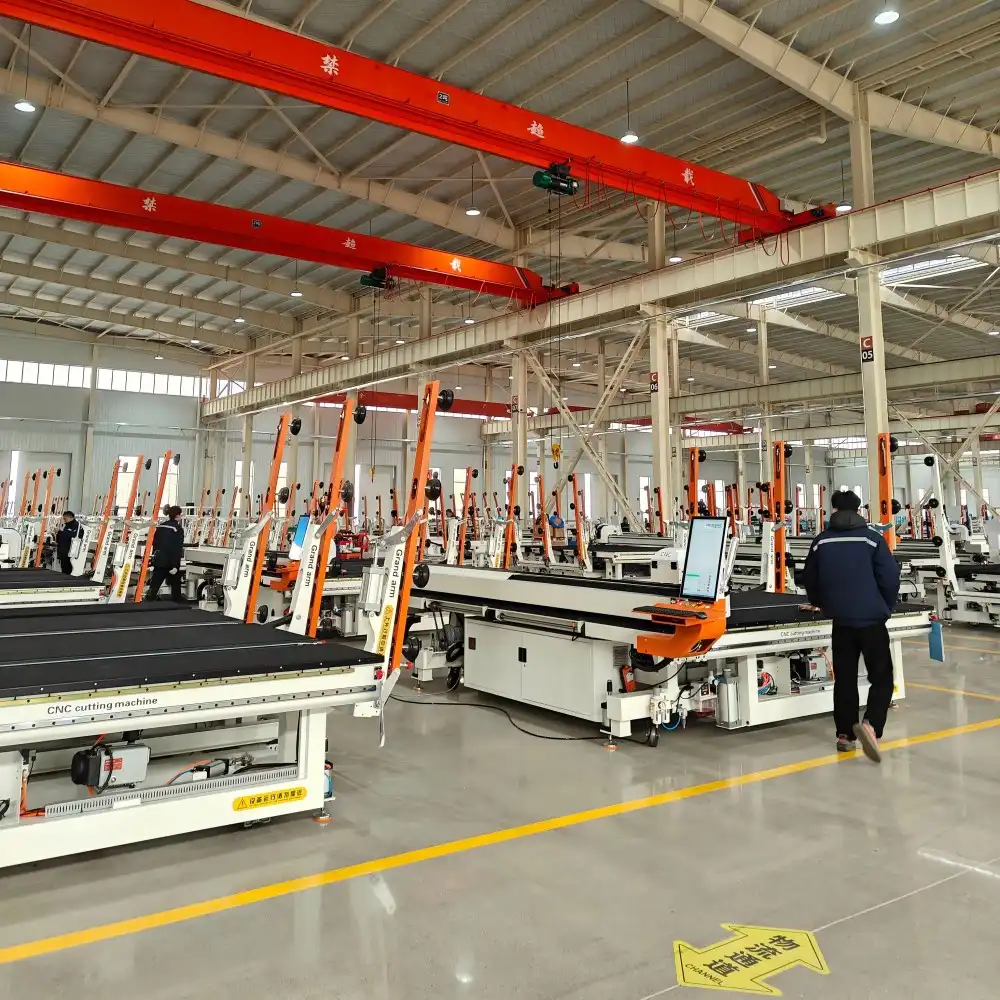
When buying tools across borders, things get more complicated, and you need to pay extra attention to operations and payment security. Letters of credit are still the usual way to buy expensive machines. They protect both parties by releasing the payment through a bank, but only after proof of shipment and meeting specifications. Choosing the right Incoterms determines who pays for delivery costs, security, and import duties. DDP terms give buyers price certainty by making sellers pay for all delivered costs, including clearing customs. Customized equipment often has lead times of 12 to 16 weeks from when the order is placed to when it is delivered. This means that production planning needs to include time for installation and testing before the equipment can fully contribute to production. Procurement teams with a lot of experience add extra time to project plans in case there are delays in shipping or small changes that need to be made in the field during installation.
Conclusion
High-capacity glass loaders are huge investments that change the economics of production in industries like furniture, automobile, building, and decorative glass. The mix of higher output, lower labor costs, better safety, and consistent quality gives a strong return on investment that usually covers the cost of capital within 18 to 24 months. To choose the right tools, you need to carefully consider your production needs, carefully consider your options for automation technologies, and carefully consider your dealer partnerships that focus on after-sales support. As Industry 4.0 technologies get better and stricter rules on energy efficiency come into effect, early users of advanced loading systems gain competitive advantages in operational freedom and cost structure. These advantages build over the 10-15-year lifecycles of the equipment.
FAQ
1. What routine maintenance do high-capacity glass loaders require?
As part of routine preventative maintenance, vacuum system filters are usually checked every day, moving parts are oiled once a week, and placement sensors are calibrated once a month. To keep the pressure steady and stop pollution, compressed air filters in air float systems need to be changed every 500 hours of use. Service times for vacuum pumps are between 2000 and 3000 hours, based on how often they are used and how clean the area where they are used is. Most makers include detailed maintenance manuals that list how often to check and repair parts. This way, technicians in-house can do regular maintenance without having to call the factory for help.
2. How can I ensure compatibility with my existing production line?
To start the compatibility assessment process, you need to write down the details of your present equipment, such as the cutting table's measurements, the conveyor belt's height, and the communication protocols used by the control system. Reliable sellers do facility surveys before they sell, either by visiting the place or sending in thorough questionnaires with pictures and measurements. Changes to the mechanical link could include custom-height transfer tables or roller conveyor additions that connect the output of the glass loader to the input of the cutting table. Electrical integration can be as easy as switch contacts that set off equipment further down the line, or it can be as complex as industrial network standards like Profibus or Ethernet/IP that allow two-way communication for sharing recipes and keeping an eye on production.
3. What safety certifications should I look for when selecting a supplier?
CE marking is still needed for equipment that is going to be sold in Europe, and it is becoming more and more important as a world quality standard for installations in the US as well. The approval proves that the machinery follows safety rules for emergency stops, guards, electrical safety, and noise emission limits. ISO 9001 recognition shows that the company keeps up with quality management systems that make sure production standards are always met and that products can be tracked. If you're in the United States, you should make sure that the machine's design meets ANSI B11 safety standards and that the control systems meet NFPA 79 electrical standards, even if there aren't any official licensing marks on the machine. This will make sure that OSHA rules are followed during facility checks.
Partner with HUASHIL for Superior Glass Handling Solutions
HUASHIL manufactures advanced automated glass loader systems engineered specifically for demanding large-scale production environments. Our HSL-SPT3624 model combines proven air flotation technology with remote-controlled mobility and integrated breaking tables, delivering the versatility that architectural glass fabricators and curtain wall manufacturers require. Every unit ships with CE and ISO 9001 certifications, backed by comprehensive technical documentation and dedicated after-sales support. We understand that equipment selection involves weighing multiple factors from throughput specifications to maintenance requirements and budget constraints. That's why we offer personalized consultations where our engineering team reviews your facility layout, production volumes, and integration requirements to recommend optimal configurations. Competitive factory-direct pricing and flexible payment terms make upgrading to automation achievable even for mid-sized fabricators. Connect with our team today at salescathy@sdhuashil.com to discuss your specific glass handling challenges and receive a detailed proposal tailored to your operational needs. Discover how partnering with an experienced glass loader manufacturer transforms production efficiency while controlling total cost of ownership through reliable equipment and responsive support.
References
1. Anderson, M. & Chen, L. (2022). Automation in Glass Manufacturing: Technology Assessment and Implementation Strategies. Industrial Press.
2. Glass Manufacturing Industry Council (2023). Safety Standards and Best Practices for Automated Glass Handling Equipment. GMIC Technical Publication Series.
3. Roberts, J. (2021). "Return on Investment Analysis for Automated Material Handling in Architectural Glass Production." Journal of Manufacturing Systems and Technology, 45(3), 287-304.
4. Schmidt, K. & Patel, R. (2023). Modern Glass Processing: Equipment Selection and Production Optimization. Manufacturing Technology Publishers.
5. Thompson, D. (2022). "Industry 4.0 Integration in Glass Fabrication Facilities: Case Studies and Performance Metrics." International Journal of Advanced Manufacturing, 118, 451-468.
6. United States Glass Processing Association (2023). Equipment Procurement Guidelines for Glass Fabricators: Technical and Commercial Considerations. USGPA Industry Report.