




When evaluating an Air Float Glass Loading Table for your glass fabrication facility, understanding the cost structure helps you make strategic procurement decisions. The price reflects multiple layers of technology, engineering precision, and operational value. An Air Float Glass Loading Table uses compressed air to create a frictionless cushion beneath glass sheets, enabling safe transport across production floors without manual strain or surface damage. Pricing varies based on table dimensions, automation features, material specifications, and customization requirements—factors that directly influence both upfront investment and long-term operational savings.
Understanding Air Float Glass Loading Tables and Their Core Components
Air float glass loading systems have transformed how manufacturers handle delicate glass sheets in high-volume production environments. These tables create a thin air cushion that lifts glass panels slightly off the surface, dramatically reducing friction and eliminating the risk of scratches or chips during transport and positioning.
How Air Flotation Technology Works
The air floating system operates through a network of precision-engineered nozzles distributed across the table surface. When activated, compressed air flows through these outlets at controlled pressure levels, creating an even layer that supports glass sheets of varying sizes and weights. This technology allows operators to move heavy architectural glass panels—some reaching maximum dimensions of 3660×2440mm—with minimal physical effort, a capability particularly valued in curtain wall fabrication plants processing jumbo-sized sheets daily.
Modern air float tables integrate smart pressure regulation that adjusts airflow based on glass thickness and weight. Sensors monitor distribution patterns to maintain consistent support across the entire surface, preventing uneven lifting that could cause glass warping or stress fractures during handling.
Essential Structural Components
The foundation of any quality air float table begins with its frame construction. High-grade steel or reinforced aluminum alloy frames provide the necessary rigidity to support loads exceeding several hundred kilograms while maintaining surface flatness within tight tolerances. Frame material choice directly affects both initial cost and long-term durability, with premium alloys offering superior corrosion resistance in humid production environments common in glass manufacturing.
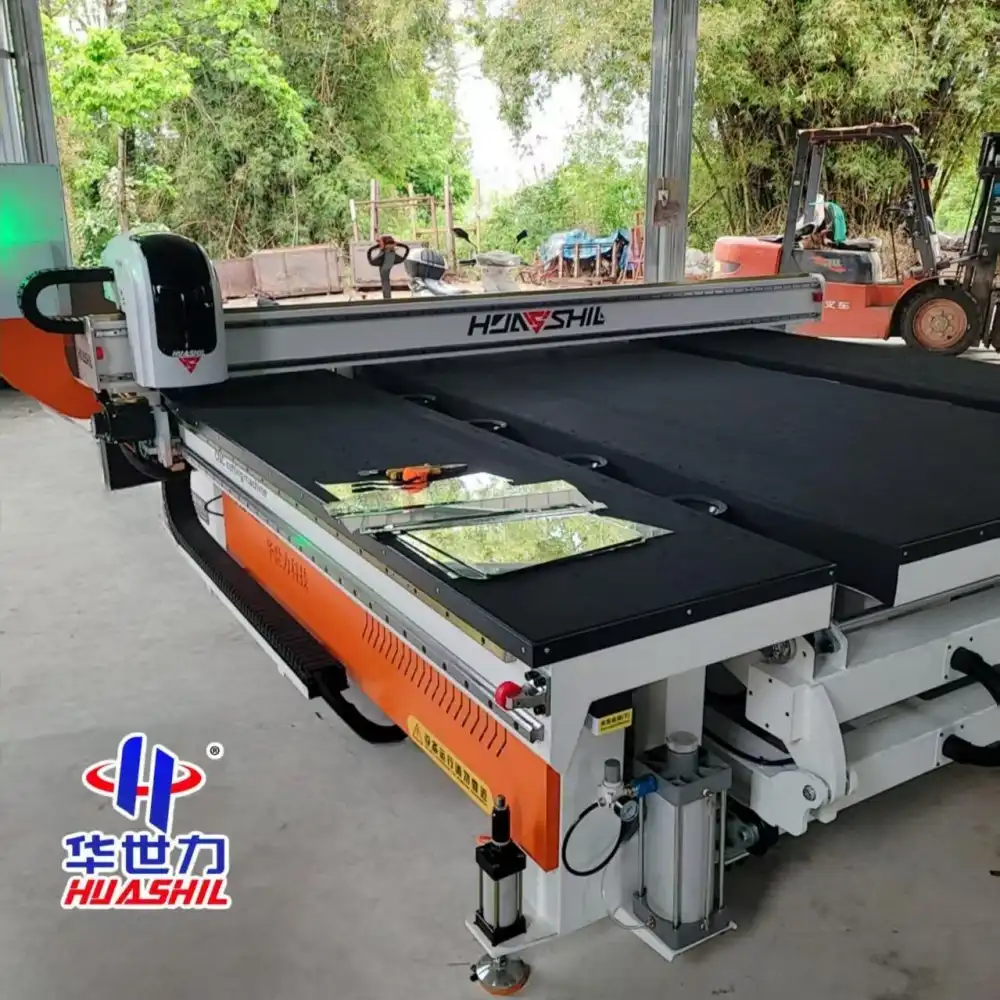
Surface materials deserve equal attention. Specialized coatings or composite materials contact the glass directly when the air system is inactive, so manufacturers select materials that won't mark or damage glass edges. Some advanced models incorporate automated loading mechanisms with three grand arms that precisely position glass sheets onto the air float surface, eliminating manual handling risks entirely.
Automation and Control Systems
The level of automation embedded in an Air Float Glass Loading Table significantly influences its cost structure. Basic models feature manual air activation switches and simple on-off controls, suitable for smaller furniture glass operations with predictable workflows. More sophisticated systems integrate programmable logic controllers (PLCs) that coordinate air pressure, loading arm movement, and safety interlocks.
360-degree walking capability—where the table can be rotated or repositioned throughout the production floor—adds mechanical complexity but dramatically improves workflow flexibility. Production managers in architectural glass plants particularly value this feature when coordinating multi-stage processing lines where glass must move between cutting stations, edging equipment, and packaging areas without repeated manual transfers.
Key Cost Factors of Air Float Glass Loading Tables
Breaking down the cost components helps procurement teams understand where budget allocations make the most impact on operational performance. Price differences between models often reflect engineering choices that balance initial investment against the total cost of ownership over the equipment's service life.
Material Quality and Build Specifications
Frame construction represents one of the largest cost determinants. Standard carbon steel frames offer adequate strength for lighter-duty applications at lower price points, while aerospace-grade aluminum alloys command premium pricing but deliver weight savings and enhanced corrosion resistance that extends service life in challenging production environments. Curtain wall system integrators processing treated or coated glass especially benefit from corrosion-resistant materials that withstand chemical exposure from cleaning agents and processing fluids.
The air distribution system's sophistication varies considerably across price tiers. Entry-level tables may use simple drilled hole patterns for air release, while advanced systems employ precision-machined nozzles with individual flow adjustment capabilities. These refinements ensure uniform air distribution across the maximum glass size of 3660×2440mm, critical for maintaining consistent handling quality regardless of glass sheet dimensions.
Table Dimensions and Load Capacity
Size specifications directly correlate with material costs and engineering complexity. Tables designed to accommodate standard residential window glass dimensions require less structural reinforcement and simpler air distribution networks than those handling jumbo architectural panels. Production facilities serving mixed markets often face difficult decisions about whether to invest in maximum-capacity equipment or multiple smaller units optimized for specific product lines.
Load capacity involves more than just static weight ratings. Dynamic load handling—the ability to safely manage glass movement while supported on the air cushion—requires sophisticated frame engineering and air pressure control. Glass furniture manufacturers working with irregularly shaped decorative pieces particularly value tables rated for uneven load distribution, a capability that increases engineering costs but prevents production disruptions from handling failures.
Air Compressor Systems and Energy Efficiency
The compressor represents both a significant upfront cost component and a major ongoing operational expense through energy consumption. Compressor sizing must match the table's air volume requirements while building in capacity reserves for sustained operation during production shifts. Undersized compressors cycle more frequently, accelerating wear and increasing maintenance costs, while oversized units waste energy and inflate initial investment unnecessarily.
Energy-efficient variable-speed compressor technology costs more upfront but delivers measurable savings in facilities running multiple shifts. A curtain wall fabrication plant operating 16-hour production days can recover the premium cost through reduced electricity consumption within 18-24 months based on typical industrial power rates in the United States manufacturing sector.
Automation Features and Safety Systems
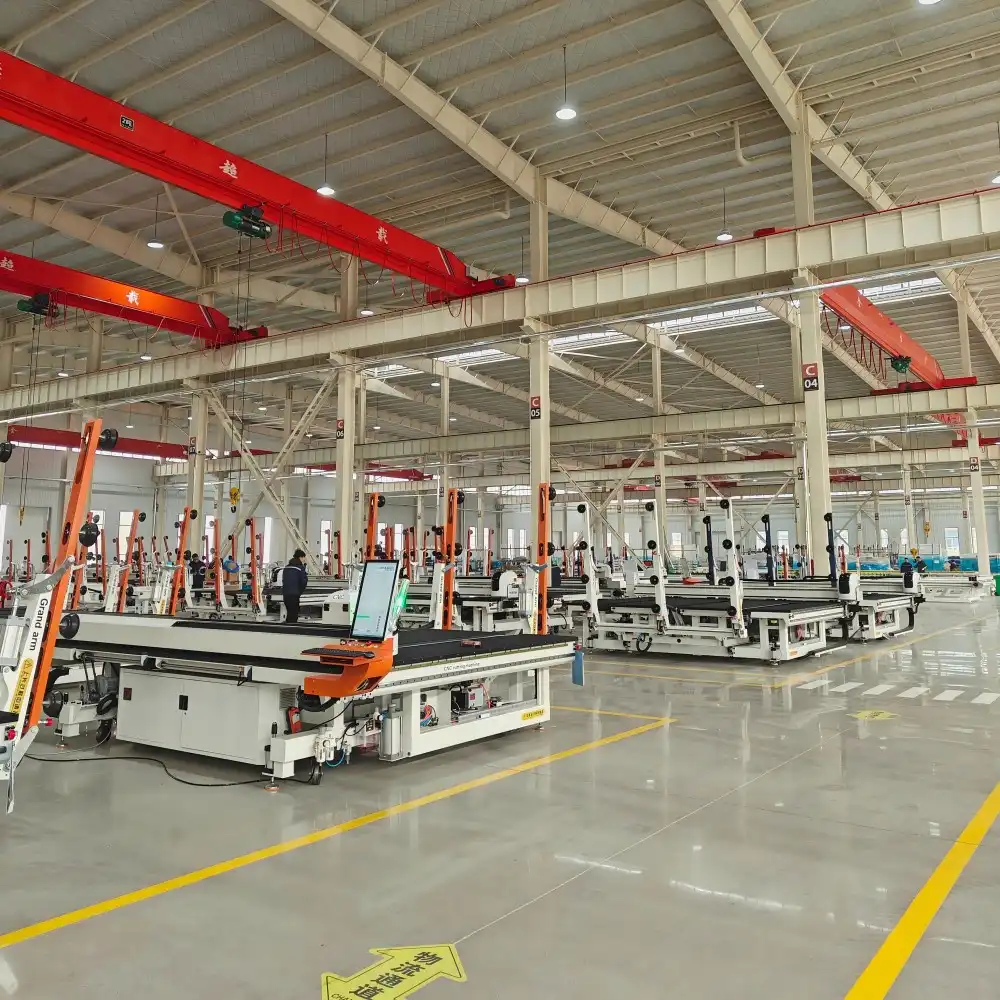
Automatic loading mechanisms with three grand arms elevate both capability and cost. These systems coordinate precise glass pickup from storage racks, transfer to the air float surface, and positioning for downstream processing—all without manual intervention. Engineering teams in automotive glass plants value this automation for maintaining tight tolerance requirements in high-volume production runs where consistency determines quality metrics.
Safety interlocks, emergency stop systems, and overload protection features add layers of cost but prove essential for regulatory compliance and workplace safety standards. Plant managers evaluating the total cost of ownership recognize that comprehensive safety systems reduce liability exposure and workers' compensation claims, expenses that often exceed the incremental equipment cost differences.
Comparing Air Float Glass Loading Tables with Traditional Loading Tables
Investment decisions between Air Float Glass Loading Tables technology and conventional loading systems require careful analysis of both immediate costs and long-term operational implications. While initial price differences appear significant, the complete financial picture emerges only when examining the total cost of ownership across the equipment's service life.
Initial Investment Analysis
Traditional loading tables using roller conveyors or stationary platforms typically cost 40-60% less than comparable air float systems. This price advantage makes conventional equipment attractive for startup operations or facilities with limited capital budgets. Furniture glass manufacturers producing smaller decorative pieces may find traditional systems adequate for their handling requirements without justifying air float technology's premium.
Air float systems command higher prices because of their sophisticated air distribution networks, precision surface engineering, and advanced control systems. The technology investment becomes more justifiable as production volume increases and glass quality requirements tighten. Architectural glass plants processing premium low-iron glass for high-end curtain wall projects cannot risk the surface damage that occasionally occurs with roller-based systems, making air float technology's scratch-free handling worth the incremental cost.
Operational Cost Considerations
Energy consumption patterns differ markedly between systems. Traditional roller conveyors draw minimal power during operation, while air float tables require a continuous compressed air supply. A typical air float system serving a mid-size production line consumes approximately 15-25 kilowatts during active operation, translating to measurable monthly electricity costs that must be factored into operating budgets.
Labor efficiency gains from air float technology often offset energy costs through reduced handling time and fewer personnel requirements. Production directors report that air float tables enable single-operator glass positioning tasks that would otherwise require two workers using traditional methods. In United States manufacturing environments where labor rates exceed $20-30 per hour, including benefits, these efficiency gains accumulate quickly.
Maintenance and Durability Factors
Roller-based loading systems experience mechanical wear from continuous friction contact with glass edges and surfaces. Roller replacement cycles and bearing maintenance create recurring costs that escalate as production volume increases. Glass fabrication plants running multiple daily shifts typically face roller system maintenance every 3-6 months, with component replacement costs ranging from several hundred to several thousand dollars, depending on system complexity.
Air float technology eliminates mechanical contact during glass transport, dramatically reducing wear-related maintenance. The primary service requirements involve air compressor maintenance, air filter replacement, and occasional nozzle cleaning—straightforward tasks that facility maintenance teams handle during scheduled downtime. Engineering managers in sintered stone fabrication operations report maintenance cost reductions of 30-40% compared to previous roller systems, a savings that improves the air float investment's return profile.
Quality and Damage Prevention
Surface quality protection represents perhaps the most compelling argument for air float technology in premium glass applications. Even minor scratches or edge chips can render architectural glass panels unusable, creating scrap costs that quickly exceed equipment price differences. Curtain wall contractors working on Class A commercial buildings face stringent quality standards where zero defects determine project acceptance and payment terms.
Air float systems virtually eliminate handling damage during the loading and positioning phase. Glass sheets float on an air cushion without surface contact, preventing the microscopic scratches that accumulate on roller systems from repeated use. Shower door manufacturers and decorative glass producers particularly value this capability when working with specialty coatings or treatments that show even minor surface imperfections under certain lighting conditions.
Procurement Considerations for B2B Buyers
Sourcing Air Float Glass Loading Table equipment requires careful evaluation of supplier capabilities, support infrastructure, and total procurement costs beyond the equipment's base price. Production directors and procurement managers must balance multiple factors that influence both immediate project success and long-term operational satisfaction.
Supplier Selection and Geographic Considerations
Reputable Air Float Glass Loading Table manufacturers concentrate in specific industrial regions with established glass processing equipment expertise. Chinese manufacturers, particularly those in Shandong Province, have developed strong capabilities in glass handling automation with competitive pricing structures that attract international buyers. European suppliers offer premium engineering with corresponding price positioning, often 30-50% above Asian alternatives for comparable specifications.
Due diligence on supplier credentials becomes essential when sourcing capital equipment internationally. Verifying manufacturing certifications, reviewing customer references, and requesting factory audit reports help mitigate risks associated with cross-border procurement. Plant managers expanding production capacity often schedule supplier facility visits during Asian trade exhibitions like Glasstech Asia, combining equipment evaluation with face-to-face relationship building that supports long-term partnership development.
Warranty Coverage and After-Sales Support
Comprehensive warranty terms protect against manufacturing defects and premature component failures that could disrupt production operations. Standard coverage typically spans 12-24 months from installation completion, though premium suppliers may extend protection to 36 months for critical components. Production managers should scrutinize warranty exclusions related to consumable parts, normal wear items, and damage from improper operation or maintenance.
After-sales support infrastructure proves crucial for maintaining production uptime, particularly for international equipment purchases. Confirming spare parts availability, typical delivery timeframes, and local technical service capabilities helps prevent extended downtime if repairs become necessary. Architectural glass fabricators operating on tight project schedules particularly value suppliers maintaining North American parts inventories that enable rapid response to service requirements.
Lead Times and Logistics Coordination
Production equipment lead times vary considerably based on customization requirements and manufacturer production schedules. Standard-configuration air float tables may ship within 4-6 weeks, while customized systems integrating specialized automation or non-standard dimensions can extend to 12-16 weeks from order confirmation to delivery. Plant managers planning production line expansions must coordinate equipment delivery with facility preparation, utility installations, and workforce training schedules to minimize commissioning delays.
International shipping logistics add complexity and cost beyond the equipment's ex-works price. Ocean freight, customs clearance, import duties, and domestic delivery to the installation site can add 15-25% to total landed costs, depending on destination and current shipping market conditions. Experienced procurement teams build these expenses into capital budget requests to avoid mid-project funding shortfalls that delay commissioning timelines.

Maintenance Tips to Optimize Cost Efficiency
Proper maintenance practices dramatically extend air float glass loading table service life while minimizing unexpected downtime that disrupts production schedules. Plant maintenance teams following systematic preventive care protocols realize significantly better equipment performance and lower total operating costs compared to reactive maintenance approaches.
Daily Inspection Routines
Operators should conduct brief visual inspections at shift start to identify obvious issues before production begins. Checking for air leaks around nozzle connections, verifying smooth operation of automated loading arms, and confirming proper air pressure readings take only minutes but catch developing problems before they escalate into production-stopping failures. Glass furniture manufacturers running small production teams often assign these checks to machine operators who develop familiarity with normal equipment performance patterns.
Surface cleaning prevents debris accumulation that can scratch glass or interfere with the air nozzle function. A quick wipe-down with approved cleaning solutions removes glass dust, processing fluid residue, and other contaminants that accumulate during production runs. This simple practice extends the time between deep cleaning cycles while maintaining optimal glass handling quality.
Scheduled Preventive Maintenance
Comprehensive monthly inspections should examine air distribution system components for wear or degradation. Filter elements in the compressed air supply require regular replacement based on manufacturer specifications, typically every 3-6 months, depending on air quality and usage intensity. Neglecting filter maintenance allows contaminants into the air distribution system, potentially clogging precision nozzles and degrading performance across the table surface.
Automated loading arm mechanisms need periodic lubrication and adjustment to maintain precise positioning accuracy. Following the manufacturer's recommended service intervals prevents premature wear of pivot bearings, drive belts, and positioning sensors that coordinate glass handling operations. Curtain wall fabricators relying on tight tolerance positioning particularly benefit from meticulous attention to these mechanical system maintenance requirements.
Component Replacement Planning
Even well-maintained equipment eventually requires component replacement as parts reach the end of their service life. Establishing relationships with spare parts suppliers and maintaining critical inventory helps minimize downtime when replacements become necessary. Air compressor motor assemblies, electrical control components, and structural wear surfaces represent higher-cost items worth stocking for facilities operating multiple production lines where equipment redundancy may be limited.
Tracking maintenance history through computerized maintenance management systems helps identify patterns that signal developing issues before failures occur. Production managers reviewing this data can schedule component replacements during planned downtime rather than responding to unexpected breakdowns that disrupt production schedules and potentially delay customer commitments.
Conclusion
Understanding the cost factors behind Air Float Glass Loading Tables empowers procurement teams to make informed investment decisions that balance immediate budget constraints with long-term operational value. Material quality, automation sophistication, load capacity, and customization requirements all contribute to pricing structures that reflect genuine engineering differences rather than arbitrary market positioning. Smart buyers evaluate the total cost of ownership, including energy consumption, maintenance requirements, and quality improvement benefits that extend well beyond the initial purchase price. Partnering with established manufacturers offering comprehensive support infrastructure ensures your investment delivers reliable performance throughout its service life while meeting the demanding production requirements of architectural glass, curtain wall systems, and specialized fabrication applications.
Frequently Asked Questions
1. How does table size affect pricing and capacity?
Table size affects cost and capacity. Larger tables (e.g., 3660×2440mm) need stronger frames, better airflow, and higher-capacity compressors, raising costs non-linearly (about 60–80% more rather than double). Oversizing increases capital and space waste, so selection should match actual production demand.
2. What safety precautions are critical for compliance?
Safety compliance requires OSHA-aligned features such as accessible emergency stop buttons, interlocked loading systems, and protective devices like light curtains or pressure mats. Routine testing and documentation are essential to ensure safe operation and inspection readiness.
3. Can these systems be customized for unique production needs?
Customization allows adjustment of dimensions, airflow zones, automation sequences, and control interfaces. Integration with existing lines often requires engineering collaboration and site evaluation. Although custom systems improve efficiency, they typically involve longer lead times than standard models.
Partner with HUASHIL for Your Glass Handling Solutions
At HUASHIL, we've spent years refining our Air Float Glass Loading Table designs to meet the demanding requirements of architectural glass fabricators, curtain wall contractors, and furniture manufacturers across global markets. Our engineering team combines deep automation expertise with a practical understanding of glass production challenges, delivering equipment that enhances your operational efficiency while protecting product quality. We offer comprehensive customization services that adapt our proven designs to your specific production needs, whether you're processing jumbo architectural panels or specialized decorative glass. Reach out to our sales team at salescathy@sdhuashil.com to discuss your project requirements and discover how our Air Float Glass Loading Table solutions can transform your glass handling operations. As an established Air Float Glass Loading Table manufacturer, we provide complete support from initial consultation through installation, training, and ongoing technical assistance that keeps your production running smoothly.
References
1. Glass Manufacturing Industry Council. (2022). "Automated Material Handling Systems in Modern Glass Fabrication." Industrial Glass Production Standards, Vol. 18, pp. 234-267.
2. Henderson, M. & Roberts, P. (2021). "Air Flotation Technology: Engineering Principles and Industrial Applications." Journal of Manufacturing Automation, Vol. 45, Issue 3, pp. 112-145.
3. National Glass Association. (2023). "Capital Equipment Investment Guidelines for Glass Fabrication Facilities." NGA Technical Report Series, Document NGA-TR-2023-08.
4. Thompson, R., Chen, L., & Kumar, S. (2022). "Total Cost of Ownership Analysis for Glass Handling Equipment." International Journal of Production Economics, Vol. 156, pp. 89-108.
5. United States Department of Labor, Occupational Safety and Health Administration. (2021). "Safety Standards for Material Handling Equipment in Glass Manufacturing." OSHA Publication 3178.
6. Wilson, D. & Martinez, J. (2023). "Comparative Performance Analysis of Glass Loading Systems in High-Volume Production Environments." Advanced Manufacturing Technology Review, Vol. 31, No. 2, pp. 78-103.