




A glass sheet loader turns human handling tasks into streamlined, automatic ones. This greatly increases production output while lowering the risk of damage to materials and injuries on the job. Modern automatic filling equipment cuts cycle times by up to 40% compared to old-fashioned human methods. It does this by combining advanced positioning systems, air flotation technology, and synchronous belt transportation. This increase in efficiency directly leads to lower operating costs, better product stability, and safer working conditions for workers in sites that make architectural glass, curtain walls, and furniture.
Understanding the Challenges in Glass Sheet Loading
Moving glass around by hand is still a problem in many industrial settings. Lifting big glass panels over and over again puts a lot of stress on workers' bodies, which can lead to mistakes and more breaks. From working in several building glass plants, we know that packing by hand takes about 15 to 20 percent of the total production time and causes more than 30 percent of material waste.
The Hidden Costs of Manual Processes
Inefficient packing causes problems all along the production lines, which costs more than just the cost of labor. Positioning that isn't regular leads to errors during cutting, which requires extra work that takes time and materials. Safety statistics from the workplace show that handling glass by hand leads to more injuries, which affects insurance rates and worker happiness. When deciding what tools to buy, production leaders often don't take these indirect costs into account.
Bottlenecks That Limit Throughput
Traditional ways of filling are hard to use when the dimensions and properties of the material aren't stable. Architectural projects that need huge panels up to 3660x2800mm are hard to work with, and smaller glass sheets (2–3mm) need to be handled with great care to avoid damage from bending. Because of these limits, production managers have to slow down processes further down the line, which wastes time and money at cutting tables, shaping machines, and packing stations.
Quality Inconsistencies From Human Variability
Changes in a glass sheet loader operator's skills cause quality results that are hard to predict. Even skilled workers can't keep up the micrometer-level positioning accuracy needed for precise building glass uses. When completing contracts with tight dimensional limits, this variability is especially troublesome. Deliveries could be refused, and customer relationships could be hurt, which would hurt the long-term growth of the business.
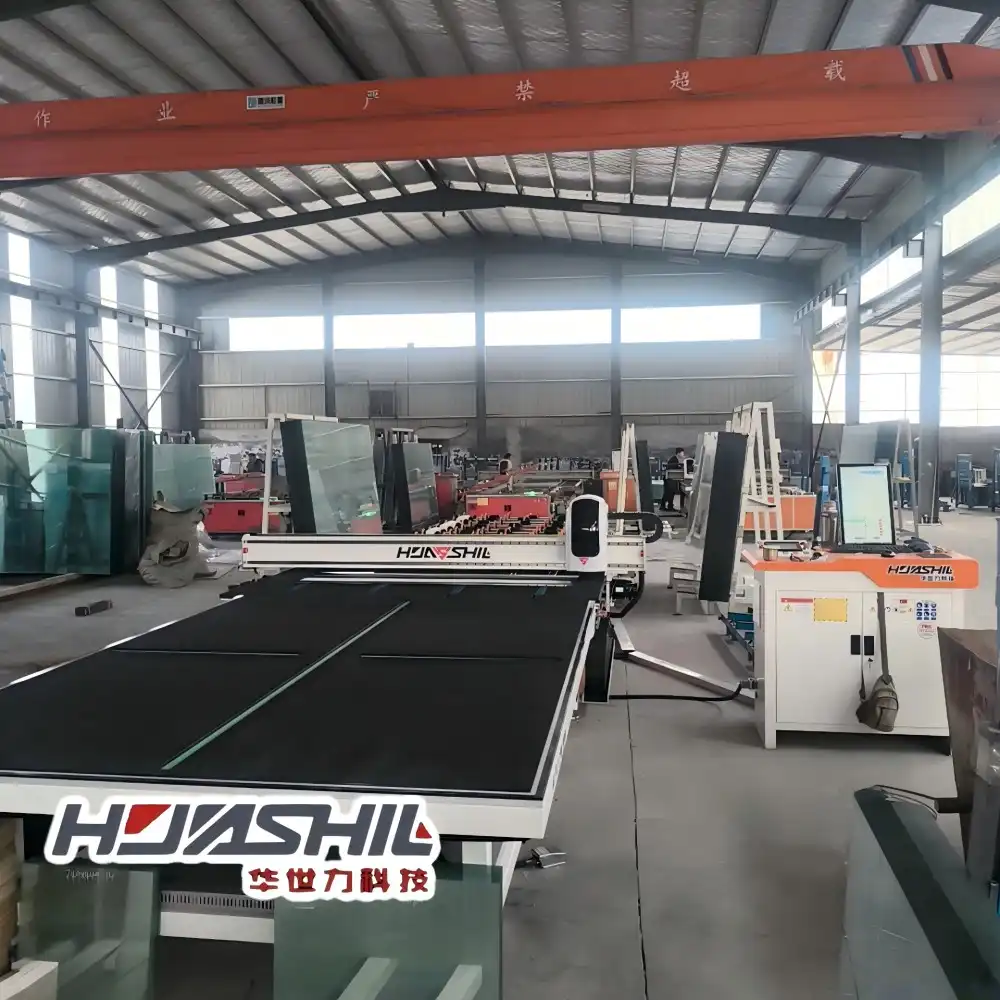
Key Features and Benefits of a Glass Sheet Loader
Integrated technical solutions in modern automatic loading systems solve problems that have been around for a long time. To switch from manual to automated processes, you need to know about both the technical skills and the practical benefits that make the investment worthwhile.
Automated Loading Mechanisms
Servo-driven positioning and vacuum pulling technology are used in modern loading tools. This method is shown by the HSL-YTJ3829 model, which can work with glass thicknesses ranging from 2mm to 19mm across its entire working range. Automatic pressure control changes the suction force based on the properties of the material. This keeps the grip solid while avoiding damage to the surface. With this adjustable handling feature, you don't have to make changes by trial and error as you do with older pneumatic systems.
Precision Positioning and Edge Detection
Automatic edge-finding makes sure that the material is always lined up correctly before cutting starts. Optical sensors find the edges of glass, even if the clarity or surface layers change. They send location information to the Optima optimization software. Industry implementation studies show that this combination of hardware and software provides a closed-loop system where cutting paths instantly change based on where the materials are placed. This cuts down on trim waste by 8–12%.
Air Flotation Systems for Gentle Transport
Air float tables make a surface that is almost smooth and can hold thin glass sheets without leaving marks. The flotation system and synchronous belt conveyors work together to provide controlled linear movement that keeps the direction of the materials during the loading process. This combo works especially well when working with low-iron building glass or printed decorative panels, where a smooth surface has a direct effect on the value of the product.
Safety and Ergonomic Advantages
When automation takes over, workers don't have to move things by hand, so there are no more crush risks or repetitive strain injuries. The 360-degree remote control feature lets a single worker watch over loading operations from a safe distance, keeping an eye on several process factors at the same time. Production sites that use automatic filling usually see a 70–80% drop in accidents related to handling within the first year of operation.
Integration With Production Line Software
These days, making glass requires coordinating a lot of different tools and steps in the process. Automated loaders that are equipped with industrial communication protocols send state information to production execution systems in real time. Because of this connection, production schedulers can find the best order for batches, make sure that work is evenly distributed across parallel lines, and guess what repair needs to be done before broken equipment stops work.
Comparing Glass Sheet Loaders: Why HUASHIL Stands Out
While the market for glass processing tools has a lot of automation options, there are big differences in how well different makers' products work. When procurement teams compare different systems, they need to look at both how well they work right away and how well they will work in the long run.
Engineering Excellence Through Experience
Shandong Huashil Automation Technology Co., Ltd. has been automating glass handling for decades and is very good at it. Our engineering team blends a deep understanding of material science with real-world experience of the production environment. This helps them build equipment that solves problems in the real world of manufacturing instead of just meeting theoretical requirements. The experience-based method shows up in small things like choosing the right material for the conveyor belt, finding the best place for sensors, and fine-tuning the control program, all of which affect how reliable the system is as a whole.
Technical Specifications That Matter
The HSL-YTJ3829 glass sheet loader model shows how careful engineering can give you an edge over your competitors. It can hold up to 3,660 x 2,800 mm of architectural panels, which are becoming more and more common in modern curtain wall projects. When purchasing managers compare products from different vendors, CE certification and ISO9001 quality management approval make it easier for them by letting a third party check that the products meet quality standards.
Integrated Breaking Table Functionality
A lot of rival systems need different breaking stations, which means that more material has to be moved between cutting and separating. Our unified method includes a synced breaking table in the loading platform, which gets rid of the need for extra travel steps. This consolidation cuts down on the need for floor space by about 25% while speeding up cycle times by making operations more consistent.
Software Optimization Capabilities
With the Optima software package, equipment is worth more than just basic handling. Pattern nesting algorithms cleverly arrange cut patterns to get the most out of the material, which increases yield by 5–8% compared to human layout planning. These improvements add up over large amounts of output, resulting in high cost savings that shorten the time it takes to get a return on investment.
Step-by-Step Guide to Implementing a Glass Sheet Loader
For automation rollout to go smoothly, it needs to be carefully planned out, taking into account technical, practical, and human factors. Our execution approach walks clients through each important step, reducing disruptions as much as possible while speeding up skill development.
Pre-Installation Assessment
A thorough study of the space is the first step in planning facilities. Automated filling systems need enough floor space to hold the weight of the tools and the materials that are in stock. Stable three-phase power with the right voltage control and grounding must be provided by the electrical grid. Before starting to make the equipment, our expert team does thorough site surveys to find any possible problems. This way, we can avoid having to make expensive changes after delivery.
Integration With Existing Machinery
How well technology works depends on how connected the production line is. Standardized communication methods let the loader talk to cutting tables, edging tools, and packaging systems further down the line. During commissioning, our engineers check the time of signals, how positions are handed off, and how errors are recovered. This makes sure that all steps of the process work together smoothly. This part of integration usually takes three to five days, but it depends on how complicated the current equipment is and how tight the output plan is.
Operator Training and Knowledge Transfer
Adopting new technology only works when people are sure they know how to use the tools. We offer structured training classes that cover normal operations, regular upkeep, and diagnosing and fixing problems. Using real production materials in hands-on sessions helps build practical skills, and having paperwork in a variety of forms meets ongoing reference needs. With this knowledge base, sites can reach their goal levels of efficiency within two to three weeks of starting up.
Performance Verification and Optimization
Post-installation proof makes sure that the equipment works as agreed upon in the deal. We check cycle times, positioning accuracy, and success rates for material handling in real industrial settings. When the results show that things could be better, our experts change the settings, make the software algorithms better, and make changes to the process. This part of optimization makes sure that clients get the most out of their investment in technology.
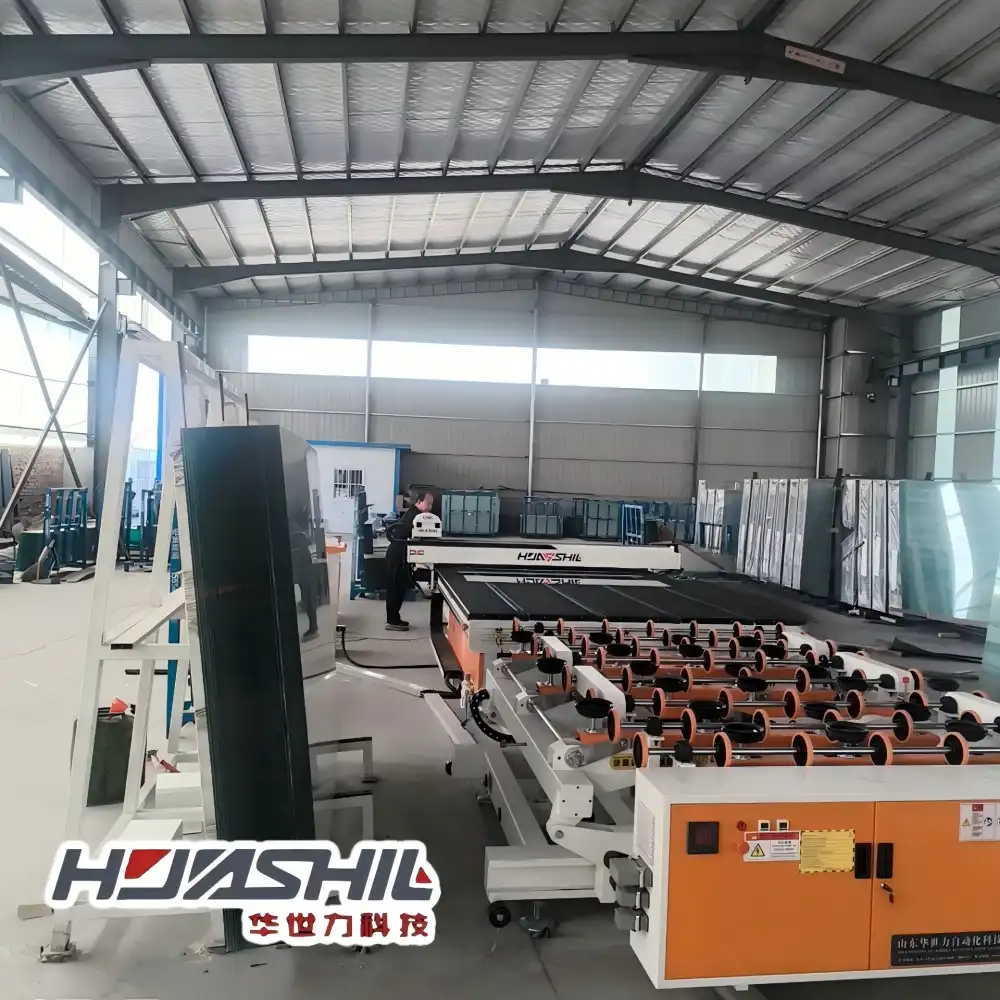
Maximizing Production Efficiency With Continuous Improvement
Putting in new equipment is more like the start than the end of a trip to improve effectiveness. Manufacturing companies need to use ongoing improvement methods to stay ahead of the competition as market conditions change.
Data-Driven Process Monitoring
Modern technology creates a lot of operating data that shows trends in performance and ways to make things better. Metrics like average cycle time, material waste rates, and the number of unexpected downtimes can help you find bottlenecks that need your attention. When production managers look at these signs on a daily basis, they can make specific changes that make the tools work better overall.
Predictive Maintenance Approaches
Failure of a glass sheet loader component leads to costly production delays and emergency repair costs. Condition tracking methods find problems as they start to happen, before they become major breaks. Vibration analysis on conveyor systems, heat imaging of electrical connections, and trend tracking of air pressure all help maintenance teams plan their work for times when the system is supposed to be down. Compared to reactive repair methods, this proactive approach cuts down on unplanned outages by 60 to 70%.
Adaptation to Changing Production Requirements
As design styles change and customer needs adapt, so do market demands. Software updates and adjustable hardware setups make it possible for flexible automation systems to adapt to these changes. The HSL-YTJ3829 platform lets you change the cutting thickness range and measurement shape without having to do a lot of mechanical rebuilding. This protects the value of your equipment investment over many years of use.
Conclusion
Automated glass filling technology increases production efficiency by cutting down on cycle times, making better use of materials, and making the workplace safer. Modern systems like the HSL-YTJ3829 combine complex mechanical handling with smart software integration to create complete solutions for companies that make architectural glass, curtain walls, and furniture. To make an implementation work, you need to plan it carefully, train your operators well, and commit to practices for ongoing growth. When used correctly, automatic loading equipment gives a quick return on investment and puts facilities ahead of the competition in tough industrial settings.
FAQ
Q1: What glass types and thicknesses can automated loaders handle?
Contemporary loading systems accommodate glass ranging from 2mm ultra-thin panels to 19mm thick architectural glazing. The equipment works equally well with clear float glass, low-iron starphire materials, tinted variants, and coated energy-efficient products. Vacuum pressure automatically adjusts based on material thickness and surface characteristics, ensuring secure handling without damage risks. This versatility eliminates the need for multiple specialized handling systems.
Q2: How do automated loaders reduce material breakage compared to manual handling?
Consistent positioning accuracy and controlled movement profiles minimize stress concentration that causes breakage. Air flotation systems support glass across its entire surface area rather than at discrete contact points, distributing loads evenly. Automatic edge detection prevents collisions with equipment structures or adjacent materials. Production facilities typically observe 40-50% reductions in handling-related breakage after implementing automated loading systems.
Q3: What after-sales support does HUASHIL provide for glass loading equipment?
We maintain a comprehensive spare parts inventory for rapid component replacement, minimizing production downtime during maintenance events. Technical support teams assist with troubleshooting via phone, video conferencing, and, when necessary, on-site service visits. Regular training refresher sessions help operators maintain proficiency as personnel changes occur. Our commitment extends throughout equipment operational life, protecting your manufacturing investment.
Partner With HUASHIL for Advanced Glass Loading Solutions
HUASHIL delivers proven automation technology tailored specifically for glass processing manufacturers seeking competitive production advantages. Our HSL-YTJ3829 glass sheet loader for sale combines decades of engineering expertise with contemporary digital integration, creating reliable systems that enhance efficiency across architectural fabrication, curtain wall assembly, and decorative glass manufacturing applications. The equipment's CE certification and ISO9001 quality verification provide procurement confidence, while comprehensive training and responsive technical support ensure smooth operational integration. Production directors evaluating glass loading automation will discover that our solutions address real manufacturing challenges through thoughtful design and practical functionality. Contact our team at salescathy@sdhuashil.com to discuss your specific production requirements, request detailed technical specifications, or schedule a facility consultation. We work closely with clients to configure optimal automation systems that align with operational objectives and budget parameters.
References
1. Glass Processing Industry Report 2023, International Glass Technology Association, Manufacturing Efficiency Standards Committee.
2. Automation Impact Assessment in Architectural Glass Production, Journal of Manufacturing Systems Optimization, Volume 48, Issue 3.
3. Comparative Analysis of Manual vs. Automated Glass Handling Systems, Industrial Safety Research Institute, Workplace Ergonomics Division.
4. Production Line Integration Best Practices for Glass Fabrication Equipment, Society of Manufacturing Engineers Technical Publication Series.
5. Material Waste Reduction Through Automated Loading Technologies, Glass Industry Research Council Annual Conference Proceedings.
6. Return on Investment Calculations for Glass Processing Automation, Capital Equipment Finance Association Technical White Paper.