




To fix furniture glass machines that won't work, you need to know what causes them to break down in the first place. These automated systems take raw glass and turn it into precise parts for furniture, cabinets, shower doors, furniture glass machines, and architectural elements. However, they need regular upkeep to keep up with production. When your CNC glass cutting line stops working for no reason, it throws off your whole production plan. Orders that aren't delivered on time are putting more pressure on procurement managers and plant leaders, while technical teams are trying to figure out if problems are caused by worn-out parts, software conflicts, or mistakes made by operators. We've seen that structured troubleshooting procedures help manufacturers with high-tech tools like the HSL-CNC3829 model have 30% fewer interruptions. This guide gives useful tips for factories that work with glass that is between 2 mm and 19 mm thick and up to 3600 x 2800 mm in size. By going through real-life examples and learning how to avoid problems before they happen, you'll be able to keep up the quality standards your customers expect and cut down on costly downtime.
Understanding Common Problems in Furniture Glass Machines
Mechanical Failures That Disrupt Production
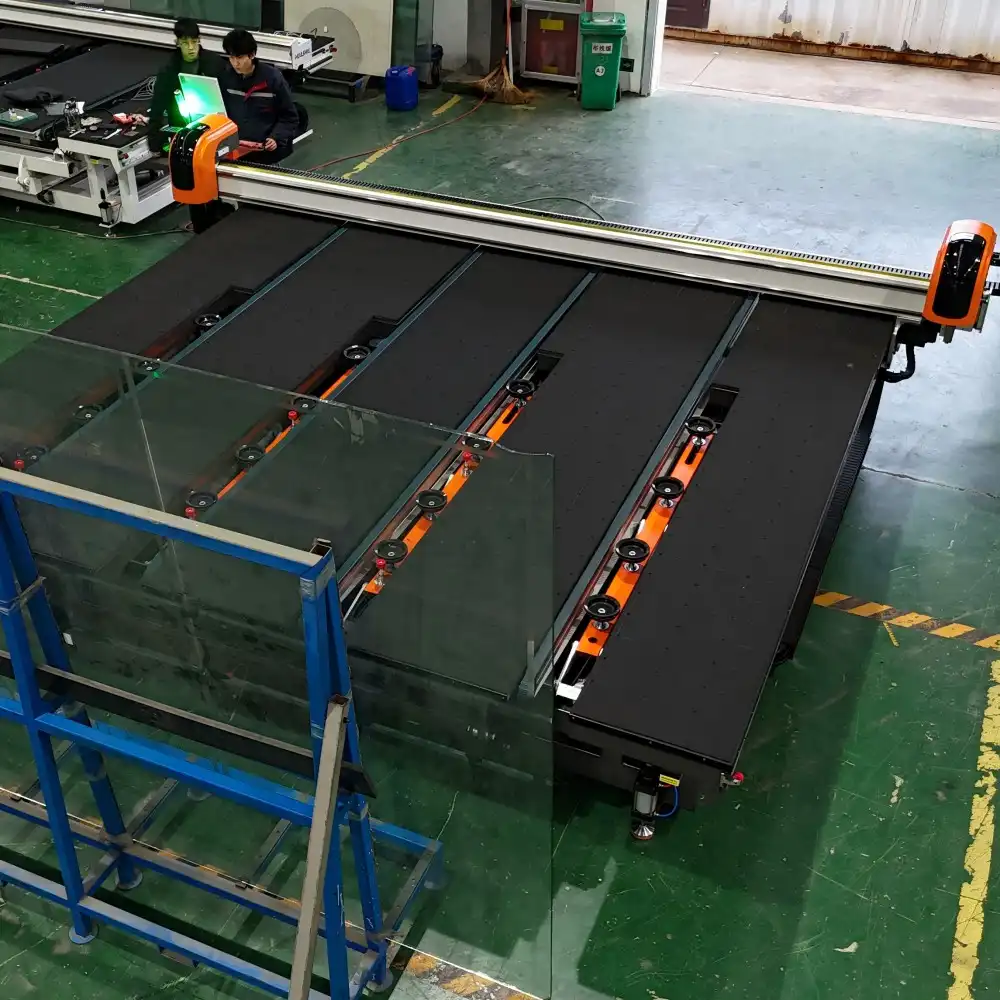
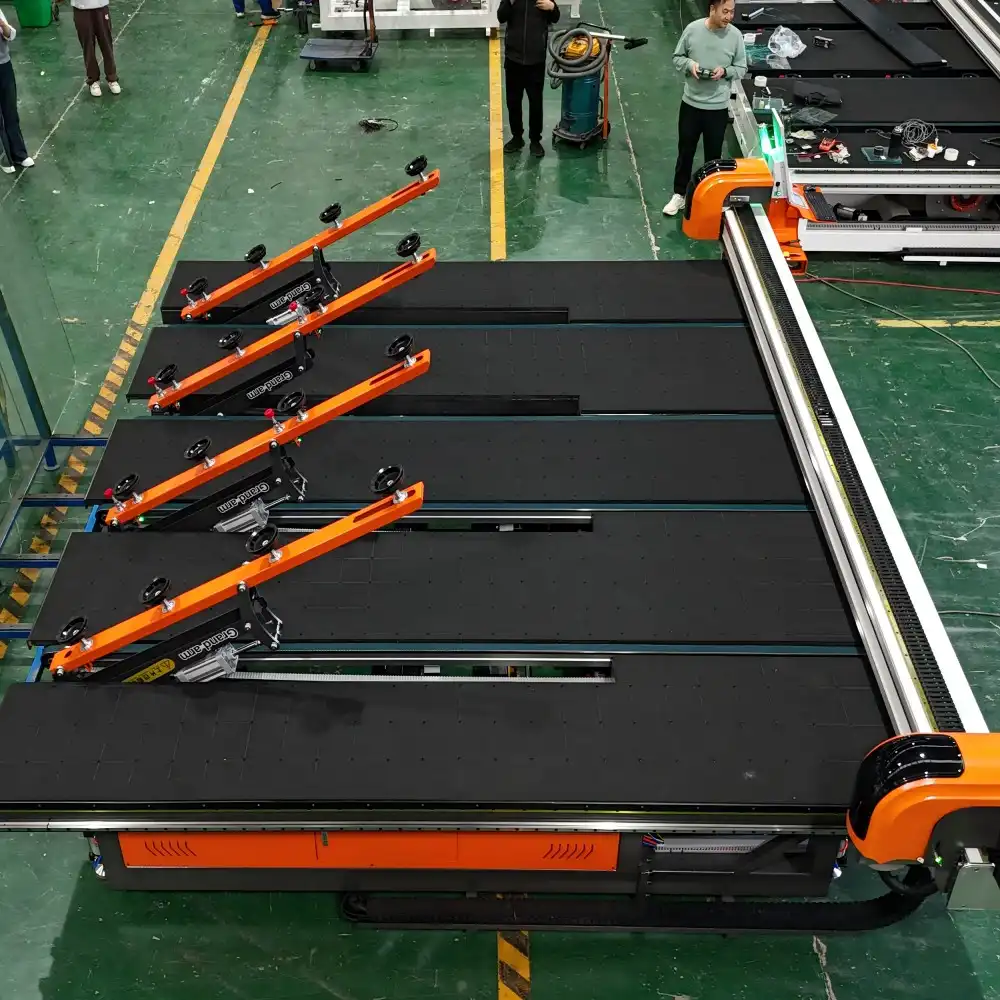
When we do factory checks, the most common mechanical problem we find is worn-out cutting wheels. After cutting through about 200,000 square meters of glass, the blade edges become less sharp, which leads to chipped edges and more breaks. Misaligned guide rails make this problem worse by distributing pressure unevenly across the glass surface. If you see problem messages from your automatic edge-finding system, it's probably because the positioning sensors are losing their calibration, not the software. When bearings in the X-Y axis drive system wear out, they make grinding noises before they break completely. Because of this slow breakdown, alert operators can schedule replacements for planned repair windows instead of emergency shutdowns. Leaks in the vacuum system in air float tables lower the holding force, which causes the glass to move during cutting and causes mistakes in the dimensions that make quality control teams mad.
Software and Control System Challenges
Optimisation software like Optima is used by modern CNC glass machines to figure out the best ways to cut glass and reduce the amount of waste. But sometimes communication problems happen because the control interface and machine technology don't work well together. These bugs show up as missing cuts or sudden retractions of tools in the middle of furniture, glass machine activity. Updates to firmware can sometimes make production files incompatible, so technical teams have to go back to older versions while makers work on patches. Real-time input from load sensors is needed for the automatic pressure control function to work. When dust builds up on sensors or electrical interference changes the results, the system uses the wrong cutting force, which can cause scratches on the surface from too much pressure or cuts that aren't complete from not enough force. In places where there is a lot of electromagnetic radiation from welding equipment or radio frequency machinery, remote control systems that work wirelessly in all directions lose their connection.
Systematic Troubleshooting Approach for Furniture Glass Machines
Accurate Problem Definition and Diagnosis
At the start of each troubleshooting session, ask the machine workers to describe exactly when and how the symptoms first appeared. When the problem happened—during starting, in the middle of the cycle, or during a certain cutting pattern? Write down the error codes that are shown on the control panel. This string of letters and numbers tells you exactly which section found problems. Write down any recent maintenance tasks, changes to materials, or changes in the surroundings that happened around the same time the problem started. Set apart intermittent failures from continuous failures. Intermittent problems are usually caused by loose connections, contamination, or thermal expansion effects, while continuous problems are usually caused by hardware damage or persistent configuration mistakes. Use the machine's built-in diagnostic mode to figure out if the problem is with the software code, the mechanical systems, or the electrical parts. People often make the mistake of replacing expensive parts when the real problem is a loose cable link. This methodical approach stops that from happening.
Root Cause Analysis Through Systematic Testing
After defining the problem, conduct isolated tests of individual subsystems. Manually operate each axis through its full range of motion while monitoring for unusual resistance, vibration, or noise. Verify that limit switches trigger at the correct positions by slowly jogging axes to their travel extremes. Inspect electrical connections for oxidation or looseness, particularly at junction boxes exposed to coolant spray or glass dust. Check pneumatic pressure readings against specifications documented in your machine's technical manual. The air flotation system requires consistent pressure—typically 0.6 MPa—to maintain proper glass support. Pressure drops indicate leaking seals or clogged filters in the compressed air supply line. Test the vacuum holding system by placing a known flat surface on the table and measuring the suction force at multiple points to identify weak zones. Review cutting parameters stored in the control software against recommended settings for your specific glass type and thickness. Incorrect feed rates or spindle speeds generate excessive tool wear and poor edge quality. Compare recent production files with earlier successful jobs to identify parameter variations introduced accidentally during operator shifts.
Maintenance and Safety: Preventing and Resolving Common Issues
Implementing Comprehensive Preventive Maintenance
Regular maintenance extends equipment lifespan while reducing furniture glass machine emergency repair costs by approximately 40%, according to manufacturing efficiency studies. Create a detailed checklist for each maintenance interval that operators can complete without specialized training. This checklist should include specific inspection points like verifying that safety interlocks engage properly, checking coolant concentration with a refractometer, and measuring cutting wheel runout with a dial indicator. Calibration activities demand particular attention because dimensional accuracy directly impacts product quality. Verify the positioning accuracy of both X and Y axes using laser interferometry or precision gauge blocks at least quarterly. Even machines equipped with CE and ISO9001 certifications require periodic recalibration as components experience normal wear. The air flotation system benefits from monthly airflow balance checks across the table surface to ensure uniform glass support.
Essential Safety Protocols and Features
Modern automated equipment for handling glass has many safety features that need to be tested regularly to make sure they work. When pressed, emergency stop buttons should stop all action within half a second. Light shades and safety mats that surround areas where operators can access the machine must reliably lock it out. Every week, test these systems by breaking the sense plane on purpose and making sure they work right. Advanced models have a remote control that works in all directions, so workers can stay safe while setting up and loading materials. To make sure that this wireless feature works reliably in your building's electrical environment, the batteries need to be taken care of, and the range needs to be tested from time to time. Automatic pressure control systems stop the use of too much force, which could break glass without warning. However, sensors that get dirty over time may give wrong readings. For all maintenance work that involves electrical systems or moving parts, make sure there are clear lockout/tagout processes. Energy isolation stops the power from starting up by mistake while service work is being done, keeping technicians from getting seriously hurt. Keep track of all the tests you do on your safety systems in compliance logs that show you're following the rules during checks.
Comparing Troubleshooting for Different Types of Furniture Glass Machines
Manual Versus Automatic System Challenges
Fixing problems with manual glass cutting tables is different from fixing problems with CNC automatic systems. When using manual equipment, the skill of the operator has a big effect on the quality of the cuts, making it hard to tell the difference between problems with the method and problems with the machine itself. Automatic systems like the HSL-CNC3829 get rid of the variability that comes from people, but they add complexity through servo motors, control software, and sensor networks that need specific troubleshooting knowledge to work. When facilities try to connect tools used to process glass with systems that move materials upstream or with packaging lines that move materials downstream, they run into automation integration problems. Communication problems stop whole production cells when the control systems of different makers don't use the same protocol. To solve these interaction problems correctly, you need to know a lot about both mechanics and networking.
Cutting Machines Versus Edging and Polishing Equipment
Problems with glass-cutting machines usually have to do with tool wear, accurate placement, and moving the material. The main goal is still to keep accurate motion control and keep glass from breaking while scoring and snapping. Keeping optimisation software up to date and set up correctly has a direct effect on material costs because it is a key part of getting the most out of each glass sheet. When it comes to maintaining abrasive wheels, controlling coolant, and getting a consistent surface finish, edging and polishing tools have different problems to solve. A lot of glass dust is made during these processes, which speeds up the wear on seals and bearings. It is important to keep the filtration system in good shape so that contamination doesn't get back into the cooling system and wear out tools faster than they should.
Leveraging Technology and Support to Optimize Troubleshooting
Advanced Diagnostic Tools and Monitoring Systems
Modern CNC glass processing equipment is increasingly furniture glass machine incorporating predictive maintenance capabilities through integrated sensors monitoring vibration, temperature, and power consumption. These systems establish baseline patterns during normal operation and generate alerts when measurements deviate beyond acceptable thresholds. Early warnings allow scheduling maintenance during planned downtime rather than reacting to unexpected failures. Thermal imaging cameras have become invaluable diagnostic tools for identifying overheating components before catastrophic failure occurs. Scanning electrical cabinets reveals loose connections generating excessive resistance, while imaging mechanical assemblies pinpoints bearings approaching end-of-life. Vibration analysis equipment detects imbalance, misalignment, and bearing defects through characteristic frequency patterns invisible to human senses. Data logging functions built into control systems record operating parameters and error events automatically. Reviewing these logs during troubleshooting sessions reveals patterns like problems occurring at specific times correlating with temperature changes or recurring after particular operations. Some advanced systems transmit performance data to cloud platforms where machine learning algorithms identify emerging issues across fleets of similar equipment.
Remote Technical Assistance Capabilities
Video conferencing technology transforms technical support by allowing equipment specialists to guide on-site personnel through complex diagnostic procedures in real-time. Screen sharing enables remote experts to examine control panel displays, review error logs, and even adjust parameters through secure connections. This capability dramatically reduces resolution time compared to phone-based support relying on verbal descriptions. Augmented reality applications overlay diagnostic information onto smartphone camera views of physical equipment. Technicians wearing AR-enabled devices see highlighted components, measurement points, and step-by-step instructions superimposed on their field of vision. This technology proves particularly valuable when facilities employ maintenance staff with limited experience on specific machine models. Remote troubleshooting cannot address every situation, but it effectively resolves software configuration issues, parameter optimization challenges, and provides guidance for mechanical inspections. The combination of remote and on-site service creates a responsive support structure that minimizes production interruptions.
Conclusion
Effective troubleshooting of glass processing equipment requires systematic diagnostic approaches, comprehensive preventive maintenance, and access to responsive technical support. By understanding common failure modes across mechanical, electrical, and software systems, production managers make informed decisions that reduce downtime and extend equipment lifespan. Implementing structured maintenance schedules, training operators thoroughly, and leveraging modern diagnostic tools create resilient manufacturing operations capable of meeting demanding production schedules. The investment in proper troubleshooting capabilities pays dividends through improved equipment availability and consistent product quality that strengthens your competitive position in furniture and architectural glass markets.
FAQ
1. What causes most furniture glass machine breakdowns?
Mechanical wear accounts for approximately 45% of failures, particularly in cutting wheels, bearings, and guide rail assemblies. Software configuration errors and sensor malfunctions each represent about 20% of issues, while electrical component failures comprise the remaining 15%. Inadequate maintenance accelerates wear rates significantly.
2. How often should preventive maintenance occur?
Daily inspections covering safety systems and consumable levels take 15 minutes. Weekly lubrication and calibration checks require two hours. Comprehensive monthly maintenance, including precision measurements and system testing, demands four to six hours, depending on equipment complexity and production intensity.
3. Can troubleshooting processes be automated?
Advanced diagnostic systems automatically detect approximately 60% of common issues through sensor monitoring and predictive algorithms. Complex problems involving multiple interacting systems still require experienced technicians to interpret symptoms and implement solutions. Automation excels at early problem detection rather than resolution.
Partner with HUASHIL for Reliable Glass Processing Solutions
HUASHIL brings decades of manufacturing expertise to furniture and architectural glass producers seeking dependable automation equipment. Our HSL-CNC3829 model handles glass sizes up to 3600x2800mm with cutting thickness from 2-19mm, featuring Optima optimization software, a furniture glass machine that maximizes material utilization. The integrated air flotation system and automatic edge-finding ensure consistent accuracy across production runs, while 360-degree remote control operation enhances workplace safety.
Our CE and ISO9001 certified equipment delivers the reliability your production schedules demand. Connect with our technical team at salescathy@sdhuashil.com to discuss how furniture glass machine solutions from a trusted supplier can elevate your manufacturing capabilities. We provide comprehensive commissioning, operator training, and responsive after-sales support backed by readily available genuine parts inventory.
References
1. Glass Processing Technology Standards Committee (2021). Industrial Glass Cutting Equipment: Maintenance and Troubleshooting Guidelines. International Glass Manufacturing Association.
2. Chen, W. & Morrison, R. (2022). Predictive Maintenance Strategies for CNC Glass Processing Machinery. Journal of Manufacturing Systems Engineering, 47(3), 215-234.
3. Automated Manufacturing Research Institute (2020). Comparative Analysis of Manual and Automated Glass Fabrication Systems. Technical Report Series, Volume 18.
4. Peterson, L. (2023). Safety Protocols for Industrial Glass Processing Facilities. Occupational Safety in Manufacturing Press.
5. European Committee for Glass Machinery Standards (2022). Diagnostic Procedures for CNC Glass Processing Equipment. Brussels Technical Publications.
6. Zhang, H., Kumar, S., & Williams, T. (2021). Software Integration Challenges in Automated Glass Manufacturing Lines. International Journal of Production Research, 59(12), 3567-3589.