




Float glass cutting tools make manufacturing much more efficient by making very exact cuts, speeding up production times, and lowering waste compared to older methods. These machines keep quality levels the same in processes with a lot of work, and they also get rid of mistakes made by people. With amazing accuracy, modern float glass cutting machines use advanced software, automatic handling systems, and precision scoring devices to turn raw sheets of glass into finished products. Factories that use these tools say that they are able to work 40% to 60% more productively while also lowering the cost of labor and making the workplace safer. Automated glass cutting machines are very important for competitive manufacturing in today's tough market because they are fast, accurate, and dependable.
Understanding the Float Glass Cutting Process
The float glass cutting method uses advanced machines that can cut very large sheets of glass with a lot of accuracy. Today’s cutting systems use scoring wheels controlled by computers to make tiny cracks along planned cutting lines. This lets the material break along the lines without damaging the edges.
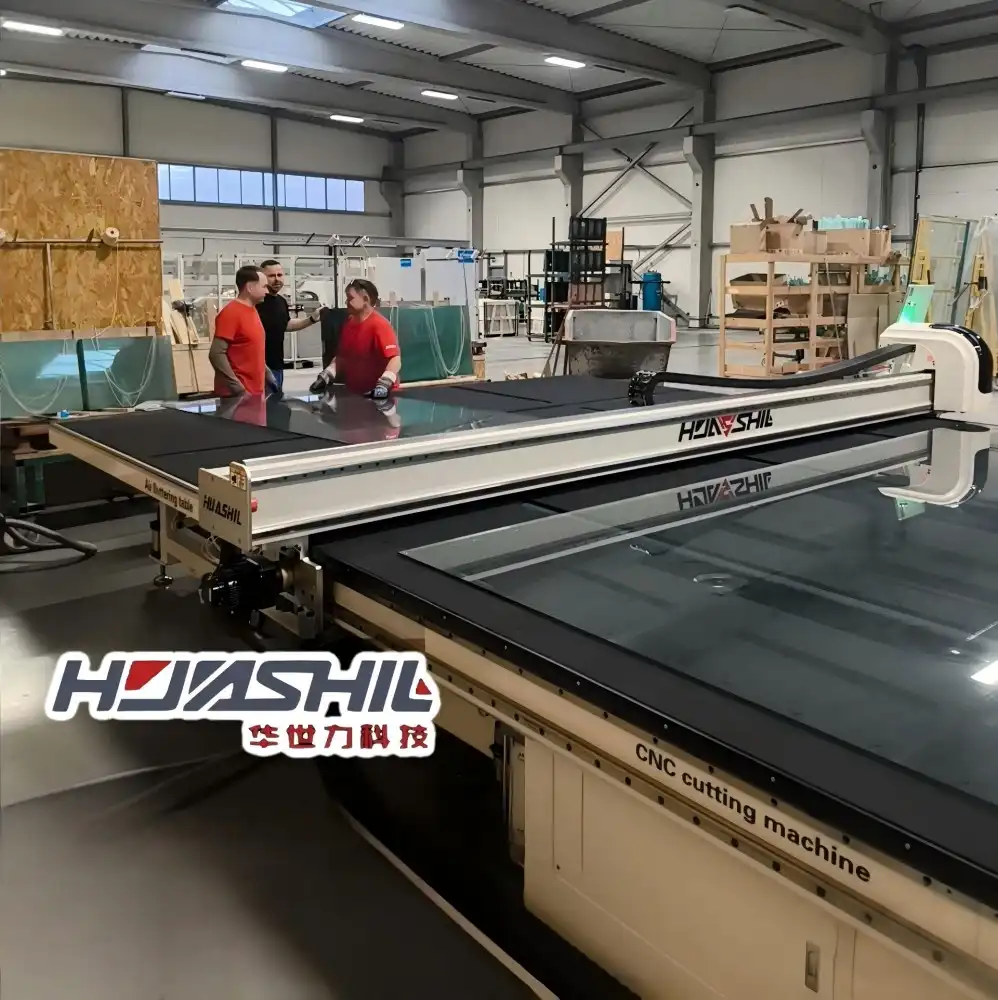
The full three-table setup of our HSL-LSX4228 model is an example of cutting-edge cutting technology. The loading table takes in unprocessed glass sheets as big as 4200 x 2800 mm and makes sure that they are lined up correctly for processing. The cutting table has precise scoring tools that are controlled by Optima optimization software, which figures out the best ways to cut so that there isn't a lot of waste. The breaking table finishes the job by applying controlled pressure along scored lines, which splits the glass pieces exactly where they need to be.
The float glass cutting machines work on train systems above or below ground, with 2+2 adjustable stations that let it work on several sheets of glass at the same time. Four big arms are built into each side, which keep the saw steady during the whole cutting process. This setup makes sure that the material flows freely and that the setting stays exact, which is important for quality results.
In the past, marking glass by hand took a lot of skill and didn't always turn out the same way. Modern automatic systems make processes more consistent and speed up production by a large amount. The combination of optimization software figures out the best way to cut materials so that as little waste as possible is created. When done by hand, 15–20% of the material is wasted, but in automatic systems, only 5% or less is wasted.
Key Benefits of Using Float Glass Cutting Machines in Manufacturing
Factories that use automatic glass cutting systems see huge changes in many areas of their business. These perks have a direct effect on how efficient output is, how consistent quality is, and how profitable the business is overall.
Here are the main benefits that automatic cutting systems give to today's production businesses:
- Improved Cutting Accuracy: Automated systems can cut within ±0.5mm, while human systems can only cut within ±2–3mm. Using a computer-controlled score removes human error, which guarantees that the edge quality is the same over thousands of cuts. This accuracy lowers the amount of work needed to prepare the product later on and raises the standards for the quality of the end product.
- Higher Production Throughput: Modern cutting tools can work on 200 to 300 glass sheets per hour, while doing it by hand only allows for 30 to 50 sheets. The ability to run continuously prevents slowdowns due to tiredness and keeps cycle times the same during all work shifts.
- Less Material Waste: Optimization software figures out the best ways to cut glass sheets so that less than 5% is wasted instead of 15%. Advanced nesting methods allow sheets to be used for parts of different shapes. This greatly improves the use of materials.
- Less Work: Automated systems only need one person to operate them, while hand cutting needs three to four people. This cut moves trained workers to more important manufacturing tasks while lowering the cost of labor.
- Better Safety at Work: Automated handling gets rid of glass manipulation by hand, which lowers the risk of damage from sharp edges and heavy lifting. Safety interlocks and safety barriers keep people away from the cutting devices while they're in use.
These benefits add up to big competitive benefits for producers who use float glass cutting machines. It takes 18 to 24 months for production plants to make back their investments because they are more efficient and save money on running costs.
Optimizing Efficiency Through Best Practices and Maintenance
To get the most out of a float glass cutting machine, you need to follow strict upkeep and operating guidelines. Proper care keeps tools cutting accurately and extends its usefulness while avoiding unexpected downtime.
Regular maintenance plans guarantee that cutting quality stays the same and avoid expensive delays in production. Daily cleaning routines get rid of glass pieces and other dirt that could mess up precision instruments. Lubricating parts that move every week keeps them from wearing out too soon and keeps them working smoothly. Monthly adjustment checks make sure that the cutting is done correctly and change the settings as needed to keep within the tolerance specs.
As part of preventive maintenance, cutting wheels are usually replaced every three months, electrical systems are checked once a year, and there are full studies of mechanical systems. These planned activities find possible problems before they can get in the way of production, which keeps the business reliable.
Operator training is very important for optimizing float glass cutting machines. People who are properly trained can spot early warning signs of technical problems and fix them right away. Understanding how software works allows workers to improve cutting productivity by choosing the best pattern and setting it up correctly.
People have to choose between manual, semi-automatic, and fully automatic methods based on how much and how well they need to produce. For specialty uses with low volume, manual systems work well. Semi-automatic systems, on the other hand, are a good choice when you want to balance efficiency with freedom. Fully automated systems like our HSL-LSX4228 make high-volume manufacturing processes with uniform quality standards more productive.
Selecting the Right Glass Cutting Equipment for Your Operations
It is important to keep quality standards, operational limits, and output needs in mind when choosing glass cutting machinery. Several things affect the choice of tools, which have an effect on the long-term success of manufacturing.
The main thing to think about when choosing tools is the production rate. Fully automated systems that keep quality steady and increase output are good for high-volume businesses. Semi-automatic machines may offer the best mix between speed and cost for medium-volume sites. Specialty producers with low volume often choose by hand methods that offer the most freedom.
The size of the glass must be able to meet the needs of the goods. Our HSL-LSX4228 can hold sheets as big as 4200x2800mm and is useful for both architectural and car uses. Smaller glass and furniture decorating businesses might need size settings that work best for their own spaces.
Each use has its own standard for how precise the cutting must be. Architectural glass needs to be cut and shaped just right to fit properly, but some artistic uses allow more leeway. Understanding exact needs helps people figure out what kind of tools, such as float glass cutting machines, they need and avoid spending too much on features that aren't needed.
The supply of spare parts, expert help, and training services are all factors in after-sales support. Trustworthy networks of help make sure that technology always works well and that downtime risks are low. Established makers offer a full support system that protects customers' investments in tools.
People are buying more and more based on energy use and environmental issues. Modern technology includes parts that save energy and cut costs while still meeting environmental rules.
HUASHIL Float Glass Cutting Solutions and Expertise
With cutting-edge tools for the glass processing business and great customer service, Shandong Huashil Automation Technology Co., Ltd brings decades of industrial excellence to the field. We can provide manufacturers with game-changing, state-of-the-art technology because of our experience with automatic machinery creation.
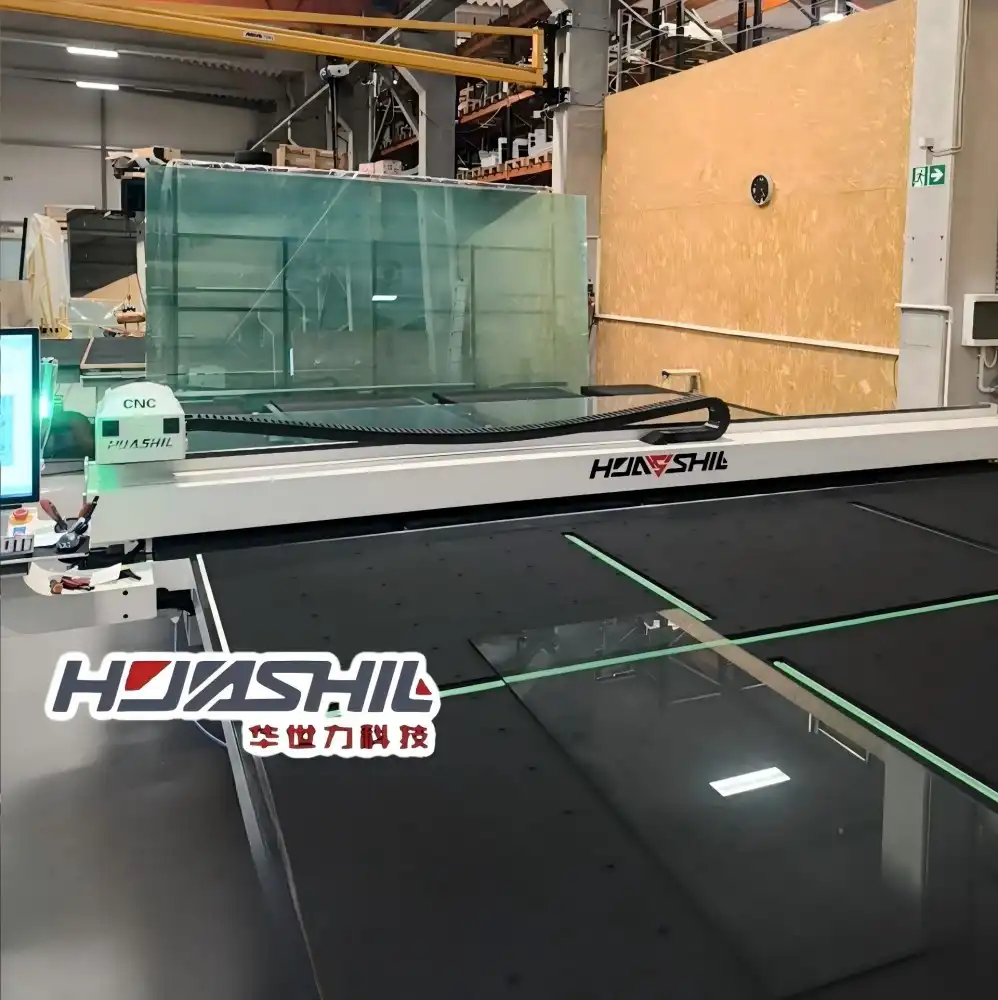
Our top HSL-LSX4228 model is the most advanced automated glass cutter out there. It has cutting-edge features that make it more efficient and ensure that it always works. The three-table setup makes material flow easier, and the Optima program finds the best cutting designs to make sure that very little waste is produced. Configurable station setups can be used for different production needs, giving manufacturers the ability to adapt to changing needs.
We know how important it is for production tools, including float glass cutting machines, to work all the time. Before shipping, our machines are tested in a variety of ways to be sure they meet high-quality standards. Broad guarantee coverage and quick technical help protect customers' investments and keep business operations going.
Customization powers let us change the details of our tools to fit the needs of different types of production. Our tech team comes up with custom ways to get the best performance out of handling architectural glass, car parts, or other unique items.
Architectural glass makers, curtain wall manufacturers, furniture producers, and specialty glass handlers are just a few of the people who buy from us around the world. This wide range of experiences gives me useful information that helps me make new products and improve old ones all the time.
Conclusion
Manufacturing businesses that want to get an edge over their competitors by boosting speed, quality, and cost control must use float glass cutting tools. Automated cutting systems do more than just make things more productive; they also cut down on waste, make things safer, and ensure that quality standards are always met to keep customers happy.
Advanced laser cutters like the HSL-LSX4228 pay for themselves by lowering the cost of labor, reducing material waste, and increasing the amount of output that can be done. Precision engineering, optimization tools, and full support services make sure that both implementation and long-term operating success are possible.
Manufacturing plants that accept technology can keep making money and growing in markets that are becoming more competitive. Choosing to buy high-quality cutting tools is a smart choice to run your business well and make your customers happy.
FAQ
Q1: How often do float glass cutting machines need to be maintained?
A: Every work shift should have a daily cleaning and check, and moving parts should be lubricated every week. Monthly tuning checks guarantee the accuracy of the cuts, and replacing the cutting wheels every three months keeps the machine working well. Annual thorough inspections by experienced experts stop big problems from happening and greatly extend the life of the equipment.
Q2: What safety features do people expect to see in current automatic glass cutting tools?
A: Modern machines have safety light curtains, emergency stop systems, protection walls around cutting areas, and automatic shut-off mechanisms. Controls for operator access stop people who aren't allowed from using the equipment, and safety interlocks stop cutting functions when protective devices are not in place. These features are safe by global norms, and they make the workplace much less likely to be hurt.
Q3: Can places that currently cut things by hand switch to tools that do it automatically?
A: Yes, with the right planning and preparation, most sites can make room for automatic cutting machines. You may need to change the space, power systems, and ways of moving materials around. To find the best ways to set up tools and improve the building for successful automation, our expert team visits the sites and evaluates them.
Partner with HUASHIL for Advanced Float Glass Cutting Solutions
Transform your glass manufacturing operations with HUASHIL's proven automation technology and comprehensive support services. Our HSL-LSX4228 cutting system delivers the precision, reliability, and efficiency your production facility needs to compete effectively in today's demanding market environment.
As a leading float glass cutting machine manufacturer, we combine advanced engineering with practical manufacturing experience to deliver solutions that exceed customer expectations. Our commitment to quality and customer success drives continuous innovation and product development initiatives.
Our experienced team provides complete project support from initial consultation through installation and ongoing maintenance. We understand the unique challenges facing glass manufacturers and develop customized solutions that address specific operational requirements while maximizing return on investment.
Ready to enhance your production capabilities with state-of-the-art cutting technology? Our technical specialists are available to discuss your specific requirements and recommend optimal equipment configurations. Visit our website at huashil.com for detailed product specifications and customer success stories, or contact us at salescathy@sdhuashil.com to schedule your personalized consultation today.
References
1. Glass Manufacturing Industry Council. "Automation Trends in Glass Processing: Efficiency and Quality Improvements." Journal of Glass Technology, 2023.
2. International Glass Review. "Float Glass Cutting Technology: Advances in Precision and Automation." Industrial Glass Manufacturing Quarterly, 2023.
3. Manufacturing Engineering Society. "Cost-Benefit Analysis of Automated Glass Cutting Systems in Industrial Applications." Manufacturing Technology Review, 2022.
4. Glass Processing Equipment Association. "Safety Standards and Best Practices for Automated Glass Cutting Machinery." Industry Safety Guidelines, 2023.
5. American Glass Manufacturing Institute. "Energy Efficiency and Sustainability in Glass Processing Equipment." Environmental Manufacturing Journal, 2022.
6. Global Glass Technology Conference. "Optimization Software Applications in Glass Manufacturing: Reducing Waste and Improving Yield." Technology Innovation Proceedings, 2023.