




A GTM glass loading machine transforms the way glass fabrication plants handle raw sheets at the start of every production cycle. By replacing slow, labor-dependent loading with precise automation, it cuts cycle times, lowers breakage rates, and keeps output steady across long shifts. The HUASHIL model HSL-YTJ3829 is a strong example of this technology—handling glass up to 3660×2800 mm, processing thicknesses from 2 to 19 mm, and carrying both CE and ISO 9001 certification. For plant managers and engineers evaluating equipment upgrades in the U.S. market, this machine offers a measurable path to higher throughput and lower operating costs.
Understanding the Core Functionality of GTM Glass Loading Machines
You should know what these tools do and why each part is important on the shop floor before you compare them.
Automatic Loading and Edge Finding
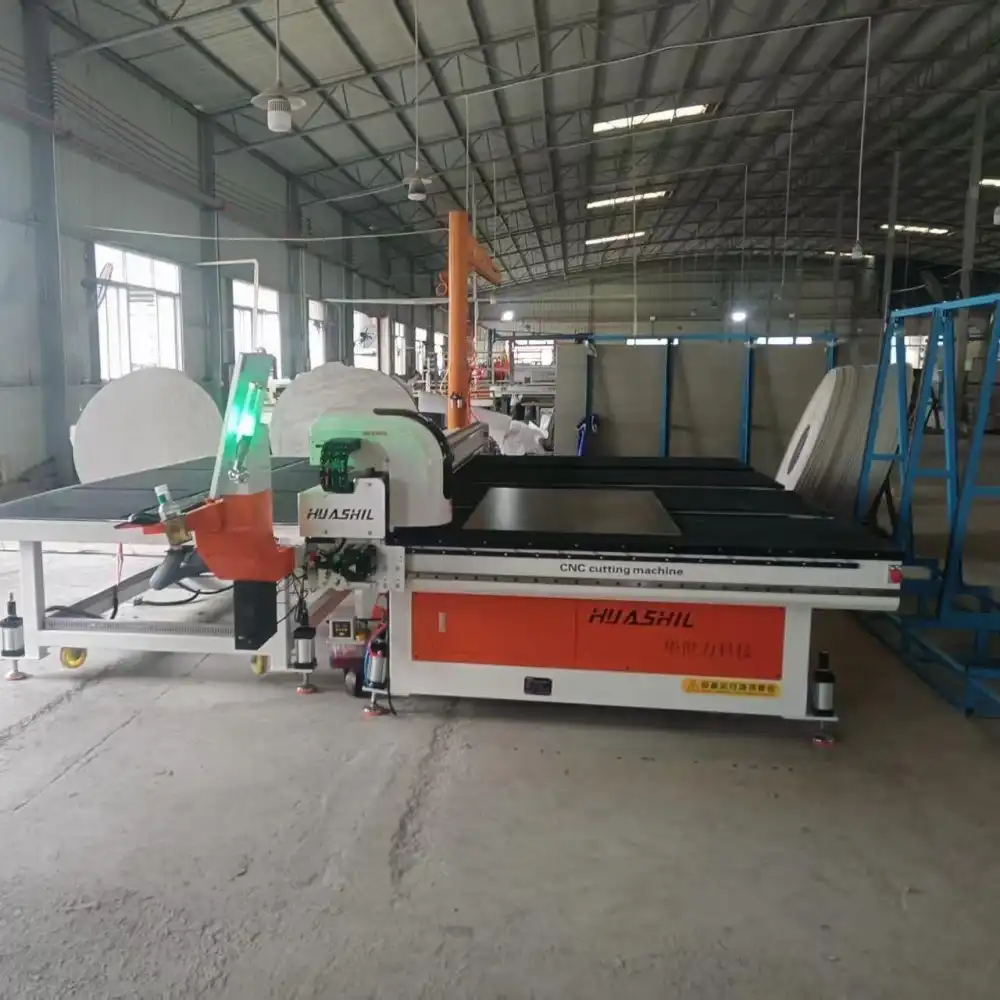
People who work with the HSL-YTJ3829 don't have to do anything between rounds because it loads and finds edges itself. The machine knows exactly where each piece of glass is and adjusts how it holds them. This gets rid of the need to guess, which can lead to mistakes when adding by hand. This is one of the main reasons ornamental glass plants get surface scratches and edge chips.
Air Flotation System and Synchronous Belt Conveying
A surface that floats on air has sheets of glass moving across it. If you move the sheets this way, they stay in the air and don't rub against each other. The sheets are moved along by synchronous belts that keep their position and speed fixed while the filling process goes on. Small shocks can break thin sheets, especially those between 2 and 5 mm thick that are used to make furniture and shower doors. These two features work together to protect glass surfaces.
Optima Optimization Software and 360-Degree Remote Control
Before each cycle starts, the Optima optimization program on the machine works out the best way to cut the material. Workers can move the machine and watch it from anywhere on the floor thanks to a remote control that can move in any direction. This saves them time because they don't have to wait between jobs. Based on how thick the glass is, the automatic pressure control changes how strong the suction is. This keeps thick sheets from moving around and keeps the surface of thin sheets from getting damaged.
Identifying Production Bottlenecks and How GTM Machines Address Them
Factory workers always have three problems when they have to load glass by hand: cycle times are slow, there is a lot of damage, and workers get tired. All three are taken care of directly by an automatic driver that is well thought out.
Cycle Time and Throughput Gaps
To load each sheet by hand, it takes 45 to 90 seconds, depending on the size. This means that each run needs two to four people. The GTM glass loading machine HSL-YTJ3829's automatic loading follows a set cycle that doesn't change based on the length of the shift. Because of this, work doesn't slow down in the second half of the day. Most plants that switched from loading by hand to automatic loading see a 30–50% rise in output in the first month.
Glass Breakage and Defect Rates
What the Glass Association of North America says is that up to 8% of all the trash in medium-sized factories is broken glass that was being moved around. Because it automatically controls pressure and floats on air, the HSL-YTJ3829 goes right after this source of waste. The width of the sheet is instantly changed from 2 mm to 19 mm, and the air flotation surface gets rid of the rough spots where chips and cracks start.
Workforce Fatigue and Ergonomic Risk
It is one of the most dangerous jobs in manufacturing to handle glass by hand over and over again. By automating this step, workers don't have to touch the sheets directly, which makes them less likely to get hurt and drop loads. This also lowers the risk of workers' compensation, which is something that plant finance offices in the U.S. are looking at more and more when they look at capital spending.
Comparative Advantages of GTM Glass Loading Machines Over Competitors
When buying and plant managers look at glass loading equipment and compare it to other motorized and hand-operated options that are on the market. Because of these main advantages, this kind of gear stands out:
- Broader glass size range: The HSL-YTJ3829 handles sheets up to 3660×2800 mm, covering most architectural and curtain wall glass dimensions without a machine change.
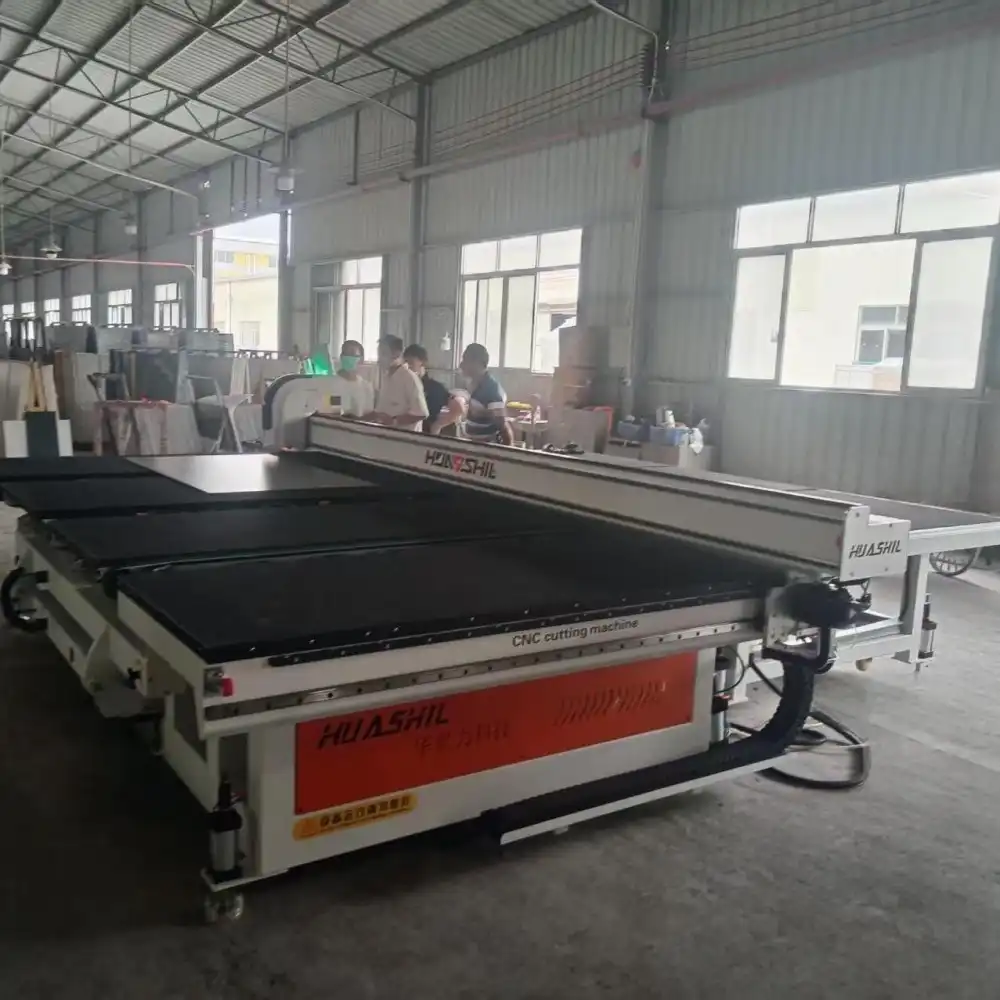
- Integrated breaking table: Unlike basic loaders that stop at cutting, the built-in breaking table keeps the workflow moving within a single machine footprint, reducing floor space requirements.
- Certified compliance: CE and ISO 9001 certification means the machine meets both European safety standards and international quality management requirements—important for U.S. buyers working with multinational clients.
- Software-driven efficiency: The Optima software layer adds a planning dimension that pure mechanical loaders lack, cutting raw material waste before the first cut is made.
It costs less to own these machines than machines that need different breaking stations or don't have optimization software because of these benefits. Procurement managers who look at TCO over a three- to five-year equipment cycle can make a strong financial case because they will save money on items like waste, labor, and floor space.
Enhancing Production Efficiency Through Maintenance, Safety, and Energy Efficiency
Getting the right machine isn't enough. If the equipment works well over many years, not just in the first three months after it is put in place, it will lead to long-term production gains.
Preventive Maintenance and Downtime Control
Moving a belt at the same time is what the GTM glass loading machine HSL-YTJ3829 does. Chain or roller conveyors wear out faster than this kind of machine. As part of regular maintenance, the sensors need to be calibrated, and the suction cups need to be checked for tightness. These jobs can be done by a trained technician during planned downtime without taking any major parts apart. HUASHIL offers full technical documentation and support for spare parts to keep these gaps as short as possible.
Safety Standards and Operator Protection
The machine has CE approval, which means it meets the requirements of the Machinery Directive. This directive is used in a lot of export markets in the U.S. and Europe. Automatic pressure control keeps the clamps from being too tight, and the 360-degree remote control walking feature keeps workers safe during large-sheet loading cycles. These built-in safety features make it less likely that an accident will happen without the need for extra safety gear.
Energy Consumption and Operational Costs
Power needs are based on the size and weight of the glass being used by the air float and automatic pressure systems. Like some fixed-pressure gas systems do, this one changes based on the load, so it doesn't waste energy on steady draw. During a full work year, a fixed-pressure loader uses a lot less energy than a variable-pressure loader. This is very important for businesses with two or three jobs.
Streamlining Procurement and After-Sales Services for GTM Glass Loading Machines
Purchasing automation equipment across borders requires clarity on delivery, installation, warranty, and ongoing support. HUASHIL addresses each stage of this process directly.
Inquiry and Order Process
HUASHIL supports standard B2B purchasing terms, including deposit plus final payment and Letter of Credit for international orders. Technical documentation, CE and ISO certificates, and performance data are available at the inquiry stage so engineering teams can complete their review without waiting for a site visit.
Installation, Training, and Spare Parts
After delivery, HUASHIL provides professional installation guidance and operator training to get the line running at full capacity quickly. Spare parts availability is maintained to support the full service life of the machine. For U.S.-based fabrication plants, this after-sales structure addresses one of the primary concerns that procurement managers raise when sourcing equipment internationally.
OEM and Customization Support
HUASHIL offers OEM and ODM options for buyers who need modified specifications—whether for non-standard glass dimensions, integration with an existing cutting line, or specific control interface requirements. Curtain wall integrators and large architectural glass plants with unique production layouts benefit most from this flexibility.
Conclusion
Automatically loading glass is no longer an extra that U.S. fabrication plants can do without if they want to stay competitive in terms of speed, quality, and price. Things that slow down production are fixed by the GTM glass loading machine HUASHIL HSL-YTJ3829. These include uneven hand loading, surface damage during transfer, and wasted material use because of bad cutting plans. People in charge of plants and engineering teams look for certain technical standards in capital equipment. This machine meets those standards. It is CE/ISO certified, has an air floating system, and comes with Optima software. The pressure is controlled automatically. It is easy to buy, there is good customer service after the sale, and performance data supports the investment.
FAQ
1. What glass sizes and thicknesses does the HSL-YTJ3829 handle?
Cuts glass to sizes between 2 and 19 mm. It can handle pieces of glass up to 3660 mm x 2800 mm. Most of the types of architectural, furniture, and curtain wall glass used in U.S. factories are in this range.
2. What does the Optima software do?
Every time they make something, Optima figures out the best way to cut the material. When you plan cuts that cover the whole sheet, you waste less raw glass. The cost of materials per finished unit goes down over time.
3. How does automatic pressure control protect glass?
The amount of suction force changes based on how heavy and thick each sheet is. This stops the surface from getting hurt when big sheets or thin glass are clamped down too tightly, which tends to happen a lot when automatic loading is done.
4. What certifications does the machine carry?
CE and ISO 9001 both say that the HSL-YTJ3829 is safe. These prove that the business follows European rules for machine safety and global rules for quality management.
Get a Direct Quote from HUASHIL — GTM Glass Loading Machine Supplier
It has been exporting for years and has a history of making building glass, curtain wall glass, and furniture glass. HUASHIL is a specialist in making GTM glass loading machines. There is full after-sales support and OEM customization for the HSL-YTJ3829 after the sale. It has also been approved by CE and ISO 9001. Email salescathy@sdhuashil.com to get a price quote or a full copy.
References
1. Glass Association of North America (GANA). Glazing Manual. 2021.
2. International Organization for Standardization. ISO 9001:2015 Quality Management Systems — Requirements. 2015.
3. European Committee for Standardization. Machinery Directive 2006/42/EC: Safety of Machinery. 2006.
4. Glass Industry Magazine. "Automation Trends in Flat Glass Fabrication." 2022.
5. Pilkington Group. Glass in Building: Technical Reference Manual. 2020.
6. U.S. Department of Labor, Occupational Safety and Health Administration. Ergonomics for the Prevention of Musculoskeletal Disorders: Guidelines for the Shipyard Industry. 2008.
