




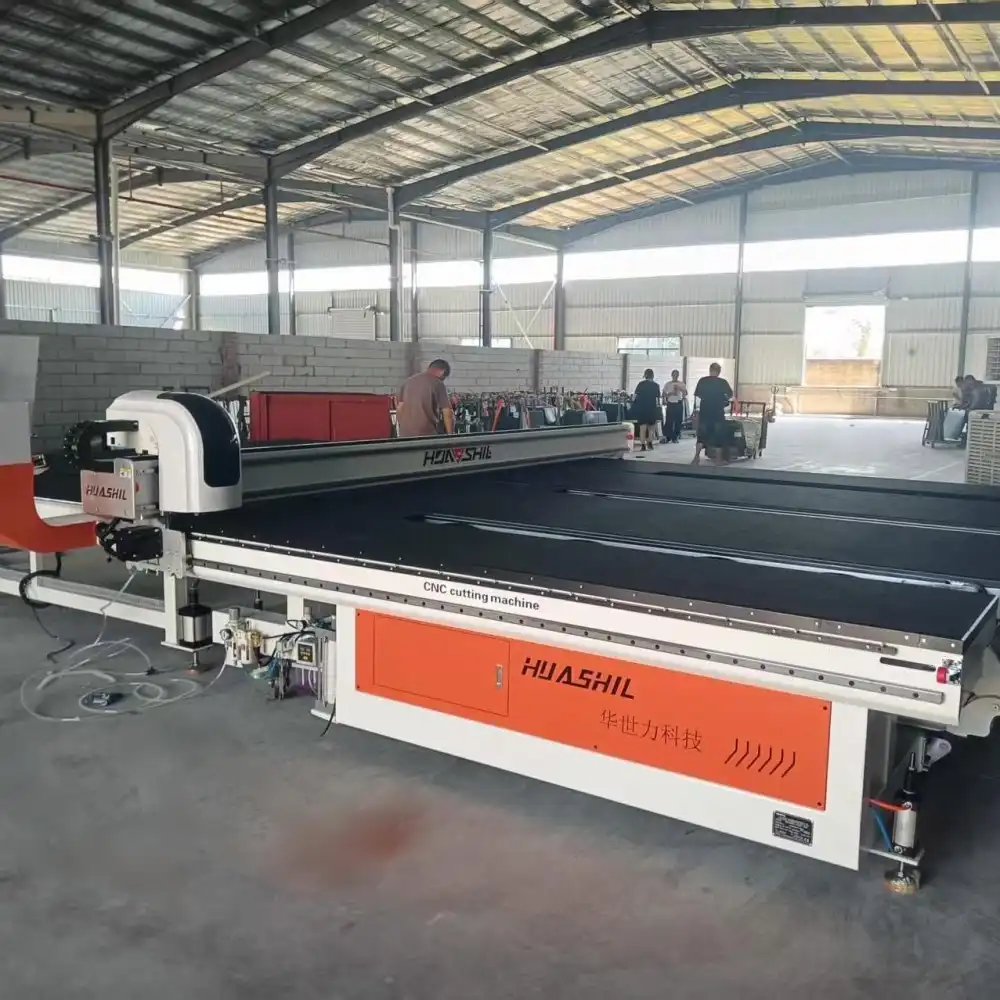
A GTM glass loading machine's production output, the longevity of the equipment, and the safety of the workplace are all directly impacted by the maintenance and safety management that is performed on it. With the ability to handle glass sheets of up to 3660×2800mm and cutting thicknesses ranging from 2mm to 19mm, the HUASHIL model HSL-YTJ3829 is an asset that is capable of handling high-capacity operations in any fabrication facility. When this equipment is operating at peak condition, it minimises the probability of breakage, reduces the amount of unexpected downtime, and ensures that personnel are safeguarded. In this handbook, plant managers, engineers, and procurement teams are taken step-by-step through what they need to know in order to properly operate and maintain this equipment.
Understanding GTM Glass Loading Machine Maintenance Fundamentals
When formulating a plan for repairs, it is beneficial to have an understanding of what wears out and which components need the greatest attention over time.
Primary Functions and Key Components
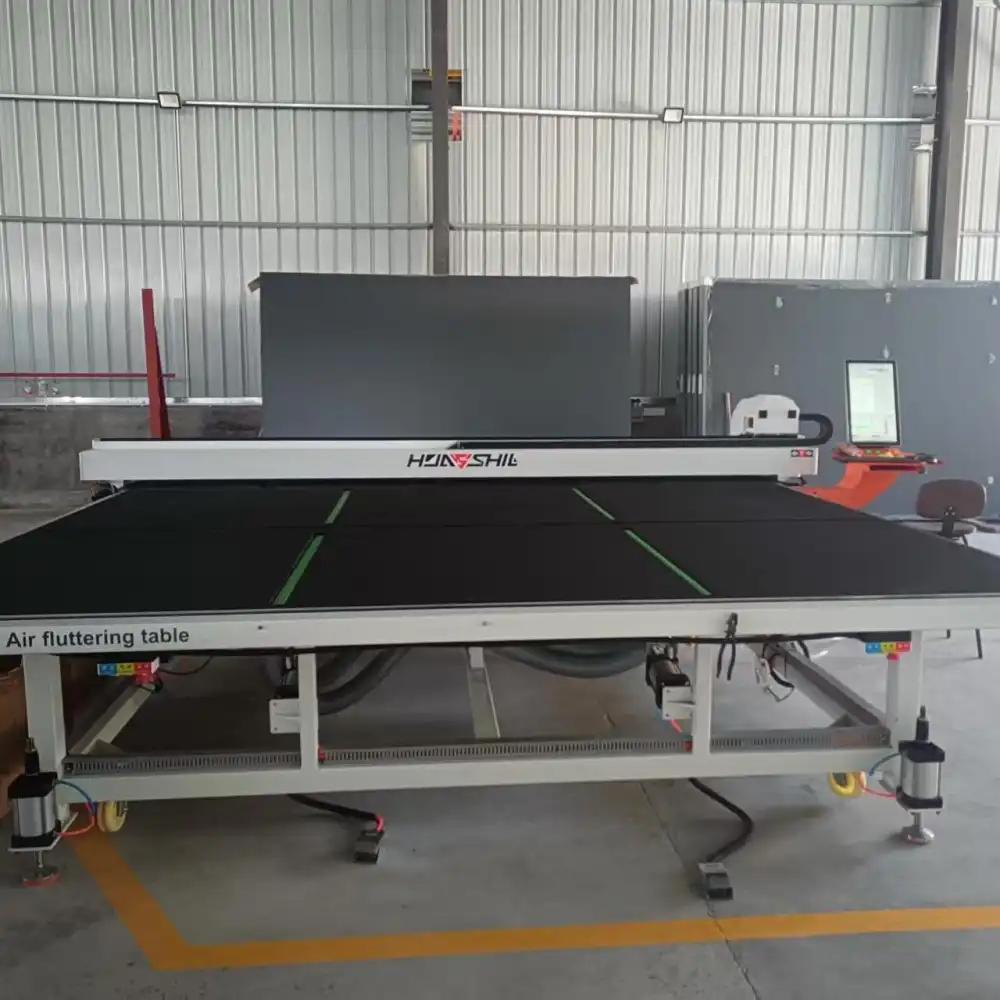
Filling, adjusting pressure, locating edges, and moving glass along simultaneous belts are all tasks that are automatically performed by the HSL-YTJ3829. By removing glass sheets from surfaces, the air floating technique prevents them from scratching the surface they are placed on. When working in confined areas, the remote control has a breaking table and a walking function that can be rotated around 360 degrees, giving you expanded possibilities. few of the components that need maintenance at various intervals include belts, pressure monitors, floating air nozzles, and edge-detection devices. These are only a few of the components.
Common Maintenance Challenges
The synchronous belts stretch when the load is delivered again over and over again. There is a gradual accumulation of glass dust in flotation nozzles, which results in a reduction in the airflow. The movement of pressure sensors, which occurs when they are not recalibrated, results in cuts that are not even around. The number of breaks that are taken increases, and the quality of the work that is produced decreases when these issues are not resolved. It has been reported by the Glass Association of North America that unexpected downtime in glass fabrication operations may cost businesses anything from $5,000 to $15,000 per working hour. In light of this, preventive maintenance is an obvious issue from a budgetary standpoint.
Preventive vs. Corrective Maintenance
There is always a higher cost associated with repairing defective equipment after it has already broken down, as opposed to preventing the equipment from breaking down in the first place. In accordance with the findings of the Plant Engineering 2023 Maintenance Survey, establishments that implement planned preventive programs see yearly repair costs that are between 25 and 40 percent lower. When it comes to doing things, the most effective method for a glass loading machine supplier like HUASHIL is to use a structured program that identifies issues before they cause production runs to be halted.
Best Practices for Maintaining Your GTM Glass Loading Machine
A stringent maintenance plan ensures that the manufacturing line continues to move forward while also safeguarding your investment. A helpful framework that is organised according to time period is shown here.
Daily and Weekly Checks
The workers should inspect the synchronous belts for obvious fraying at the beginning of each shift, ensure that the air flotation nozzles blow equally over the whole glass surface, and confirm that the automated edge-finding sensors are functioning correctly. On a weekly basis, you are required to do tasks such as cleaning the dust off of the electrical boxes, comparing the tightness of the belts to the guidelines provided by the manufacturer, and ensuring that the remote controls function immediately. Performing these speedy checkups prevents minor problems from becoming more severe and resulting in more significant motor failures.
Monthly and Annual Procedures
As part of the monthly service for a GTM glass loading machine, all moving parts should be fully oiled, the loading arms should be checked for balance, and the Optima optimization software should be used for a test run to make sure the cutting path is accurate. A certified technician should check the electrical wiring harness, replace any worn belts, and readjust the pressure control system once a year. It is very important to recalibrate because accurate thickness cutting in glass from 2 mm to 19 mm depends on applying precise, steady pressure.
Troubleshooting Common Issues
The majority of the time, loading jams are brought on by belts that are not properly aligned or by a flotation nozzle that is blocked, which ultimately results in a reduction in the air cushion. Dust that has accumulated on the optical lens or a connection that is not sufficiently tight is often the cause of sensor errors that occur in the edge-finding system. Since they began examining the belts once a week and cleaning the sensors once a month, a glass manufacturer in Texas reported that they had a thirty percent reduction in unexpected downtime. This was accomplished without upgrading any of the hardware. A structured repair not only saves you time but also prevents you from having to replace components that aren't important.
Safety Guidelines for GTM Glass Loading Machine Operation and Maintenance
The processing of glass is fraught with genuine bodily dangers. Taking action to address problems in a methodical manner safeguards both resources and personnel.
Identifying Primary Risks
Mechanical pinch points on moving arms, electrical exposure during panel repair, and human mistake during manual glass insertion are the primary risk categories that are associated with the operation of a glass loading machine, whether it is for sale or in service. When the air pressure lowers in the middle of the cycle, glass sheets that weigh several hundred pounds might move in an unanticipated manner. Physical barriers must be placed around all hazardous motion zones in accordance with OSHA Standard 1910.212, which governs machine guarding. This standard applies directly to automated glass handling equipment in establishments located in the United States.
Mandatory Protective Measures and Certifications
The CE and ISO 9001 certifications that the HSL-YTJ3829 has help to ensure that it is in accordance with the quality and safety standards that are recognised globally. When doing any work that involves handling glass, operators are required to wear cut-resistant gloves with an ANSI A4 or higher rating, safety eyewear, and footwear with steel toes. Before any maintenance personnel may get access to the electrical cabinet or drive components, lockout and tagout procedures must be successfully completed. On a floor plan that is visible to the public, facilities should publish the locations of emergency stop positions near the machine.
Operator Training and Emergency Response
Incident rates are decreased when formal operator certification is in place. According to the findings of a research study published in the Journal of Safety Research, establishments that have organised equipment-specific training programs have injury rates that are forty-five percent lower than those that depend on informal on-the-job coaching. For the purpose of providing help for initial training, HUASHIL offers installation advice and technical documents. Whenever an event takes place, emergency measures have to include quick power isolation, methods for the containment of glass fragments, and a clear line of communication to production managers.
Optimizing Performance Through Maintenance and Safety Integration
The programs of maintenance and safety are not two distinct programs; rather, they collaborate in order to guarantee that technology continues to perform the functions for which it was designed.
Efficiency and Energy Savings
A company that makes a GTM glass loading machine and has a good track record of customer service uses energy more efficiently. When belts are worn, they cause friction, which drains the motor's power. The air generator has to work harder when the flotation tubes are clogged. Maintenance data put together by the Fabricators & Manufacturers Association International shows that keeping things clean and properly tensioned can cut energy use by 8% to 12%.
Manual vs. Semi-Automatic vs. Fully Automated Models
Manual glass loading machines are cheaper to buy up front, but they require more physical work and put operators at a higher risk of getting tired after long shifts. Semi-automatic systems cut down on direct handling, but people still need to place them every so often. The HSL-YTJ3829 is a fully automatic glass loading machine that keeps people from touching the glass sheet too much, which lowers the risk of harm and the chance of breaking the product at the same time. Because of the automation, maintenance tasks have changed from keeping an eye on manual labor to making sure that electronic sensors and software are working properly.
GTM Design Advantages in Practice
The HSL-YTJ3829 has a 360-degree remote control walking function that lets operators change the machine's position from a safe distance. This is an important safety feature for placing glass that most competitors' standard models don't have. The Optima software integration means that cutting path optimization happens automatically, so there is no need to reprogram the machine each time the glass sheet size changes. This lowers the chance of an operator making a mistake. These design choices make maintenance less likely and accidents less likely over the machine's service life.
Procurement and Support Insights for GTM Glass Loading Machines
When buying capital tools, choices are made about a lot more than just the price. The most important thing is the total cost of ownership over the whole working life.
Warranty and Service Package Evaluation
If a buyer wants to buy a custom glass loading machine or a full production line from a licensed seller, they should ask for a clear written guarantee that covers both parts and labor, as well as confirmation of the availability of spare parts and wait times. HUASHIL helps buying teams with the evaluation process by giving them documents like technical specs, CE and ISO 9001 certificates, and after-sales support contacts. When there are a lot of orders, full production line kits often come with installation supervision and training for the operators as part of the deal.
Leasing, Refurbished Units, and Bulk Purchase Options
Some U.S. fabrication plants like lease-to-own agreements because they make it easier to manage their capital expenditure budgets. You can save money by buying a used machine, but you should make sure that it has been recertified and that spare parts are still being made. When you buy a lot of something from one supplier, you can often get better technical support and cheaper maintenance kits. Procurement managers can get a better idea of these choices by comparing their total lifecycle costs instead of just looking at their sticker prices.
Accessing Authorized Support and Genuine Parts
Using original equipment manufacturer (OEM) parts protects your warranty and stops problems with compatibility. The expert team at HUASHIL helps clients by doing remote tests, video coaching, and coordinating service on-site. When you contact the maker through official channels, you can be sure that you will get verified parts and a record of the equipment's service history, which are both important during equipment resale or facility checks.
Conclusion
Structured repair intervals, written safety guidelines, and a support relationship with a maker who stands behind its equipment are necessary to keep a GTM glass loading machine in excellent working order. The HUASHIL HSL-YTJ3829 has automatic loading, precise pressure control, air flotation, and build quality that is backed by CE/ISO 9001. However, how long that value lasts depends on how well the machine is maintained and how safely it is used. If plant managers and engineers follow the steps in this article, their teams will have a safer place to work, fewer breakdowns, and lower repair costs.
FAQ
1. How often should I service my glass loading machine?
It is suggested that you look at the belts and float tubes every day. Every month, you should do a full lubrication and alignment check. The pressure control and edge-finding systems should be recalibrated by a certified technician once a year. If you stick to this schedule, the machine will stay within the range of performance that was intended.
2. What safety training do operators need?
Operators should get training that is specific to their equipment. This training should cover machine controls, lockout/tagout procedures, how to use PPE properly, and how to activate an emergency stop. U.S. businesses need to get training on how to follow OSHA 1910.212. To support organized onboarding programs, HUASHIL provides technical materials and installation instructions.
3. When should I call a certified service center instead of handling repairs in-house?
Staff members who work for the company can clean it every day, check the tension of the belts, and clean basic sensors. A qualified expert should fix electrical problems, recalibrate the pressure system, and replace the belt on an automated drive system so that the warranty doesn't get voided and the repair meets the original equipment specifications.
4. Does the Optima software require regular updates?
Yes, HUASHIL suggests that you check for Optima software updates during the machine's yearly maintenance cycles to make sure that the cutting path optimization stays correct and works with any new glass sheet size parameters that are added to your production schedule.
Connect With HUASHIL for GTM Glass Loading Machine Support
HUASHIL is a high-tech automation company that has been making and exporting goods for many years. They offer the HSL-YTJ3829 as a tried-and-true GTM glass loading machine for glass fabrication plants all over North America. Our team is ready to help you find a reliable GTM glass loading machine manufacturer, whether you need technical specs, advice on maintenance, or price quotes. To get a quote or find out more, email salescathy@sdhuashil.com.
References
1. Glass Association of North America. GANA Industry Report: Downtime and Production Efficiency in Glass Fabrication. 2022.
2. Plant Engineering. Annual Maintenance Survey: Preventive vs. Corrective Maintenance Cost Analysis. 2023.
3. Fabricators & Manufacturers Association International. Energy Efficiency in Automated Manufacturing Equipment. 2021.
4. Journal of Safety Research. Impact of Equipment-Specific Training on Workplace Injury Rates in Manufacturing. 2020.
5. Occupational Safety and Health Administration (OSHA). Machine Guarding Standard 1910.212: General Requirements. U.S. Department of Labor, 2019.
6. International Organization for Standardization. ISO 9001:2015 Quality Management Systems — Requirements. ISO, 2015.