




Choosing the right glass transport table line starts with matching equipment specs to your actual production needs. A well-configured line protects large-format glass from surface damage and breakage while keeping your workflow moving at pace. Key factors include maximum glass size capacity, table configuration, loading and breaking station count, rail type, and software integration. Getting these details right before purchasing saves money, reduces downtime, and supports long-term production stability — especially for high-volume plants processing architectural or decorative glass.
Understanding Glass Transport Table Lines: Key Concepts and Uses
A glass transport table line is not the same as a belt. A group of units that work together moves the glass from being loaded to being cut and broken. When engineers and plant managers know how the system works, they can make better decisions about how to spend money.
What Does a Glass Transport Table Line Do?
The main job is to move big sheets of glass safely from one place to another so they don't have to be lifted or moved by hand. Every station has a job to do. When raw glass is put on the loading table, it is cut exactly. The cutting table then breaks the glass into pieces that are easy to pick up. People won't have to touch the glass as much, which cuts down on breaks and makes the workplace safer.
Key Structural Components
How much weight the line can carry and how much space it can cover depend on the frame material, rail type, and arm configuration. Whether the rails are above or below ground changes the floor plans and how maintenance workers can get to the rails. There are usually a few "grand arms" on each side of the line that hold glass and move it from station to station without scratching it.
Why Equipment Design Matters
The quality of the glass and how fast it moves are directly linked to the design choices that were made. Big pieces of glass up to 4200x2800mm don't slip when they are being moved, for example, thanks to suction-based transfer arms. When the number of stops is changed, plants can make more without having to start over with the whole line.
Criteria for Selecting the Right Glass Transport Table Line
You should look at the technical specs, the needs of your business, and the help from the source all at the same time, not one after the other. When you have to decide on a glass transport table line, this is what you should think about the most.
Performance Metrics to Evaluate
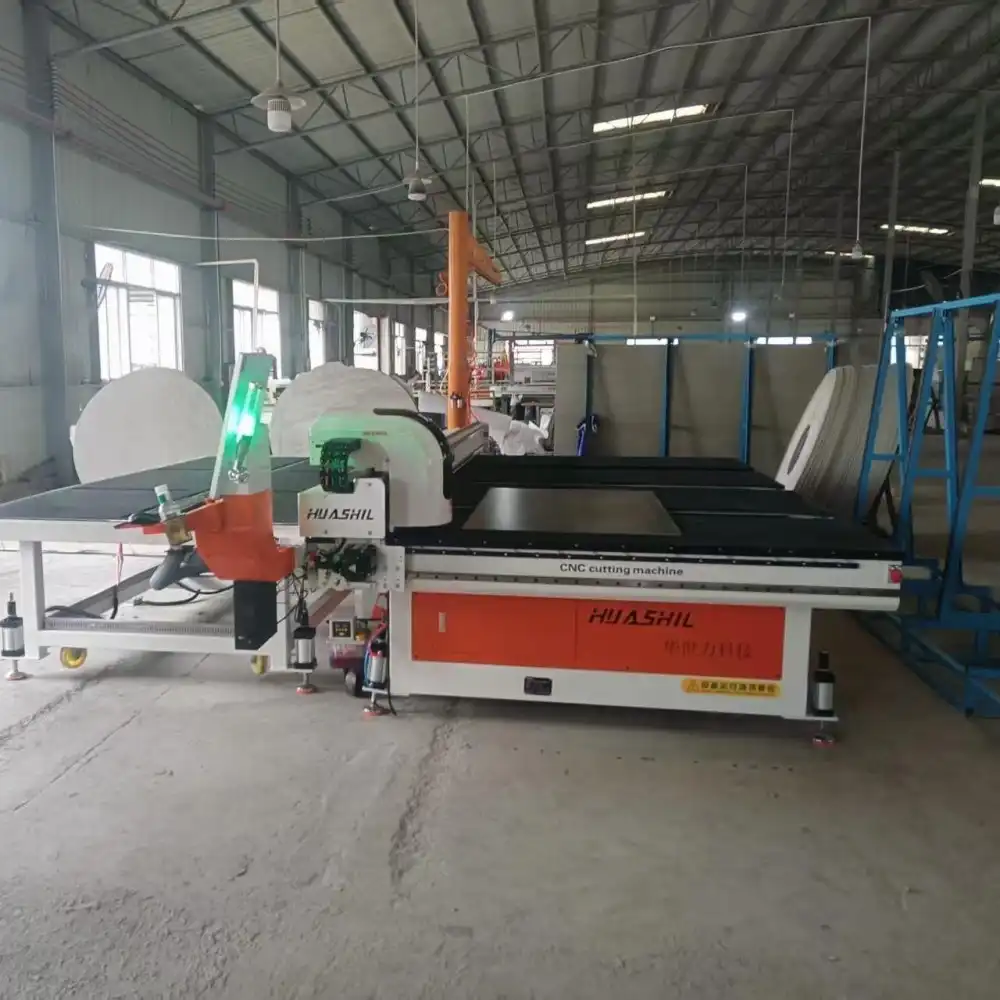
How long a line lasts, how much weight it can hold, and how fast it works are the three things that decide if it is good for commercial use. With a system like Huashil's HSL-LSX4228, which can handle glass up to 4200×2800mm, architectural glass plants can work with full-size pieces of glass without having to cut the stock they come in. Engineers can find the best mix between flow and floor space with the 2+2 station plan, which can be changed based on production needs.
Manual vs. Automated Systems
When used on a big scale, handling by hand can be messy and put people at risk of getting hurt. It works well in small workshops, though. Some computerized lines, such as Optima, figure out the best way to cut the material before any scores are made. This reduces waste. In the United States, glass factories that make a wide range of goods are using this kind of software integration more and more.
Supplier Credibility and After-Sales Support
A good provider backs up what they say with written warranties, keeps spare parts on hand, and gives expert help both in person and over the phone. Find out how long the average lead time is and look for CE or similar certifications. You can also ask for references from people who have installed the product. People in charge of money often think about the total cost of ownership when they give out loans. These factors have a direct impact on that cost.
Price isn't always the most important thing to think about when picking a glass transport table line. It usually pays off more in the long run to be reliable and easy to get help than to save a little money at first.
Best Practices for Using and Maintaining Glass Transport Tables
Even the best-set-up glass transport table line doesn't work very well if it isn't used correctly and maintained regularly. Everyone on a production team should follow these simple rules.
Proper Loading Techniques
Before you load glass, make sure it is flat and in the middle of the loading table. All six arms should hold it. The HSL-LSX4228 has four big arms on each side that are meant to make the sheet less heavy for everyone. Some people load their glass incorrectly, which puts stress on the sides and makes it more likely that the edges will chip before the glass even gets to the cutting table.
Routine Maintenance Protocols
- Weekly: The vacuum should be checked, and the suction cups should be cleaned once a week. The grip force drops when dirt and dust build up on suction surfaces. This can cause drops during transfer.
- Monthly: Every month, check the train tracks, whether they are above or below ground, for damage, buildup of trash, and to make sure they are straight. Track mistakes get worse over the course of a full shift because the rails at the cutting station aren't lined up right.
- Quarterly: Test all of the big arm's moving patterns with weight on them every four weeks. Find out what's wrong with the pneumatics or hydraulics before they stop making things.
With these steps, the line stays at full speed and doesn't stop for no reason, which would cost more to fix than the maintenance itself.
Safety Precautions
People who work near the line should always protect their eyes and wear gloves that won't be cut. Standardized ways of turning things on and off keep mistakes from happening when an arm moves out of the blue. There should be clear lines around each station so that people who aren't working don't get in the way of someone who is.
Market Trends and Innovations in Glass Transport Tables
Some glass processing equipment is becoming more automated, can be watched in real time, and is made up of separate modules. Long-term buyers who know about these trends are smarter about what they buy.
IoT Integration and Real-Time Monitoring
The position of the arm, the vacuum pressure, and the weight of the glass are now tracked in real time by IoT devices on the glass transport table line. It is sent to systems that run the plant and lets production directors know right away when equipment problems require shutdowns. Grand View Research released a report in 2023 that says the global market for machinery used to process glass will grow at a rate of 4.2% per year until 2030. The main reason for this growth is the use of technology.
Modular and Configurable Table Systems
With modular designs, plants can add or change stations as their output needs change. Because the number of stations can be changed, the line can grow with the company without having to buy a whole new one. For instance, moving from a 2+2 setting to one with more space.
Sustainability and Energy Efficiency
The costs of running the business go down over time because motors use less energy and frame materials are light. More and more, plants that have to report on ESG problems look at how much energy equipment uses when they buy it. In the U.S. market, investors and buyers care a lot about things like how much energy costs and how companies treat the environment.
Purchasing Guide: Where and How to Buy the Right Glass Transport Table Line
You need to do more than just know what you need. Find a seller who can send a glass transport table line regularly, on time, and to the right standards. This is the most important thing for buying managers.
Understanding Price Ranges and Volume Options
The price changes a lot depending on how they are set up, how much technology they have, and how much they can be customized. Fully automatic lines with software for improvement cost a lot more than tables for people who only have one station. When making a budget, people who want to buy large-format automatic systems like the HSL-LSX4228 should include the cost of setup, training, and getting extra parts to start with.
How to Verify Supplier Reliability
Find recorded installation cases at plants that make about the same amount of products. Ask for pictures of the machines and, if you can, set up a live video tour or a visit to the workshop. A reputable manufacturer will always state their wait times in writing and require that you agree to their terms before they ship. Huashil is a Chinese company with stores all over the world. They take care of all the paperwork that is needed to buy things from other countries, like setting up L/C payment terms.
Customization and Warranty Considerations
This is helpful for plants that don't use standard glass sizes or have strange floor plans. Before you sign, make sure the seller can change the number of stations, the type of rail (above or underground), and the space between the arms. You should be able to get help with technology problems in a clear way, and the warranty on mechanical parts should last at least a year.
Conclusion
Before you pick the best glass transport table line, make sure that the specs of the machine match the way you work. Everything affects the quality of your work and the cost of your labor, from how easy it is to load the table to how accurate the cutting table is, how the breaking table is set up, and how well the software works with it. The HSL-LSX4228 from Huashil is a large-format option that can be changed to fit your needs. You can change the 2+2 station setup that it comes with, and each side has four grand arms. It can work with glass that is up to 4200mm x 2800mm. Take the time to compare your needs to these tests. This will help you keep your line in good shape and protect your investment.
FAQ
1. What is the difference between a glass transport table and a glass rack?
A glass rack holds glasses upright so they can be moved or kept. For the making process, a glass transport table line moves glass across a flat surface between stations that load, cut, and break it. Because they are used for different things, they can't be switched out.
2. Can a glass transport table line handle custom glass sizes?
Yes. The HSL-LSX4228 and other systems like it can work with glass up to 4200 x 2800 mm, and many of their layouts can be changed to fit different size ranges. People who want to buy glass should ask the seller what the biggest and smallest sizes are before they place an order.
3. What safety standards apply to glass transport equipment in the U.S. market?
In order to sell goods in the United States, they need to follow OSHA safety rules and, if necessary, ANSI machinery standards. These rules are met or exceeded by most machines that are CE-certified and come from reputable brands.
4. How does Optima software improve production efficiency?
The best way to cut the material is found by the Optima optimization software before it is processed. It lowers the cost of making one unit and lowers the amount of leftover glass per sheet during large-scale production.
Get in Touch With HUASHIL for Your Next Glass Transport Table Line
HUASHIL plans and builds glass transport table lines that are made to meet real-world production needs. Each side of the HSL-LSX4228 has four great arms. It also comes with Optima software and a 2+2 station setup that can be changed. For the most part, it can handle glass up to 4200 x 2800 mm. We help international customers by giving them all the paperwork they need, different ways to pay, and direct technical support. We are a reliable company that makes glass transport table lines. Contact us today at salescathy@sdhuashil.com to request a quote or product specification sheet.
References
1. Grand View Research. (2023). Glass Processing Equipment Market Size, Share & Trends Analysis Report.
2. Glass Magazine. (2022). Automation in Architectural Glass Fabrication: Industry Benchmarks and Emerging Technologies.
3. Occupational Safety and Health Administration (OSHA). (2021). Material Handling and Storage: Safety Guidelines for Industrial Workplaces.
4. American National Standards Institute (ANSI). (2020). ANSI B11 Series: Safety of Machinery — General Principles for Design.
5. McKinsey & Company. (2023). Manufacturing Automation and the Future of Industrial Equipment Procurement.
6. International Glass Review. (2022). Trends in Glass Cutting and Handling Technology for Commercial Glass Plants.