




The first step to choosing the correct GTM glass loading machine is to determine what your production line really requires. Whether you operate an architectural glass plant, a curtain wall fabrication business, or a furniture glass operation, perfectly matched equipment has a direct effect on your output quality, labor costs, and daily workflow. The GTM glass loading machine automates sheet feeding at the entrance of a cutting line to reduce breakage and improve efficiency. This article helps you learn what to search for, what to compare, and how to purchase sensibly.
Understanding GTM Glass Loading Machines: Features and Benefits
Loading glass is one of the most physically intensive and dangerous tasks in any glass production line. Automation of manufacturing by dependable machines may greatly affect the dynamics.
What Does a Glass Loading Machine Actually Do?
A glass loader machine scoops up raw glass sheets from a storage rack and feeds them onto the cutting table in a controlled, repetitive move. It substitutes manual lifting, reducing worker fatigue and reducing the likelihood of glass breakage during handling.
Core Technical Features to Know
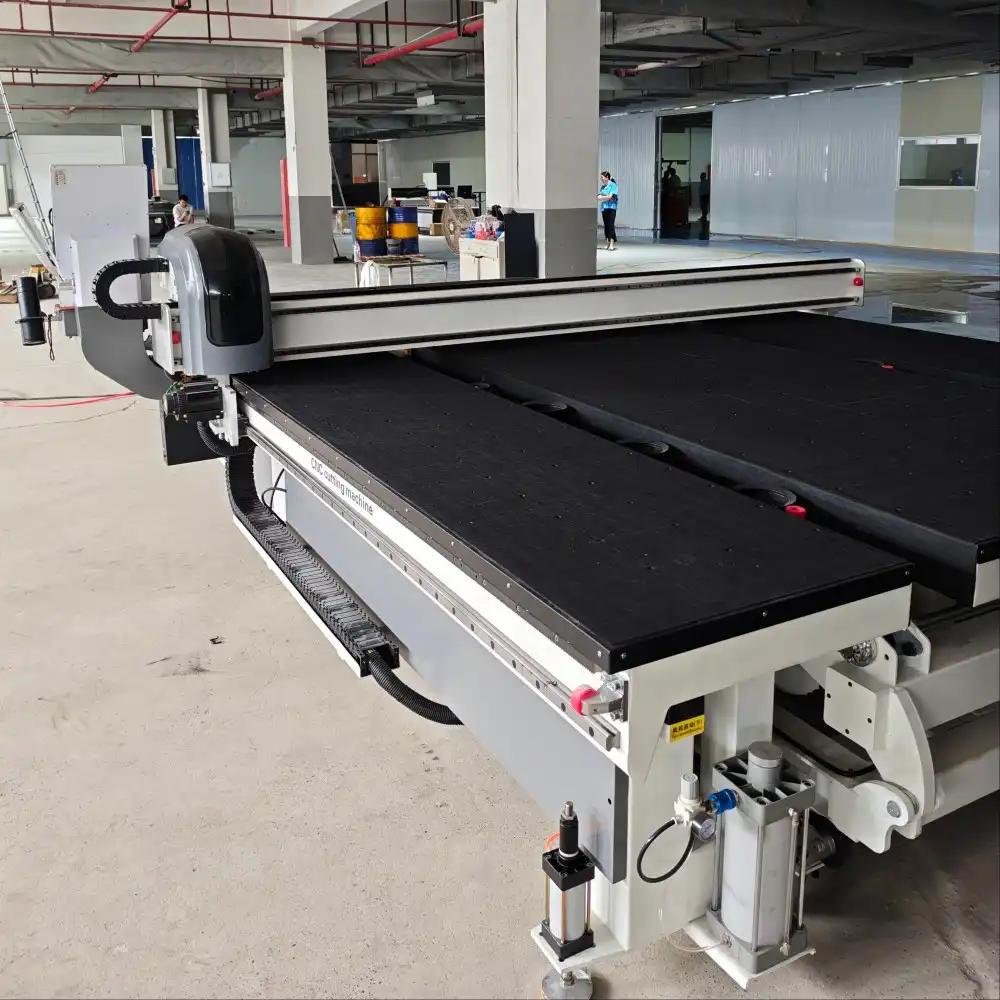
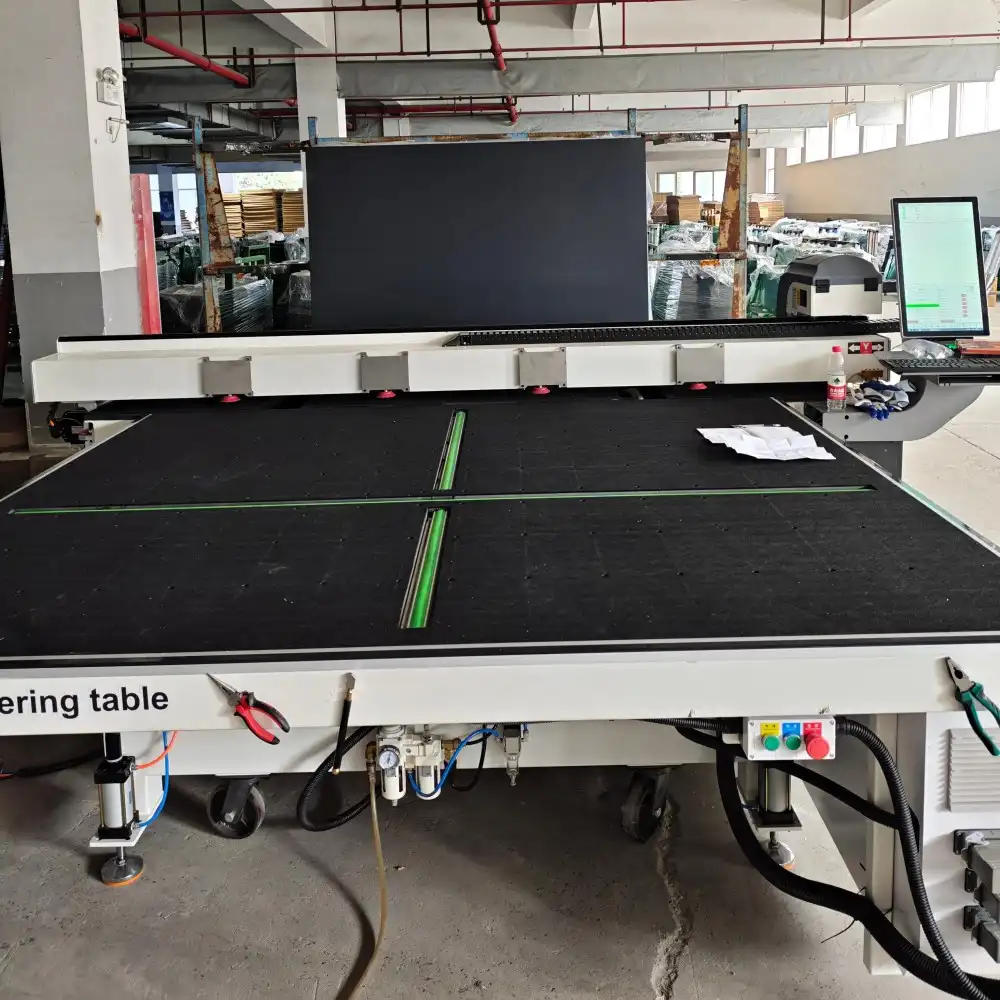
Typical modern equipment in this class includes air flotation systems for holding big glass sheets without scratching the surface, synchronous belt conveying for constant sheet alignment, and automated edge locating technology to accurately position the sheet prior to cutting.
Why Automation Matters in Glass Production
A 2022 industry assessment from Glass International found that factories that automated their loading process witnessed a 20-35% decrease in sheet breakage rates, as well as a substantial reduction in operator injury events. When you are considering the total cost of ownership for a new machine, these data are important.
Criteria to Consider When Choosing the Right GTM Glass Loading Machine
Not every machine is right for every factory. Forcing this choice might result in costly mismatches between equipment capabilities and production needs.
Match the Machine to Your Glass Size and Thickness Range
Always verify the maximum glass size that the equipment can handle. The Huashil HSL-YTJ3829, for example, accommodates glass up to 3,660 x 2,800 mm and cuts thicknesses from 2 mm to 19 mm, covering most uses for architectural and furniture glass without the need for a separate gtm glass loading machine to be dedicated to various product lines.
Evaluate Automation Level and Software Compatibility
The amount of operator input needed depends directly on the machine’s built-in software. The HSL-YTJ3829 uses Optima optimization software to automatically compute the best material-efficient cutting pattern. This cuts down on offcuts and minimizes raw material waste every manufacturing cycle.
Check Integration Fit with Your Existing Line
Your old cutting table, conveyor system, and downstream edging equipment must have a clean interface with a new loading machine. Check with the provider for a compatibility checklist before you buy. Machines such as the HSL-YTJ3829 include 360-degree remote-controlled walking capabilities, allowing for floor-level versatility and less time repositioning during format changes.
Comparing GTM Glass Loading Machines with Alternatives on the Market
Smaller companies still choose to use manual and semi-automated methods, although the performance gap with fully automated glass loading equipment is widening.
Manual Loading: Where It Falls Short
Manual loading is totally dependent on worker consistency. A fatigued operator will treat glass differently at the conclusion of a shift than at the beginning. This unpredictability produces variations in quality that automated pressure control removes. The HSL-YTJ3829 has automatic pressure management as standard and adjusts the clamping force according to the glass thickness in real time.
Semi-Automatic vs. Fully Automatic: A Practical Comparison
Semi-automatic machines still need an operator to start each loading cycle. Fully automated systems, like the HSL-YTJ3829, execute continuous loading sequences, which is important if your line is targeting 300+ sheets each shift. The key features that set fully automated loading machines apart are:
Automatic loading cycle removes operator dependency for each sheet, freeing workers for quality control or downstream tasks.
- An air flotation device lifts and supports huge glass sheets over the tabletop without contact friction, preserving coated and low-e glass from surface damage.
- Breaking table integration enables the machine to score and shatter glass on the same line footprint, decreasing the number of separate handling processes.
- The glass sheets are aligned by a synchronous belt conveyor during transfer, hence improving the cut precision at the next station.
- These benefits address the most prevalent production issues reported by plant managers: surface scratching, misplaced cuts, and extra manual handling at the loading station. A single equipment investment overcomes the four problems when moving to a fully autonomous system.
Certification and Compliance Standards
CE and ISO 9001 Certification: This glass loading machine has passed the safety and quality management certification for Europe. These certificates are a signal to the U.S. customer sourcing from outside the U.S. that the manufacturer has documented manufacturing and inspection procedures in place, which takes some risk out of making a first order.
Procurement Tips: How to Secure the Best GTM Glass Loading Machine Deal
Smart procurement protects your budget and your production timeline. These steps apply whether you are buying a single machine or a full line.
Request a Detailed Technical Specification Sheet
Before you ask for pricing, ask for the whole spec sheet. Please confirm: glass size range, cutting thickness, software version, kind of conveyor, power requirements, and space requirements. This phase also tells you whether the provider keeps updated paperwork, which will be an indicator of how structured their after-sales service will be.
Negotiate Around Total Cost of Ownership, Not Just Unit Price
Installation, operator training, availability of replacement parts, and response time on technical support calls all figure into what the equipment really costs over three to five years. A cheaper purchase with lengthy delivery of replacement parts might mean downtime costs greater than the cost of more expensive equipment with local parts supply.
Verify Payment Terms and Delivery Windows Early
The normal international conditions for equipment at this level are deposit plus balance on shipping or Letter of Credit for bigger purchases. Get lead time in writing before signing. If the U.S. market, indicate port of entry, local customs clearance, and whether the provider offers installation help on-site or remotely.
Maintenance and Efficiency Tips for Long-Term Performance
A glass loading machine that receives consistent maintenance delivers consistent output. Neglecting it creates problems that compound over time.
Daily and Weekly Checks That Prevent Downtime
Daily Check: clean air flotation nozzle; check synchronous belts for wear. Weekly: Check edge-finding sensor calibration. Bi-weekly: These tests take less than 30 minutes altogether and stop the bulk of the unexpected shutdowns.
Software Updates and Calibration Schedules
Sometimes Optima optimization software upgrades its algorithms for layout efficiency. Updating the program means you benefit from the latest material yield advancements. Re-calibrate the automated pressure control system after a large format change or after replacing a worn component.
When to Call the Supplier vs. Handle It In-House
Proper training allows for minor modifications to belt tension or sensor sensitivity to be done in-house. All work on the control board, motor drives, or software setup shall be performed via the manufacturer’s technical support channel. Huashil offers remote technical support, which means low resolution times even for U.S.-based clients far away.
Conclusion
Choosing the correct glass loading machine is a production choice, not a purchase decision. The correct equipment will cut down on breakage, minimize your labor expenses, and feed your downstream line regularly. The Huashil HSL-YTJ3829 has the capability to handle a wide variety of glass sizes and thicknesses, works on the proven Optima software, is CE and ISO 9001 certified, and has the automation capabilities that contemporary glass operations require. Comparing your production requirements against these before you approach suppliers will put you in a better negotiating position and make you less likely to have a costly mismatch.
FAQ
1. How long does a glass loading machine typically last?
With proper maintenance, a well-built glass loading machine lasts 8 to 15 years. Service life depends heavily on daily maintenance discipline, operating conditions, and how quickly worn components are replaced. Machines with quality synchronous belt conveying systems and air flotation components tend to hold calibration longer than older roller-based designs.
2. Can the HSL-YTJ3829 handle both thin and thick glass on the same line?
Yes. The HSL-YTJ3829 handles glass thicknesses from 2 mm to 19 mm. Automatic pressure control adjusts clamping force per sheet, so the operator does not need to manually reconfigure the machine when switching between product types during a shift.
3. What customization options are available for production lines?
Huashil offers OEM and ODM support for clients who need custom configurations. Line length, conveyor integration points, software settings, and table dimensions can all be adjusted based on your factory layout and production targets. Contact the Huashil team early in your project to discuss what modifications are feasible within your timeline.
4. Is CE certification enough for U.S. market compliance?
CE and ISO 9001 certification together indicate strong safety and quality management practices. For U.S. market entry, buyers should also verify that machine electrical specs match local power supply standards (voltage, frequency, phase) and confirm with their customs broker whether any additional local certifications apply to their specific state or application.
Contact HUASHIL for Your Next GTM Glass Loading Machine
HUASHIL has spent years producing automated glass processing equipment that plants across multiple countries depend on daily. The HSL-YTJ3829 is a proven GTM glass loading machine for sale to architectural glass fabricators, curtain wall integrators, and furniture glass producers in the U.S. market. Reach the HUASHIL team directly at salescathy@sdhuashil.com to request a technical specification sheet, production case study, or customized quotation.
References
1. Glass International. Automation Trends in Flat Glass Processing. 2022.
2. Glass Processing Technology Handbook. Society of Glass Technology, 2020.
3. Pilkington. Technical Reference Guide for Architectural Glass. 2021.
4. International Organization for Standardization. ISO 9001:2015 Quality Management Systems — Requirements. 2015.
5. European Machinery Directive 2006/42/EC: Safety Requirements for Industrial Equipment. European Commission, 2006.
6. Fabricator's Guide to Glass Cutting Line Selection and Integration. Glass Magazine, 2023.