




Hand-cutting glass by hand just can't keep up with the speed, accuracy, and regularity needed for modern glass operations. The purchase of an automatic glass cutter can completely change the way architectural glass plants, curtain wall makers, and furniture firms make things. These high-tech machines use digital control systems and special cutting heads to make complex patterns very accurately. This cuts down on waste while increasing output. Whether you're working with 2mm decorative panels or 19mm building glass, knowing how to use these methods correctly can make your business much more profitable and your products much better. This thorough review covers everything, from how to operate the machines to things you should think about when buying them. This way, you can be sure that the choices you make are well-informed and in line with your production goals and budget.
Understanding Automatic Glass Cutters: Operation and Benefits
Over the past ten years, the glass processing business has changed a lot. At the center of this change is automatic glass cutter technology. These tools take the place of human processes that require a lot of work with precise engineering, which gives the same results over thousands of cuts.
Core Components and Operational Mechanics
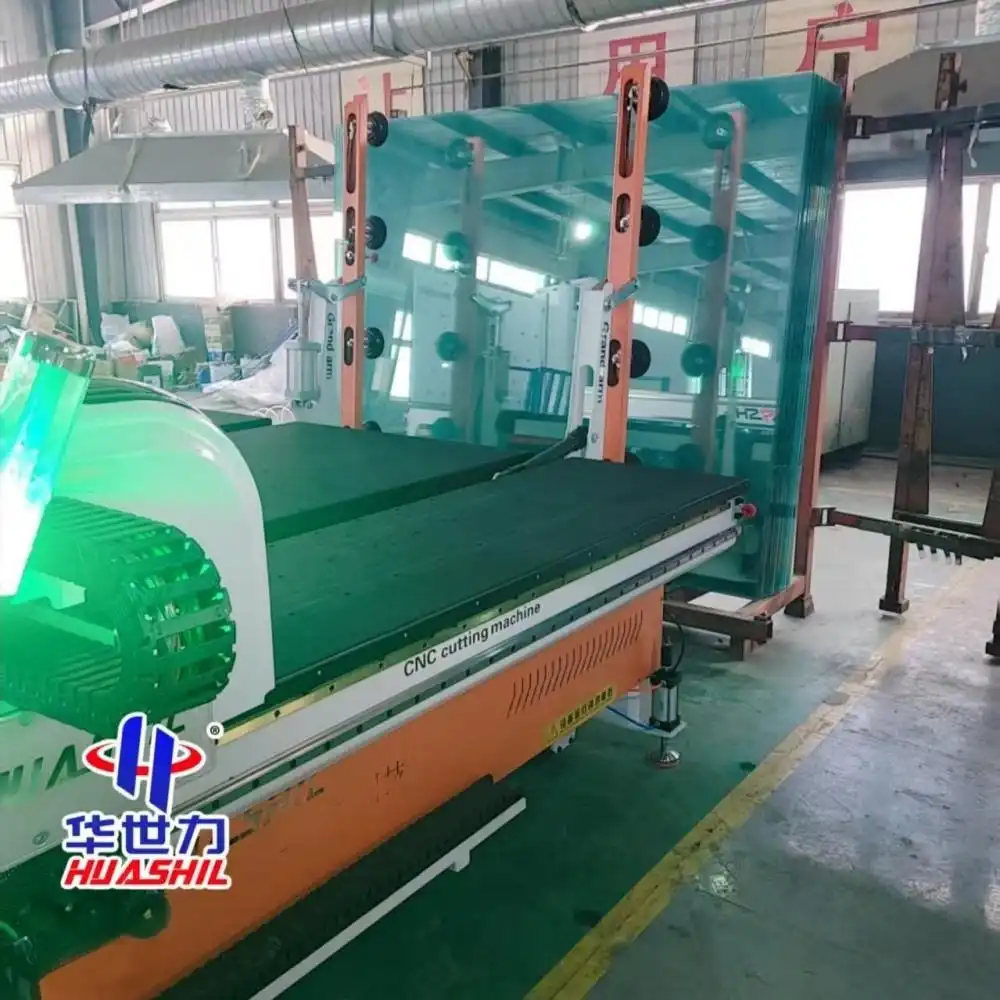
All sections of an automatic glass cutter system function together. Cutting heads with diamond-tipped wheels or carbide cutting slice glass, and servo motors put them every tenth of a millimetre. Optimisation software creates digital cutting patterns that CNC control systems translate into machine movements. Automatic edge-finding sensors link cutting tracks to glass edges in advanced versions. This eliminates human measuring errors.
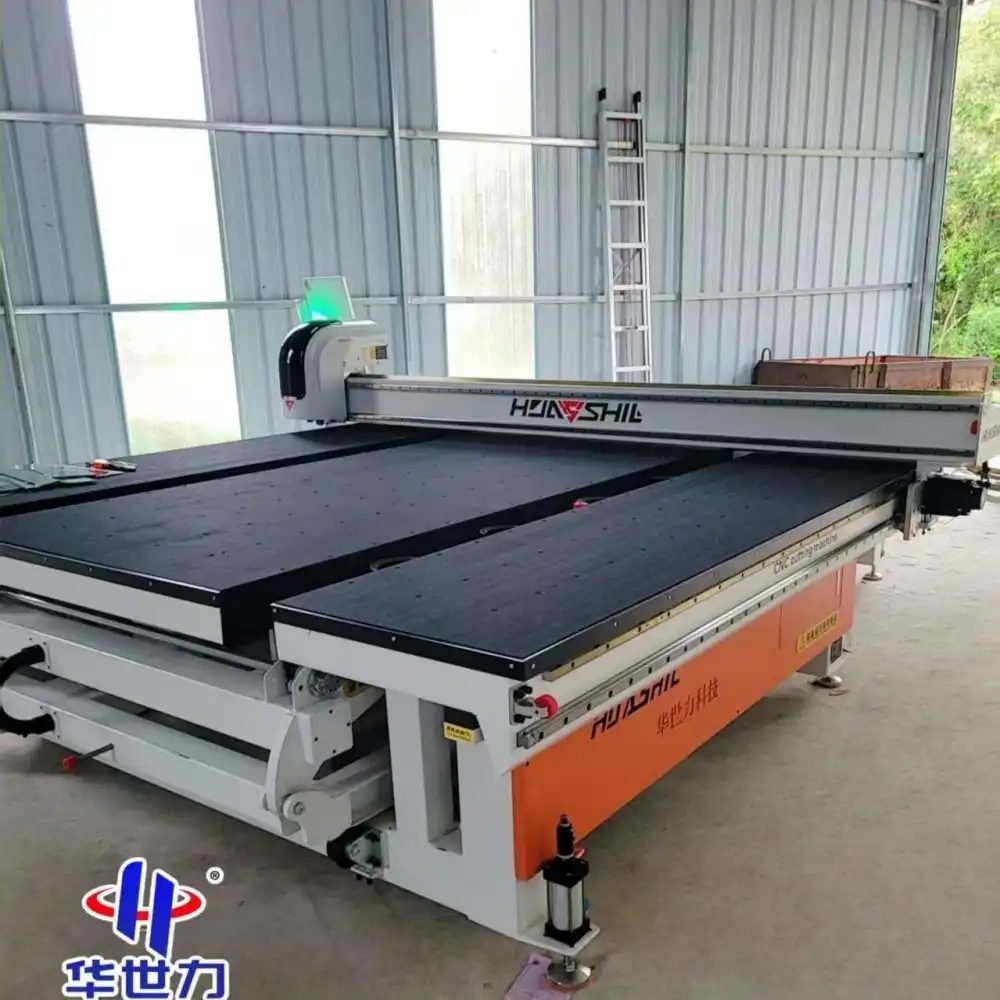
This combination works with 2mm to 19mm glass widths with the HSL-YTJ3829 model's automated loading and pressure control systems. Air flotation prevents processing surfaces from becoming scraped or polluted. The synchronised belt moving system maintains belt speed and direction to ensure material flow during cutting. These capabilities allow working with 3660 mm by 2800 mm glass sheets, a standard architectural and industrial dimension.
Quantifiable Advantages for Industrial Operations
Production managers must demonstrate that new tools will improve performance before buying them. Automation in cutting lines improves operations in measurable ways. Precision improves greatly. Hand cutting tolerances are typically ±1mm, whereas CNC-controlled systems maintain ±0.2mm. This precision reduces edge grinding time and improves assembly fit. Since millimeter-level gaps weaken curtain walls and pose aesthetic issues, this is crucial.
Throughput gains are equally impressive. Trained hand-cutters may perform 40–50 cuts per hour, depending on pattern difficulty. After pattern optimisation, automated systems cut 120–180 times per hour. Advanced stacking algorithms that determine cutting patterns to minimise waste increase material consumption by 8–15%. In a production year, these efficiency advantages pile up. At current market pricing, a factory that processes 200 tonnes of glass each month may save almost $45,000 a year on materials.
Technology Variations and Application Matching
The proper technology in the right workplace is crucial. Standard CNC cutting equipment can cut rectangular and basic forms for most building and furnishing tasks. These systems require mechanical scoring and human or semi-automated breaks. Advanced systems with automated breaking tables and 360-degree remote control are excellent for curving shower walls, ornamental glass designs, and high-volume repeating patterns.
Modern cutting lines use Optima optimisation software to optimise cutting designs for task demands and maximise material use. This program accounts for glass imperfections, leftover stock, and customer-specific tolerances to provide cutting plans that human planning cannot match. Plant managers should choose software that matches the difficulty of their duties and can be readily integrated with other ERP or production management systems.
Step-by-Step Guide: How to Use an Automatic Glass Cutter Safely and Effectively?
To use automatic glass cutter tools, you need to follow a set of steps that balance safety rules with output. Accidents can be avoided, machine wear can be reduced, and product quality can be maintained by following the steps in the right order.
Pre-Operation Preparation and Safety Verification
A common list checks for available tools and personal safety before cutting. The work area must have clean passageways without garbage or other obstacles that might impede glass removal. Check the emergency stop buttons for blockage. The entire process requires safety eyewear, non-cutting gloves, and steel-toed shoes.
Inspecting a machine starts with the cutting head. Check the cutting wheel for cracks or wear that might compromise cut quality. The wheel should revolve smoothly without sticking or shaking. Make sure that all pneumatic lines are at the manufacturer's recommended 6-8 bar pressure. Turn the air float mechanism on briefly to ensure uniform air distribution throughout the table.
Loading Glass and Executing Cutting Operations
Risks of manual handling are considerably reduced by automated lifting devices. Place your glass sheet on the loading rack with the edges aligned with the guidelines. If you enable automated loading, vacuum suction, or mechanical arms will transfer the glass onto the air floating table. The automated edge-finding function searches around the glass and creates reference points to align cutting patterns with the material.
Check the control screen cutting line after the system locates the glass. You can check for pattern rotation or measurement discrepancies in this preview before cutting. Start the cutting cycle and check the initial cuts for pressure and scoring depth. Correctly set up systems generate clear score lines without noise or glass bending.
Post-Cutting Procedures and Maintenance Protocols
After cutting, the breaking table separates scored pieces with controlled pressure along the score lines. The HSL-YTJ3829's breaking table supports both sides of the score and exerts an accurate downward force. Few micro-cracks result from clean breakage. Test the initial parts' breakage. Smooth ends and little chipping are good breaks.
Even if automated methods make it easier, carefully unload finished objects. Sharp edges are dangerous until ground or stitched. Stage cut parts in certain regions to prevent accidental contact and make them easy to carry to the next processing station.
Troubleshooting Common Operational Issues
Even well-maintained equipment breaks down. Not straight or complete score lines indicate worn cutting wheels or insufficient pressure. Change the cutting wheel and test it on scrap metal before making it again. If the problem persists, wipe the glass and remove any coatings that might impede scoring.
Sensor contamination or calibration change usually causes edge-finding issues. Clean the optical sensors using the correct products and recalibrate them per the system's instructions. Air float issues like not enough lift or uneven air distribution are mainly caused by blocked table surface air holes or compressor pressure variations. Clean the air apertures regularly and ensure the compressor output satisfies system demands.
Comparing Automatic vs Manual Glass Cutters for B2B Procurement Decisions
Choosing the right equipment can affect output capacity, product quality, and the company's ability to compete in the long run. Procurement teams can suggest solutions that are in line with long-term business goals when they know the practical and financial trade-offs between manual and automatic glass cutter methods.
Performance and Scalability Considerations
Manual cutting tools are ideal for small firms and speciality producers who make few goods since they are easy to use and inexpensive. An experienced user with a decent mobile cutter can create fine cuts, and the electronics aren't difficult, so errors are rare. But humans have tight usage constraints. The number of operators affects output, and training and supervising several operators to maintain quality is difficult.
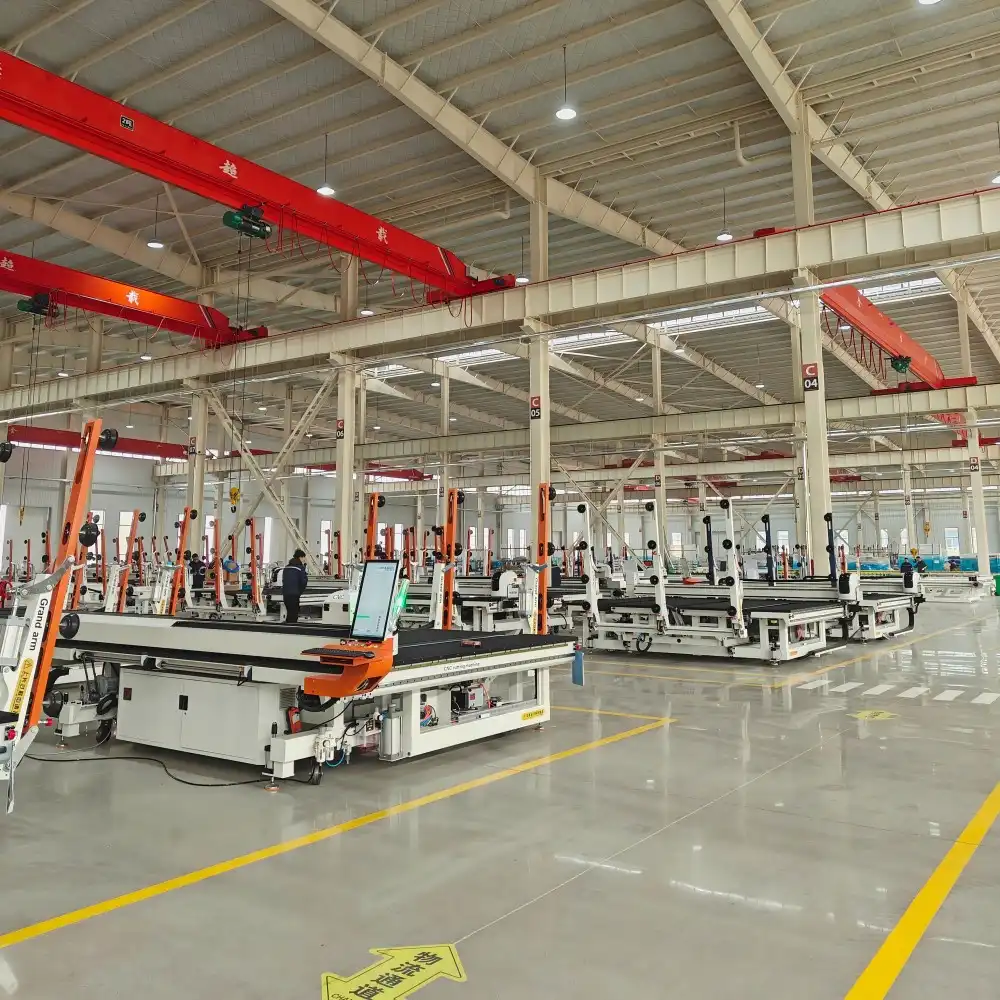
Automated procedures change this equation. The initial capital requirement—$50,000 to $200,000, depending on features and configuration—requires careful planning and financial justification. These technologies can manage more work without recruiting additional workers once set up. One person can manage numerous tools, and quality remains consistent regardless of shift or fatigue. Automation is inherently scalable, which helps in developing or expanding facilities.
Total Cost Analysis and ROI Projections
When you buy something responsibly, you should think about more than just the price. Consider the total cost of ownership over the equipment's useful life. Over time, manual cutting procedures cost more than they cost to acquire. The biggest expense is hand cutting, which a medium-sized corporation would spend $120,000–$180,000 on at current U.S. wages. A 200-ton-per-month manufacturer wastes $30,000–$50,000 due to inadequate cutting and plan patterns.
Automated systems flip this structure. An excellent $150,000 CNC cutting line saves $75,000 to $95,000 a year by reducing effort and optimising supplies. In 18–24 months, simple payback projections demonstrate that the instruments' cost will be repaid. Automation saves money, allows you to bid on bigger contracts, and works with tighter tolerances than humans. This expands revenue streams and accelerates ROI.
Decision Framework for Equipment Selection
Plant managers and expert purchasers benefit from organised equipment comparisons. The volume of output drives decisions. Human techniques may be cheaper for businesses that handle fewer than 30 tonnes of products a month or extremely varied orders. Automation, such as with a china glass cutting machine, is typically a solid idea when monthly production exceeds 50 tonnes, and the pattern is repeatable.
Product complexity matters too. Simple rectangular cuts for standard window sizes work well with hand tools, although automation is useful. Automated procedures are excellent for complex shapes, strict tolerances, and many products. Look at your typical jobs. Automating tasks with more than 40% complex patterns or ±0.5mm precision is a viable alternative.
Procurement Guide: Buying an Automatic Glass Cutter for Your Business
To buy equipment, you need to pay attention to technical specs, evaluate suppliers, and contract terms that protect your investment and make sure you get the automatic glass cutter on time and with good support.
Evaluating Technical Specifications Against Requirements
Know what you need for operations before buying. The largest glass your facility can hold determines the minimum table size. Give yourself 200 mm extra room than your largest item for positioning and handling. It's crucial that your tools can handle your thinnest and heaviest glass without additional machinery.
Marketing documents sometimes provide cutting speed specs, but these must be evaluated cautiously. Manufacturers frequently mention a maximum speed for straight cuts on the finest materials. Request realistic cutting times for typical product mix forms. A machine that claims to cut 60 meters per minute may only cut 35 to 40 meters per minute on difficult patterns due to acceleration, slowness, and direction changes.
Supplier Selection and Support Infrastructure
CE and ISO9001 certifications ensure production safety and quality. This is crucial for U.S. buyers of foreign equipment. These licenses demonstrate a company's compliance but don't guarantee performance or reliability. Ask for client samples from your industry and contact them to gain an honest assessment of your performance and customer service.
After-sales support infrastructure affects long-term equipment satisfaction. Explain the warranty duration and parts and services covered. Check the specifics for fast-wearing elements like cutting wheels and belts in standard contracts, which normally last 12–18 months. Ask your vendors about technical support and replacement part delivery times. New part delays can break expensive equipment and disrupt operations.
Structuring Agreements to Protect Your Investment
Most capital equipment payment terms involve deposit systems that balance buyer risk management and supplier production finance. The majority of agreements require 30–40% payment when the order is confirmed, 60% when the equipment is shipped or delivered, and 10% after it is installed and tested. Bank fees increase the cost of letters of credit, which safeguard both parties in overseas transactions.
Contracts should specify delivery dates. Standard tools arrive in 8–12 weeks; special configurations or strong demand might take 16–20 weeks. Include penalties for excessive delays that cease operations. In contrast, early delivery incentives can speed up tool supply when time is critical.
Maximizing Performance and Safety in Automated Glass Cutting
To get the best results from automatic glass cutter equipment, you need to keep an eye on its working settings, safety rules, and new technologies that can add to its value.
Advanced Operating Methods for Difficult Needs
Before processing tough materials or designs, you should know more about the machine's settings than how to use it. Changing the cutting speed optimises different kinds of glass. Tempered glass needs faster scoring to avoid stress breakage, but layered glass needs slower scoring to score all interlayers. Before working on customer orders, explore alternative speeds on waste material when you encounter new glass.
The breaking pressure adjustment greatly affects edge quality. Without enough pressure, breaks must be hand-finished. Microfractures propagate into usable glass when pressure is too high. Automatic pressure control in modern systems like the HSL-YTJ3829 reduces human calibration. However, workers should know how to accommodate for uncommon materials or quality issues.
Comprehensive Safety Programs and Operator Training
Comprehensive safety programs handle cutting glass dangers. Guarding prevents persons from touching, cutting heads, and damaging parts while the machine is running. Even if it slows down operations, keep guards in place and work, and never bypass safety interlocks. Check the emergency stop buttons weekly and arrange them so that all standard user positions can reach them.
Beyond machine operation, operator training should incorporate glass handling safety, danger awareness, and emergency response. Correct lifting procedures avoid back injuries when handling huge glass sheets. Choose cut-resistant gloves carefully to avoid edge contact injuries. Bulky gloves limit dexterity and increase accident risk. Annual refresher training enhances safety awareness and introduces new methods or equipment.
Emerging Technologies and Future-Proofing Investments
Glasswork is always evolving, and new technology provides early adopters with an edge. Digital integration is popular. More equipment is connected to facility networks, allowing you to monitor productivity, acquire preventative repair suggestions, and link to ERP systems. These features make operations more transparent and help make tool use and repair scheduling decisions based on data.
Artificial intelligence is appearing in automatic glass cutters. AI-driven vision systems can detect glass faults that people notice and automatically modify cutting patterns to avoid them. Old cutting data is analysed by machine learning algorithms to discover minor trends that predict equipment failure. This prevents unplanned downtime with proactive maintenance.
Conclusion
In conclusion, automatic glass cutter technology has transformed architectural, automotive, and ornamental glass manufacturing. This evaluation provides a step-by-step method to enable plant managers, technical buyers, and production directors to choose equipment. Starting with operational fundamentals and ending with performance improvement. Modern technologies like the HSL-YTJ3829's fine control and beneficial features like automated loading and edge-finding make operations go smoothly. To replace old manual processes or increase automation, you must make sure the equipment fits your production needs, that you have strict safety rules, and that you work with suppliers who provide reliable technical support throughout the equipment's lifecycle.
FAQ
Q1: What glass thicknesses can automatic cutting machines handle?
Modern automatic glass cutter systems can handle glass thicknesses ranging from 2 mm for decorative and mirror uses to 19 mm for architectural uses, which is often used in industrial curtain wall installs. The HSL-YTJ3829 works with all of these thicknesses because it has automatic pressure control that changes the cutting force based on the thickness of the material. Ultra-thin glass, less than 2 mm thick, needs special handling tools, and glass thicker than 19 mm might need heavy-duty cutting lines just for that. Check your usual thickness spread when you're choosing tools to make sure they can handle all of your products.
Q2: How long does training take for new operators?
For full operator training, you usually need three to five days of classes that combine theory with hands-on practice. It only takes about one to two days to learn how to do basic tasks like loading glass, starting automatic cutting rounds, and unloading finished pieces. The timeline gets longer because of more advanced training that includes pattern optimization software, troubleshooting steps, and upkeep routines. If you already know how to use CNC tools or work with glass, you can learn faster. Allow about two weeks for new workers to get comfortable with handling regular production tasks on their own, without being supervised.
Q3: What maintenance schedule should facilities follow?
Daily maintenance includes cleaning the air float table, removing glass debris, and checking cutting wheels for wear. Weekly oiling and emergency stop testing are required for linear guide rails. A monthly maintenance schedule inspects all moving parts, checks pneumatic system pressure, and tests cut accuracy using reference pieces. Trained technicians check alignment, update the control system, and fix worn parts before they influence productivity once a year. When these strategies are executed, facilities frequently have 95% or more of their technology functioning for lengthy periods.
Partner with HUASHIL for Superior Glass Cutting Solutions
Every automatic glass cutter that HUASHIL makes is the result of decades of engineering know-how and top-notch production. Our HSL-YTJ3829 model combines high-tech automation features like automatic loading, edge-finding, and pressure control with reliable functionality that keeps production lines running smoothly. Our CE and ISO9001 certifications show that we are committed to quality standards that meet international standards. Additionally, our full expert support ensures that your team gets the most out of the equipment for as long as it is in use.
To talk about your glass cutting needs, email our sales team at salescathy@sdhuashil.com. We'll give you full technical specs, answer your questions about how our equipment can work with your current production systems, and set up demos of what it can do. Allow HUASHIL's tried-and-true automation technology and quick-response support systems to help your business reach the level of speed and accuracy needed in today's tough glass processing market.
References
1. Glass Manufacturing Industry Council. (2023). Automated Glass Processing Technologies: Performance Standards and Best Practices. Industrial Glass Technical Publications.
2. Zhang, H., & Morrison, P. (2022). "Comparative Analysis of CNC Glass Cutting Systems in Architectural Applications." Journal of Manufacturing Systems and Technology, 18(3), 145-162.
3. Thompson, R.L. (2023). Total Cost of Ownership in Glass Fabrication Equipment: A Procurement Guide for Plant Managers. Industrial Equipment Publishing Group.
4. American Glass Association. (2022). Safety Standards for Automated Glass Cutting Operations: Training and Compliance Guidelines. AGA Technical Standards Committee.
5. Liu, S., Chen, W., & Anderson, K. (2023). "Machine Learning Applications in Predictive Maintenance for Glass Processing Equipment." International Journal of Production Engineering, 41(2), 278-294.
6. National Glass Processing Conference Proceedings. (2023). Emerging Technologies in Glass Cutting Automation: Industry Perspectives and Future Trends. Conference Technical Papers, Volume 29.