




If you manage a glass fabrication plant or run a curtain wall production line, you already know how costly glass damage and slow retrieval can be. An intelligent glass storage system addresses those pain points directly — but the upfront investment raises a fair question: does it actually pay off? In this article, I break down the real cost components, walk through how ROI is measured, and show you when this technology makes financial sense for your operation.
Understanding Intelligent Glass Storage Systems and Their Cost Components
It is helpful to have a clear idea of what you want to get before you start looking at costs. In addition to a rack, an automated glass storage system consists of a number of other components. Keeping track of glass goods does not require a significant amount of effort from individuals since it is a comprehensive system that includes hardware, software, sensors, and mechanical recovery.
Hardware and Installation Costs
A number of components, such as motorised storage frames, glass clamping systems, conveyor connections, and safety monitors, are located on the outside. The expenses of installation are determined by the size of the building as well as the layout of the structure. It costs between fifty percent and seventy-five percent of the entire price of an architectural glass plant in the United States to acquire and set up the plant initially.
Software, Training, and Commissioning
The software that controls the system ensures that the information is verified in a timely manner, positioned appropriately, and stored securely. It is necessary to teach and commission the user, which results in an increase in the initial cost; however, each of these steps only has to be completed once. Typically, the majority of suppliers provide fundamental instruction as part of the package. Depending on the agreement that was made with the provider, longer training programs could have a higher price tag.
Ongoing Operational Expenses
The costs associated with maintenance, software updates, energy consumption, and additional parts will be included in your continuing expenses beyond the go-live date. According to information obtained from the sector, the cost of repairing autonomous storage equipment once a year ranges from two percent to five percent of the price at which it was purchased. The costs remain the same, and they are far lower than the amount of money that would be required to engage individuals to move glass by hand.
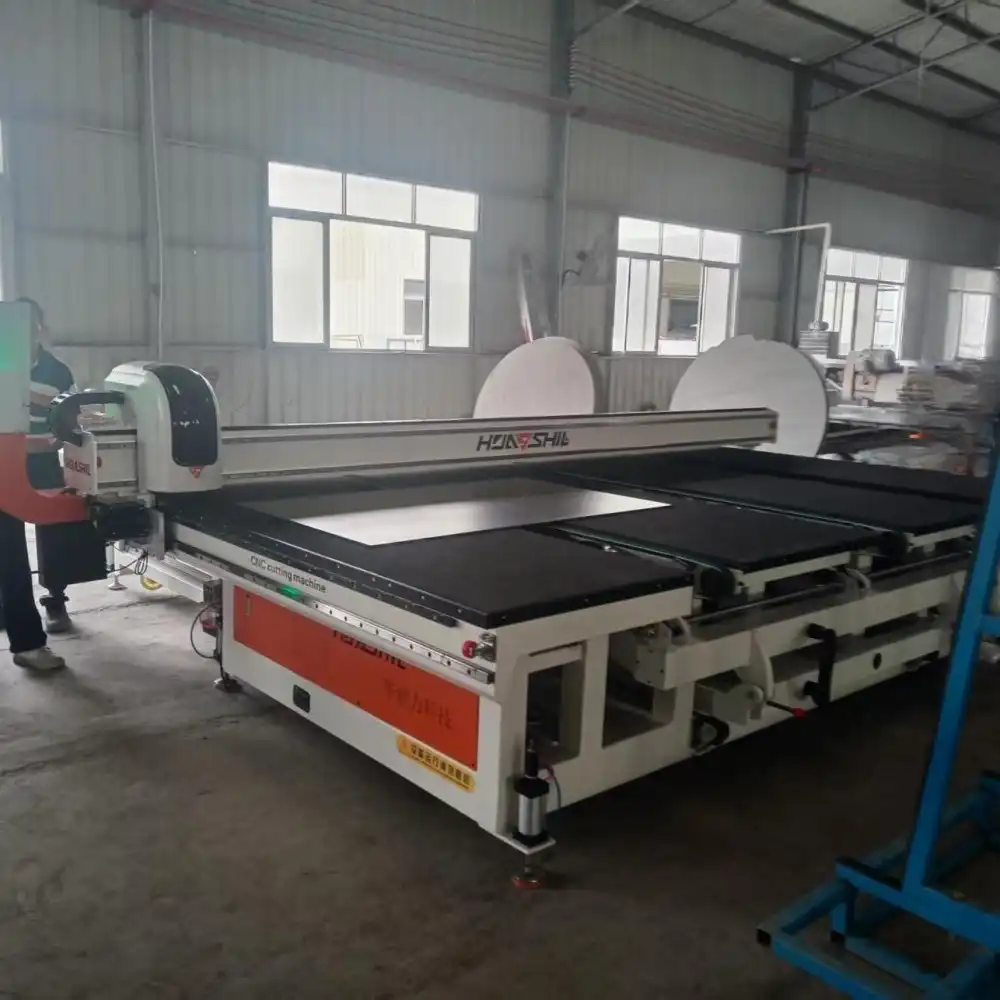
ROI Analysis: Measuring the Value of Intelligent Glass Storage Systems
The sticker price is the primary emphasis of many plant managers; however, the most compelling financial argument resides in the amount of money that the system saves you over time.
Labor Cost Reduction
A properly constructed automated glass rack system considerably cuts down on the number of processes that need human handling. Before engaging in procedures such as edge grinding, tempering, or hollow glass assembly, the number of personnel required for sorting, retrieval, and staging is expected to decrease. It is possible for labour savings alone to account for thirty to forty-five percent of yearly operating cost reductions in high-volume plants.
Reduced Glass Breakage and Waste
During physical handling, glass might shatter, which is an issue that is not only expensive but also concealed. Breakage rates may be reduced with the elimination of human error at the point of handling through the use of an automated retrieval system with precise placement. When it comes to high-value architectural or curtain wall glass, even a yield increase of one to two percent may result in noticeable savings on a monthly basis. This is because lower defect rates indicate better yield.
Faster Production Cycles
The system supports intelligent delivery — meaning glass panels move from storage to the next production stage with minimal delay using an intelligent glass storage system. Rapid inspection and smart classification reduce wait times between processes such as film sorting, film matching, and storage before hollow processing. Faster cycle times increase throughput without adding headcount.
Comparing Intelligent Glass Storage Systems with Traditional Solutions
Let me be direct: traditional A-frame racks and manual carts are cheap to buy but expensive to operate at scale.
Total Cost of Ownership Over 5 Years
When you calculate total cost of ownership across five years, manual storage carries hidden expenses: higher labor hours, more frequent breakage, larger floor space requirements, and slower order fulfillment. Automated systems require more capital upfront but lower operational spend year over year. Most glass fabricators report full payback within 18 to 36 months, depending on production volume.
Safety and Compliance Advantages
Manual handling of large glass sheets is one of the higher-risk tasks in a fabrication plant. Automated storage systems include built-in safety locks and sensors that protect both operators and glass panels. Reducing workplace injuries lowers insurance costs and supports OSHA compliance — factors that matter to plant managers and finance teams equally.
Integration with Production Line Workflows
Unlike traditional storage methods, an automated glass storage system connects directly with upstream and downstream equipment. It fits into production lines designed for architectural glass, hollow door and window glass, and specialty glass — acting as a buffer and sorter before tempering, edge grinding, or hollow processing stages. That kind of integration is simply not possible with manual racks.
Factors Influencing Cost and ROI in Different Business Scenarios
Not every facility has the same needs, and cost-benefit outcomes vary based on several operational factors.
Production Volume and Glass Type
High-volume plants processing architectural glass or curtain wall panels see faster ROI because the system runs at full capacity more often. Smaller operations — like furniture glass or shower door producers — may benefit more from modular configurations that match their scale without overbuilding.
Customization Requirements
Some applications require specific handling for coated glass, oversized panels, or irregular shapes. Customization adds to initial cost but improves performance for those exact use cases. Here are the primary configuration variables that affect pricing:
- Glass size range and weight capacity — systems handling heavier or larger panels require stronger structural components.
- Number of storage positions — directly impacts floor area and mechanical complexity.
- Integration depth — connecting to existing ERP or production management software adds engineering cost but reduces manual data entry.
- Environmental controls — climate-sensitive glass storage adds cost but prevents surface degradation.
These variables mean that two plants of similar size can receive very different quotes. Getting a specification-matched proposal is essential before making any budget decision.
Phased Implementation Options
Plants that cannot commit to a full line installation at once can often phase the project with an intelligent glass storage system. Starting with storage and retrieval automation before adding full intelligent classification gives teams time to train, adjust workflows, and validate ROI before the next capital cycle.
Best Practices for Maximizing ROI and Reducing Total Cost of Ownership
Simply having the approach is not sufficient on its own. Whether you reach your payback objective will be determined by how well you continue to run and take care of it.
Preventive Maintenance Schedules
In the beginning, you should establish a timetable for conducting inspections on a monthly basis. By performing routine maintenance on mechanical components, calibrating sensors, and installing new software versions, you may prevent unanticipated periods of downtime from occurring. In the event that suppliers provide remote diagnostics and replacement parts programs, the likelihood of production being halted is reduced.
Operator Training and Process Alignment
In order for systems to function at their best, the people who use them need to have a solid understanding of how the tools and the process operate. During training, participants should learn how things regularly function, how to solve simple difficulties, and how to behave when making errors. Once the installation is complete, these things always help things function more adequately:
- Instead of having just one point of contact, there should be a structured onboarding process for all shift operators.
- The documentation of standard operating procedures in terminology that is particular to the plant.
- In the event that new glass kinds or software upgrades are implemented, regular training refreshers are required.
- In order to reduce the amount of time needed to resolve technical problems, clear escalation pathways should be established.
All shift operators may be assisted in establishing themselves in an organised manner by more than one individual. The standard operating procedures are included in these documents, which are written in terminology that is unique to the plant.
Supplier Partnership and After-Sales Support
Consider selecting a service provider that has a proven track record of automating glass and a well-defined strategy for how they will assist you once the transaction has been completed. When you sign a contract, you should make sure that you have a written copy of the warranty, the wait periods for additional parts, and the methods in which you may access technical help to support your purchase. When you are truthful with your provider, you reduce the risk that you face over the long run.
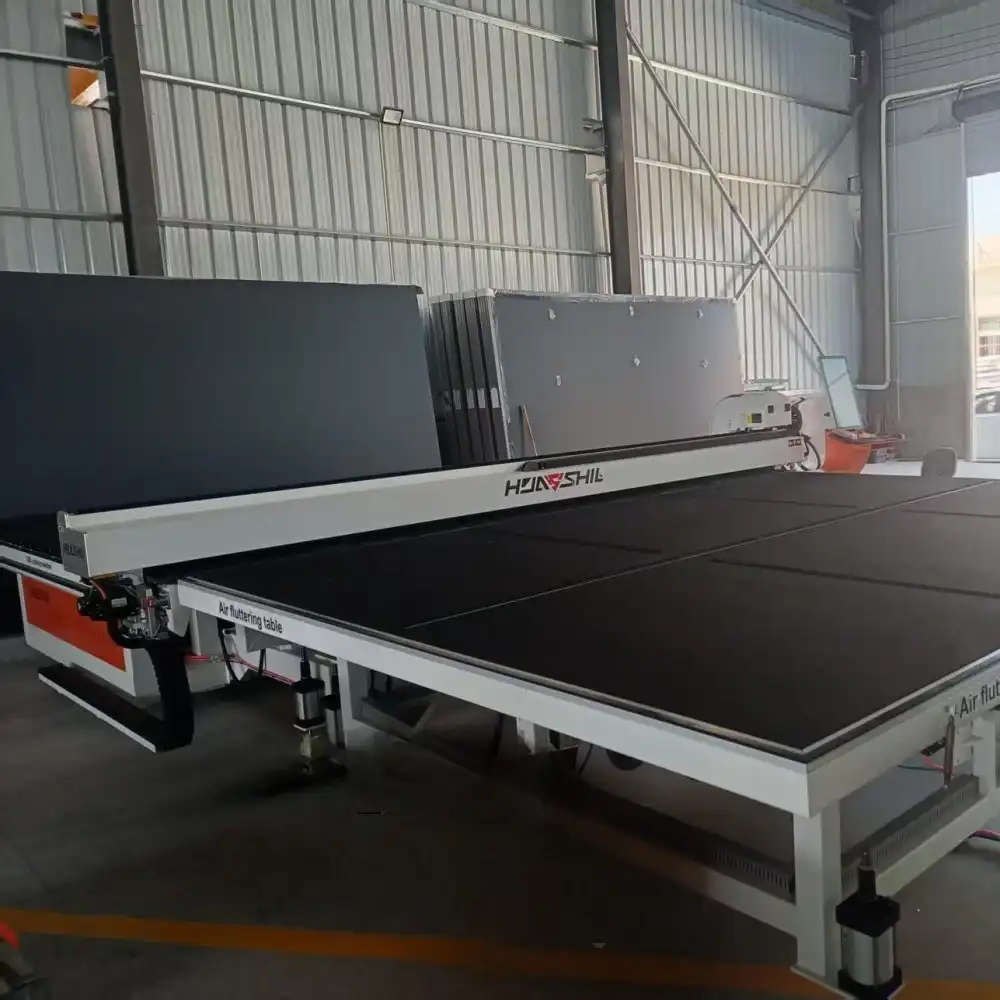
Conclusion
If you want to buy an automated glass storage system, you should carefully consider not only the price, but also all the costs and the money you will get back. Investing in an intelligent glass storage system is always a good idea for plants because it saves money on labor, breaks down less often, speeds up production, and needs less long-term maintenance. It's important to make sure that the system specs match what you need for production and that the seller will be helpful after the sale. It's clear that smart glass storage can help you save money if you get the right setup and partner.
Frequently Asked Questions
1. What is the typical payback period for an automated glass storage system?
Most glass fabrication plants in the U.S. recover their investment within 18 to 36 months. Payback speed depends on production volume, current labor costs, and glass breakage rates before installation.
2. Are there hidden costs I should watch for?
Yes. Watch for costs related to facility modifications, electrical upgrades, software licensing fees, and extended training beyond the standard package. Request a full project cost breakdown from your supplier before signing.
3. Can the system handle different glass types and sizes?
A well-designed system accommodates architectural glass, hollow door and window glass, coated panels, and specialty shapes. Configuration is customized to your product range — confirm this during the technical review phase.
4. How difficult is installation and integration?
Installation complexity depends on your existing production layout. Most projects are completed within a few weeks for single-unit setups. Full line integrations take longer and require coordination between your engineering team and the supplier.
Get a Custom Cost and ROI Estimate from HUASHIL — Intelligent Glass Storage System Supplier
HUASHIL knows a lot about how to make automatic glass processing tools. For example, they make an intelligent glass storage system for companies that make architectural glass, curtain walls, and glass for furniture. HUASHIL has been shipping for a long time and has a history of stable, factory-grade gear. They have glass storage options that can be changed to fit your production scale and type of glass. These options include quick inspection, precise placement, safe storage, and smart shipping.
Get in touch with us right away to get a full technical proposal and return on investment (ROI) analysis made just for your building. You can email our team at salescathy@sdhuashil.com to learn more about our products and read case studies.
References
1. Modern Materials Handling — Automation ROI in Industrial Storage Systems, 2022
2. Glass Magazine — Trends in Architectural Glass Processing and Automation, 2023
3. Manufacturing Engineering — Total Cost of Ownership in Capital Equipment Procurement, 2021
4. International Journal of Production Economics — Labor Reduction and Yield Improvement Through Automated Storage and Retrieval Systems, 2020
5. Plant Engineering — Preventive Maintenance Strategies for Automated Manufacturing Equipment, 2022
6. Occupational Safety and Health Administration (OSHA) — Material Handling Safety Standards in Glass and Construction Industries, 2021