




Anyone in charge of a glass fabrication factory or curtain wall manufacturing line is no stranger to the expense of mismanaged glass. An intelligent glass storage system is an automated method to store, sort, retrieve, and transport glass sheets with accuracy — decreasing breakage, lowering labor expenses, and freeing up floor space. “U.S. manufacturers are demanding leaner operations, and this technology is now becoming a standard part of modern glass processing lines, not a luxury upgrade.”
Understanding Intelligent Glass Storage Systems
What It Actually Does
An automated glass storage system is basically a machine-controlled handling system that takes over the human racking and sorting. Each glass sheet is scanned on entry and stored in a slot depending on the task sequence or processing step, then selected when needed. That’s the whole cycle from raw sheet input, edge grinding, tempering prep, pre-hollow storage, film sorting, and film matching.
Core Technology Components
This is based on barcode or QR scanning for fast inspection, servo-powered carriers for precise placement, and a central control unit for classified storage and intelligent distribution. These components work together to monitor each sheet in real time, so your team always knows what is in stock, where it is, and when it is due for the next process step.
How It Differs from Conventional Racks
Standard glass storage racks are passive – you load the sheets by hand, and you remove them by hand. Glass storage racks are crucial to avoid scratches and breakage. But they are 100% dependent on human precision. That physical protection is augmented by intelligent technology that provides automated identification, location tracking, and retrieval sequencing that avoids sorting mistakes and accelerates workflow between manufacturing stations.
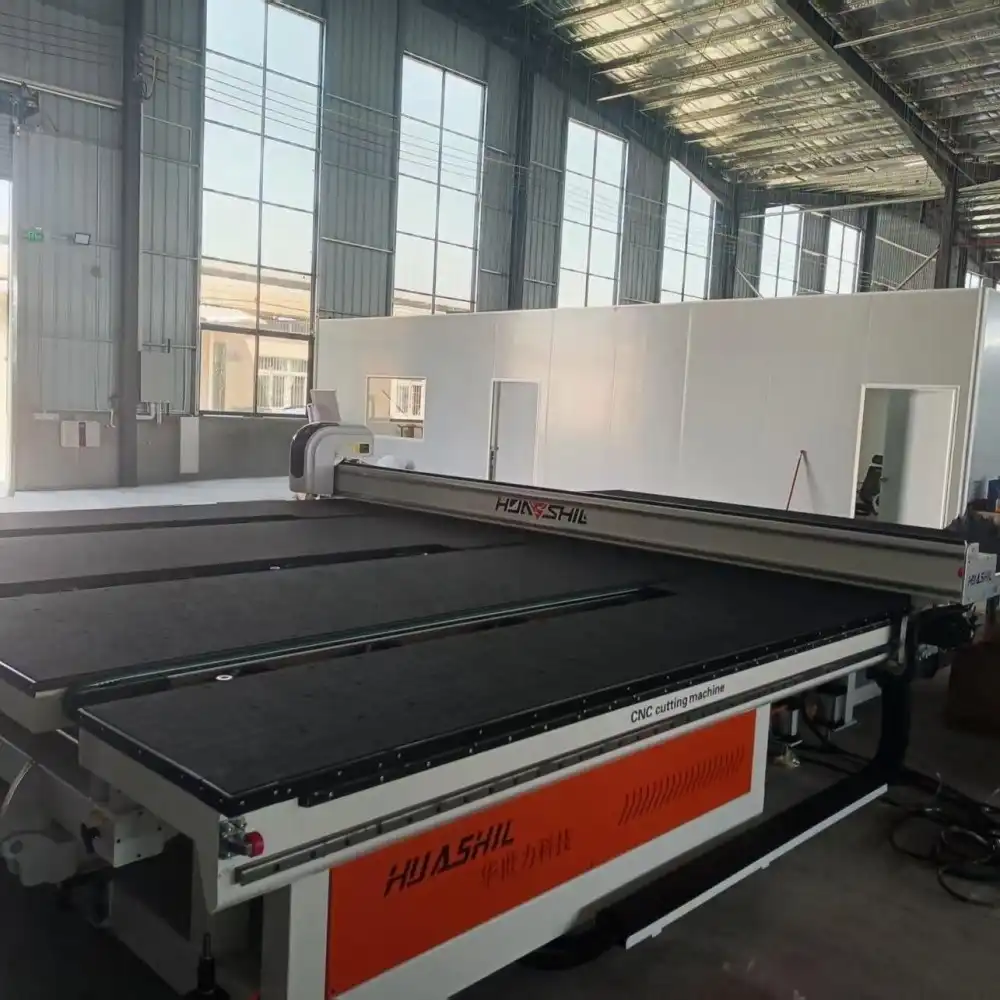
Benefits and Applications of Intelligent Glass Storage Systems
Efficiency and Yield Gains
The whole intelligent glass storage system removes human handling linkages and categorized storage processes, directly improving efficiency and yield. Industry statistics from the Glass Association of North America show that human handling accounts for as much as 30% of glass breakage incidents in mid-size facilities. Eliminating such contact points has a demonstrable influence on scrap rates and throughput.
Here are the main operational benefits this system provides:
- Less manual intervention: Automatic retrieval and delivery reduce the number of times operators physically contact each sheet, decreasing the likelihood of damage and the number of labor hours each shift.
- Accurate placement and speedy inspection: Barcode scanning at input checks the glass specifications instantaneously, and the technology sends each sheet to the right slot without relying on human judgment.
- Intelligent classified storage: The control software organizes sheets by task order, size, thickness, or processing stage — so tempering batches, hollow glass pre-assembly sets, and film-matched pairs are always available when the downstream station asks for them.
- Space optimization: By stacking sheets in a regulated high-density arrangement, the system reduces the floor area taken up by semi-finished items – a particular benefit for businesses where shop floor space is restricted.
These benefits directly address the production constraints that plant management and engineering teams encounter on a regular basis. If retrieval is automated and storage is categorized by process step, the whole line will move quicker with fewer workers.
Industry Applications
The system is designed to cover a variety of glass manufacturing settings. It handles architectural glass for doors, windows and curtain walls, hollow insulating glass units before final sealing, and specialist items including shower doors, furniture glass and decorative panels. It may also assist film sorting and film matching activities where the right sequence of coated or laminated glass sheets is important to the quality of the end product.
Trends Shaping the Future of Intelligent Glass Storage Systems
IoT and Real-Time Data Integration
Modern glass storage automation is connected to the plant-level software via IoT protocols. Sensors provide real-time information on storage, frequency of retrieval, and use of slots. This data is sent into the ERP and MES, providing the production director with a current picture of the WIP inventory without having to do a manual count.
AI-Driven Scheduling
High-output facilities are starting to see AI-based scheduling solutions. These technologies examine the order queues, machine availability, and glass batch characteristics to pre-sort storage assignments before the start of a shift. The outcome is reduced disputes in retrieval and a better flow of material between cutting, edging, tempering, and assembly stations.
Modular System Expansion
The industry is trending toward modular designs, allowing facilities to initially use a single storage unit and scale with order quantities. This method minimizes the entry cost and makes it simpler for procurement teams to secure budget clearance for an initial installation, knowing that the intelligent glass storage system can grow without a complete replacement.
Comparing Intelligent Glass Storage Systems with Traditional Storage Solutions
Capacity and Floor Space
In traditional glass storage racks, the density is fixed: you have as many sheets as the rack can store, and the rack is static. An automated system utilizes the vertical space more aggressively and can rotate or sequence sheets without increasing the footprint. Switching plants estimate a 20-40% reduction in floor space for their WIP storage spaces.
Labor and Error Rates
Using manual retrieval from static racks, workers must read job cards, find the right sheet, and transfer it by hand or using a suction lifter. Common misidentification. The manufacturing order asks for a certain sheet. An automated retrieval system retrieves the sheet and confirms the pick by scan. That gets error rates near nil.
Total Cost of Ownership
The initial cost for glass storage automation is more than ordinary racks. But when you take into account the reduction in worker hours, lower breakage rates, and quicker order fulfillment, the ROI calculus generally favors automation within two to four years for mid-to-large production volumes. For procurement managers needing to make a business case, the best proof is to monitor breakage costs and labor hours before and after installation.
Procurement Guide: How to Choose and Buy an Intelligent Glass Storage System
Define Your Production Requirements First
Before you approach any intelligent glass storage system provider, make a note of your existing throughput, the range of glass sizes, the maximum weight of sheet, and at which process steps you are experiencing storage bottlenecks. This information allows a vendor to properly size the system and to recommend a configuration that fits your particular process, not a generic template.
Evaluate Supplier Capabilities
Look for a manufacturer experienced in glass processing automation, not simply material handling in general. And the key questions are: Does the system manage your thickest and biggest glass formats? Is the control software connected to your current MES or ERP system? What is the typical warranty duration, and how fast can you get replacement parts at your location in the US?
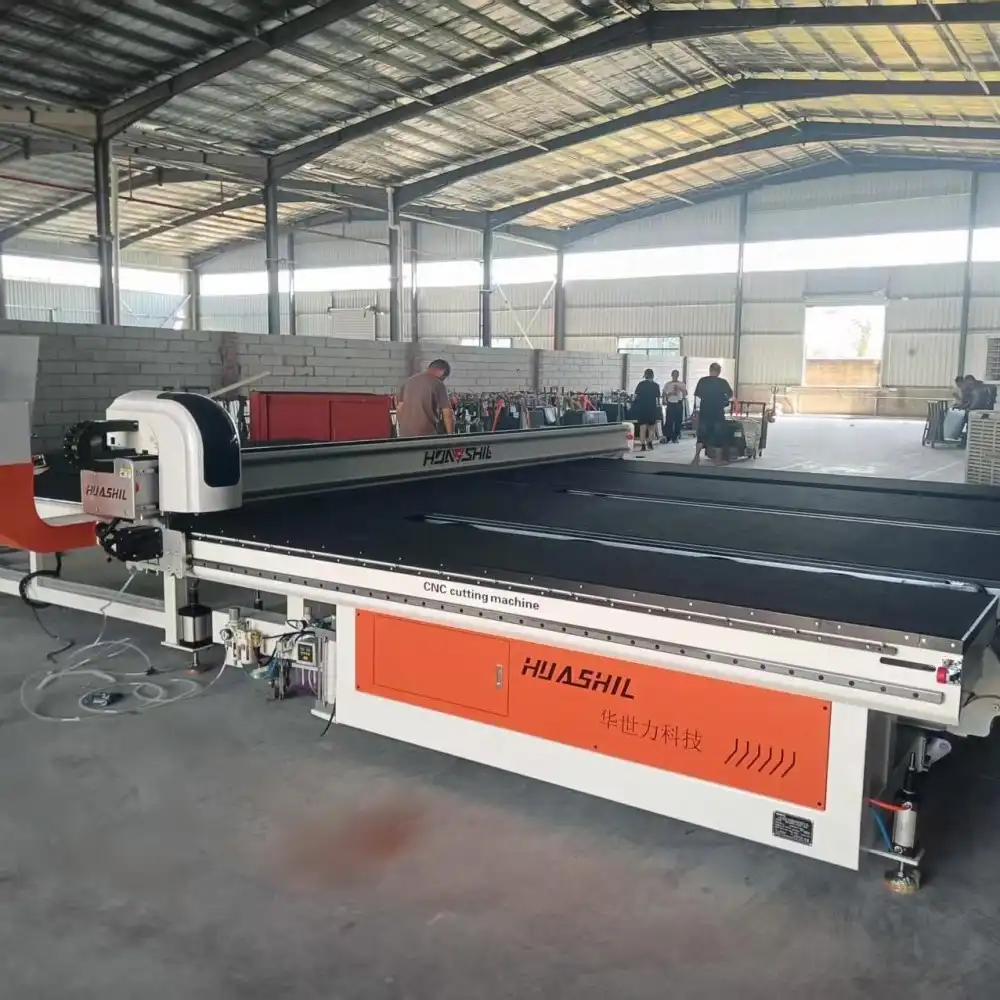
Consider OEM and Customization Options
A lot of glass factories operate using non-standard sizes of glass and have strange floor layouts. If you choose an OEM and ODM configured provider, the system size, carrier design, and software interface may be adapted to your individual needs. That flexibility is more important for full-line projects than for buying a single machine where conventional setups often will do.
Conclusion
Glass storage automation is no longer a specialist investment for only large-scale companies. With U.S. fabricators facing increased labor costs and shorter delivery dates, an intelligent glass storage system is a viable way to achieve faster productivity and decrease scrap rates. The solution addresses the critical steps of fast inspection, categorized storage, and accurate distribution while reducing the human handling that causes most breakage and sorting mistakes. The rationale for changing from static racks to an automated storage system is simple and financially viable if you operate a window fabrication factory, curtain wall shop, or furniture glass line.
FAQ
1. What types of glass can this system store?
The system handles architectural flat glass, hollow door and window glass, tempered glass blanks, coated and laminated panels, and specialty shapes used in furniture and shower enclosures. It covers pre-processing stages including storage before edge grinding, tempering, hollow assembly, and film matching.
2. How does the system improve inventory accuracy?
Each sheet receives a unique identifier at intake. The control unit logs its location, dimensions, and job assignment. When the downstream station requests a sheet, the system retrieves the exact match and confirms it by scan before release. This process eliminates the manual counting and visual checking that cause most inventory discrepancies.
3. Is it compatible with existing production line software?
Most systems support standard industrial communication protocols, which allow connection to common ERP, MES, and warehouse management platforms. Your supplier should provide integration documentation and on-site commissioning support to confirm compatibility before the system goes live.
4. What maintenance does the system require?
Routine maintenance covers lubrication of drive components, sensor calibration checks, and software updates — tasks that a trained plant technician can handle on a scheduled basis. The automated monitoring built into the control unit flags abnormal conditions before they become failures, which keeps unplanned downtime low.
Request a Quote from HUASHIL — Intelligent Glass Storage System Manufacturer
HUASHIL builds automated glass processing equipment backed by years of manufacturing and export experience. Our intelligent glass storage system for sale covers the full range of glass processing applications — from architectural flat glass to hollow unit pre-assembly and film-matched specialty panels. We provide detailed technical documentation for engineering review, clear commercial proposals for procurement teams, and reliable after-sales support, including spare parts supply.
Contact our team directly to discuss your production requirements and get a configuration proposal: Email: salescathy@sdhuashil.com
References
1. Glass Association of North America (GANA). Glazing Industry Data Report. 2023.
2. Freedonia Group. World Glass Machinery: Industry Study. 2022.
3. International Glass Review. Automation Trends in Flat Glass Processing. 2023.
4. Manufacturing Engineering Magazine. Smart Storage Solutions for Industrial Glass Plants. 2022.
5. Glass on Web. Advances in Glass Handling and Storage Automation. 2023.
6. Industry Week. Total Cost of Ownership in Industrial Automation Equipment. 2022.