




Securing reliable industrial glass cutter transport services is critical when you invest hundreds of thousands in advanced machinery like automated cutting systems. Whether you're expanding production capacity or replacing aging equipment, understanding international shipping complexities protects your investment. We've spent years navigating these challenges alongside architectural glass fabricators, curtain wall integrators, and furniture manufacturers who rely on safe, timely delivery of their production line equipment to meet project deadlines and maintain a competitive advantage in demanding markets.
Understanding the Challenges in Transporting Large Glass Cutting Equipment
The Fragility and Size Paradox
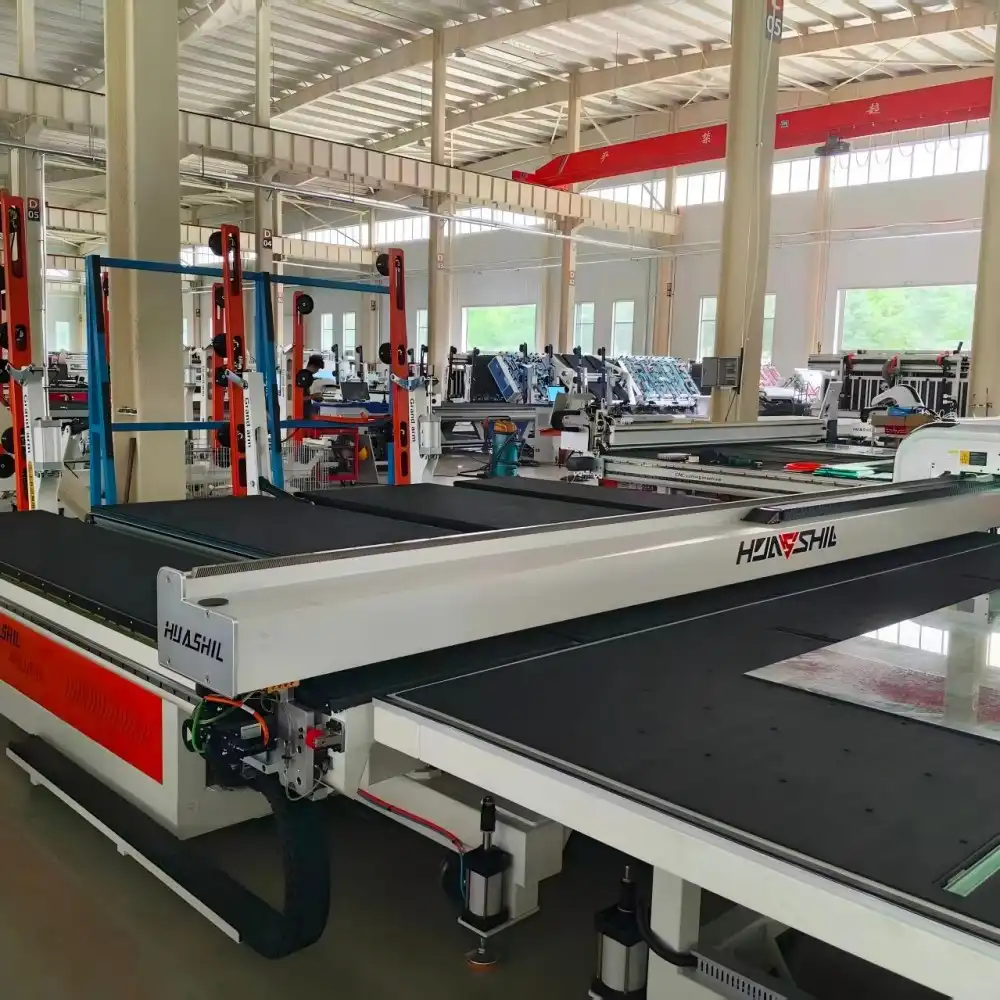
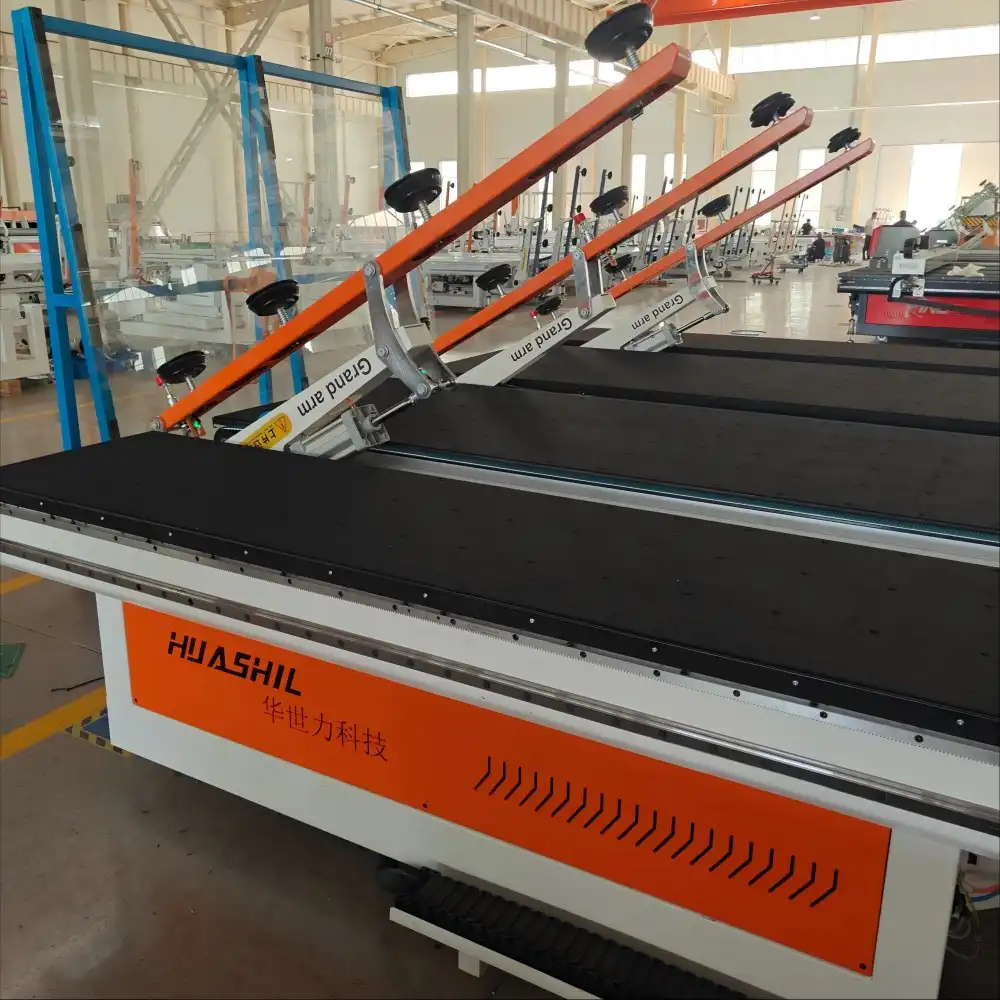
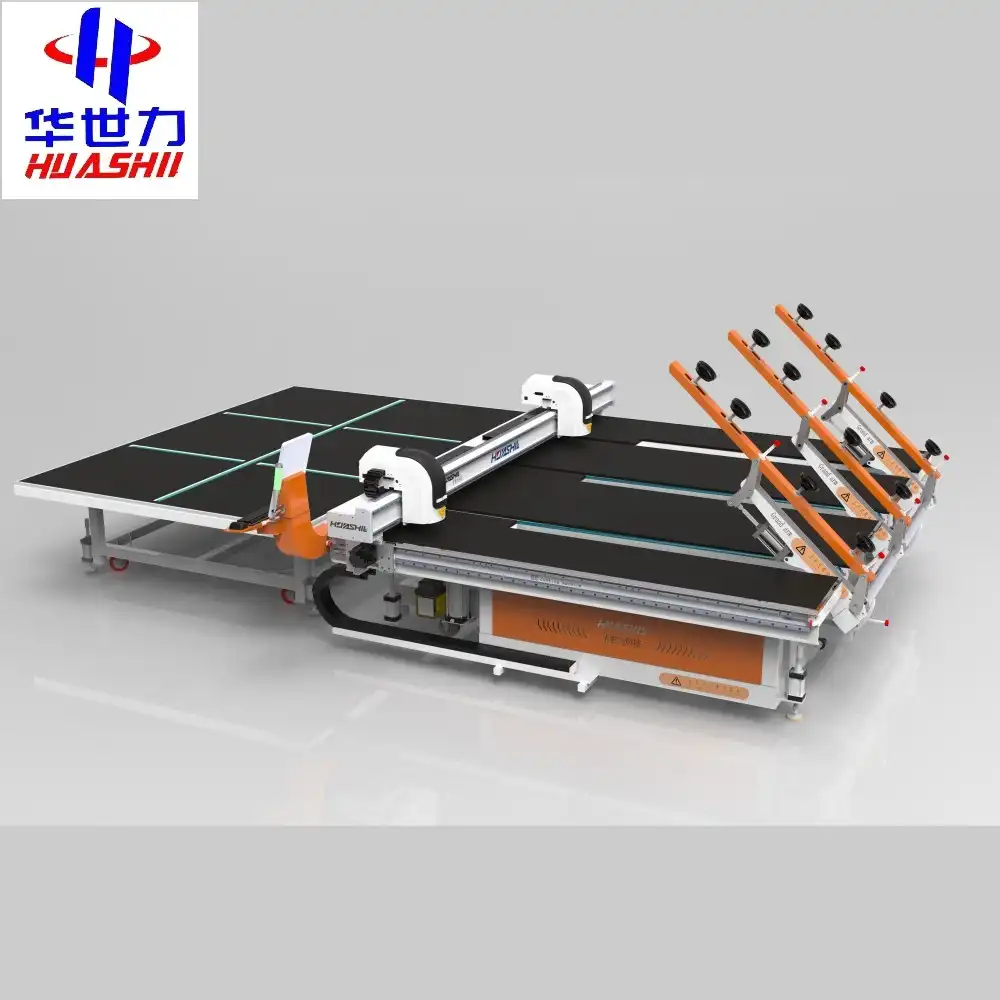
Smaller industrial equipment just doesn't have the same transit challenges as large glass-cutting machines. Equipment like the HSL-LSX6133 type, which has three integrated tables (loading, cutting, and breaking) and a maximum glass handling capacity of 6100 x 3300 mm, combines precise components that need millimeter-level accuracy with significant weight. Sensitive alignment mechanisms are located in the above-ground or underground rail layouts, and delicate pneumatic systems are housed in the six grand arms on each side. These precise components may be compromised by any stress or vibration during shipping, necessitating expensive recalibration or component replacement following delivery.
Variations in temperature are another serious risk. Extreme cold or heat during maritime freight or warehouse storage can cause electronic controls, including touch-screen interfaces and optimization software like Optima, to fail. Electrical systems are impacted by moisture intrusion, which can also corrode metal parts before installation even starts.
Regulatory Compliance Across Borders
Shipments of machinery across international borders require negotiating intricate regulatory systems that differ depending on the destination jurisdiction. Export documents from China must include commercial invoices with equipment specifications, origin certifications, and compliance declarations, as well as the correct HS code classification (usually 8464.90 for glass working machines). CBP (Customs and Border Protection) scrutinizes U.S. imports, requiring proper value statements and perhaps Section 301 tariff considerations based on categorization.
Your financial obligation and risk exposure are directly impacted by the Incoterms you choose. While DDP (Delivered Duty Paid) arrangements assign the seller all obligations through final delivery, FOB (Free On Board) conditions shift risk once equipment is loaded aboard the vessel. To prevent unforeseen expenses or delivery problems, plant managers and procurement supervisors must make these parameters clear throughout contract discussions.
Selecting Appropriate Transport Modes
Due to the cost-effectiveness of heavy gear, ocean freight continues to be the principal option for big glass processing equipment going to U.S. architectural glass facilities or curtain wall fabricators. Compared to less-than-container-load (LCL) choices, a full container load (FCL) offers dedicated space, lowering handling frequency and damage risk. From major Chinese ports to Los Angeles or New York, the transit time usually takes 25–35 days, with additional inland transportation to the ultimate destinations.
Although air freight is impracticable for whole manufacturing lines due to its high costs, it provides quick delivery for minor auxiliary equipment or urgent replacement components. In order to lower transportation hazards to delicate systems, some purchasers choose hybrid techniques, sending the main machine body by sea while air-freighting essential electrical components separately through industrial glass cutter transport services.
Best Practices for Packaging and Securing Large Glass Cutting Equipment
Custom Crating and Material Selection
Engineering-grade timber crates made especially for the size and weight distribution of your equipment are the first step in proper packaging. The three-table configuration of the HSL-LSX6133 necessitates crating that may hold the loading table, cutting table, and breaking table independently or as combined pieces, depending on the configuration. Internal bracing stops lateral movement during container transportation, and marine-grade plywood with a minimum thickness of 18 mm ensures structural integrity.
The vital shield between precision components and external impacts is provided by shock-absorbing materials. Sensitive places such as the Optima software interface terminals, control panels, and the six grand arms are cushioned by cross-linked polyethylene foam. While moisture-barrier bags with desiccant packets provide microenvironments that maintain constant humidity levels throughout maritime travel, anti-static bubble wrap shields electronic components from electrostatic discharge.
Particular consideration must be given to the 2+2 station rail system, whether it is underground or above ground. To avoid contact damage during transportation vibrations, manufacturers usually isolate rail components and secure them with foam inserts in compartmentalized container sections.
The following are the main safety precautions that seasoned equipment shippers take:
- Multi-layer cushioning strategy: By combining softer foam padding at contact locations with stiff foam blocks for structural support, progressive shock absorption is produced that guards against both high-impact incidents and ongoing vibration damage, which are typical in maritime freight.
- Moisture control systems: During temperature fluctuations along shipping routes, industrial-strength desiccant bags (usually 1-2 kg units) are positioned strategically within sealed vapor barrier bags to maintain relative humidity below 40%, avoiding condensation on metal surfaces and electronic components.
- Component stabilization: During loading, unloading, and transportation, heavy-duty ratchet straps fastened to crate anchor points immobilize the cutting table and breaking table mechanisms, limiting internal movement that can misalign precision components or harm hydraulic systems.
Thousands of international shipments of machinery have shown the effectiveness of these preventive measures. When manufacturers adhere to these procedures, engineering managers who examine equipment condition upon arrival regularly report little transit damage, maintaining the factory-calibrated perfection that architectural glass and curtain wall fabricators rely on for quick production readiness.
Securing Methods and Environmental Controls
In addition to providing cushioning, appropriate fastening methods stop containers from moving while in transit across the ocean. Crates are secured in place by wooden chocks and bracing, and lashing straps certified for equipment weight fasten to container D-rings. Individual package protection is enhanced by container desiccant poles that are hung inside to collect ambient moisture throughout the journey.
When shipping during severe seasonal weather, thermal blankets or insulated container solutions are beneficial for temperature-sensitive components. Although cost surcharges usually restrict this choice to the most delicate electronic systems or to equipment moving to areas with high temperature changes, certain specialist carriers provide climate-controlled container services.
Comparing International Transport Solutions for Industrial Glass Cutters
Major Carrier Capabilities
Knowing what various suppliers provide for large industrial equipment is essential to choosing the right industrial glass cutter transport services. Although their services are better suited for smaller auxiliary equipment than complete manufacturing lines, DHL and FedEx are excellent at managing documentation and tracking visibility. For medium-sized components, UPS Freight offers integrated services that strike a compromise between cost and service.
Kuehne+Nagel, DB Schenker, and C.H. Robinson's industry-specific knowledge is useful for glass processing equipment. These suppliers offer project cargo services for whole production line shipments, retain connections with carriers skilled in handling delicate industrial equipment, and assign specialized project managers to handle intricate multi-shipment deliveries.
Chinese logistics experts, including Sinotrans and COSCO Shipping Logistics, streamline paperwork and customs clearance on the origin side by understanding export protocols from industrial countries where equipment originates. Although procurement managers should confirm their agent network capabilities at ultimate delivery destinations, their U.S. alliances make destination handling easier.
Evaluating Service Levels and Pricing
Depending on how thorough the services are, pricing structures differ greatly. Port-to-port transportation is covered by basic ocean freight rates, which normally range from $3,000 to $8,000 for full container loads from China to the United States. East Coast destinations add between $2,000 and $4,000 to West Coast ports. Inland transportation, customs brokerage, destination port taxes, and insurance are not included in these basic costs.
From factory pickup to final installation site delivery, door-to-door services offer complete coverage. These services make it easier for plant managers to monitor facility expansions while maintaining current production schedules, even if premium pricing—which is often 40–60% more than port-to-port rates—reflects the additional handling and coordination.
Premiums for specialized insurance packages, which guard against transit damage, are normally determined at 0.3–0.8% of the reported equipment value. Buyers should confirm that coverage limits include hazards unique to machinery, such as calibration loss or component misalignment due to vibration exposure. Standard maritime cargo insurance covers physical damage but does not cover delays.
How to Select the Right International Transport Service for Your Industrial Glass Cutter
Defining Your Transport Requirements
Transportation planning is driven by technical standards. The maximum glass handling capacity of the HSL-LSX6133 is 6100 x 3300 mm, which equates to equipment dimensions that need precise measurement for container compliance. Production directors are required to give logistics partners comprehensive specifications, including overall dimensions with tables extended, total weight including crating, and whether vertical clearance requirements are affected by above-ground or subterranean rail arrangement.
Features of destination facilities are equally important. Does your business have access to a loading dock for regular container deliveries, or does equipment need to be offloaded by a crane? Final-mile delivery planning is influenced by installation area access routes, floor load capacity, and interior door size. Certain architectural glass factories located in former industrial locations have access issues that require specialized rigging equipment, which affects timing and cost.
Equipment value and replacement cost factors are reflected in insurance regulations for industrial glass cutter transport services. Depending on design and personalization, a fully automated cutting line typically costs between $200,000 and $500,000. If delivery delays affect production schedules or project commitments, finance departments usually want extensive coverage that covers not only physical damage but also business interruption expenses.
Evaluation Criteria for Carrier Selection
When production capacity is dependent on the timely delivery of equipment, reliability takes precedence over cost savings. Engineering managers should look for carrier references from shipments of comparable glass processing equipment. They should especially inquire about schedule adherence, damage rates, and the effectiveness of claims processing. Reputable logistics companies keep track of performance indicators that they may present for assessment.
Carrier queries during quotation reflect industry familiarity with delicate industrial apparatus. Knowledgeable suppliers inquire about installation timetable demands, environmental protection regulations, and calibration sensitivity—indications that they comprehend the needs of glass cutting equipment beyond standard freight handling. Based on the characteristics of your equipment, they ought to proactively recommend ways to optimize packing or change the route of transportation.
The fact that manufacturing line purchases require several shipment stages is accommodated by service flexibility. Coordinated supply of the primary cutting system, auxiliary equipment, and spare parts on staggered schedules in line with construction milestones may be necessary for purchasing supervisors overseeing comprehensive facility improvements. This cooperation is made easier by carriers that provide flexible warehousing and consolidation services.
Ensuring Smooth Customs Clearance and Shipment Tracking
Documentation and Compliance Requirements
Accurate and comprehensive paperwork is essential to the effectiveness of customs clearance. Equipment specifics, such as the HSL-LSX6133 model identification, three-table setup, Optima software inclusion, and rail system type, must be included in commercial invoicing. The actual transaction value, including any OEM or ODM changes unique to your order, should be included in the valuation.
The site of manufacture is confirmed by certificates of origin, which may have an impact on tariff rates under trade agreements. Every component, including loading tables, cutting tables, breaking tables, rail components, grand arms, and control systems, must be listed on packing lists together with its appropriate weights and values. Customs inspection is made easier, and clearance times are decreased by this fine detail.
Industrial machinery must comply with CBP rules and, in some situations, safety certificates in order to be imported into the US. Electrical components should be certified by the ETL or fulfill UL requirements, although glass manufacturing equipment usually doesn't need FDA or other government certifications. Arrival holds that delays in installation schedules are avoided by proactive checking.
Real-Time Tracking and Risk Mitigation
Throughout the shipping process, visibility is provided via contemporary logistics solutions. While automated notifications inform stakeholders of significant events, such as vessel departure, port arrival, customs release, and interior transport dispatch, GPS container monitoring tracks the status of maritime transit. Plant managers may arrange production schedules and installation crews around real arrivals rather than projected dates thanks to this openness.
The significant investment that automated glass cutting equipment represents is safeguarded by customized insurance policies. Precision component transport damage, environmental damage from exposure to moisture or temperature, and total loss situations should all be covered. For whole production line projects, some suppliers give installation coverage, which extends protection through equipment setup and first operation.
For crucial projects where production cannot afford single-point failure, split shipments are one method of risk reduction. Though at a premium cost suitable for time-sensitive facility launches or replacement of malfunctioning equipment affecting production capacity, shipping essential components separately—perhaps the main cutting table via ocean freight while air-freighting the Optima software and control systems—offers insurance against complete shipment loss.
Conclusion
Protective packaging that preserves precision components, carrier selection based on dependability and industry knowledge, comprehensive insurance protecting significant capital investments, and careful documentation ensuring seamless customs clearance are all necessary for the successful international transportation of large glass cutting equipment. Working with logistics companies that recognize that industrial glass cutter transport services go beyond commodity freight to support production capacity investments essential to business operations is beneficial for plant managers, engineering directors, and procurement specialists navigating these choices. Transport quality is just as crucial as the gear itself since the equipment must work to factory standards as soon as it is installed at your location.
FAQ
1. What packaging methods best protect large glass cutting equipment during international shipping?
The best protection is offered by specially designed hardwood containers with multi-layer cushioning systems. Precision parts like cutting tables and grand arms are cushioned by cross-linked polyethylene foam, and electrical systems like the Optima software interface are shielded by anti-static materials. In order to minimize condensation damage during temperature variations during maritime travel, moisture-barrier bags containing industrial desiccant packets maintain constant humidity. Internal bracing and reinforced strapping stop containers from moving, maintaining the millimeter-level accuracy needed by architectural glass and curtain wall manufacturers.
2. How long does international transport typically take for industrial glass cutting machinery?
It takes 25–35 days for West Coast ports, 35–45 days for East Coast sites, and 3–7 days for interior transportation to final facilities for ocean freight from Chinese industrial regions to U.S. destinations. Depending on the needs of the inspection and the quality of the documents, customs clearance adds two to five days. Standard shipments take six to eight weeks to complete door-to-door. When planning for manufacturing line installations or facility expansions, procurement managers should account for any delays in their schedules.
3. What documentation do customs authorities require for importing glass processing equipment?
The basis is provided by thorough commercial invoices that include precise valuation, model designations (like HSL-LSX6133), and equipment specifications. Standard requirements are completed by export licenses from the countries of origin, packing lists listing each component with weights and values, and certificates of origin. In order to speed up clearance and prevent arrival waits, electrical components should have UL or ETL certification documents, and U.S. imports benefit from correct HS code categorization (usually 8464.90).
Partner with HUASHIL for Reliable Glass Equipment Delivery
Advanced glass cutting systems, such as the HSL-LSX6133 with integrated loading, cutting, and breaking tables, are HUASHIL's specialty. We recognize that equipment value goes beyond factory performance to ensure a safe arrival at your site. In order to safeguard precise components like our six grand arms per side and Optima optimization software throughout international transportation, our engineering team works with seasoned industrial glass cutter transport services providers that employ tried-and-true packing procedures. We provide complete door-to-door delivery for furniture makers, curtain wall integrators, and architectural glass plants throughout the US, guaranteeing that your investment in production capacity is calibrated and operational right away. To discuss your equipment transport needs and obtain comprehensive shipping options catered to your project schedule and facility requirements, get in touch with our logistics experts at salescathy@sdhuashil.com.
References
1. International Safe Transit Association (ISTA). "Packaging Guidelines for Industrial Machinery Transport." Journal of Packaging Technology and Research, Vol. 7, 2022, pp. 142-158.
2. Council of Supply Chain Management Professionals. "Best Practices in Heavy Equipment Logistics: Cross-Border Shipping Considerations." CSCMP Annual Conference Proceedings, 2023.
3. National Glass Association. "Equipment Installation and Transport Standards for Architectural Glass Fabricators." Technical Publication NGA-456, 2021.
4. U.S. Customs and Border Protection. "Importing Commercial Industrial Machinery: Compliance Guide for HS Chapter 84 Equipment." CBP Publication 0000-0574, revised January 2024.
5. Freight Management Association of America. "Specialized Cargo Handling: Fragile Industrial Equipment Transport." Industry White Paper Series, December 2023.
6. Journal of International Logistics and Trade. "Risk Mitigation in Cross-Pacific Machinery Shipments: An Empirical Analysis." Vol. 21, No. 3, 2023, pp. 89-112.