




Mid-size glass processing plants face mounting pressure to reduce operational expenses while maintaining competitive output. One of the most effective solutions emerging in the industry is automated glass handling technology. A glass loading machine can reduce labor costs by up to 60% through automation that eliminates repetitive manual tasks, minimizes workplace injuries, and increases production throughput. By integrating precision sensors, robotic arms, and intelligent software, these systems transform traditional workflows into streamlined operations that require fewer operators while delivering consistent, high-quality results.
Understanding the Labor Cost Problem in Mid-Size Glass Plants
Mid-sized processing plants have a hard time with both money and operations when they have to handle glass by hand. Workers who have to load heavy glass sheets often get repetitive strain injuries, which lead to higher insurance costs and a lot of worker turnover. During this cycle, the costs of hiring and teaching people go up, and output stops.
The Hidden Costs of Manual Glass Handling
Besides the direct costs of labor, manual tasks lead to inefficiencies that get worse over time. To keep the glass sheets from breaking, they need to be carefully placed. However, mistakes made by people cause a lot of breaks, which cut into profits. Throughput is limited by slower loading cycles, which means plants can't keep up with growing customer needs or take on bigger contracts.
Safety Risks and Compensation Expenses
The places where glass is made are naturally dangerous. Workers can get cuts, back injuries, and musculoskeletal problems from sharp edges, big loads, and awkward moving positions. Compensation cases not only make insurance rates go up, but they also cause people to miss work, which throws off production plans. These unexpected costs are especially hard for plants that are trying to keep their labor costs low.
Competitive Pressure and Margin Erosion
There is a lot of competition in the architectural glass and curtain wall markets, especially from automated facilities. Plants that load materials by hand have a hard time keeping up with rivals that use automatic solutions for speed and accuracy. This drawback is especially noticeable when taking on big projects where meeting deadlines and maintaining quality are important factors in the selection process.
How Glass Loading Machines Solve Labor Cost Issues
These problems can be solved by automated glass handling equipment that is well-designed and uses tested technology. Modern systems use precise mechanics and software optimization to make processes that take a lot less work while also making things safer and better.
Advanced Automation Technologies
Usually, an automated glass loading machine system has robotic arms with vacuum suction cups that carefully lift and place sheets of glass with millimeter-level accuracy. Precision sensors measure the size of the glass and instantly change the handling settings. This means that measuring and positioning the glass doesn't have to be done by hand. When protective barriers are broken, safety interlocks stop operation. This makes the area safe and in line with OSHA standards.
Configuration Options for Different Operations
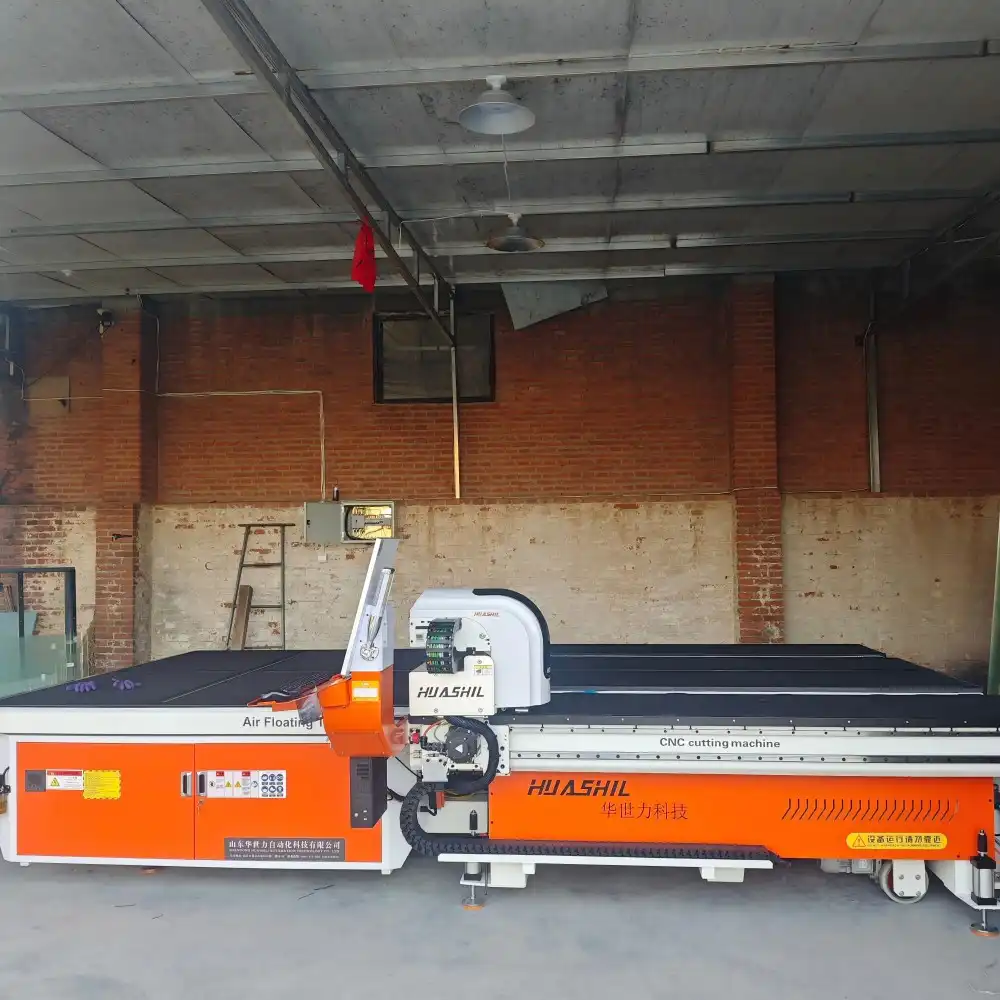
Handling glass equipment comes in a number of different styles to fit different production environments. Semi-automatic models help operators by doing the heavy lifting, but they still let operators control where the items are put down by hand. Fully automatic devices, like the HSL-LSX5133 type, make loading, cutting, and breaking all part of the same process. This system has three dedicated tables for loading, cutting, and breaking glass. They are linked by train systems that run above or below ground and move glass from one processing station to another without any help from a person.
The HSL-LSX5133 can handle glass panels up to 5100mm x 3300mm and has five gripper arms on each side to make it easy to move big architectural panels. Its Optima optimization software figures out the best ways to cut things so that less material is wasted and more work gets done. The 2+2 station layout can be changed to accommodate different production rates, and the built-in low-e delete function can be used to remove specific coatings without the need for extra equipment.
Proven Labor Reduction Results
Implementations in the real world show measurable cost savings. After adding an automated loading system, a curtain wall fabricator in Wisconsin cut its loading crew from six workers to two. This saved the company 67% in labor costs. At the same time, production capacity went up by 40% because the system kept cycle times the same even when shifts changed or operators got tired. These results are in line with findings made across the whole industry, which show that labor costs dropped by 55% to 65% at similar mid-size sites.
Comparing Glass Loading Machines and Traditional Manual Methods
There are big changes in performance and cost when you compare technology to traditional methods. Automated systems have benefits that go beyond just saving time and money on labor. These benefits build over time and affect many areas of operations.
Efficiency and Throughput Gains
Teams that load by hand usually move 12-15 large sheets of glass per hour, but this can change depending on how tired and experienced the operators are. During the whole production shift, automated devices keep cycle times of 20-25 sheets per hour. This 60% increase in output lets plants take on bigger orders without adding more floor space or shifts, which directly boosts income without raising costs in the same way.
Safety Improvements and Indirect Savings
Automation takes workers out of dangerous situations where they have to move things around. Lower accident rates mean lower workers' compensation costs, fewer OSHA-recordable events, and more employees staying with the company. One glass processor in Ohio said that handling-related accidents dropped by 90% in the first year after automation. This saved the company $47,000 in compensation costs and 25% on insurance rates.
Return on Investment Analysis
A fully automated loading system costs between $150,000 and $350,000 to buy at first, depending on how it is set up and how much it can hold. When procurement managers figure out ROI, they should look at things like direct labor savings, lower breakage rates, higher throughput income, and lower accident costs. Payback times for most mid-sized plants are between 18 and 30 months, and they save between $180,000 and $320,000 a year, depending on the size of their operations.
Selecting the Right System Configuration
Depending on the number of products and how many are made, you can choose between semi-automatic and fully automatic setups. Semi-automatic systems may be enough for plants that process fewer than 500 sheets per day, while fully integrated systems are better for high-volume operations. Electric actuator systems are quieter and require less upkeep, but hydraulic versions can lift larger pieces of ornamental glass more easily. Technical managers should weigh these choices against the needs of the production and the space that is available on the floor.
Maintenance and Operational Best Practices to Maximize Savings
Using the right maintenance procedures will protect your investment in automation and keep the equipment running smoothly for as long as it's used. If you don't do regular maintenance, these systems will break down without warning, which will cancel out the time savings they offer.
Regular Maintenance Protocols
Every 200 hours of use, automated equipment for handling glass, like the glass loading machine needs to be inspected. The operation of the vacuum pump, the tuning of the sensors, the alignment of the rails, and the lubrication of moving parts should all be checked during these checks. Calibration of sensors is very important because the accuracy of detecting positions has a direct effect on how precisely they are handled and how often they break. Routine lubrication stops bearings and linear guides from wearing out too quickly, which extends the life of the parts and keeps the operation smooth.
Training and Operation Standards
Full training for operators makes sure that they follow safe procedures and use the machine effectively. Standard working procedures, following safety rules, basic troubleshooting, and emergency shutdown methods should all be covered in training classes. Clear operation instructions with pictures help new workers get up to speed quickly by shortening the learning curve that can temporarily stop productivity gains. As part of our assembly services, we give you thorough instructions and train you on-site.
Safety Features and Compliance
Modern glass loading machines have more than one safety layer. Putting emergency stop buttons in key spots lets you shut down right away when dangers arise. When beams are cut off, protective light curtains stop operation. This keeps workers from going into dangerous areas during machine cycles. Guardrails and safety interlocks meet current OSHA standards and any regional rules that apply. This keeps workers and plant operators from being sued.
Troubleshooting Common Issues
Unplanned downtime is kept to a minimum with preventative measures. Maintenance mistakes that people often make include forgetting to change the vacuum cups, clean the sensors, or update the software. The gripping power of vacuum cups decreases after about 2,000 rounds. They should be changed before they fail, instead of waiting until they are used up. Position recognition mistakes can happen when dust builds up on sensors; cleaning them once a week stops this from happening. When manufacturers release updates for their software, they often include performance improvements and bug fixes that make it more reliable.
Procurement Considerations for Mid-Size Glass Processing Plants
When making a buying choice, it's important to look at more than just the price. Looking at it from the point of view of the total cost of ownership shows what the real value is and helps get budget approval from finance offices.
Evaluating Suppliers and Support Infrastructure
When choosing a supplier, companies with a history of automating glass processing should be given more weight. Shandong Huashil Automation Technology Co., Ltd. is a specialized manufacturer with a lot of experience working with architectural glass fabricators, curtain wall integrators, and furniture manufacturers all over the world. They offer the technical support and knowledge that mid-sized businesses need after the sale. Looking at things like warranty coverage, availability of spare parts, response times for technical support, and help with installation can help you find partners who can help your business succeed in the long term.
Pricing Strategies and Financial Options
The price of equipment depends on how automated it is, how much it can hold, and how it needs to be customized. Standard configurations usually cost less than systems that are made to work with specific production workflows. Some makers offer lease plans that lower the amount of money that plants need to pay up front. This lets them keep their working capital while still getting the benefits of automation. When you buy a lot of units at once, you can negotiate lower prices, which can make growth easier on your budget.
Delivery and Installation Planning
Lead times for glass loading automation range from eight to sixteen weeks, based on how complicated the customization is and how quickly the maker needs to make the product. Installation usually takes between one and three weeks, which includes setting up the equipment, connecting the utilities, configuring the software, and training the operators. Plants should plan installations around production schedules to keep downtime to a minimum. The best times to do this are during planned maintenance periods or seasonal slowdowns.
Customization and Integration Capabilities
Mid-sized plants often have special needs because of the products they make, how their floors are set up, or the equipment they already have. Customizing loading configurations, software integration with existing cutting systems, and changing handling parameters for different types of glass are all possible with OEM and ODM support. You can set up station layouts, change the positions of gripper arms, and create your own custom handling routines. This way, the system responds to your operation instead of making you change how you do things to work with the equipment.
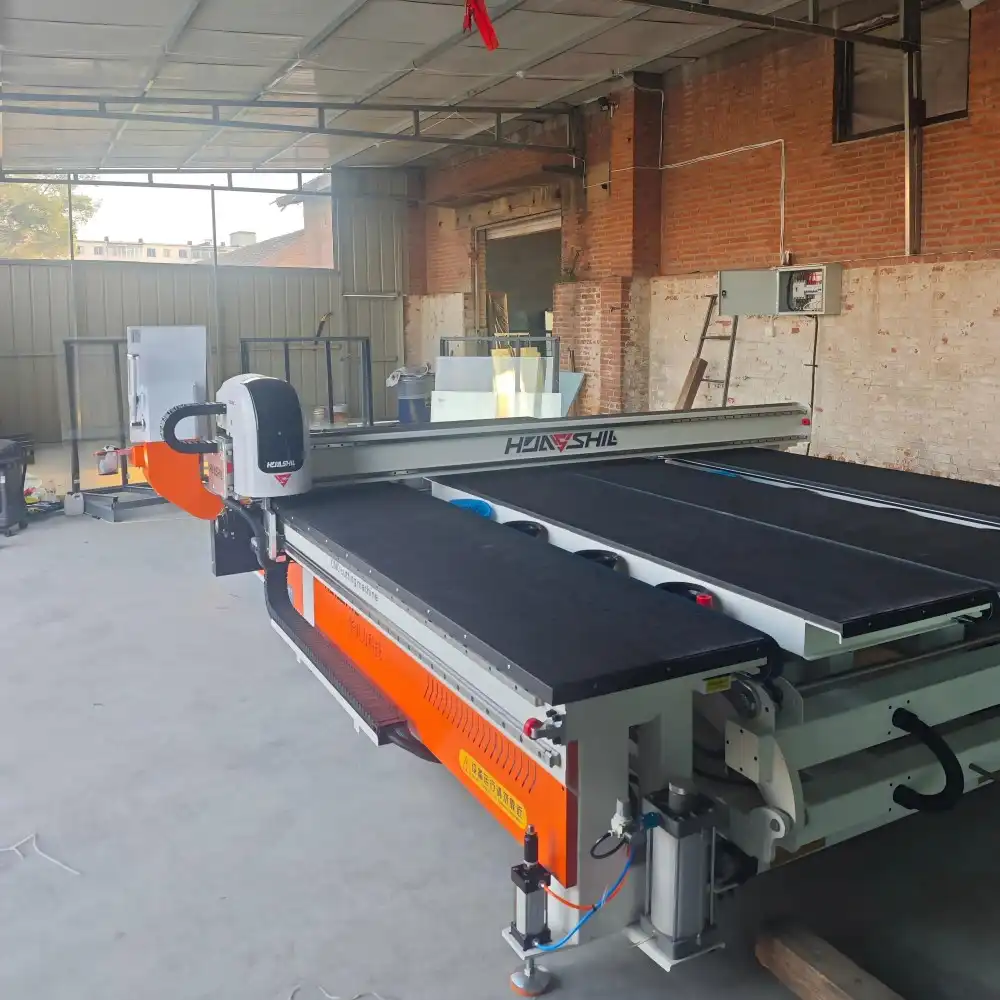
The engineering team at HUASHIL works directly with technical managers to create unique solutions that work well with current production lines. This gives mid-sized businesses the freedom they need to stay competitive.
Conclusion
Automated glass loading machine technology cuts down on labor costs and raises safety, output, and product quality all at the same time. Mid-size processing plants can save 60% on labor costs by reducing the number of workers they need, paying less for injuries, and increasing production capacity, which brings in more money without raising costs in the same way. If you choose the right amount of automation, keep your equipment in good shape, and work with knowledgeable suppliers, these benefits will last as long as the equipment is used. As labor costs keep going up and competition gets tougher, automation goes from being an extra that companies can choose to have to something they have to do in order to stay profitable.
FAQ
1. How do glass loading machines improve workplace safety?
With automated handling systems, workers don't have to touch heavy glass sheets directly, which gets rid of the main cause of cuts, crushing injuries, and disorders related to repetitive strain. During machine cycles, the operator can't get to the machine because of built-in safety features like emergency stops, protective light curtains, and safety interlocks. Compared to manual tasks, this all-around method cuts the number of injuries by 80-90%, which lowers the cost of benefits and makes it easier to keep employees.
2. What maintenance does automated glass loading equipment require?
Every 200 hours of operation, the vacuum pump needs to be inspected, the sensors need to be calibrated every three months, the moving parts need to be oiled once a month, and the vacuum cup needs to be replaced after about 2,000 rounds. When makers release new versions of their software, it should be updated. These regular tasks usually take four to six hours a month and can be done by trained maintenance staff without having to hire specialized outside service contracts. This keeps the ongoing costs low.
3. What ROI timeline should mid-size plants expect?
Payback times for most facilities are between 18 and 30 months, depending on how much labor costs, how much is being made, and how the system is set up. A factory that pays its six loading workers the average wage would save about $240,000 a year just on straight labor costs. When you add up the savings on medical bills, broken items, and extra money made from higher throughput, the total annual benefits are often between $280,000 and $350,000. This is a strong financial case for approving capital expenditures.
Partner with a Trusted Glass Loading Machine Manufacturer
Production leaders, engineering managers, and buying workers are all welcome to talk to HUASHIL about how our automated glass loading machine solutions can change your medium-sized processing business. The HSL-LSX5133 model and its flexible configurations are designed to meet the unique needs of architectural glass fabricators, curtain wall system installers, and furniture manufacturers across the United States. We offer full support, including technical advice, custom system design, installation help, operator training, quick response to after-sales service, and reliable availability of spare parts. Contact our team at salescathy@sdhuashil.com to set up a detailed meeting, ask for product demos, or get cheap quotes that are made to fit your production needs.
References
1. Glass Manufacturing Industry Council. (2023). Labor Cost Trends and Automation Adoption in North American Glass Processing Facilities. Industrial Equipment Research Division.
2. National Safety Council. (2022). Injury Statistics and Prevention Strategies in Glass Manufacturing Environments. Workplace Safety Publications.
3. Manufacturing Automation Institute. (2023). ROI Analysis of Robotic Material Handling Systems in Mid-Size Production Operations. Industrial Technology Assessment Group.
4. American Glass Association. (2022). Technology Adoption Patterns Among Architectural Glass Fabricators and Curtain Wall Manufacturers. Industry Survey Report.
5. Occupational Safety and Health Administration. (2023). Compliance Guidelines for Automated Material Handling Equipment in Manufacturing Settings. U.S. Department of Labor.
6. Industrial Equipment Buyers Guide. (2023). Comparative Analysis of Glass Processing Automation Technologies and Supplier Capabilities. B2B Research Publications.