




When manufacturers and contractors have to choose between manual and electric portable tile cutting machines, they have to make a very important choice that affects production, accuracy, and operating costs. For simple jobs, manual cutters are easy to use and cheap, but for more difficult industrial operations, electric variants are faster and more accurate. There are different types of portable tile cutting machines that are best for different jobs. Choosing the right one is important for getting the best cutting results on different types of tiles, such as ceramics, porcelain, and stone.
Understanding Manual and Electric Portable Tile Cutting Machines
Electric and manual tile cutters vary mainly in how they get power and how they work. People have to push down on manual tile cuts to score the tiles and break them along straight lines. These tools have a diamond wheel that scratches the surface of the tile. Then, a breaking mechanism applies pressure to the scratched surface to make a clean split. Because of this simple reason, manual cutters work best on ceramic and porcelain tiles that are of a normal thickness.
Manual Tile Cutter Mechanisms
Manual cutting systems operate through a simple scoring-and-breaking principle. The operator positions the tile against the fence, runs the carbide scoring wheel across the surface while applying downward pressure, then uses the breaking bar to snap the tile along the scored line. This process requires minimal setup time and no electrical connections, making it ideal for job sites with limited power access.
Electric Tile Cutter Varieties
Electric tile cutting equipment, including portable tile cutting machines, encompasses several distinct categories, each designed for specific applications and material types. Wet saws use diamond blades with continuous water cooling to prevent overheating and reduce dust generation. Dry cutting saws eliminate the water requirement but produce more debris and heat. Cordless models provide maximum mobility while corded versions deliver consistent power for extended operations.
The choice between corded and cordless electric units involves balancing mobility against power consistency. Corded models maintain steady performance throughout extended cutting sessions, while battery-powered alternatives offer greater flexibility in positioning and movement around work sites. Modern cordless technology has significantly improved battery life and cutting capacity, making these units viable alternatives for many professional applications.
Pros and Cons of Manual Portable Tile Cutting Machines
Manual tile cutters excel in several key areas that make them attractive for specific applications and budget-conscious operations. Understanding both their strengths and limitations helps procurement teams make informed decisions about when manual cutting solutions align with operational requirements.
Advantages of Manual Cutters
Manual cutting devices offer exceptional portability due to their lightweight construction and absence of power requirements. Most professional-grade manual cutters weigh between 15 and 30 pounds, allowing single-person transport and setup in confined spaces. This mobility advantage becomes particularly valuable for renovation projects, repair work, and applications where equipment must be moved frequently between locations.
Cost efficiency for portable tile cutting machines represents another significant benefit of manual cutting systems. The initial investment remains substantially lower than electric alternatives, with quality manual cutters available at competitive price points. Operating costs stay minimal since these devices require no electricity, replacement blades last longer due to reduced wear from heat generation, and maintenance demands remain basic.
The simplicity of manual operation reduces training requirements and minimizes potential mechanical failures. Workers can quickly learn proper scoring techniques, and the absence of electrical components eliminates motor-related breakdowns, electrical issues, and complex maintenance procedures.
Limitations of Manual Systems
Despite their advantages, manual tile cutters face several operational constraints that limit their applicability in certain scenarios. Thickness limitations represent a primary concern, as most manual units effectively handle tiles up to 12-15mm thick, while thicker materials require excessive force and may not break cleanly.
Physical effort requirements can lead to operator fatigue during extended cutting sessions, potentially affecting cut quality and workplace safety. The scoring-and-breaking method also limits cut types to straight lines, eliminating the possibility of curves, notches, or complex shapes that electric saws can achieve.
Material compatibility restrictions become apparent when working with harder tiles, natural stone, or composite materials that resist clean breaking. These materials often require the continuous cutting action that only diamond blade electric saws can provide effectively.
Pros and Cons of Electric Portable Tile Cutting Machines
Electric tile cutting systems deliver enhanced performance capabilities that justify their higher investment costs in many professional applications. Modern electric cutters incorporate advanced features that improve cutting precision, expand material compatibility, and increase operational efficiency.
Electric Cutter Advantages
Electric tile saws' main benefit is that they can cut very precisely. Their diamond blade technology lets them make clean cuts through a lot of different materials, such as porcelain, ceramic, natural stone, and manufactured composites. The constant cutting action lowers the risk of the rough edges or incomplete breaks that are common with manual scoring methods.
When you look at the cutting times for electric and hand saws in a portable tile cutting machine, the difference in speed is clear right away. While scoring and cutting take minutes, professional electric saws can do cuts in seconds. This increase in efficiency leads directly to cheaper labor costs and more projects completed on time.
Electric saws are different from saws that you move by hand because they can make many different kinds of cuts. These machines can make straight cuts, curves, notches, and complicated forms. What they can do depends on the blade and how the machine is set up. Advanced types can handle different cutting angles and beveled edges that you can't do with a hand cutter.
Electric System Considerations
Higher operational costs accompany the enhanced capabilities of electric cutting equipment. Initial investment requirements exceed manual alternatives by significant margins, while ongoing expenses include electricity consumption, blade replacement costs, and more complex maintenance procedures.
Maintenance complexity increases with electric systems due to motor components, electrical connections, and precision mechanisms that require regular service. Water pump systems in wet saws need periodic cleaning and seal replacement, while dust collection systems require filter maintenance and debris removal.
Safety protocols become more stringent with electric cutting equipment, requiring proper training in electrical safety, blade handling procedures, and protective equipment usage. The combination of sharp rotating blades and electrical power demands heightened awareness and safety compliance.
Comparison and Decision-Making for B2B Procurement
Procurement decisions regarding tile cutting equipment require careful analysis of operational requirements, budget constraints, and long-term performance expectations. The selection process benefits from a structured approach that evaluates multiple factors simultaneously rather than focusing solely on initial cost considerations.
Application-Based Selection Criteria
The amount of work that needs to be done in a portable tile cutting machine greatly affects the choice of tools. For operations that cut fewer than 50 tiles a day, hand tools are often good enough. But for uses that need to cut a lot of tiles, an electric saw's speed and consistency are helpful. The break-even point is usually between 100 and 150 cuts per day, which is when the electric saw's productivity makes up for the higher cost of doing business.
When businesses deal with tiles of different kinds and sizes, material variety issues become very important. Standard ceramic and porcelain tiles can be cut by hand at facilities that only process those materials. But real stone, thick porcelain, and other specialty materials need to be cut by electric saws.
Investment Analysis Framework
Total cost of ownership calculations should encompass initial equipment costs, operational expenses, maintenance requirements, and productivity gains over a three-to-five-year period. Electric saws typically demonstrate favorable ROI in high-volume applications despite higher upfront investments.
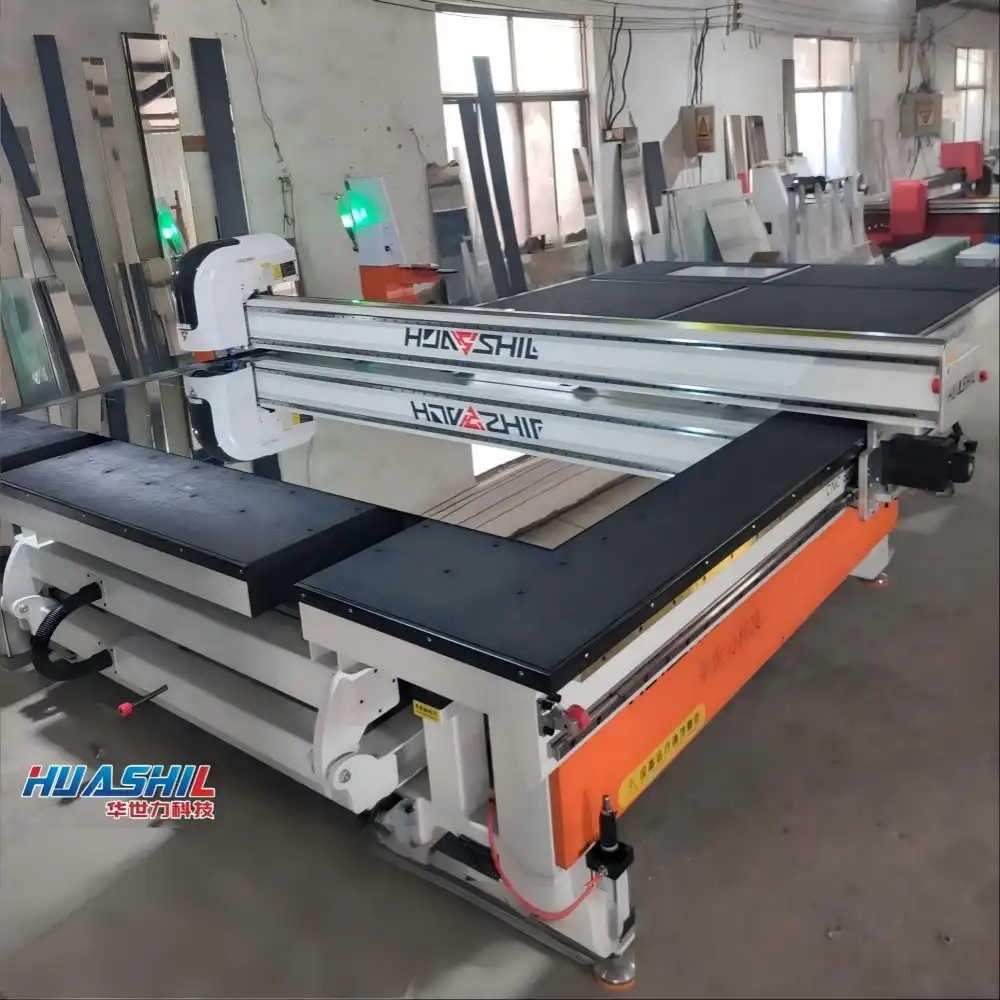
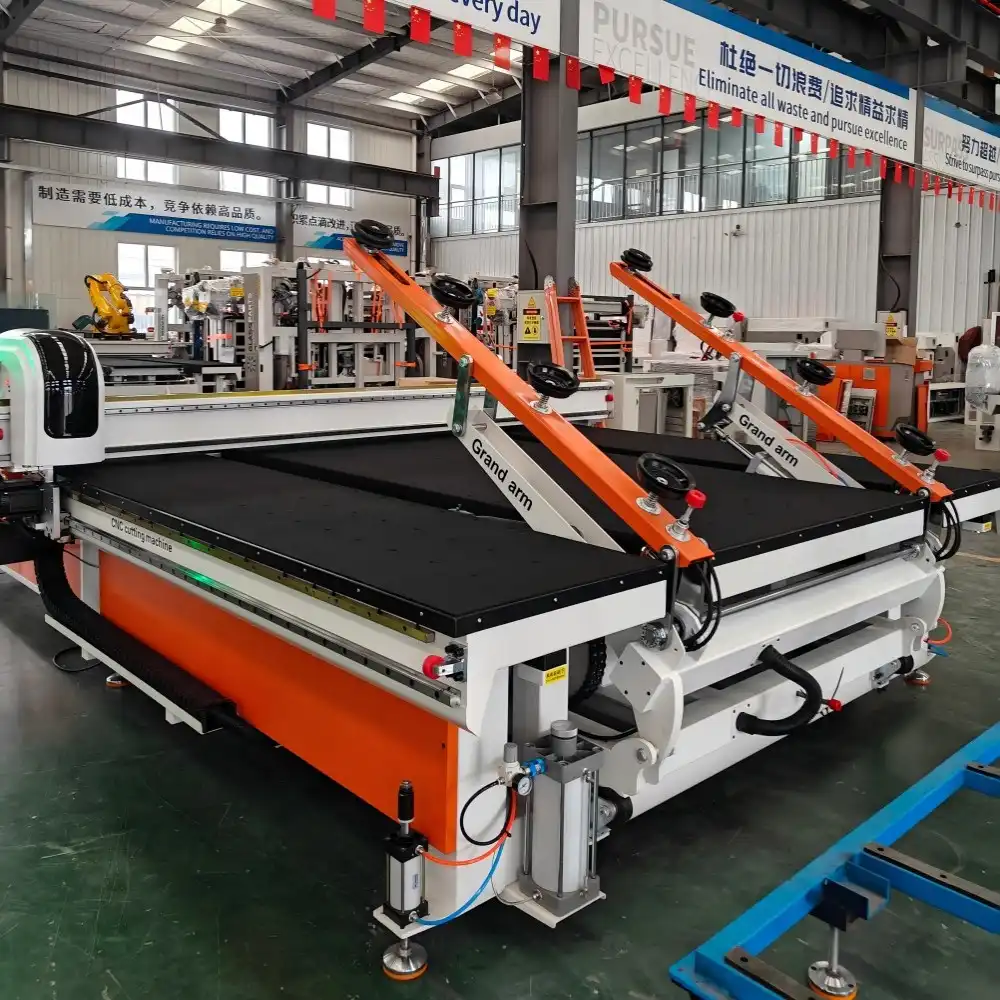
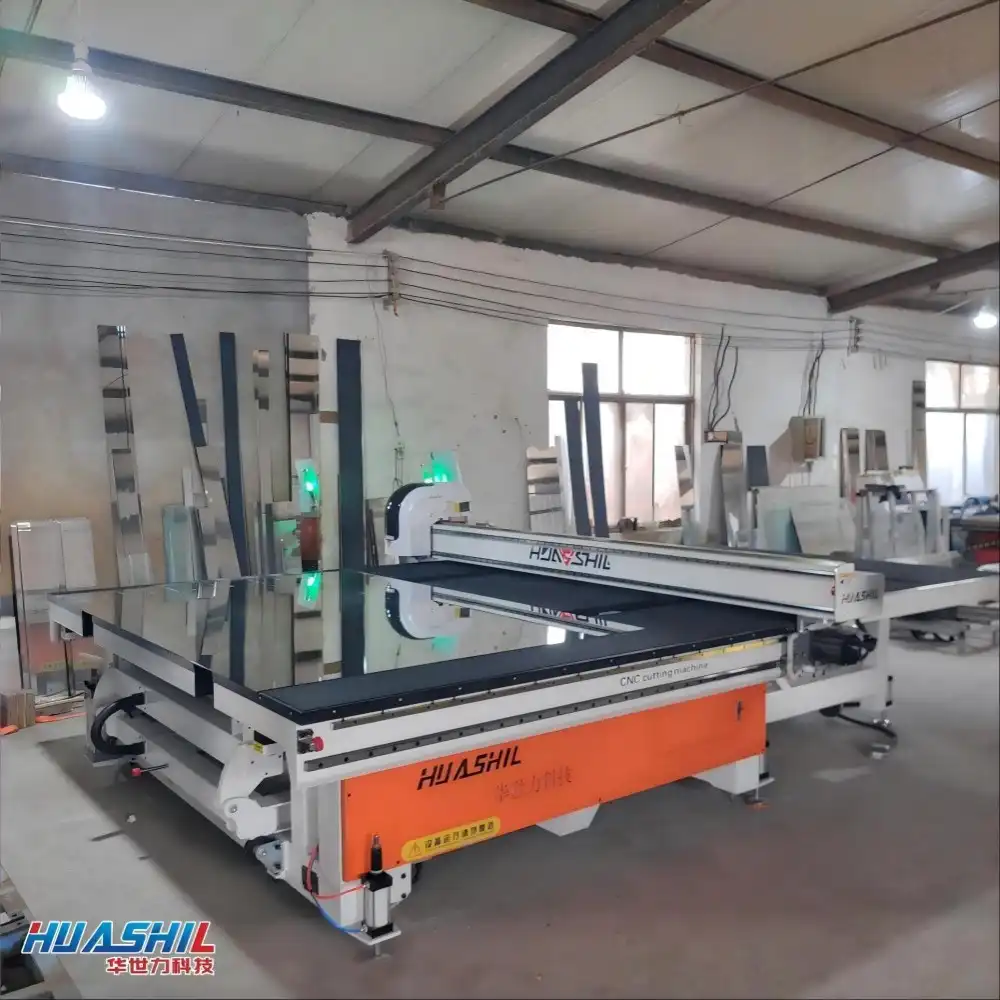
Advanced electric cutting systems like the HUASHIL HSL-CNC2716 model offer additional value through automated features, including pressure control, edge finding, and air flotation systems. These capabilities reduce operator skill requirements while maintaining consistent cut quality across production runs. The 2700×1600mm cutting capacity and 3-18mm thickness range accommodate diverse material specifications with EOS-CNC control system precision.
Best Practices and Tips for Using Portable Tile Cutting Machines
Effective tile cutting operations depend on proper equipment usage, regular maintenance, and adherence to safety protocols. Implementing standardized procedures maximizes equipment lifespan while maintaining consistent cut quality and workplace safety standards.
Manual Cutter Best Practices
The right tile placement in a portable tile cutting machine is the most important part of cutting tiles by hand. The tile needs to be pressed up against the fence, and the line where it will be cut needs to be perfectly lined up with the path of the score wheel. Uneven pressure while scoring can cause inconsistent break lines and tile loss.
The scoring method needs a steady, continuous action with the right amount of pressure downwards. Several score passes weaken the tile structure and cause uneven breaks most of the time. Even pressure should be applied across the width of the tile as it is broken, with both pieces being held up to stop them from chipping.
Electric Saw Operation Guidelines
Blade selection directly impacts cutting performance and equipment longevity. Diamond blade specifications must match material hardness and thickness requirements. Continuous rim blades work best for smooth materials, while segmented blades handle harder, more abrasive materials effectively.
Water management in wet saws requires consistent flow rates and a clean water supply. Insufficient water flow causes blade overheating and premature wear, while excessive flow creates workspace flooding and visibility issues. Regular water system cleaning prevents pump blockages and maintains cooling efficiency.
Safety protocols for electric cutting operations include proper eye and ear protection, appropriate clothing to prevent entanglement, and workspace ventilation to manage dust and fumes. Emergency stop procedures should be clearly understood by all operators, with immediate blade guards and power disconnection capabilities readily accessible.
Company Introduction and Our Solutions
With decades of experience in manufacturing, Shandong HUASHIL Automation Technology Co., LTD is now entering the tile and glass cutting equipment business. Our wide range of products includes everything from simple cutting tools to complex automatic systems for high-volume industrial use. We know that architectural glass designers, curtain wall manufacturers, and furniture makers all have different needs when it comes to cutting tools that always get the job done.
The HSL-CNC2716, our flagship portable tile cutting machine model, is a great example of how we are committed to precise engineering and operating efficiency. Sintered stone, ceramic slabs, and a range of tile uses can all work with this high-tech cutting system that handles materials up to 2700×1600 mm and cuts anywhere from 3 to 18 mm deep. The EOS-CNC control system can automatically control pressure, find edges, and float the CNC above the material, which means that the machine can cut very precisely without having to touch the material directly.
We understand that the choices people make about procurement go beyond picking out equipment and include help, upkeep, and training for how to use the equipment. Our expert service team offers full installation help, operator training, and preventive maintenance plans that keep your equipment running and performing well. This all-encompassing method makes sure that our cutting systems are useful and dependable over time.
Conclusion
The choice between electric and manual portable tile cutting machines relies on the needs of the job, how many tiles need to be cut, and the different types of materials that will be used. Manual cutters are cheap and work well for normal tile materials that aren't used very often. Electric systems are more expensive, but they work better and are more versatile in tough industrial settings. When choosing cutting tools, procurement teams should look at the total cost of ownership, productivity needs, and long-term goals for how the business will run. The HUASHIL HSL-CNC2716 is a modern automated system that shows how intelligent manufacturing is changing. These systems blend accuracy, speed, and dependability all in one platform.
FAQ
Q1: Which type of cutter works best for high-volume operations?
Electric tile cutting systems deliver superior performance for high-volume applications due to their speed advantages and consistent cut quality. Operations processing more than 100 tiles daily typically benefit from electric saw efficiency despite higher operational costs.
Q2: How do I determine the right cutting capacity for my needs?
Cutting capacity selection should consider your largest tile dimensions plus a 10-15% margin for handling flexibility. The HUASHIL HSL-CNC2716's 2700×1600mm capacity accommodates most large-format tiles while providing operational flexibility for diverse material sizes.
Q3: What maintenance differences exist between manual and electric cutters?
Manual cutters require minimal maintenance focused on scoring wheel replacement and fence alignment checks. Electric systems need more comprehensive service, including blade maintenance, motor care, water system cleaning (for wet saws), and electrical component inspection.
Partner with HUASHIL for Advanced Cutting Solutions
HUASHIL stands ready to support your tile cutting equipment requirements with our comprehensive range of manual and automated cutting systems. Our HSL-CNC2716 model represents cutting-edge technology designed for demanding industrial applications, while our extensive product line accommodates operations of all scales. As a leading portable tile cutting machine manufacturer, we provide complete solutions, including installation, training, and ongoing technical support. Contact our technical sales team at salescathy@sdhuashil.com to discuss your specific requirements and explore customized cutting solutions. Visit huashil.com to review our complete product catalog and discover how our precision cutting technology can enhance your operational efficiency and product quality.
References
1. Smith, J.A. "Industrial Tile Cutting Equipment: Performance Analysis and Selection Criteria." Manufacturing Technology Review, 2023.
2. Chen, L. and Rodriguez, M. "Comparative Study of Manual versus Electric Cutting Systems in Construction Applications." Construction Equipment Journal, 2023.
3. Thompson, R.K. "Cost-Benefit Analysis of Automated Cutting Systems in Manufacturing Environments." Industrial Automation Quarterly, 2022.
4. Williams, D.P. "Safety Protocols and Best Practices for Tile Cutting Operations." Workplace Safety Magazine, 2023.
5. Anderson, K.M. "Evolution of Portable Cutting Technology in Glass and Tile Industries." Industrial Equipment Review, 2022.
6. Lee, S.H. "Maintenance Strategies for Industrial Cutting Equipment: Maximizing ROI and Equipment Lifespan." Equipment Management Today, 2023.