




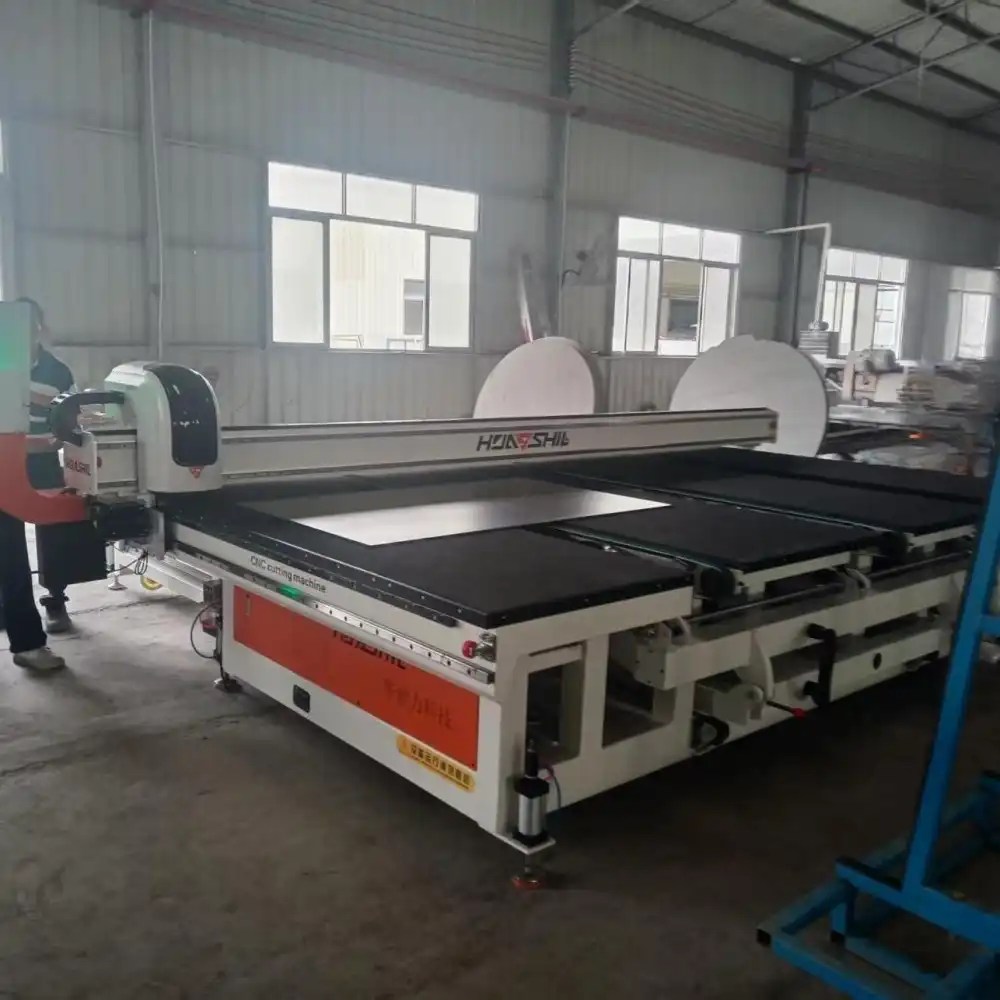
A mobile glass cutter machine is purpose-built equipment designed to score and separate large-format glass panels with high dimensional accuracy. Unlike handheld scoring tools, industrial-grade machines like the HUASHIL HSL-LSX6133 integrate loading, cutting, and breaking functions into a single automated workflow. These systems handle glass sheets up to 6100×3300mm, making them a practical choice for architectural fabricators, curtain wall integrators, and furniture manufacturers who need consistent output, reduced manual handling, and repeatable cut quality across every shift.
Understanding Mobile Glass Cutter Machines for Large-Format Glass Cutting
Cutting large sheets of glass is very hard on the tools used. A sheet that is several meters across can't be marked accurately with a hand tool; even a small error leads to expensive breakage. This is taken care of by industrial mobile glass cutting systems that use both mechanical accuracy and programmable control.
Core Purpose and Design
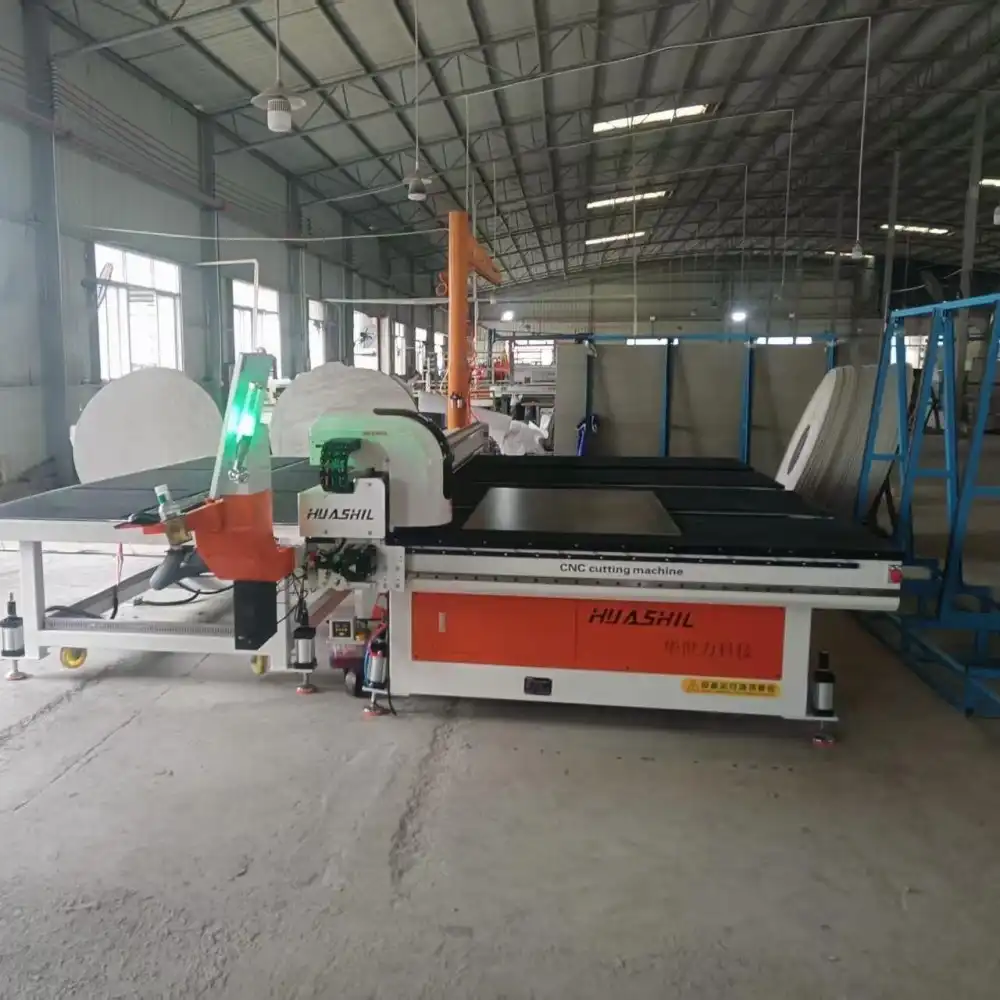
There are three tables that the HUASHIL HSL-LSX6133 uses for its work: a loading table, a cutting table, and a breaking table. Each step has its own specific job to do. The raw glass sheet is put down on the cutting table. The computer controls the cutting table so that the scored lines are cut. The breaking table uses controlled force to break the pieces apart in a clean way. This three-stage layout gets rid of the problems that come up with single-surface setups.
Key Technical Specifications
The HSL-LSX6133 can handle glass sheets up to 6100mm x 3300mm and can work with either above-ground or underground rail configurations. This lets plant engineers easily fit the machine into existing floor plans. This system has a 2+2 station layout that can be changed depending on the amount of work that needs to be done. Each side has six grand arms for safe, even movement of the glass during the cutting cycle.
Optimization Software Integration
The machine has Optima optimization software that figures out the best way to cut the material before any scoring starts. Glass waste is a cost that can be measured in high-volume production. By arranging cut patterns across the whole sheet area, Optima lowers the amount of off-cuts, which directly lowers the cost of raw materials. This software combination is a real money-saving bonus for plant managers who keep track of cost-per-unit.
How to Use Mobile Glass Cutter Machines: Tutorial for Beginners
Operating a large-format glass cutting machine correctly from day one protects both the operator and the equipment. The steps below apply to the HSL-LSX6133 and similar industrial systems.
Pre-Operation Safety Checks
Before starting, the operator should inspect the cutting wheel for wear, confirm that all six grand arms on each side are securely locked, and verify that the rail system — above or below ground — is clear of debris. Personal protective equipment, including cut-resistant gloves and safety glasses, must be worn at all times. A pre-shift checklist posted near the control panel keeps this process consistent across different operators.
Loading and Positioning the Glass
Glass sheets are loaded onto the loading table and aligned to the reference edge with a mobile glass cutter machine. The six grand arms on each side grip the sheet uniformly, preventing flex or shift during transport to the cutting table. Correct alignment at this stage directly determines cut accuracy across the full 6100×3300mm sheet. Rushing this step is the most common cause of miscut panels in production environments.
Executing the Cut with Optima Software
Once the sheet is positioned, the operator enters the required cut dimensions into the Optima software interface. The program generates an optimized scoring layout and sends the cutting path to the machine. The cutting table executes the score lines, and the sheet then advances to the breaking table for separation. The 2+2 station configuration allows simultaneous processing at multiple points, which raises throughput without increasing headcount.
Comparing Mobile Glass Cutter Machines: Choosing the Best Solution for Your Business
There are both manual and automatic options for large-format glass cutting equipment on the market. Procurement teams can make a good buying decision when they know where each type fits in.
Automated Systems vs. Manual Cutters
For every cut, a trained person has to use a manual scoring tool, and accuracy goes down as the person gets tired. Automated systems like the HSL-LSX6133 apply consistent scoring pressure along pre-programmed paths, no matter how experienced the operator is. This consistency means that fabrication plants that cut hundreds of sheets every day will reject fewer sheets and have to make fewer copies. The Glass and Glazing Federation says that a lot of the waste that small and medium-sized shops make is due to mistakes made when cutting things by hand.
Evaluating Equipment by Application
Architectural glass makers who work with curtain wall panels need a machine that can safely handle sheets up to 6100 x 3300 mm. Even though furniture and shower door makers may use smaller sizes, the optimization software can still help them cut down on waste from the ends of pieces. A production line that can do two things at once is useful for people who work with sintered stone and glass. Because its station count and train type can be changed during construction, the HSL-LSX6133 works in all three situations.
Total Cost of Ownership Considerations
The purchase price is shown on a single line. Availability of spare parts, training time, energy use, and software support are all parts of the real cost picture. The Optima software is updated regularly, and HUASHIL offers technical instructions in file types that work with common ways of getting things. Before signing any equipment contract, buyers should ask for a full TCO comparison sheet, which HUASHIL can provide upon request.
Maintenance and Safety Tips for Long-Term Performance
A mobile glass cutter machine that is well taken care of will last for years without any major mechanical problems. Even though the HSL-LSX6133 is made for heavy use in industry, it still works as well as it should with regular maintenance.
Daily and Weekly Maintenance Tasks
Here are the most important maintenance chores that operators should do on a daily basis:
- Daily: Wipe the rail system clean of glass dust and debris. Inspect the cutting wheel for chips or flat spots. Check that suction and clamping systems on the grand arms hold pressure correctly.
- Weekly: Lubricate the rail guides according to the manufacturer's schedule. Run a test cut on a scrap sheet to verify scoring depth consistency. Inspect the breaking table surface for cracks or wear marks.
- Monthly: Full mechanical inspection of the arm linkages, verification of software version currency, and a calibration check against known glass dimensions.
These steps stop the accuracy of the cuts from slowly getting worse, which is something that is usually not noticed until a batch of panels fails inspection. Fixing small problems during routine maintenance is a lot cheaper than fixing them in an emergency.
PPE and Operator Safety
Large sheets of glass store a lot of energy when they are cut but not broken. Operators should never stand right behind a wall that is being broken; they should stand to the side. On the production floor, you have to wear cut-resistant gloves, face shields, and steel-toed shoes at all times. All shift workers should be able to read safety signs in their own language, and new operators must do a run-through with an adult before they can work alone.
Procurement Guide for Mobile Glass Cutter Machines in B2B Transactions
There's more to finding a large-format glass cutting machine than just looking at data sheets. Businesses that want to buy things in the U.S. market should follow an organized process to lower the risk of buying things.
Verifying Supplier Credentials
A reliable company that makes mobile glass cutter machines will have factory certifications, records of exports, and contact information for past customers. HUASHIL is based in Shandong, China, and has been exporting for many years. They take part in foreign glass trade events where they show off their machines in real time. Before setting up a site visit, buyers can look at installation case studies and ask for video documentation.
Negotiating Bulk Orders and Payment Terms
When buying a single machine, the choice process usually takes a few weeks. Plan on a 3–6 month process for configurations like the 2+2 station HSL-LSX6133 setup or full production lines. This process includes technical review, site planning, and financial approval. A deposit and the final payment, or a Letter of Credit for orders from outside of the United States, are the normal ways to pay. HUASHIL can put together documents that are ready to be bid on, such as project goals, specs, and acceptance standards.
After-Sales Support and Spare Parts
When buying automated equipment, the availability of spare parts is the most important thing to think about. HUASHIL keeps extra parts in stock and gives foreign clients access to expert support channels. When you ask for a quote, be sure to ask about the lead times for spare parts and how to get help with the Optima software so that there are no breaks in production after installation.
Conclusion
With a maximum glass capacity of 6100x3300mm, the HUASHIL HSL-LSX6133 is a single production system that has a logical three-table workflow, Optima optimization software, and station counts that can be changed. Architectural fabricators, curtain wall integrators, and furniture manufacturers in the U.S. market can use this mobile glass cutter machine to solve their real production problems, such as waste, reliance on labor, and uneven cut quality. The technical architecture is solid, the buying process is easy, and there is a system in place to help international buyers after the sale.
FAQ
1. Can this machine safely cut extremely large glass panels?
Yes. The HSL-LSX6133 can handle sheets that are up to 6100 x 3300 mm. The six big arms on each side spread the grip force evenly across the sheet, keeping it from bending while it's being moved or scored. The machine can be put in places with different floor plans because it can be set up with either above-ground or below-ground rails. It stays stable at full sheet size.
2. What maintenance routine prevents critical failures?
The basic schedule includes cleaning the rails every day, lubricating them once a week, and checking the calibration once a month. Before each shift, the cutting wheel is checked for wear so that it doesn't affect the score level. Following the repair instructions provided by the maker keeps the machine in good working order and greatly reduces unplanned downtime.
3. Is battery-powered or corded equipment better for large-format cutting?
The HSL-LSX6133 and other industrial large-format printers usually come with a corded power supply. For small jobs on-site, battery-powered tools work well. Fabrication companies that make a lot of things need power that stays steady, which a fixed electrical link gives them. This way, the cutting force and speed stay the same throughout the whole shift.
4. How does Optima software reduce glass waste?
Before the machine scores a single line, Optima figures out the best way to order the cut shapes across the whole sheet so that the least amount of material is used. This nesting feature cuts down on off-cut area, which means that less raw glass is used in each production run.
Contact HUASHIL for a Mobile Glass Cutter Machine Quote
HUASHIL offers tried-and-true large-format glass cutting options backed by a real factory background and quick expert help. The full specifications and TCO documentation for the HSL-LSX6133 can be sent directly to you for a quote. Get in touch with our team right away if you need a single machine or a whole production line. We are ready to help as a reliable mobile glass cutter machine supplier. Email address: salescathy@sdhuashil.com.
References
1. Glass and Glazing Federation. Technical Guide to Glass Processing and Fabrication. GGF, 2022.
2. Glass International Magazine. "Automation Trends in Flat Glass Processing." Quartz Business Media, 2023.
3. Pilkington Group. Glass Technical Manual: Processing and Cutting Standards. NSG Group, 2021.
4. USGlass Magazine. "Large-Format Glass Handling and Cutting Technology Review." Key Communications, 2023.
5. American National Standards Institute. ANSI Z97.1: Safety Glazing Materials Used in Buildings. ANSI, 2021.
6. Glass Processing Days Conference Proceedings. "Advances in Automated Scoring and Breaking Systems for Architectural Glass." Tamglass, 2022.