




If you're looking to get cleaner, faster, and more accurate glass cuts in your production facility, a mobile glass cutter machine is one of the most practical investments you can make. Whether you run an architectural glass plant, a curtain wall fabrication shop, or a furniture glass workshop, the right automated cutting equipment can directly reduce material waste, lower labor costs, and improve your output consistency. In this guide, I'll walk you through everything you need to know — from machine features to procurement decisions.
Understanding Mobile Glass Cutter Machines: Features, Working Principles, and Advantages
Types of Glass Cutting Machines
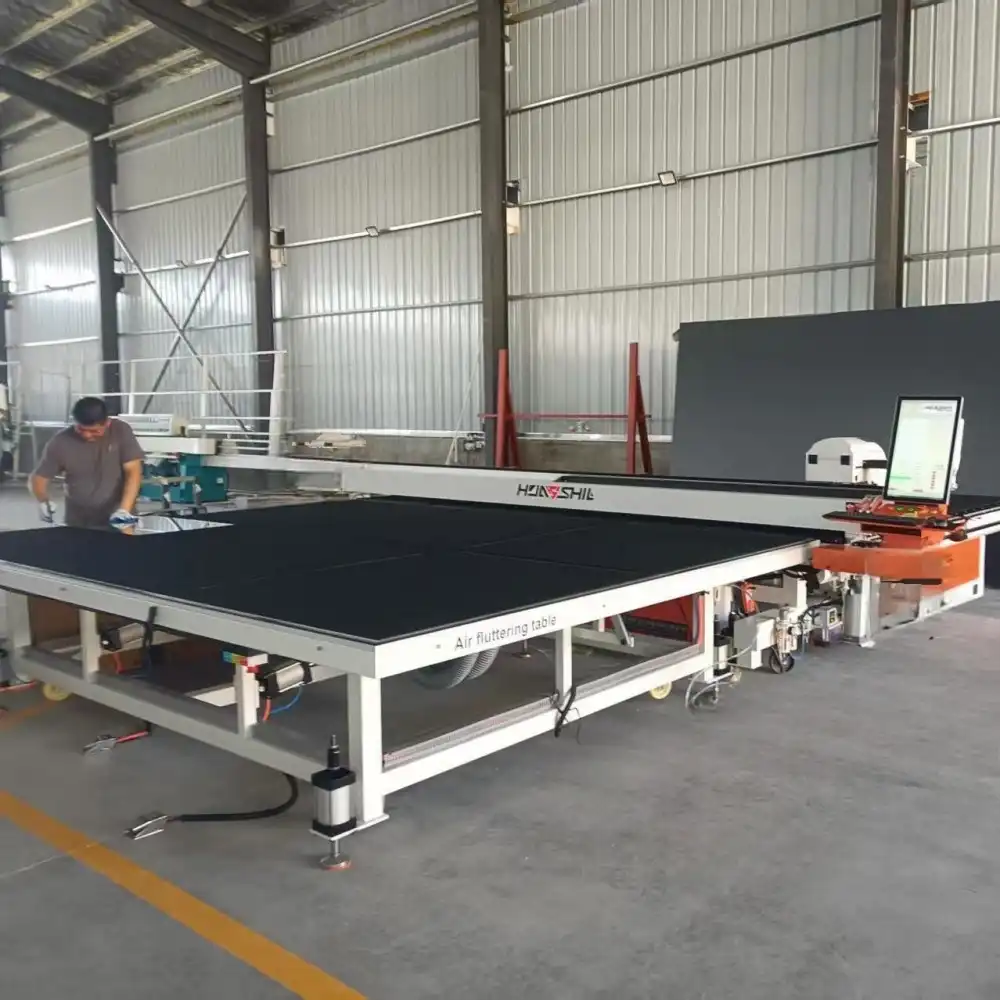
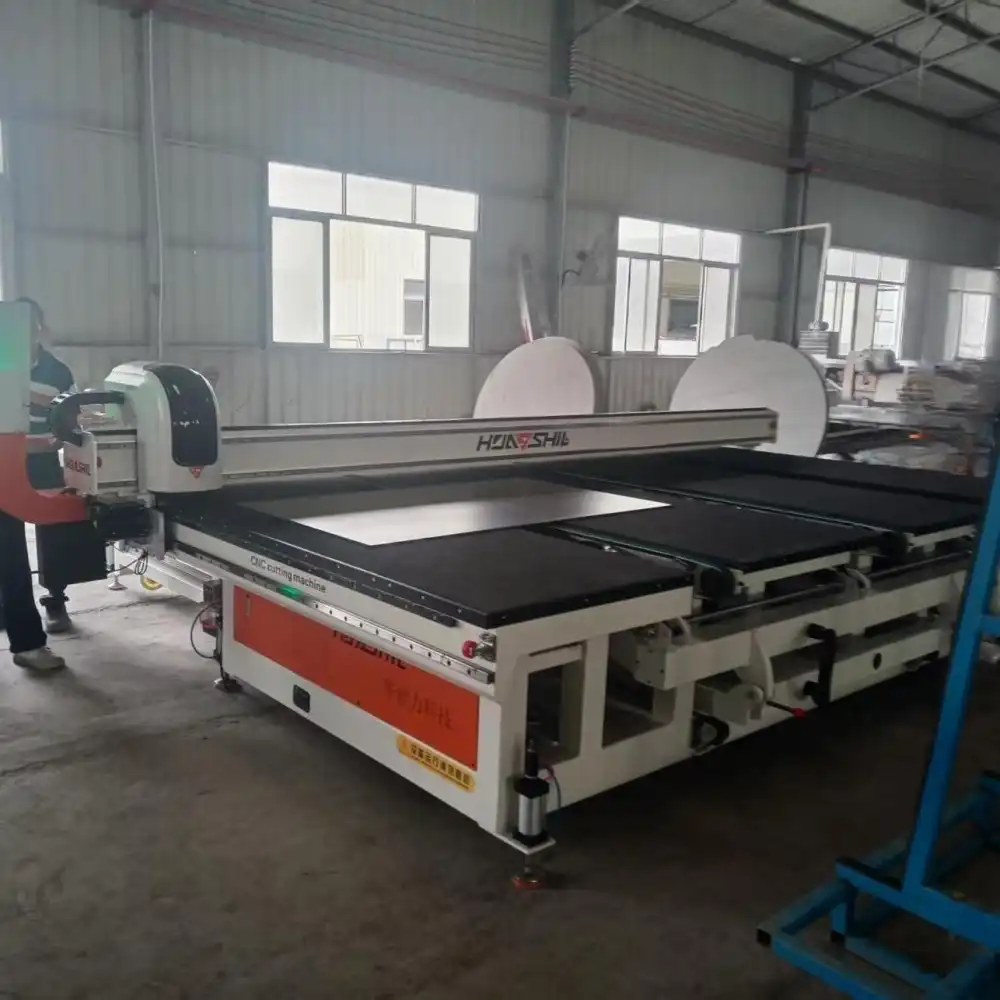
There are two main types of glass cutting tools: hand scoring tools and power cutting tables that do the work for you. A filling table, a cutting table, and a breaking table are all part of an automated system like the HUASHIL HSL-LSX6133. This three-table setup lets workers go from raw glass sheets to finished, cut pieces without stopping, which greatly cuts down on the time needed to handle the sheets and the chance that they will break.
How the HSL-LSX6133 Works
The HSL-LSX6133 can work with either above-ground or underground rail, which gives building managers choices based on floor space and how they want to set up their process. On each side of the machine, there are six gantry arms that make sure the pressure is stable and even across the whole sheet of glass. The biggest piece of glass that can go through the machine is 6100 x 3300 mm, which makes it perfect for large architectural and curtain wall glass panels. The 2+2 station configuration can be changed depending on how much is being made.
Key Advantages for Production Facilities
Here are the main benefits that this type of automated glass cutting system gives to businesses that buy from other businesses:
- Optima optimization software integration: The built-in Optima software calculates the most material-efficient cutting layout before the machine begins, reducing glass waste by optimizing nesting patterns across each sheet.
- Consistent cut precision: Automated pressure control and calibrated scoring heads maintain accuracy at ±0.1mm, which is critical for high-volume production runs where dimensional inconsistency causes downstream fitting problems.
- Scalable station design: The 2+2 station setup allows plant managers to configure output capacity based on current order volume without requiring major retooling.
These benefits directly address the most common production problems that glass factories have to deal with, such as cutting down on waste, speeding up work, and making sure that measurements are correct. If a facility is using manual or partially automated equipment now, switching to a fully integrated line like the HSL-LSX6133 can show results in the very first production run.
Common Challenges in Mobile Glass Cutting and How to Overcome Them
Inconsistent Scoring and Break Lines
Scoring with different depths is one of the most common problems in glass cutting with a mobile glass cutter machine. This usually happens when the scoring wheels are worn, the machine isn't properly oiled, or the pressure settings are off. The problem is easy to fix: check the scoring head once a week, replace the wheels at the manufacturer's suggested times, and make sure the fluid lubrication lines are clear and flowing properly before each shift.
Equipment Wear and Calibration Drift
Over time, any cutting table's mechanical parts will get a little worn out, which will make them less accurate in their position. In high-cycle settings, calibration drift is a known problem. This is when the cutting bridge slowly moves away from its programmed positions. At the start of each production week, operators should use reference glass pieces to do a calibration verification test. If you catch drift early, you can stop a group of wrong-sized cuts from going to the next step in the process.
Safety Risks During Sheet Handling
When loading by hand, there is a big chance that large glass sheets, especially ones that are close to 6100x3300mm, will break. The six gantry arms on each side of the HSL-LSX6133 help with this by supporting the sheet surface evenly. Still, when workers have to place glass by hand, they should always wear gloves that won't cut and use suction-cup moving tools. The safety rules should be posted where everyone can see at the machine station and gone over with the new operator.
Step-by-Step Guide to Enhancing Glass Cutting Performance
Step 1 — Assess Your Current Production Bottleneck
Find the places on your cutting line where you lose the most time or make the most waste before you change any tools or processes. Slow manual loading between cuts, having to re-score a lot of times because the breaks don't work right, and unplanned maintenance can all cause bottlenecks. For two weeks, keep track of these events. This will give you a clear picture of the data.
Step 2 — Configure the Optima Software for Your Order Mix
The HSL-LSX6133 comes with Optima cutting optimization software that lets workers enter the measurements and order details of a glass sheet. The software then automatically creates the best cutting sequence. Based on normal nesting efficiency benchmarks found in books about the glass processing industry, this feature alone can cut material waste by 10–15% in facilities that handle multiple project orders at the same time compared to manual layout planning.
Step 3 — Tune Pressure and Speed Settings Per Glass Type
Scoring pressure and cutting speed have different effects on float glass, laminated glass, and low-E covered panels, among other types of glass. Start with the factory settings that the maker suggests, and then use scrap material to make test cuts when moving between types of glass. Write down the settings that give you clean breaks with little edge chipping. Over time, your team builds a reference library that gets rid of the need to start each new production run from scratch and try things out.
Comparison and Selection Criteria for Mobile Glass Cutter Machines
Automated Table Systems vs. Handheld Portable Cutters
Fully automated cutting tables are better than handheld or portable glass cutters for large-scale production in terms of throughput, accuracy, and worker safety. While a mobile glass cutter machine can be useful for installation work on-site, they aren't made to meet the needs of architectural glass plants, curtain wall fabricators, or furniture glass producers when it comes to volume or dimensional consistency. An automatic table system is the right type of tool for your business if it works with more than a few hundred square meters of glass every day.
Evaluating the HSL-LSX6133 Against Production Requirements
When procurement teams look at any cutting machine, they should make sure of four things: the largest glass size that it can handle, its software optimization features, how flexible its stations are, and how long it offers after-sales support. The HSL-LSX6133 takes care of all four: it can handle sheets up to 6100x3300mm, runs Optima stacking software, has 2+2 stations that can be set up however you want, and is backed by HUASHIL's expert service team. OEM buyers and system developers who are building whole processing lines can also get help from HUASHIL with customization and ODM.
Total Cost of Ownership Considerations
The price paid for the investment is only one part of the equation. Buyers should also think about how the machine will be installed, how long it will take to get extra parts, and what the guarantee covers. Before signing a contract, HUASHIL gives the procurement and finance teams thorough technical paperwork, standard guarantee terms, and promises about the availability of spare parts. These things help them make an accurate TCO model.
Procurement Guide: Where and How to Buy Mobile Glass Cutter Machines
Sourcing Channels for Industrial Buyers
People in the U.S. who buy from businesses usually start their search on company websites, Made-in-China and other business-to-business websites, and trade shows for their field. When it comes to big pieces of equipment like automated glass cutting lines, the most reliable way to get help is to talk to the manufacturer directly. It lets buyers ask for technical details, set up video tours of factories, and directly negotiate business terms.
What to Request Before Committing
Before you sign off on a buy order for an automated glass cutting system, ask your provider for the following:
- Full technical specification sheet including rail type options, station count, and compatible glass thickness range
- Optima software documentation and sample layout optimization reports
- References from existing customers in comparable industries or production scales
- Warranty terms, spare parts lead times, and remote technical support arrangements
Payment and Delivery Terms
When two businesses in different countries buy or sell capital goods, the standard way to pay is with a deposit and the rest, or a Letter of Credit for bigger sales. Early on in the negotiation process, make sure you know when the equipment will be delivered. This is especially important if your facility has a planned production expansion window that the new equipment needs to fit into.
Conclusion
To get better at cutting glass with a mobile glass cutter machine, you need to pick the right tools, set them up correctly, and keep them in good shape. With its three tables, Optima optimization software, six gantry arms on each side, and largest glass size of 6100×3300mm, the HUASHIL HSL-LSX6133 is a reliable base for production facilities that need to process a lot of glass accurately. The fastest way to get measurable results is to match the specs of your tools to the needs of your output, whether you're building a new line or upgrading an old one.
FAQ: Mobile Glass Cutter Machines
1. How often should scoring wheels be replaced on an automated glass cutting table?
Scoring wheel replacement frequency depends on production volume and glass type. For high-volume facilities processing hard or coated glass, inspect wheels weekly and replace them every 4–6 weeks. For lighter production, monthly inspection is typically sufficient. Always follow the manufacturer's specific guidance.
2. Can the HSL-LSX6133 handle laminated and coated glass?
Yes. The machine's adjustable pressure settings and configurable scoring parameters allow it to process different glass types, including laminated and coated panels. Operators should run test cuts when switching glass types and document the optimal settings for each material.
3. What does the Optima software do?
Optima is a nesting and layout optimization program that calculates the most material-efficient cutting sequence for each glass sheet based on your order dimensions. It reduces scrap and speeds up job changeovers.
4. Is the above-ground or underground rail option better?
Both options deliver equivalent cutting performance. The choice depends on your facility's floor layout, drainage considerations, and whether you plan to integrate the cutting table with other equipment. HUASHIL's technical team can advise based on your floor plan.
Partner With HUASHIL for Your Next Glass Cutting Line
HUASHIL is a reliable company that makes mobile glass cutter machines and has a strong track record of providing good technical service. It's made to work in high-stakes production settings, and our team is ready to help you choose the best configuration for your building. You can ask for a technical datasheet, machine video, or business proposal by emailing salescathy@sdhuashil.com.
References
1. Glass Processing Technology: Principles and Industrial Applications — Bray, C., A&C Black Publishers, 2001.
2. Automation in Flat Glass Manufacturing — Glass International Magazine, 2022.
3. Cutting Optimization Software in Sheet Material Processing — Journal of Manufacturing Processes, 2020.
4. Industrial Glass Processing Equipment: Market Overview and Technology Trends — Freedonia Group, 2023.
5. Occupational Safety in Glass Fabrication Facilities — National Glass Association, 2021.
6. Total Cost of Ownership Analysis for Capital Equipment Procurement — Plant Engineering Magazine, 2019.