




For commercial use, the choice between a portable tile cutting machine and a wet tile saw depends on the needs of the project, the amount of work that needs to be done, and the working conditions. Portable tile cutting tools are very flexible and easy to move around, which makes them perfect for work on-site and cutting a wide range of materials. On the other hand, wet tile saws are more accurate and better at controlling dust for high-volume workshop uses. When procurement professionals know the specific benefits of each cutting option, they can make choices that help their production processes be more productive and save money.
Introduction
As technology has improved, the tile and stone cutting business has changed a lot. Now, buying managers have access to more advanced cutting options that directly affect the speed, accuracy, and safety of projects. No matter if you're buying tools for making architectural glass, curtain walls, or furniture, picking the right cutting technology—a portable tile cutting machine or a wet tile saw—is an important investment decision that will have long-lasting effects on your business.
Modern cutting tools are used in many fields, from making solid stone to making clay slabs. When choosing between portable and fixed cutting options, you need to think about things like the types of materials that can be used, the amount of work that can be done, the room you have available, and the long-term costs of running the machine. This in-depth study talks about the most important things that plant directors and engineering managers need to think about when they are choosing tile cutting tools for their businesses.
Knowing the subtle differences between these cutting technologies helps procurement teams match the skills of tools with the needs of operations. The comparison below looks at performance measures, real-world applications, and cost factors that affect buying choices in today's competitive manufacturing market.
Understanding Portable Tile Cutting Machines and Wet Tile Saws
Design and Operational Technologies
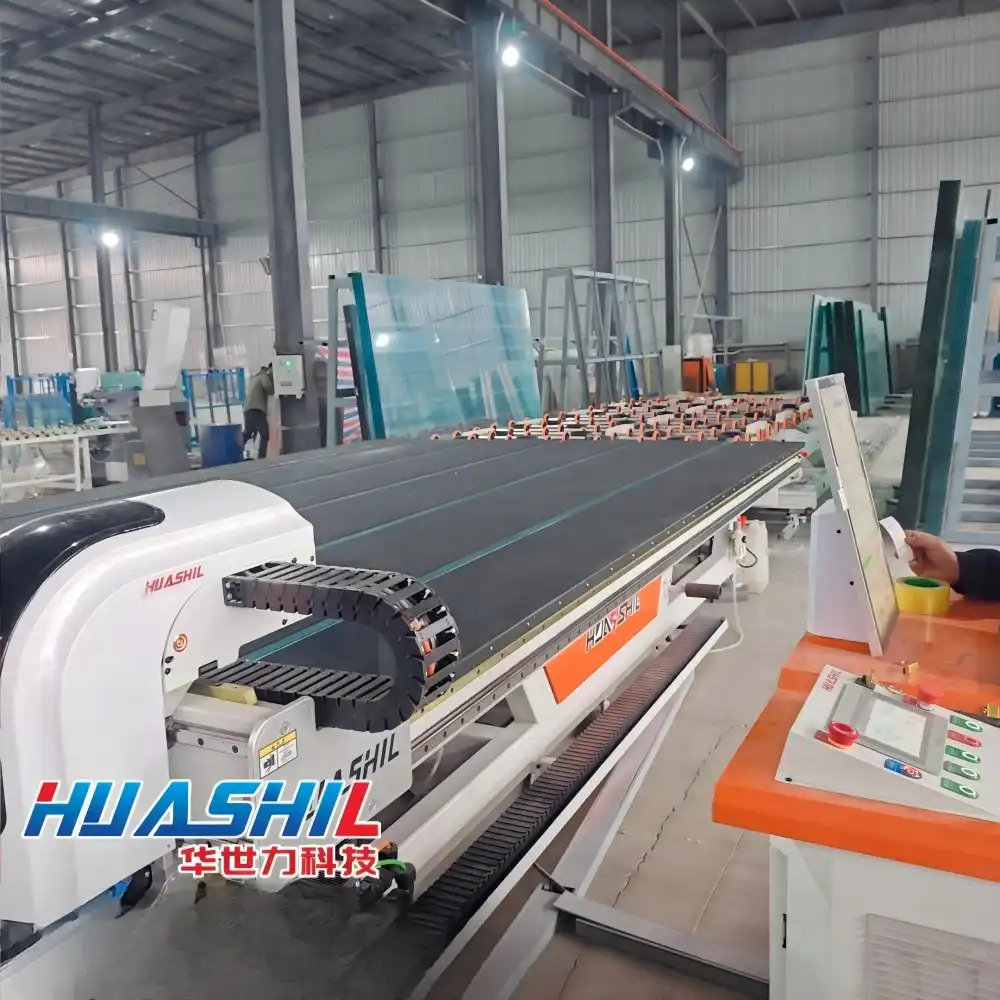
When it comes to cutting tiles, portable tile cutters are engineering solutions that are made to be as mobile and flexible as possible. Most of the time, these machines have light metal frames, cutting heads that are precisely designed, and advanced control systems that can be used with or without a cord. Diamond-tipped blades or special cutting wheels are used in the cutting process to work with a variety of materials, such as ceramic tiles, natural stone, and sintered stone blocks.
Modern portable tile cutting machine systems use high-tech features like automatic pressure control, edge-finding, and air float systems to make cutting more precise and less tiring for the user. Most of the time, these machines can cut materials up to 18 mm thick, and the largest work area some of the more modern types can handle is 2700 x 1600 mm. Because the equipment is portable, workers can bring it directly to the job site, saving money on material handling costs and cutting down on project timelines.
Wet Tile Saw Specifications and Capabilities
For example, wet tile saws use water-cooled cutting systems that keep blade temperatures within the best ranges for ideal performance while reducing dust production. These fixed units have strong motor assemblies, precise guide systems, and built-in water circulation systems that make sure the quality of the cuts stays the same over long production runs.
The wet cutting process greatly lowers the number of particles in the air, which makes these tools perfect for workshops that need to follow air quality rules. Water movement systems not only cool things down, but they also clear the cutting line of dirt, which makes it easier to see and cuts more accurately. Most of the time, these units can handle bigger tile sizes and thicker materials. Some industrial types can even handle slabs that are thicker than 30 mm.
Comparing Portable Tile Cutting Machines with Wet Tile Saws
Performance Metrics and Cutting Accuracy
Comparing the performance of portable tile cutting machines and wet tile saws shows that each has its own benefits, based on the needs of the job. With errors as small as ±0.2mm, portable units are very accurate and can be used in situations where exact measurements need to be kept. Because dry cutting doesn't use water, there are no worries about damaging delicate materials or work areas where water can cause problems.
Cutting speed is very different between the two technologies, depending on the type of material and how thick it is. Portable tools are great because they can be set up and used right away, so workers can start cutting as soon as they get to the job site. The movement benefit saves a lot of time on projects that need to cut in more than one place or when working with materials that have already been installed.
It is better to use a wet tile saw for long-term cutting jobs, especially when working with hard materials like ceramic tiles or thick natural stone. The constant cooling from moving water keeps the blades from getting too hot, so they can keep cutting at the same speed for long production runs. This feature is very useful for factories that make a lot of things, because consistent output directly affects profits.
User Convenience and Safety Features
When choosing tools, operator comfort is very important, especially for companies that put a high value on safety and speed at work. Portable cutting tools are easy to use because they have user-friendly controls that require little training. The lightweight design makes it easier on operators' bodies, and cordless types get rid of the trip risks that come with power cords in busy workplaces.
Modern portable units have safety features like blade guards, emergency stop mechanisms, and vibration-dampening systems that keep operators from getting tired after long periods of use. The dry cutting process gets rid of the electrical risks that come with water-cooled systems. This means that movable units can be used in places where electrical safety is very important.
Wet tile saws have a lot of safety features, like sensors that check the water level, automatic shut-offs, and cutting areas that are closed off and contain both water spray and waste. The fixed design makes the cutting platforms stable, which makes it easier for operators to control the machine and lowers the risk that the material will move while it's being cut. But when there is water around, extra safety rules need to be followed to keep electricity risks from happening and to keep work areas from becoming slippery.
Practical Applications and Use Cases in B2B Procurement
On-Site Flexibility and Construction Applications
The abilities of movable portable tile cutting machines are very helpful for building and remodeling jobs. When material needs to be cut on the spot, like when installing floors, remodeling bathrooms, or making changes to the structure of a building, these tools work great. Being able to bring cutting tools straight to installation sites cuts down on the cost of moving materials and the chance of damage happening during transport.
Architectural glass fabrication plants use movable cutting systems for unique setups that need to be adjusted precisely on-site. Portable units are flexible enough that workers can work with toughened glass, laminated panels, and unique glazing products without having to use more than one cutting system. This versatility comes in handy for projects that need irregular forms or complicated patterns that can't be cut out ahead of time in a workshop.
Portable cutting tools are used by curtain wall construction teams to make changes and adjustments in the field, which are bound to happen during complex building projects. Precision cutting makes sure that the fit and finish are right, and it keeps projects on schedule. Portable cutting skills are also helpful for emergency repairs because they let you quickly fix damage or make changes.
Workshop Applications and High-Volume Production
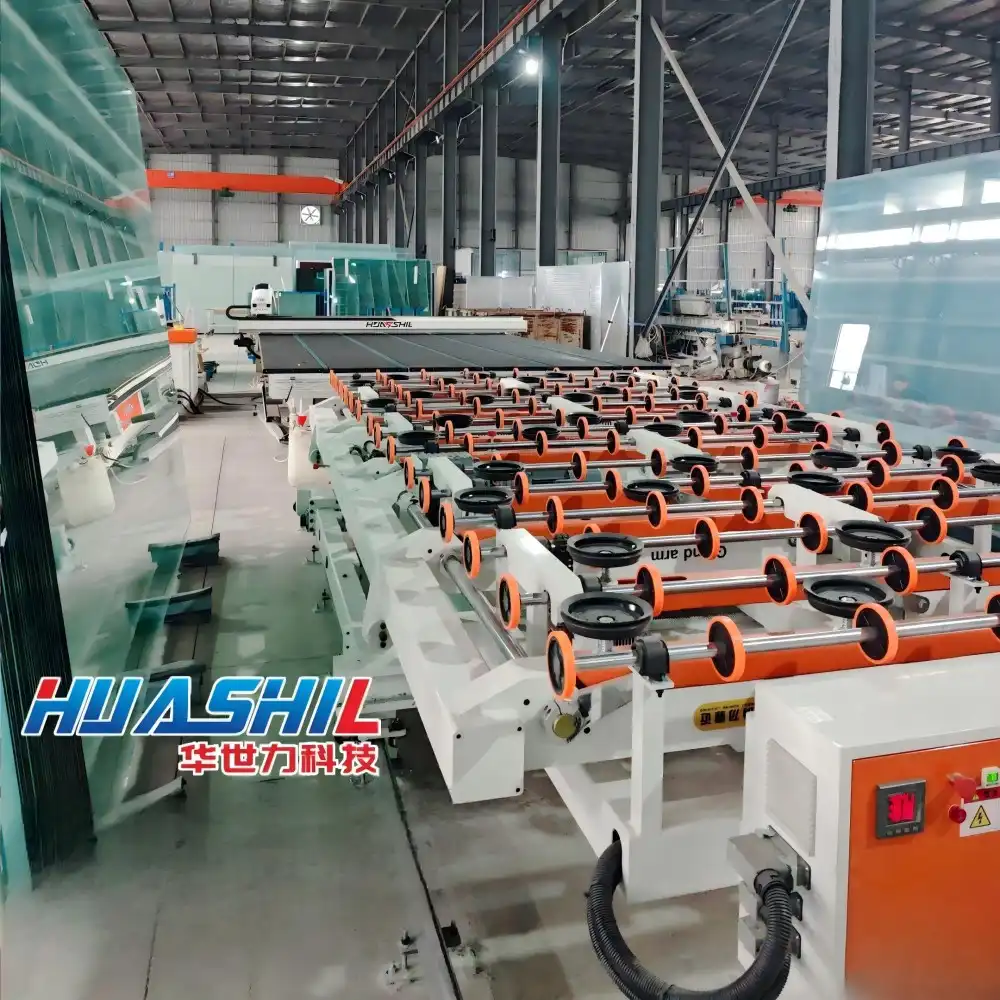
Wet portable tile cutting machine setups are usually preferred by high-volume manufacturing plants because they are consistent and work well in controlled settings. Wet cutting systems are better at controlling dust and can be used continuously, which is helpful for sintered stone makers who work with large amounts of material. Automated feeding systems and material handling tools that improve production flow can be built into the stationary form.
Wet tile saws are used by furniture makers who work with glass and stone to cut artistic panels, table tops, and building elements with great accuracy. The water cooling system keeps the blades sharp for longer, which lowers the cost of replacing tools and makes sure that the quality of the edges stays the same throughout production runs. Wet cutting systems that are used in workshops have stable cutting platforms and regular working conditions that help with quality control.
To meet the needs of a wide range of customers, distribution hubs and custom fabrication shops often keep both cutting methods on hand. Wet tile saws are used for standard production items and large orders, while portable tools are used for custom orders and unique projects. This two-technology method increases operating flexibility and makes the best use of equipment.
Making the Decision: Which Tool Best Fits Your Business Needs?
Project Scale and Volume Considerations
To choose the right cutting technology, you need to carefully look at your production needs, the size of the project, and your operating limitations. Wet tile saw setups usually give better return on investment to businesses that process a lot of similar materials. The higher cost of the initial investment is balanced by lower costs per unit of production and longer equipment life if it is well taken care of.
Portable tile cutting machines may be more flexible and have a lower total cost of ownership for smaller businesses or those that work with a wide range of materials. Using the same piece of equipment for different types of projects cuts down on the amount of money needed for capital while keeping operating capability. When looking at equipment choices, think about the types of projects you usually work on. In specialized operations, dedicated equipment is best, while in varied operations, flexible solutions are best.
The budget should include more than just the original buy price. It should also include operating costs, maintenance needs, and training costs. Most of the time, portable cutting tools don't need as much infrastructure investment and can be used as soon as they arrive. Wet tile saws might need power upgrades, water supply lines, and drainage systems, all of which add to the cost of setting them up the first time.
Total Cost of Ownership Analysis
An in-depth cost study must take into account the costs of replacing blades, the amount of energy used, the need for upkeep, and the possible costs of downtime. Most portable cutting tools use less energy and don't need many changes to the building, which lowers the costs of doing business. However, based on the material and how often it is cut, dry cutting may cause blades to wear out faster.
Wet portable tile cutting machine saws have longer blades in many situations because they are constantly cooled. This could make up for higher operating costs by lowering the cost of replacing tools. Using more water and having to get rid of waste adds to the costs of running the business, but better cutting quality and less waste may make up for it. When looking at wet cutting methods, things like local energy costs and environmental rules should be taken into account.
When figuring out total costs, labor costs play a big role. Portable cutting tools can usually be used by one person, but wet tile saws might need extra help moving and setting up the materials. Different technologies have different training needs. For example, movable tools usually don't need as much specialized knowledge to work well.
Supplier and Brand Comparison Insights
Industrial Cutting Equipment Manufacturers
There are a number of well-known companies in the industrial cutting equipment market that make both movable and fixed cutting tools. DeWalt has a strong position in the portable cutting market with tough designs that can be used in building. Their goods usually last a long time and come with full warranty coverage, which is why contractors and smaller production operations like to buy them.
Makita is known for coming up with new ideas in compact cutting technology, especially in battery-powered systems that don't need cords. Their engineering focus on ergonomics and user comfort makes them appealing to companies that put safety and efficiency at work first. The global service network makes sure that parts and expert help are available in a wide range of markets.
Precision engineering skills from European companies like Bosch are used in both portable and fixed cutting systems. A lot of their goods have advanced control systems and automatic features that make them useful for factories that make a lot of things. When it comes to long-term purchases, these systems are a good choice because they are built to last.
Evaluation Criteria for Supplier Selection
Product quality, service network skills, customization options, and long-term company security should all be taken into account when evaluating a supplier. When it comes to standardizing portable tile cutting machine tools and training across multiple cutting uses, manufacturers with full product lines are helpful. Think about sellers with local service reps to make sure that upkeep and repair needs are met quickly.
For specialized uses or special production needs, the ability to customize becomes very important. Some makers are very good at making customized equipment setups or special tools that make certain jobs more productive. OEM and ODM support choices let businesses choose the features of tools that work best for their specific needs.
The level of after-sales help varies a lot between suppliers and has a direct effect on how well the equipment works in the long run. When choosing suppliers, you should look at their training programs, expert help, parts inventory systems, and guarantee coverage. Companies doing business all over the world should give priority to companies that can provide services in more than one language to make sure that all of their sites get the same level of support.
Conclusion
Before choosing between portable tile cutting machines and wet tile saws, you need to carefully consider your operational needs, output rates, and the space limitations of your workplace. Portable cutting systems are great for jobs that need to be mobile, flexible, and easy to set up quickly. This makes them perfect for building sites, remodeling projects, and custom fabrication work. Wet tile saws work best in high-volume production settings where controlling dust, making precise cuts, and keeping the machine running for a long time are important. In the end, the choice is made by weighing the costs of the initial investment against the benefits of running the business in the long term, taking into account things like the type of materials used, the amount of output, and the limitations of the facility.
FAQ
Q1: What factors should determine my choice between portable and wet cutting systems?
The primary decision factors include production volume, material types, workspace constraints, and mobility requirements. High-volume operations processing similar materials typically benefit from wet tile saw installations, while diverse applications requiring on-site cutting favor portable systems. Consider your typical project mix and operational environment when evaluating options.
Q2: How do maintenance requirements differ between portable and wet cutting systems?
Portable cutting machines generally require less maintenance due to simpler mechanical systems and the absence of water circulation components. Wet tile saws require regular water system maintenance, including pump servicing and filtration system cleaning. Both systems benefit from regular blade inspection and replacement schedules based on usage patterns.
Q3: Can portable cutting machines handle large-scale commercial projects?
Modern portable cutting machines possess capabilities sufficient for most commercial applications, particularly when multiple units are deployed. The HSL-CNC2716 model accommodates materials up to 2700x1600mm, making it suitable for substantial commercial cutting requirements while maintaining portability advantages.
Partner with HUASHIL for Advanced Cutting Solutions
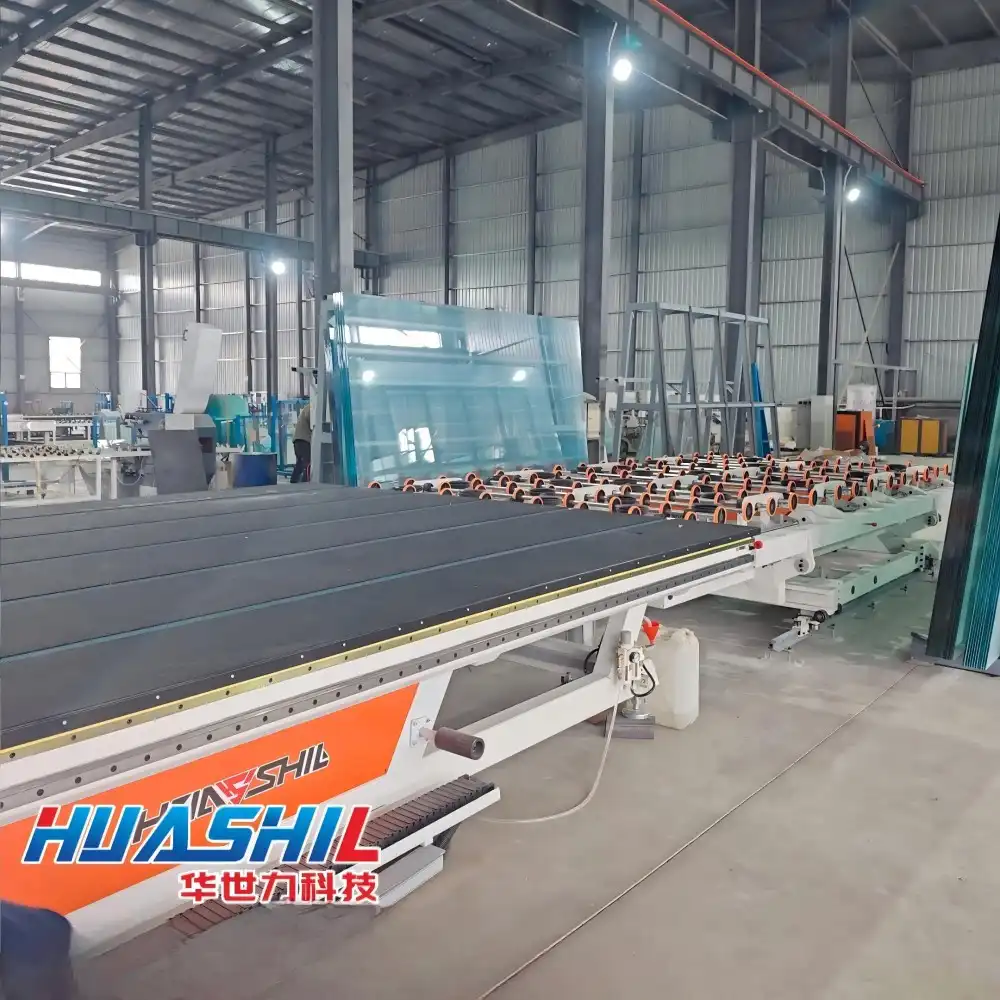
HUASHIL delivers cutting-edge portable tile cutting machine technology designed to optimize your manufacturing operations. Our HSL-CNC2716 system combines precision engineering with advanced automation features, including automatic pressure control and air flotation systems. As a trusted portable tile cutting machine supplier, we provide comprehensive support from initial consultation through long-term maintenance services. Contact our team at salescathy@sdhuashil.com for detailed specifications and customized quotes.
References
1. Industrial Cutting Equipment Market Analysis and Technology Trends, Manufacturing Technology Institute, 2023.
2. Comparative Study of Dry vs. Wet Cutting Methods in Ceramic and Stone Processing, Journal of Industrial Manufacturing, 2023.
3. Safety Standards and Best Practices for Portable Industrial Cutting Equipment, Occupational Safety and Health Administration Guidelines, 2022.
4. Total Cost of Ownership Analysis for Industrial Cutting Systems, Procurement Management Quarterly, 2023.
5. Automation Technologies in Modern Tile and Stone Processing Equipment, Advanced Manufacturing Research, 2023.
6. Global Market Survey of Portable vs. Stationary Cutting Equipment in Construction and Manufacturing Sectors, Industrial Equipment Review, 2022.