




PV glass double edging machine suppliers and vendors supply machines for grinding two parallel edges of photovoltaic glass at the same time. This avoids handling steps and keeps edge size constant. When I look at suppliers, I compare wheel arrangement, servo control, opening range, and personalization. HUASHIL produced a double edging machine with 12 grinding wheels on each side, servo opening and closing, servo conveying. This article discusses how the machine works, what characteristics count, and how to appraise a provider before you make an inquiry.
What a PV Glass Double Edging Machine Does
Definition and Role in Photovoltaic Glass Processing
The double edging machine grinds two opposing edges of a sheet of glass at one time. Normally, I see it at a solar glass factory after the cutting and before the washing, tempering, or module assembly. Both sides are operated simultaneously; hence, operators handle each sheet less often, and both edges are made from the same setup. Single-edge machines need a second pass, or a flip of the glass, adding an additional step that costs time and increases the possibility of scratches. A double edger takes it off. Good for businesses that run numerous sheets every shift.
Why Edge Quality Matters for Solar Panels
Small chips on the margins of glass create weak spots where the glass normally begins to shatter. Smooth, even edges minimise the possibility of breaking during tempering, shipping, and lamination. They also make sheets easier to lift for the workers. Good glass matters from the initial production phase, since module standards like IEC 61215 demand mechanical stress and thermal cycle testing for panels. I tell purchasers, a clean edge costs a lot less than a trashed sheet.
Typical Applications and Glass Types
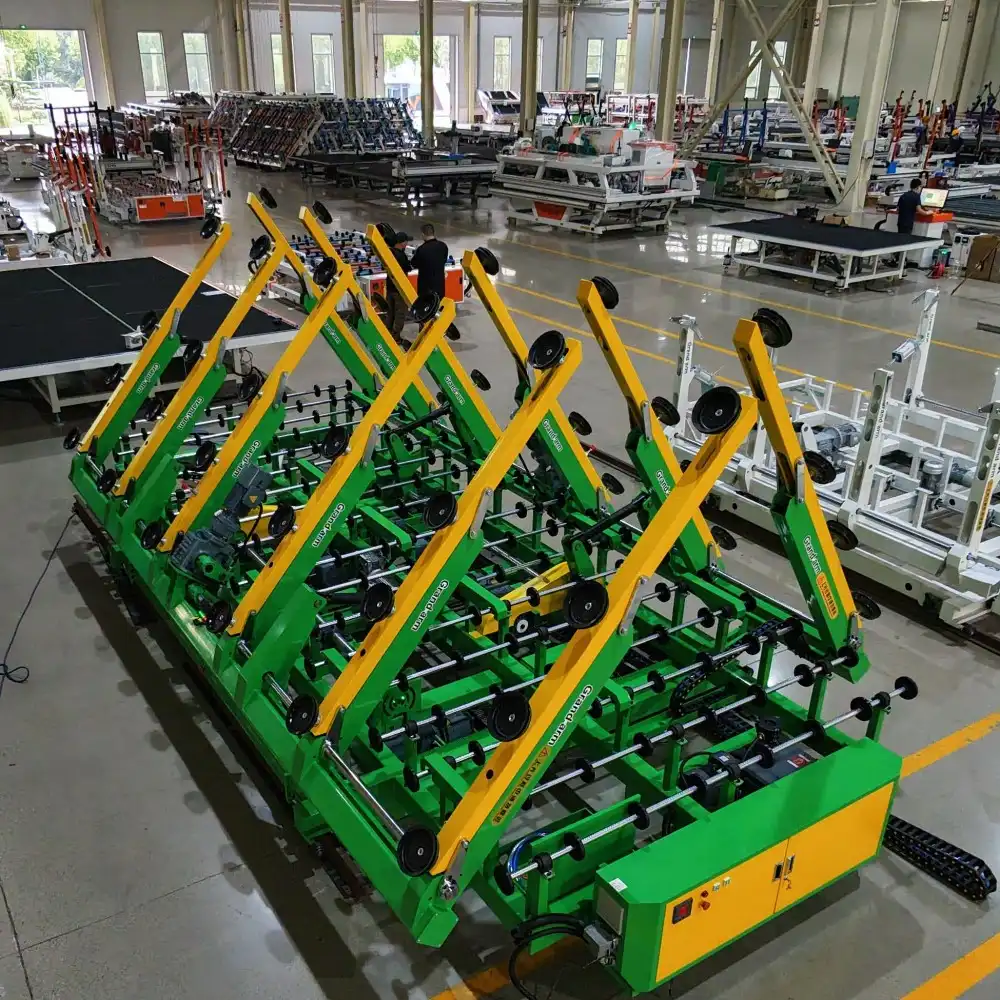
Our double edging machine is suitable for architectural glass such as doors, windows, curtain walls, and partitions. It also provides automobile glass, smart mirror glass, and furniture or ornamental glass. The machine will handle flat and mitred edges. The glass type, thickness, and dimensions vary from plant to plant; thus, I would advise sharing your specific sheet data with our experts first. Demand provides a cause to prepare ahead: SEIA and Wood Mackenzie predicted around 32 GWdc of new U.S. solar capacity in 2023, keeping module and glass demand strong.
How the Machine Works and Which Features Matter
Loading, Positioning, and Conveying
The glass comes onto a conveyor, and the machine lines it up before grinding. The HUASHIL machine has a servo motor that regulates the conveying, so the sheet travels at a constant, preset speed. The two sides are controlled by a second servo motor for automated opening and closing. The opening range is between a minimum of 0.35 m and a maximum of 2.5 m. The range allows one pv glass double edging machine supplier to handle small and big sheets without manual rail adjustments. It is important to feed consistently, since unequal feed speed might generate uneven grinding marks.
Simultaneous Double-Side Grinding
On each side are 12 grinding wheels. The arris is formed by two top chamfering wheels and two lower chamfering wheels. Eight flat grinding wheels are used to complete the edge face. Both sides work together. You make two edges in one pass. Diamond grinding often uses water cooling to manage heat and flush away glass slurry, so I ask each provider to put in writing the details of their cooling and filtering arrangement. That response says a lot regarding long-term wheel life and edge finish.”
Automation and Control System
The equipment is controlled and adjusted using a PLC touch screen. Combined with servo control on opening, shutting and conveying it allows operators to alter settings from the screen instead of using hand tools. When I compare machines, I inquire about recipe storage, alerts, and remote diagnostics, since they save time during changeovers and repairs. Not all options are standard. Check your quote for the specific controls. HUASHIL is able to adapt the machine for your line plan and glass range.
How to Choose Among PV Glass Double Edging Machine Suppliers
Supplier Experience and Customization
Look for a provider with proven export experience and experts who address technical issues in depth. Shandong Huashil Automation Technology Co., LTD is an integrated enterprise of R&D, manufacturing, and sales of mechanical equipment. We have years of production experience and export experience. Ask each provider for installation images, videos, and references. Ask whether it can accommodate your line’s opening range, wheel configuration, or conveyor length. HUASHIL machines may be modified, which is helpful for integrators and facilities with unconventional layouts.
Sample Testing and Factory Acceptance
Catalog data gives just half of the tale. I would suggest sending a sample piece of pv glass double edging machine suppliers and requesting a report on the edge quality, cycle time, and chip rate. Ask for a factory acceptance test where your team examines measurements and operates the equipment before delivery. Include contract acceptance requirements, installation, training, warranty, and replacement parts provisions. Plant managers, engineers, and buying teams may then evaluate the same document, which shortens approval time for bigger projects.
Price and Total Cost of Ownership
A low quotation can be hiding some missing pieces. See whether it has conveyors, grinding wheels, water systems, packing, shipping, installation, and training. Then add labor, energy, water treatment, consumables, maintenance, and downtime to see the true cost. Dividing annual cost by sheets processed yields a cost per sheet you may compare between vendors. Common export payment arrangements include a deposit plus final payment, or a Letter of Credit. Single machines may shut in weeks, but whole lines might take three to six months.
Maintenance and the Buying Process
Common Problems and Causes
Uneven grinding, excessive chipping, scratches, and size drift are frequently explained by a short list of factors. These might be: worn wheels, feed speed too high, pressure incorrect, conveyor misalignment, cooling nozzles obstructed, sensor problems. Vibration is usually a sign of bearing wear. When I troubleshoot, I look at wheels and cooling first, since they have the most immediate effect on edge finish. Record each defect and the repair applied. These logs assist your vendor in providing quicker remote support.
Daily, Weekly, and Monthly Maintenance
Daily - check water flow, clean slurry. Check filters, belts, rollers, and guides weekly. Check sensors, bearings, and electrical connections monthly. Add them to the timetable; servo-driven opening and conveying systems need clean tracks and proper alignment as well. Pre-agreement on spare part supply, lead times and replacement methods. Your line does not wait for one wheel with a contract covering worn parts and delivery periods.
Recommended Buying Process
Technical brief including glass length, breadth, thickness, edge profile, output goal, floor space, utilities, and electrical standard. Choose two or three vendors and submit a sample of the glass for testing and findings. State the factory acceptance, site acceptance, delivery, warranty, and payment conditions in the contract. This order reduces misconceptions and delays in commissioning and provides all decision makers with the same data.
Conclusion
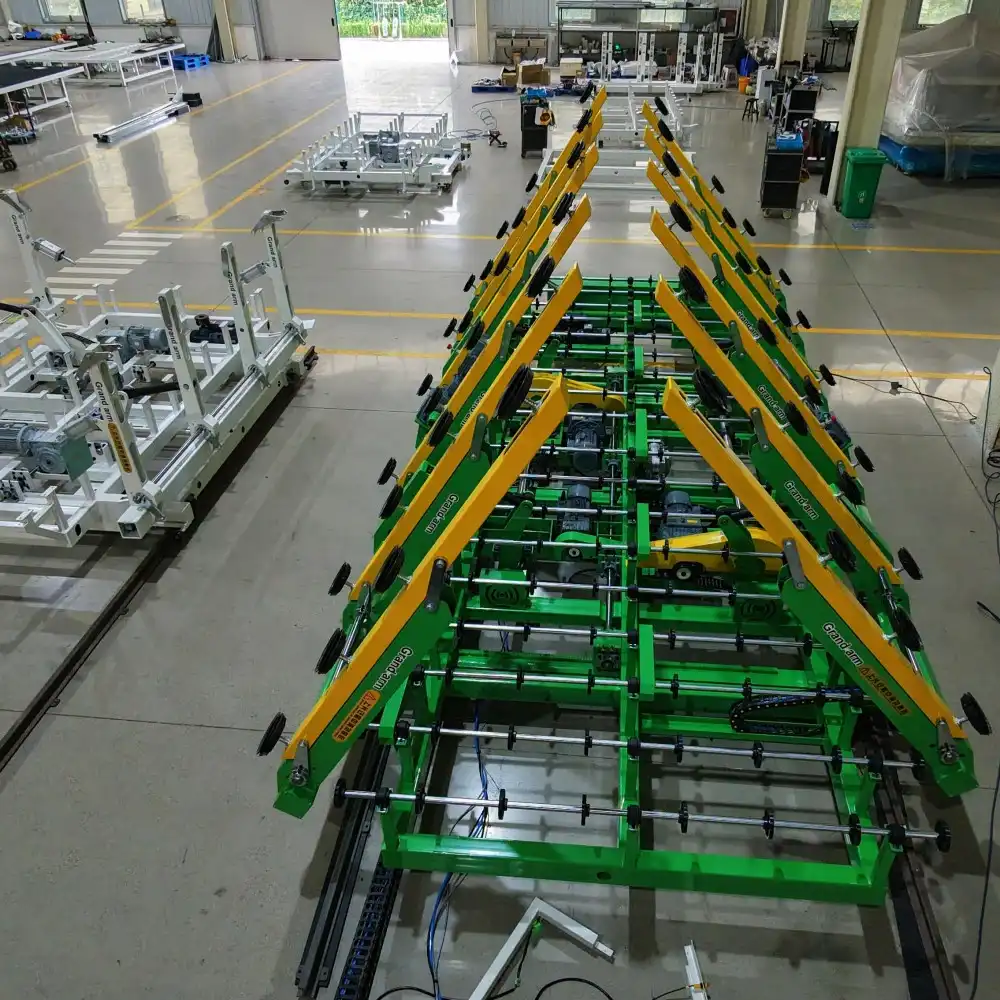
A pv glass double edging machine supplier grinds two parallel edges in one pass, reducing handling and allowing constant edge quality before tempering, lamination, and module operations. Main elements for comparison: wheel arrangement, servo-controlled opening & conveying, opening range, PLC controls, and customisation. The HUASHIL machine has 12 wheels per side and expands from 0.35 meters up to 2.5 meters. Supplier selection is based on expertise, sample testing, factory acceptability, and the overall cost of ownership, not only the headline price. Regular maintenance and transparent spare-parts terms maintain edge quality and uptime at a constant level. A structured purchase procedure reduces technical and commercial risk.
FAQ
1. What is a PV glass double edging machine used for?
It grinds and shapes two parallel edges of glass sheets at the same time, so both sides finish in one pass.
2. How do I choose between an automatic and semi-automatic machine?
Match the automation level to your volume, labor, and product mix. Automatic machines suit high-volume, fixed lines, while semi-automatic machines suit smaller plants or pilot lines. Compare total cost of ownership, not only purchase price.
3. What specifications should I request from PV glass double edging machine suppliers?
Ask for glass size, thickness range, wheel layout, opening range, speed, edge profile, tolerance, utilities, and controls. HUASHIL offers 12 wheels per side and a 0.35 to 2.5 meter opening range.
4. What maintenance does the machine need?
Clear slurry daily, check cooling water, and inspect wheels, alignment, sensors, and belts. Replace wear parts on a set schedule.
Contact HUASHIL for PV Glass Double Edging Machine Supplier Support
Looking for a pv glass double edging machine supplier manufacturer you can talk to directly? Send HUASHIL your glass size, thickness, edge profile, target output, and destination country at salescathy@sdhuashil.com. Our engineers will reply with a matched configuration, drawings, quotation, and delivery plan, and we can customize the machine to your line.
References
1. International Energy Agency, Special Report on Solar PV Global Supply Chains, 2022.
2. Fraunhofer Institute for Solar Energy Systems, Photovoltaics Report, 2024.
3. SEIA and Wood Mackenzie, U.S. Solar Market Insight Year in Review, 2024.
4. International Electrotechnical Commission, IEC 61215-1 Terrestrial Photovoltaic Modules: Design Qualification and Type Approval, 2021.
5. ASTM International, ASTM C1048 Standard Specification for Heat-Strengthened and Fully Tempered Flat Glass, 2018.
6. ASTM International, ASTM C1036 Standard Specification for Flat Glass, 2021.