




If you are sourcing equipment for photovoltaic glass processing, choosing among credible PV glass double edging machine suppliers is one of the most consequential decisions your production team will make. This guide is written for plant managers, procurement supervisors, and technical engineers who need a clear, practical framework—from understanding machine specifications to evaluating supplier credentials, negotiating contracts, and managing post-installation support. Whether you are upgrading an existing line or building a new facility, the insights here will help you make a confident, well-informed purchase.
Understanding PV Glass Double Edging Machines
It only takes one pass for a PV glass double edging machine to grind, chamfer, and finish both edges of a glass panel. This simultaneous dual-edge processing cuts cycle time by a huge amount compared to running each edge through a single-spindle machine separately. It also keeps the dimensions more accurate, usually within ±0.1 mm on high-end automatic models.
Machine Categories and Core Specifications
In general, machines can be put into three groups: fully automatic, semi-automatic, and manual. Fully automatic types are the best for making a lot of photovoltaic glass because they require little to no work from a person and keep the quality high over long production runs.
There are 12 grinding wheels on each side of a well-built automatic model. Two upper chamfer wheels, two lower chamfer wheels, and eight flat grinding wheels make up one side. This setup makes sure that both a clean chamfer profile and a smooth flat grind are achieved in a single pass, which is very important for tempered solar glass that can't be fixed after it has been heated.
Double Edging vs. Single Edging
Single-spindle cutting only works on one edge at a time, so the user has to move the glass around, which can cause alignment problems and double the time spent on the floor. Double edging gets rid of the need to adjust the panels, which, according to industry data, can boost output by 40–60% on panels of the same size. This efficiency gain directly lowers the cost per unit and speeds up shipping times for PV module makers who make a lot of panels that are all the same size.
How to Choose the Right PV Glass Double Edging Machine Supplier
Not every company that makes equipment for edging two pieces of glass can meet the specific needs of photovoltaic glass production. You can protect your capital investment and production downtime by evaluating sources based on a structured set of criteria.
Before you make a decision, here are the main evaluation criteria you should look at:
- Technical capability: Confirm the machine uses servo motor control for both conveying and automatic width adjustment. Servo-driven systems respond faster and hold position more accurately than hydraulic or pneumatic alternatives, which matters when processing glass panels that range from 350 mm to 2,500 mm in width.
- Customization support: Your panel sizes, edge profiles, and production speeds are specific to your line. A capable PV glass double edging machine suppliers should offer OEM and ODM configurations, adapting wheel count, conveyor speed, and clamping pressure to your substrate.
- Certification and compliance: Look for CE marking or ISO-certified manufacturing processes. These credentials signal that the machine meets international safety and performance benchmarks accepted in the U.S. and European markets.
- After-sales infrastructure: Spare parts availability, remote diagnostics, on-site commissioning, and operator training are non-negotiable for automated equipment. Ask for documented mean time to repair (MTTR) commitments and parts lead times before signing.
- Total cost of ownership: Purchase price is only the starting point. Factor in energy consumption, grinding wheel replacement cycles, maintenance labor, and downtime risk when comparing quotes.
Once you have a short list of two or three sources that meet these requirements, ask to see a live or recorded example of a machine that can make panels and glass with the thickness and size you want. Seeing the edge quality of your material in real life clears up any questions that the specs alone can't answer.
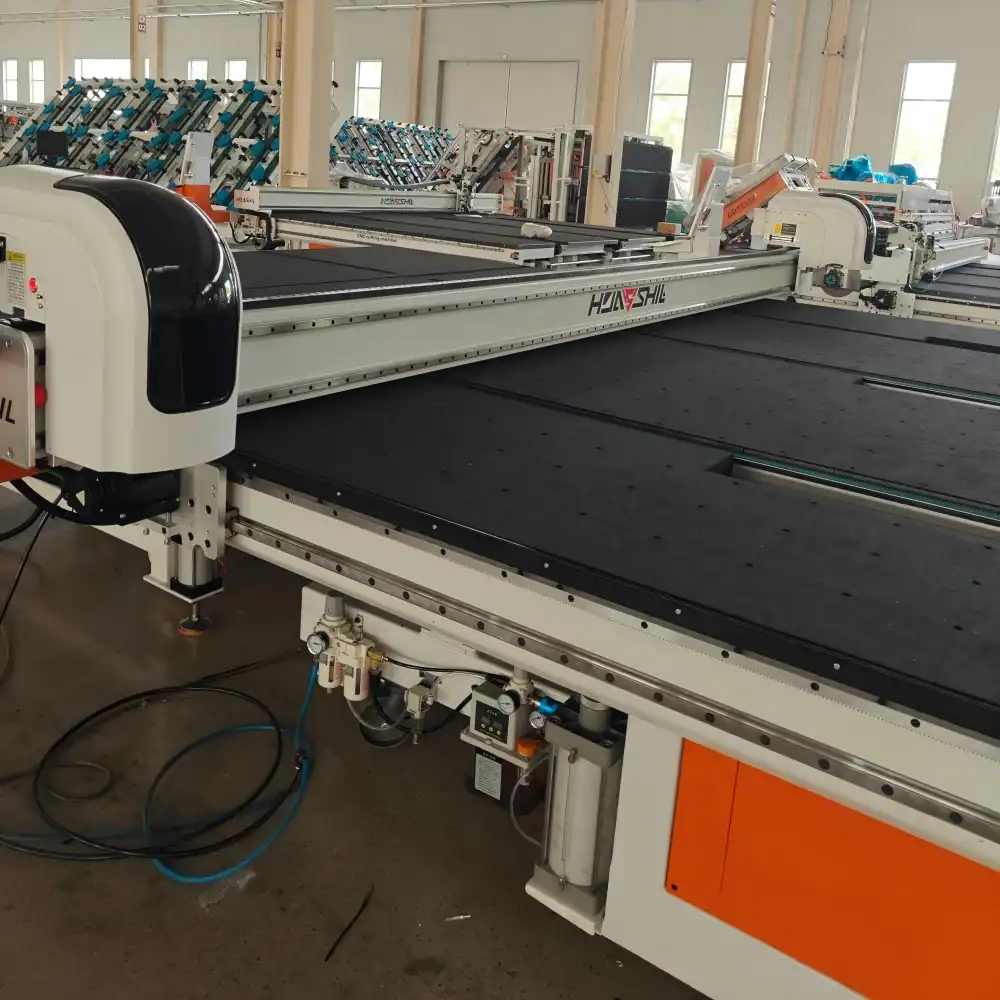
Top-Rated PV Glass Double Edging Machines and Supplier Benchmarks
The market for glass processing equipment has grown a lot, and now many companies make machines that are specifically designed for the precise measurements and clean surfaces needed for putting together photovoltaic modules.
What Distinguishes Leading Models
There are a few things that all high-performing bilateral glass edging machines have in common. Servo motors that control the moving speed let you precisely change the feed rate without any mechanical slip. This keeps the quality of the edge finish even as the wheel diameter gets smaller over time. Servo-driven automatic width adjustment with a working range of 350 mm to 2,500 mm means that one machine can handle all sizes, from small building panels to large-format solar glass, without having to change the tools by hand. PLC touchscreen interfaces cut down on the time needed to train operators and store recipes for common panel sizes, which speeds up the changeover process on production lines that use more than one format.
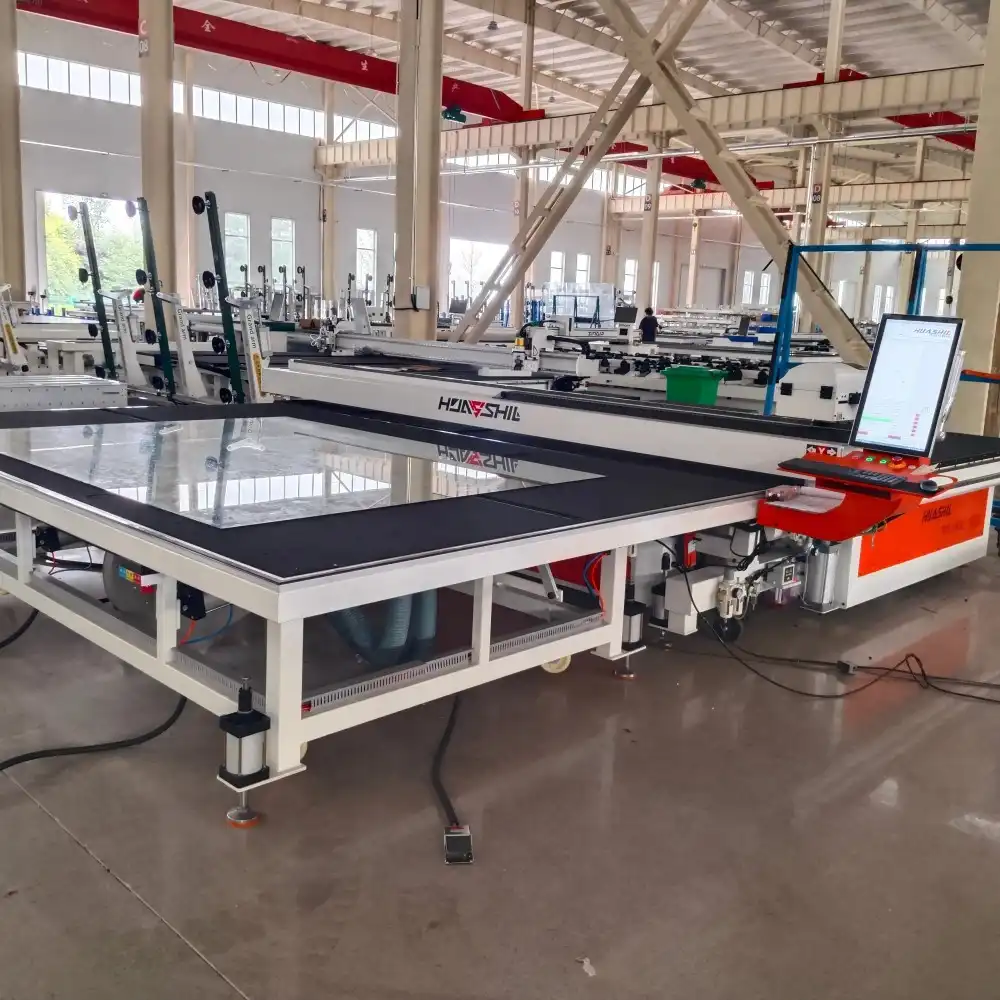
Strong cast-iron bases absorb vibrations from grinding better than made steel frames. This directly leads to a better surface finish and longer spindle bearing life. These structure and control system features decide if a machine stays within tolerance during a production plan with multiple shifts, not just during the factory acceptance test.
Maintenance, Safety, and Common Challenges
When repair is planned ahead of time instead of being done on the spot, automated glass edging equipment from PV glass double edging machine suppliers works consistently. Unplanned downtime in glass fabrication plants is usually caused by not doing regular maintenance, and the cost of missed output is usually much higher than the cost of the maintenance itself.
Routine Maintenance Priorities
The grinding wheel set has 12 wheels on each side, arranged in a chamfer-and-flat pattern. They need to be dressed every so often and eventually replaced. Edge symmetry is maintained by keeping track of wheel wear and replacing wheels in sets that match. Daily checks must be made on the flow of coolant to each spindle; not enough coolant speeds up wheel wear and can cause tiny cracks to appear along the edges of toughened glass. Every three months, the manufacturer's baseline settings should be compared to the servo drive parameters to find drift before it affects the accuracy of the measurements.
Safety and Supplier Responsibility
Glass dust that is made when things are ground up is a known danger to your health because it contains silica and other irritating dusts. The standard way for engineers to control this is to use enclosed grinding zones that have cooling and vacuum filtration built in. A responsible equipment supplier includes written safety rules, materials for training operators, and advice on how to design local exhaust ventilation as part of the commissioning package, not as an extra.
How to Procure PV Glass Double Edging Machines: Step-by-Step Guide
Buying capital equipment usually happens in a certain order, and being careful at each step keeps mistakes from happening that cost a lot of money.
Before you talk to any suppliers about production, write down your needs in terms of goal panel sizes, daily throughput, edge profile specs, available floor space, and power supply. Every technical proposal you get is based on this document, so comparisons are based on facts rather than sales pitches.
Use B2B sites, contacts you make at trade shows, and word-of-mouth in the business to find candidates. Check the production qualifications of each selected provider, such as their factory registration, export history, and list of customers in the same industry. Ask for a written quote that breaks down the price of the machine, inland and sea freight, installation, commissioning, training, and guarantee terms into different items. This way, your finance team can correctly figure out the total landed cost.
It takes three to six months to buy customized configurations or full production line packages. This time includes technical review, factory acceptance testing, and financial approval. When buying capital goods from other countries, it is normal to pay a deposit upon order confirmation and the rest of the payment before shipment. Buyers who want documentary security can also use a Letter of Credit. Before production starts, agree in writing on acceptance standards and speed targets.
Conclusion
Choosing the right PV glass double edging machine suppliers and providers will affect the standard of your work, your costs, and your ability to compete for years after the machine is installed. A price-only comparison is not enough to make the decision. It needs a thorough evaluation process. Put servo-controlled automation, confirmed customization, clear after-sales commitments, and a supplier with export experience in your region at the top of your list. All of these things make the difference between a machine that works reliably at scale and one that gives you a lot of trouble with upkeep.
FAQ
1. What does the 12-wheel configuration mean for edge quality?
Twelve grinding wheels are on each side of the machine. There are two upper chamfer wheels, two lower chamfer wheels, and eight flat grinding wheels. This setup does both the bevel and the flat grind at the same time in a single pass, so the finished edge meets the requirements for size and finish without the need for any additional steps.
2. What glass sizes can a double edging machine handle?
With servo-driven width adjustment, the range of workable widths is 350 mm to 2,500 mm. This range means one machine that can handle standard architectural panels, furniture glass, and large-format photovoltaic glass. This means that you don't have to buy separate machines for each size of panel.
3. Can the machine be customized for specific production requirements?
Yes, reputable makers offer OEM and ODM configurations that can be tailored to your needs in terms of conveyor speed, clamping pressure, wheel specifications, and control software.
4. How often do grinding wheels need replacement?
Replacement frequency is based on how hard the glass is, how much it goes through, and how often the coolant is maintained. It is more accurate to keep track of the wheel's diameter and surface state over time than to set replacement times. Your supplier should give you wear guidelines that are specific to the way you make things.
Partner With HUASHIL for Reliable Glass Edging Solutions
HUASHIL makes reliable glass double-edging machines that are made for tough industrial settings. Our equipment helps fabricators in the architectural glass, curtain wall, and PV panel industries make consistent quality products. It has servo-controlled accuracy, a 12-wheel grinding configuration, and fully adjustable specs. We back up every order with testing, training, and quick after-sales service as seasoned PV glass double edging machine suppliers and manufacturers. To get a technical proposal that fits your line, email our team at salescathy@sdhuashil.com right now.
References
1. Glass Processing Technology and Industrial Applications – Elsevier, 2021
2. Photovoltaic Module Manufacturing: Equipment and Process Standards – Solar Energy Industries Association (SEIA), 2023
3. Automation in Glass Fabrication: Trends and Benchmarks – Glass International, 2022
4. Industrial Machinery Procurement: Total Cost of Ownership Frameworks – Plant Engineering Magazine, 2020
5. OSHA Technical Manual: Silica Dust Control in Glass Processing Operations – Occupational Safety and Health Administration, 2019
6. Global Glass Processing Equipment Market Report – Grand View Research, 2023