




Maintenance keeps your glass loader running, improves its longevity, and protects operators. A well-maintained glass loading system lowers downtime, eliminates costly repairs, and preserves architectural and automotive glass processing precision. This thorough reference covers daily, weekly, monthly, and yearly maintenance practices that production directors and technical managers may apply immediately. These established techniques optimize performance and preserve your investment in single-unit glass handling equipment or fully automated production lines.
Understanding Your Glass Loader's Critical Components
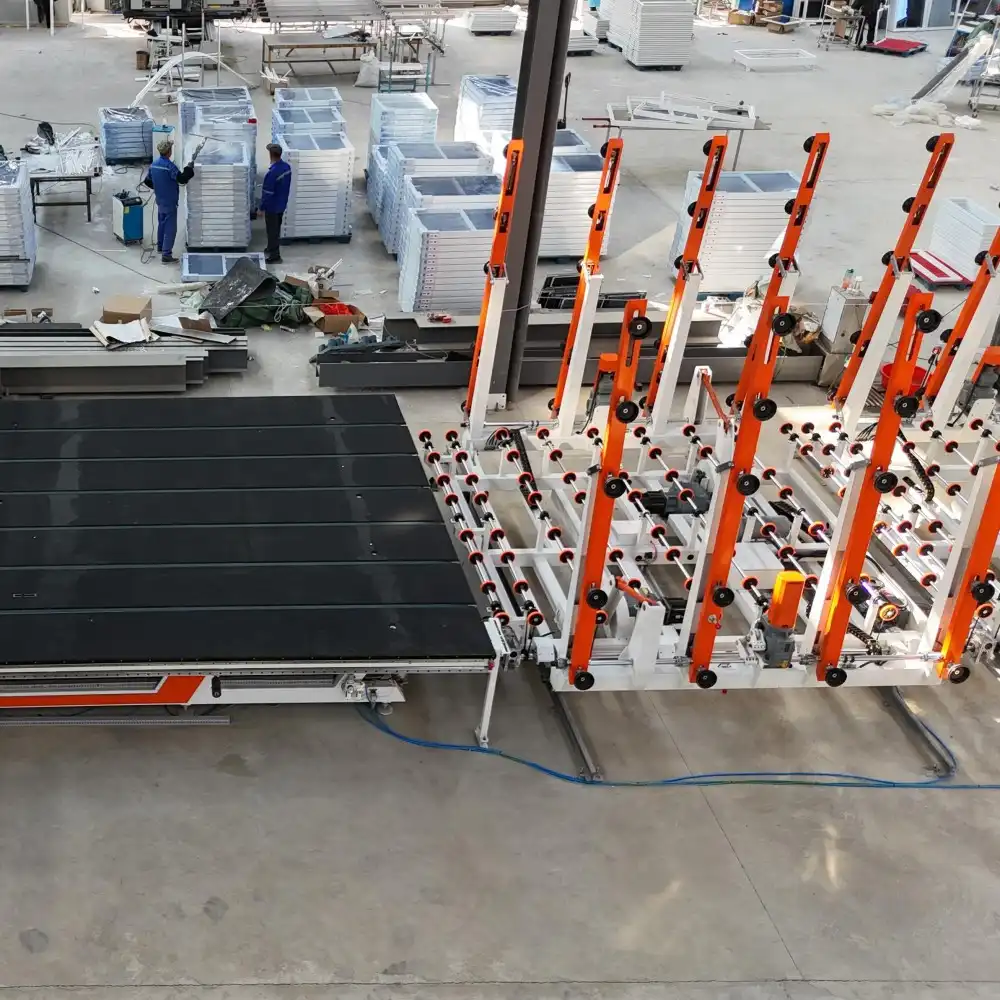
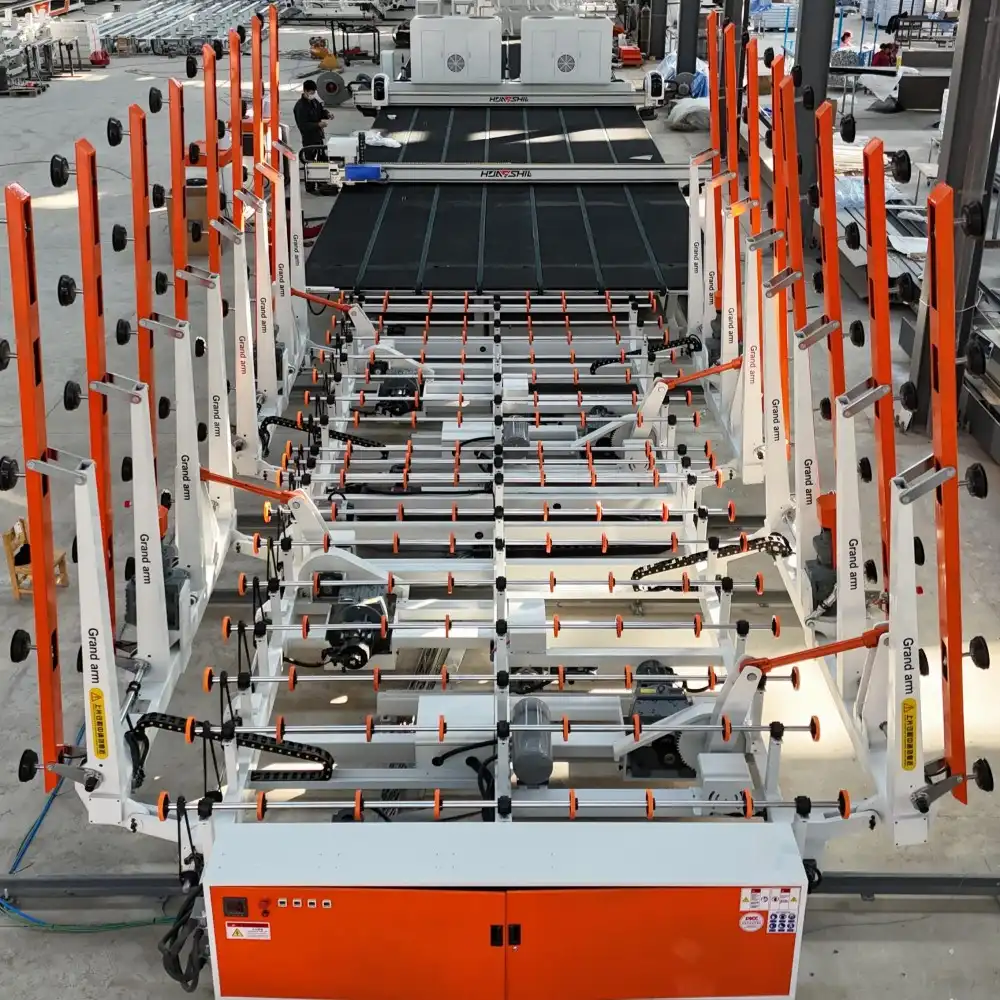
Material handling is automated by various interconnected systems in every glass loader machine. A cushion from the air flotation system makes glass transit across the table easy. Suction cups hold sheets during positioning and transfer. A driving mechanism drives remote-controlled movement, while safety sensors safeguard operators.
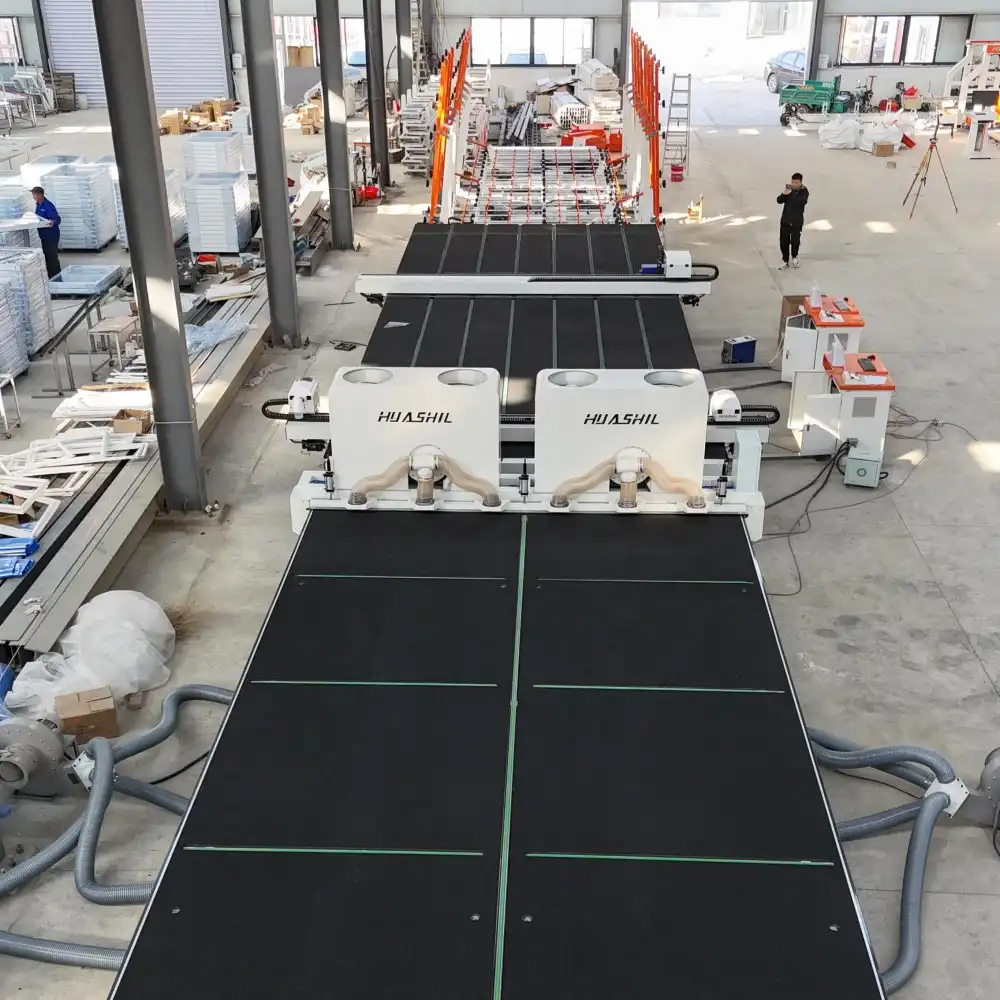
The breaking table in devices like the HSL-SPT3624 controls cut glass separation. Understanding how these components interact helps you spot faults before they cause production stoppages. Glass machinery makers build these systems to last, but regular maintenance extends their longevity.
Modern glass automation systems use programmable controls to check performance. Operators should learn maintenance indication lights and diagnostic screens from technical management. Proactive maintenance turns reactive firefighting into strategic production planning.
Daily Maintenance: Building Consistency Into Operations
Each shift begins with a visual check to set equipment status. Operators should check the loading surface for glass particles, dust and glass cleaning residue. Even tiny particles can damage sheets or hinder air flotation.
Make those emergency stop buttons and safety interlocks work. Before manufacturing, test the 360-degree remote control walking at low speed. In just three minutes, this verification eliminates mishaps and unwanted downtime.
Examine the Hoover suction cups for fractures, wear or grip loss. Compromised suction cups drop or misalign sheets, causing quality concerns in glass cutting and processing. Avoid failure by replacing worn cups quickly.
Daily air filter cleaning for pneumatic systems in dusty settings. Glass factories emit particulate debris that clogs filters and lowers pressure. All glass handling equipment components function best with enough ventilation.
Note any strange noises, vibrations, or operations in a maintenance journal. Patterns spanning many days generally indicate problems that may be fixed quickly without costly repairs or extra parts.
Weekly Deep Cleaning and Lubrication Procedures
Weekly, thoroughly clean the glass loading system. Turn off and lock out equipment safely before starting maintenance. Avoid damaging surfaces by using compressed air or soft brushes to remove glass particles from the air flotation table.
Lubricate all moving parts per the manufacturer's instructions. To reduce friction and wear, drive chains, roller bearings, and pivot points need lubricants. Insufficient lubrication causes component deterioration, whereas overlubrication draws contaminants.
Electrical connections should be checked for looseness, corrosion, and heat damage. Tighten terminal blocks and check cable insulation for damage. Erratic electrical behaviour in glass automation systems endangers the glass loader workers.
Check the limit switch and positioning sensor calibration. Glass transportation operations require precise positioning to align downstream equipment. The misaligned loader and cutting table restrict line efficiency.
Light curtains, pressure-sensitive mats, and emergency stop circuits should be tested. Production directors must verify that these protection devices work properly to ensure worker safety and CE certification.
Monthly Technical Inspections and Adjustments
Monthly maintenance allows deeper technical examination. Record and compare the flotation system air pressure to the baseline. Declining pressure signals hose, fitting, or air supply system leaks requiring rapid treatment.
Check the structural frame and mounting points for stress fractures, loose bolts and alignment drift. Mechanical forces from heavy glass sheets and constant operation can weaken structures. Fixing small errors with planned maintenance saves production disasters.
Roller, bearing, and guide rail wear should be checked. Uneven wear indicates alignment or loading issues that hasten degradation. Correcting alignment prolongs component life and ensures accuracy for glass installation and stacking.
Update control system parameters if production needs alter. Adjusting acceleration rates, positioning precision, or cycle durations optimizes performance for diverse glass sizes and production quantities. Technical managers must record parameter changes for future reference.
Comprehensively test under varied loads. Use multiple sheet sizes and thicknesses to test the glass conveyor system across your product line. This testing detects issues before they delay client deliveries.
Quarterly and Annual Maintenance: Preventive Replacement Strategies
Replace consumables every three months to avoid failure. Drive belts, air filters and Hoover cup seals last predictably. Preventive replacement during planned maintenance is far cheaper than emergency repairs during production.
Critical drive components should be disassembled and inspected annually. Manufacturer timetables dictate gearbox oil and seal changes. Even when running well, bearing assemblies need professional examination since internal wear begins before visible symptoms.
Upgrade control software and firmware as manufacturers provide improvements. Software upgrades can increase speed, repair bugs, and add diagnostic features to improve dependability and troubleshooting.
Complete insulation resistance and thermal imaging testing of electrical systems. Diagnostic methods identify failing connections and components before they impact operations. Plant managers like predictive maintenance's production continuity.
Schedule yearly comprehensive inspections by manufacturer-authorized service specialists. Their expertise and diagnostic tools detect minor flaws that in-house workers may miss. This professional evaluation confirms your maintenance program's efficacy and suggests improvements.
Troubleshooting Common Glass Loader Issues
Operators can respond rapidly to problems by understanding typical failure modes. Worn cups, clogged filters, or air pressure loss reduce suction power. Systematically checking each reason reduces diagnostic time.
Dirty sensors, poor mechanical connections, and control system faults cause positioning mistakes. Cleaning sensors and checking mechanical tightness fixes most placement issues. Recurring difficulties may need calibration or component replacement.
Unusual sounds indicate mechanical issues. Grinding noises imply bearing failure or lubrication issues. Clicks indicate loose fasteners or worn driving parts. Investigating noise sources promptly avoids small errors from becoming catastrophic failures.
Electrical intermittent issues challenge even expert troubleshooters. Temperature and vibration loosen connections that work while cold but not when hot. Checking all electrical terminations typically exposes the culprit.
Methodical diagnosis is needed for control system faults. Modern glass production equipment has error codes and event logs to help technicians find issues. Understanding your system's diagnostics speeds up troubleshooting and lowers downtime.
Optimizing Maintenance Schedules for Your Production Environment
Operating intensity, environment, and material properties determine maintenance frequency. Glass furniture makers processing tiny sheets sporadically need less maintenance than curtain wall system integrators producing high volumes.
Dusty conditions enhance filter clogging and contamination. Facilities should clean more and upgrade filtering systems to safeguard equipment. Better filtering reduces maintenance and extends component life for a little investment.
Monitoring maintenance costs and downtime exposes optimization potential. If certain components fail often, check if operating circumstances exceed design parameters or if updated components are more durable. Data-driven maintenance decisions boost dependability and efficiency.
Seasonal modifications account for temperature and humidity changes impacting glass storage and handling. Electrical and pneumatic systems are affected by humidity. Extreme temperatures affect lubricant viscosity and dimensions. Continuous performance is achieved by adapting maintenance to seasonal circumstances.
Integration of maintenance and production planning reduces disturbance. Efficiency is achieved by scheduling heavy maintenance during slack periods or synchronizing with other line equipment maintenance. Strategic maintenance planning by production directors maximizes uptime without compromising equipment care.
Training Glass Loader Operators for Maintenance Excellence
Trained, equipment-savvy operators start effective maintenance. Basic operation, daily maintenance, and abnormal circumstances needing expert intervention should be covered in the first training. Operating staff are your first defence against equipment issues.
Customize visual maintenance recommendations and checklists for your glass loading system. Operating station laminated cards make everyday chores easy to reference. Cleaning and lubrication instructions in photos prevent confusion, especially for automatic glass loading machine manufacturers.
Encourage personnel to report small irregularities without repercussions. Minor abnormalities sometimes precede severe failures. Operators near the machinery detect tiny changes that routine checks overlook. Their insights give crucial early warning.
Cross-train team members on maintenance. Having one knowledgeable operator makes you vulnerable when they're unavailable. Spreading knowledge throughout your workforce improves maintenance continuity and resilience.
Update training when experience and equipment wear out. Operators establish informal, non-optimal habits. Regular refresher courses connect procedures with manufacturer guidelines and share team learning.
Maintaining Comprehensive Maintenance Records
Documentation turns job accomplishment into continuously improving maintenance. The history of maintenance actions reveals patterns and trends. This information informs replacement scheduling, upgrade spending, and operational modifications.
Forecast parts needs by tracking replacement frequency. Understanding filter, suction cup, and worn component consumption rates allows proactive buying to avoid stock-outs and maintenance delays. For budgeting, procurement managers desire predictable spare parts needs.
Record equipment adjustments. Technicians can better solve future difficulties by understanding prior adjustments. Staff turnover over the years makes institutional knowledge invaluable.
Take pictures of critical equipment repair. Visual records show wear evolution and verify maintenance measures. Finance managers approving budget requests see maintenance program value in before-and-after images.
Keep maintenance records accessible to staff. Others employ logbooks, while modern facilities use computerized maintenance management systems. Accessible records influence equipment upkeep and investment decisions regardless of format.
Coordinating With Your Glass Machinery Supplier
A good connection with your equipment provider improves maintenance. Suppliers have extensive product technical expertise and may advise on complicated challenges. Contact the manufacturer's support for unknown issues.
Ask about service contracts and preventative maintenance. Many providers offer yearly inspections, parts bundles, and remote diagnostics. These services supplement in-house maintenance and offer equipment care peace of mind.
Request updated maintenance paperwork after equipment changes. Adding accessories or integrating manufacturing line components may change maintenance. Documentation prevents missing new maintenance needs.
Attend technical seminars and training offered by manufacturers. These events teach best practices in equipment maintenance and introduce new methods. Practical insights from real-world experience come via networking.
Inform vendors of part reliability and maintenance issues. Field experience helps manufacturers develop goods. Your contribution improves glass processing industry designs and may enhance your equipment.
Integrating Glass Loader Maintenance Into Overall Production Strategy
Equipment upkeep impacts company results. Customer confidence is built on reliable glass handling equipment and dependable delivery dates. Production leaders know maintenance investment safeguards revenue and competitiveness.
Calculate the total cost of ownership, including purchase, maintenance, energy, and productivity. Well-maintained equipment lasts longer and requires fewer repairs, lowering TCO. This supports maintenance budget requests to financial decision-makers.
Consider upkeep before buying new equipment. Even with greater initial expenditures, easy-to-maintain systems lower long-term operational expenses. Technical requirements and maintenance accessibility should be assessed by purchasing supervisors.
Integrate manufacturing line equipment maintenance schedules. Glass logistics works best when all parts work. Comprehensive maintenance of cutting tables, glass inspection stations, glass loaders, and glass packaging systems optimizes lines.
Compare your maintenance to industry and competitive norms. Learning where your program succeeds or needs improvement directs resource allocation. The benefits of continuous improvement in maintenance compound across equipment lifecycles.
Safety Considerations in Glass Loader Maintenance
Glass safety goes beyond handling to equipment maintenance. Always lockout/tagout powered equipment before maintenance. Proper energy isolation avoids major damage from unexpected beginnings.
Protect yourself with safety eyewear, cut-resistant gloves, and steel-toed shoes. Glass production facilities are dangerous, and maintenance sometimes requires uncomfortable postures.
Use cleaning chemicals and lubricants with proper ventilation. Chemical exposures induce acute and chronic illness. Material safety data sheets contain important handling and precaution information.
Keep equipment maintenance areas clear. Messy workplaces raise trip dangers and impede emergency escape. Safety and maintenance efficiency benefit from good cleaning.
Inform all nearby staff before starting maintenance. Local operators must know when equipment is down and what's happening. Communicating prevents misconceptions that might harm people or equipment.
Future-Proofing Your Glass Loader Through Smart Maintenance
As technology evolves, so do maintenance methods. Learn about vibration, thermal, and oil analysis predictive maintenance systems. These approaches spot faults weeks before standard inspections.
Retrofit outdated equipment with new sensors and monitoring. Even non-diagnostic equipment can benefit from aftermarket condition monitoring. Through decreased downtime and an optimized maintenance schedule, the little investment pays off.
Consider automating routine maintenance. Automatic lubrication systems reduce manual greasing and provide consistency. Centralized filter monitoring systems notify operators of service needs instead of calendars.
Update yourself on glass automation and machinery design. Understanding evolving technologies lets you decide when equipment updates are preferable to system upkeep. Capital returns are maximized by strategic replacement scheduling.
Connect with glass manufacturing technical communities and groups. Peer learning increases knowledge acquisition and introduces new maintenance methods. The expertise of seasoned specialists is vital.
Conclusion
Maintaining your glass loader machine requires commitment to systematic procedures spanning daily checks through annual overhauls. Production directors who prioritize maintenance enjoy reliable operations, extended equipment life, and predictable costs. Technical managers implementing these guidelines minimize unexpected failures while optimizing performance. The time invested in proper maintenance returns multiples in productivity, quality, and safety. Start today by assessing your current practices against these recommendations and developing an improvement plan tailored to your facility's unique needs and production requirements.
Partner With HUASHIL: Your Trusted Glass Loader Manufacturer
Enhance your production capabilities with equipment designed for reliability and ease of maintenance. HUASHIL delivers advanced glass loading systems backed by comprehensive technical support and readily available spare parts. Our CE and ISO9001 certified equipment meets international quality standards while offering competitive total cost of ownership. As an experienced glass loader supplier, we understand the critical importance of uptime in architectural glass and curtain wall production. Contact salescathy@sdhuashil.com today to discuss customized solutions that fit your specific glass handling requirements and maintenance capabilities.
References
1. Glass Industry Standards Committee. Maintenance Best Practices for Automated Glass Processing Equipment. International Glass Manufacturing Association, 2022.
2. Mitchell, Robert and Chen, Wei. Predictive Maintenance Strategies in Glass Production Facilities. Industrial Automation Press, 2021.
3. European Committee for Standardization. Safety Requirements for Glass Processing Machinery: Maintenance and Inspection Guidelines. CEN Technical Report TR-15789, 2023.
4. Anderson, James K. Total Productive Maintenance in the Glass Industry. Manufacturing Excellence Publishing, 2020.
5. International Labour Organization. Occupational Safety in Glass Manufacturing: Equipment Maintenance and Operator Training. ILO Technical Manual Series, 2022.
6. Zhang, Li and Hoffmann, Klaus. Automation Technology for Architectural Glass Production: Operation and Maintenance. Glass Technology International, 2021.