




The glass fabricating industry is expected to advance quickly, with Custom glass loading machine innovation becoming the foundation of cutting-edge generation proficiency. These modern computerized frameworks revolutionize how producers handle glass sheets, from building coating to enriching boards. Progressed glass, taking care of gear coordination consistently with existing generation lines, decreasing manual labor while maximizing throughput. Keen sensors and accurate design guarantee the secure transport of fragile glass materials over offices. Understanding the most recent advancements in computerized glass loader frameworks makes a difference for generation directors to make educated choices regarding overhauling their manufacturing capabilities.
Understanding Modern Glass Loading Technology
Today's glass dealing with hardware speaks to a noteworthy jump from conventional manual strategies. Present-day robotized glass loader frameworks utilize advanced mechanical autonomy and AI-driven controls to oversee glass sheets with phenomenal accuracy. These mechanical glass apparatus arrangements handle different glass sorts, thicknesses, and sizes without compromising security or quality.
The advancement of glass transport framework innovation addresses basic challenges confronted by producers. Conventional stacking strategies frequently result in item harm, workplace injuries, and production bottlenecks. Modern glass handling mechanization kills these concerns through modern vacuum lifting frameworks and tender handling mechanisms.
Manufacturers benefit from diminished labor costs and a more forward working environment security. Glass sheet dealing with gets to be unsurprising and reliable, empowering better generation planning. The integration capabilities of cutting-edge frameworks permit consistent association with cutting tables, edging machines, and bundling lines.
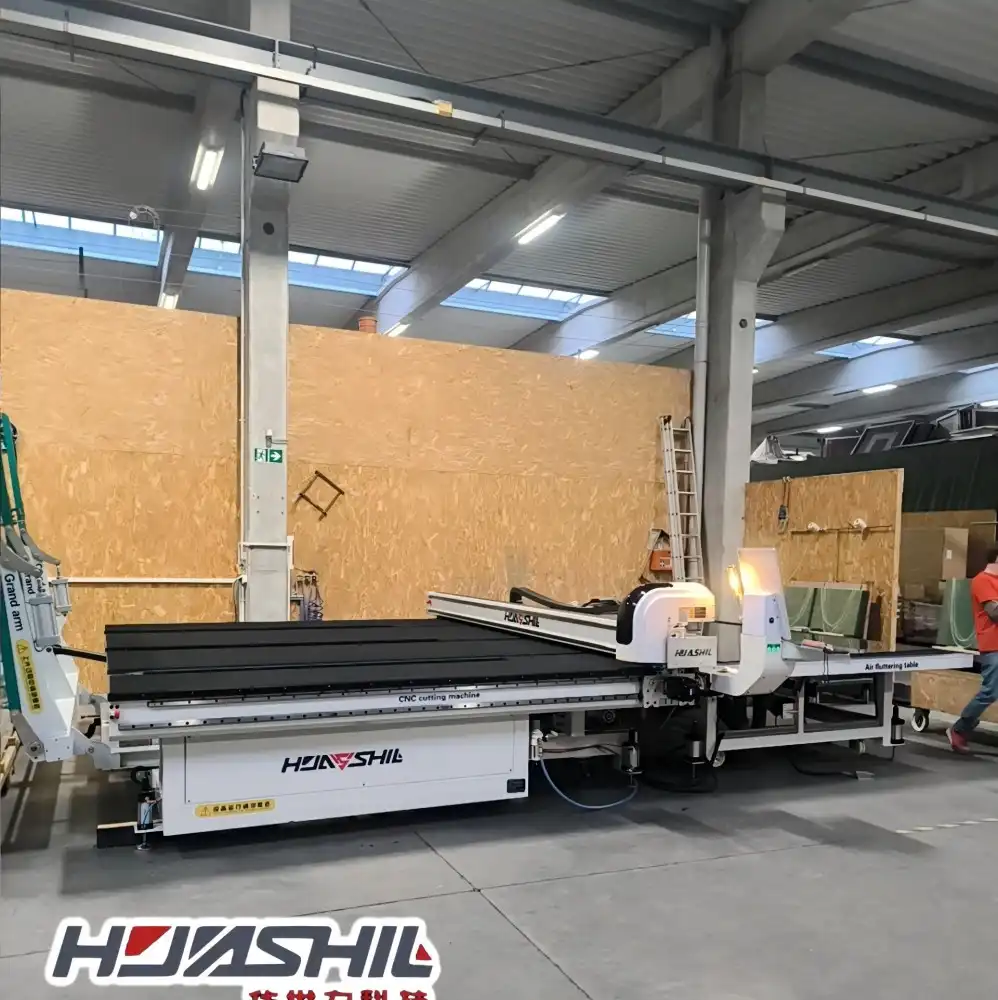
Key Components and Features of Advanced Loading Systems
Understanding the basic components makes a difference to buyers who make educated choices around the glass lifting gadget. Advanced frameworks, including the Custom glass loading machine, consolidate different advances working in concordance to accomplish ideal performance.
- Vacuum frameworks frame the heart of most stacking components. High-capacity pumps make controlled suction over uncommonly planned lifting cushions. These cushions disseminate stack equitably, avoiding stress that seems to cause glass breakage. Excess security highlights guarantee ceaseless operation, indeed, if person components fail.
- Control frameworks utilize programmable logic controllers (PLCs) for exact operation administration. Administrators can alter parameters for distinctive glass sorts through an intuitive touchscreen interface. Memory capacities store settings for habitually prepared materials, diminishing setup time between generation runs.
- Mechanical components incorporate strong outline structures, accurate straight guides, and servo-driven positioning systems. These components guarantee smooth development and precise arrangement of glass sheets. Quality orientation and seals give long-term, unwavering quality in demanding mechanical environments.
Types of Custom Glass Loading Solutions
Different fabricating situations require particular glass fabricating innovation approaches. Understanding accessible alternatives makes a difference in coordinating hardware capabilities with generation requirements.
- Overhead crane frameworks give the most extreme adaptability for large-scale operations. These savvy glass loader setups handle larger-than-usual structural glass boards productively. Motorized trolleys move along accurate tracks, empowering the scope of broad work ranges. Integration with office crane frameworks maximizes workspace utilization.
- Gantry-style loaders offer great accuracy for medium-scale operations. These glass generation line components give controlled development in X, Y, and Z tomahawks. Compact impressions make them reasonable for offices with space imperatives. Secluded plans permit simple extension as generation requirements grow.
- Robotic glass dealing with frameworks exceeds expectations in high-volume generation situations. Multi-axis enunciated arms give remarkable adaptability for complex stacking designs. Vision frameworks empower programmed recognition of glass measurements and positioning. These frameworks coordinated consistently with other automated manufacturing equipment.
Industry Applications and Customization Options
Various businesses benefit from specialized glass stacking robotization arrangements, including the Custom glass loading machine, custom-fitted to their special needs. Understanding application-specific needs guides legitimate framework determination and configuration.
- Architectural glass producers require frameworks capable of taking care of expansive, overwhelming boards. Window ornament divider fabricators require exact situating capabilities for complex congregations. Window producers benefit from high-speed stacking for standardized items. Each application requests particular customization approaches.
- Furniture producers preparing embellished glass require tender handling frameworks. Glass stacking machine capabilities ended up pivotal for stock administration. Shower entryway makers require adaptability for different sizes and thicknesses. Custom installations and tooling oblige specialized item requirements.
- Automotive glass generation requests amazingly exact positioning and handling. Security glass preparation requires specialized suction glass arrangements. Covered glass takes care of needs in temperature-controlled situations. These applications highlight the significance of customization in advanced glass bundling framework design.
Selection Criteria for Manufacturing Excellence
Choosing appropriate glass logistics solution equipment requires careful evaluation of multiple factors. Production requirements, facility constraints, and future expansion plans influence optimal system configuration.
- Load capacity represents a fundamental consideration. Systems must handle the heaviest glass sheets safely with adequate safety margins. Weight distribution capabilities affect the handling of large architectural panels. Dynamic loading conditions during movement require robust mechanical designs.
- Precision requirements vary significantly between applications. Architectural glazing demands millimeter-level accuracy for proper fit. Decorative glass applications may accept broader tolerances. Understanding precision needs prevents over-specification and unnecessary costs.
- Integration capabilities determine how well new equipment works with existing machinery. Communication protocols must match current systems. Physical interfaces need proper alignment with production flow. Software compatibility ensures seamless operation management.
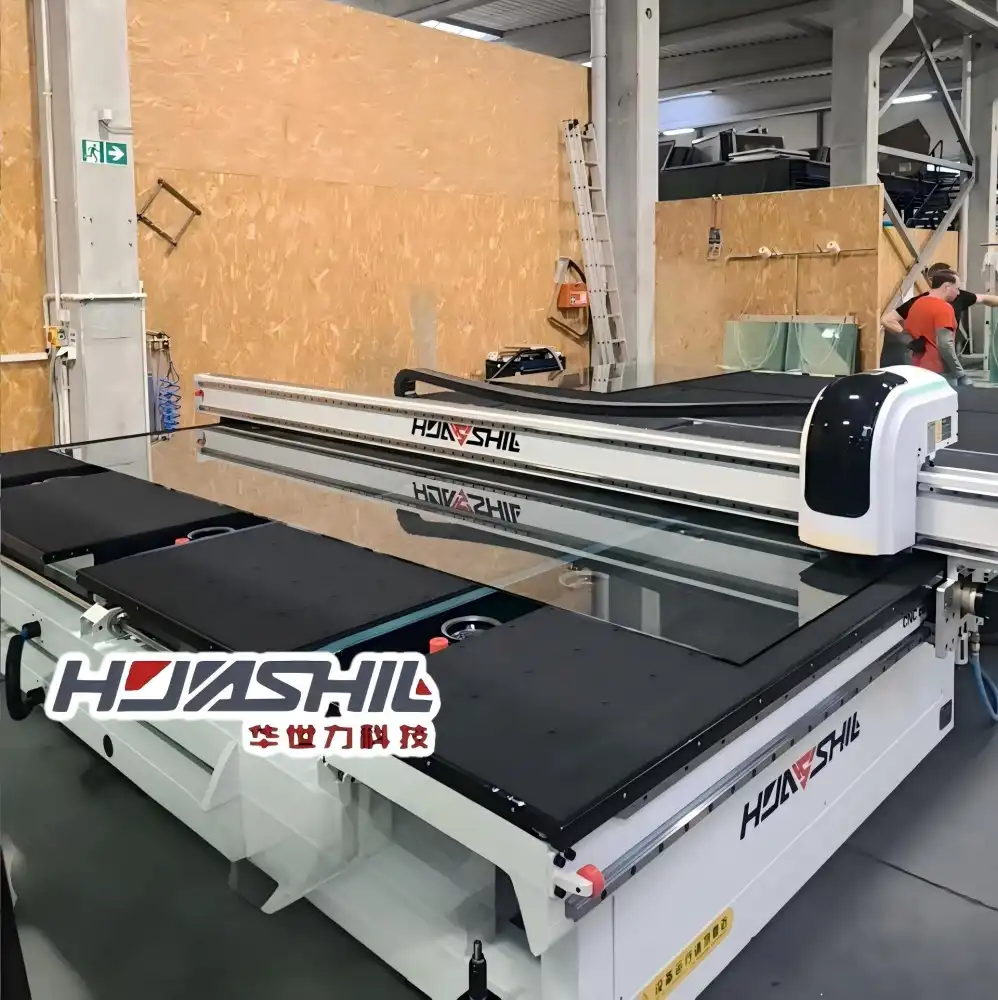
Installation and Implementation Best Practices
Successful glass fabrication equipment installation requires comprehensive planning and coordination. Professional installation teams ensure optimal performance and safety compliance from day one.
- Site preparation involves structural assessments and utility requirements. Foundation specifications must support equipment loads and vibration characteristics. Electrical infrastructure needs adequate capacity for motor drives and control systems. Compressed air systems require proper sizing for pneumatic components.
- Commissioning processes validate all system functions before production begins. Calibration procedures ensure accurate positioning and safe operation. Operator training programs maximize equipment utilization and prevent misuse. Documentation packages provide reference materials for ongoing operation.
- Quality assurance testing verifies compliance with safety standards and performance specifications. Load testing confirms handling capabilities under various conditions. Emergency stop systems undergo thorough validation. These procedures establish confidence in system reliability.
Maintenance and Operational Optimization
Proactive maintenance programs maximize equipment uptime and extend service life for the Custom glass loading machine. Regular inspection schedules identify potential issues before they cause production disruptions, ensuring reliable and continuous operation while minimizing unexpected downtime and repair costs.
- Vacuum system maintenance includes filter replacement and pump servicing. Seal inspections prevent air leaks that reduce lifting capacity. Pressure monitoring systems provide early warning of developing problems. Spare parts availability ensures rapid repairs when needed.
- Mechanical component care involves lubrication schedules and wear monitoring. Bearing replacement intervals depend on operating conditions and load cycles. Guide systems require periodic cleaning and adjustment. Preventive replacement programs minimize unexpected failures.
- Performance optimization includes parameter tuning and cycle time reduction. Motion profiles can be refined for specific glass types. Energy consumption monitoring identifies efficiency opportunities. Continuous improvement programs enhance overall productivity.
Future Trends and Technology Developments
The glass sheet conveyor industry continues evolving with emerging technologies and changing market demands. Understanding future trends helps manufacturers prepare for upcoming opportunities and challenges.
- Artificial intelligence integration promises enhanced automation capabilities. Machine learning algorithms optimize handling parameters automatically. Predictive maintenance systems reduce unexpected downtime. Smart sensors provide real-time performance feedback for continuous improvement.
- Industry 4.0 connectivity enables remote monitoring and control capabilities. Cloud-based analytics provide insights into production patterns and efficiency opportunities. Digital twin technology allows virtual system optimization before physical implementation. These developments transform traditional manufacturing approaches.
- Sustainability initiatives drive the development of energy-efficient systems. Regenerative braking systems recover energy during lowering operations. Optimized motion profiles reduce power consumption. Eco-friendly materials replace traditional components where possible.
Conclusion
Custom glass loading machine technology represents a critical investment for modern glass manufacturers seeking competitive advantages. Advanced automation capabilities reduce labor costs while improving safety and product quality. Understanding available options, selection criteria, and implementation best practices ensures successful project outcomes. The integration of smart technologies and Industry 4.0 connectivity promises even greater benefits in the coming years. Partnering with experienced manufacturers like HUASHIL provides access to proven solutions and comprehensive support services that maximize return on investment.
Partner with HUASHIL for Your Glass Handling Robot Solutions
HUASHIL stands as a trusted custom glass loading machine manufacturer with decades of experience serving the global glass industry automation market. Our engineering expertise spans architectural glass processing, furniture manufacturing, and curtain wall fabrication applications. Advanced manufacturing facilities in Shandong Province enable rapid prototyping and full-scale production of customized systems.
Our comprehensive glass industry automation portfolio includes standalone loading units, integrated production lines, and robotic handling cells. Each system incorporates proven components from leading suppliers combined with proprietary control software. Rigorous testing procedures ensure reliable performance in demanding industrial environments.
Technical support services begin during the initial consultation phase and continue throughout the equipment lifecycle. Field service engineers provide on-site installation supervision and operator training programs. Remote diagnostic capabilities enable rapid troubleshooting and parameter optimization. Spare parts programs ensure minimal downtime during maintenance operations.
Quality certifications demonstrate our commitment to manufacturing excellence and safety compliance. ISO 9001 quality management systems govern all production processes. CE marking ensures European safety standard compliance. Comprehensive warranty programs protect customer investments and provide peace of mind.
Whether you need a single glass handling robot or complete production line integration, our experienced team delivers solutions that exceed expectations. Contact us at salescathy@sdhuashil.com to discuss your specific requirements and receive a detailed technical proposal tailored to your manufacturing objectives.
References
1. Industrial Automation Quarterly, "Advanced Glass Handling Systems: Technology Review and Market Analysis," Manufacturing Technology Journal, Vol. 45, No. 3, 2024.
2. Glass Manufacturing Institute, "Automation in Glass Production: Best Practices Guide," International Glass Technology Conference Proceedings, 2024.
3. Robotics and Automation Society, "Robotic Glass Handling: Safety Standards and Implementation Guidelines," Automation Engineering Review, Issue 127, 2024.
4. European Glass Technology Association, "Custom Automation Solutions for Glass Processing Industries," Glass Industry Technical Bulletin, Volume 89, 2024.
5. International Manufacturing Technology Association, "Glass Loading Systems: Design Principles and Performance Optimization," Industrial Equipment Magazine, December 2024.
6. Asian Glass Manufacturing Council, "Automated Glass Handling Equipment: Market Trends and Future Developments," Glass Technology Asia, Third Quarter 2024.