




If you manage a glass fabrication plant or run a curtain wall production line, you already know how fast the shop floor can spiral out of control without the right data at the right time. That is exactly where a modern intelligent manufacturing MES system steps in — not as a luxury, but as a practical tool that connects machines, people, and processes in real time.
According to a 2023 MarketsandMarkets report, the global MES market is projected to reach $23.9 billion by 2028, growing at a compound annual rate of 8.3%. That number tells a clear story: manufacturers everywhere are investing in smarter production control.
Understanding Intelligent Manufacturing MES Systems
An intelligent manufacturing MES system is a software program that manages, monitors, and tracks every step of the manufacturing process from the entry of raw materials to the output of final products. Today’s systems are integrated directly with ERP systems, SCADA controllers, and even particular equipment like as cutting tables and edge grinders. Historically, plant management technologies have operated in data silos.
Real-Time Production Monitoring
The new MES provides plant managers with a live dashboard that indicates which tools are operating, what tasks are being worked on, and where delays are occurring. That means in a glass cutting line, someone doesn’t have to cross the floor to see how many sheets were cut every shift.
Workflow Automation and Process Control
Instead of having workers write down each step, MES automatically stores process data. This speeds up batch runs, lowers human error, and maintains quality.” That level of consistency has a direct impact on the furniture glass or shower door customer’s happiness if margins are low.
Integration With Cutting and Storage Software
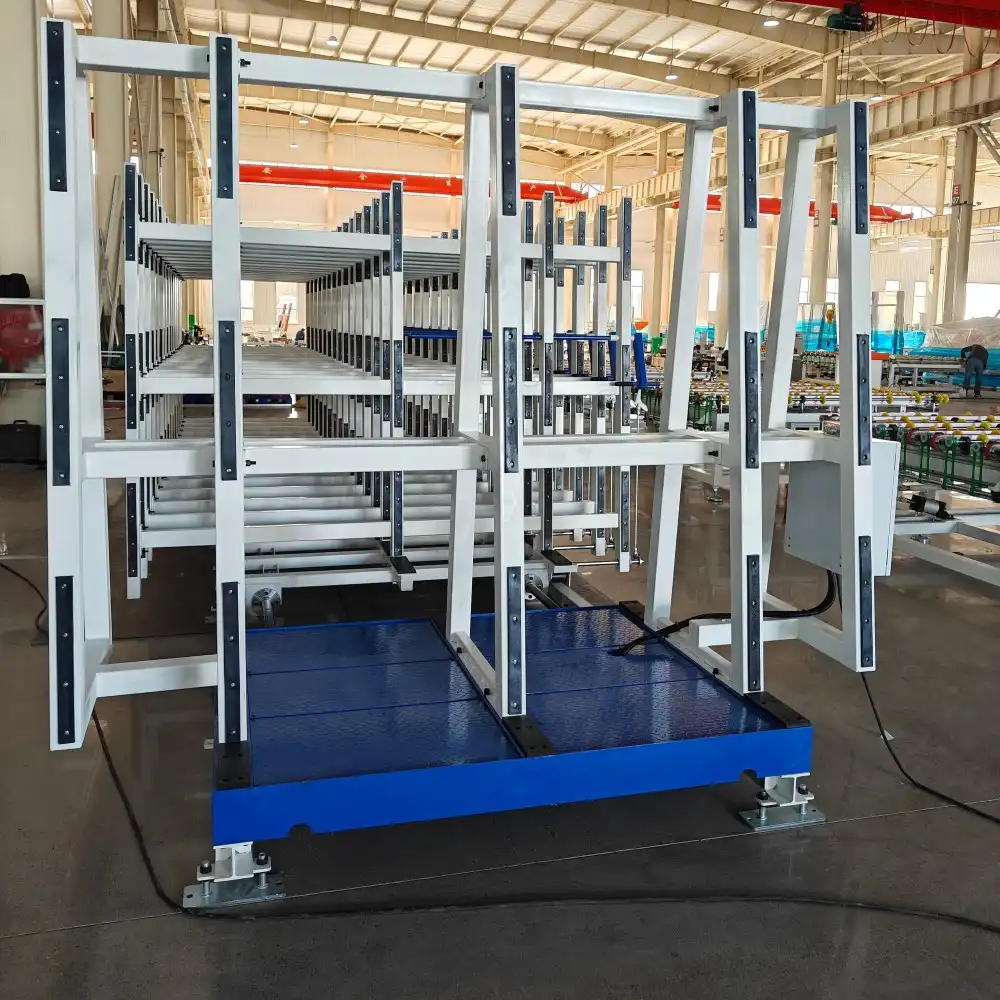
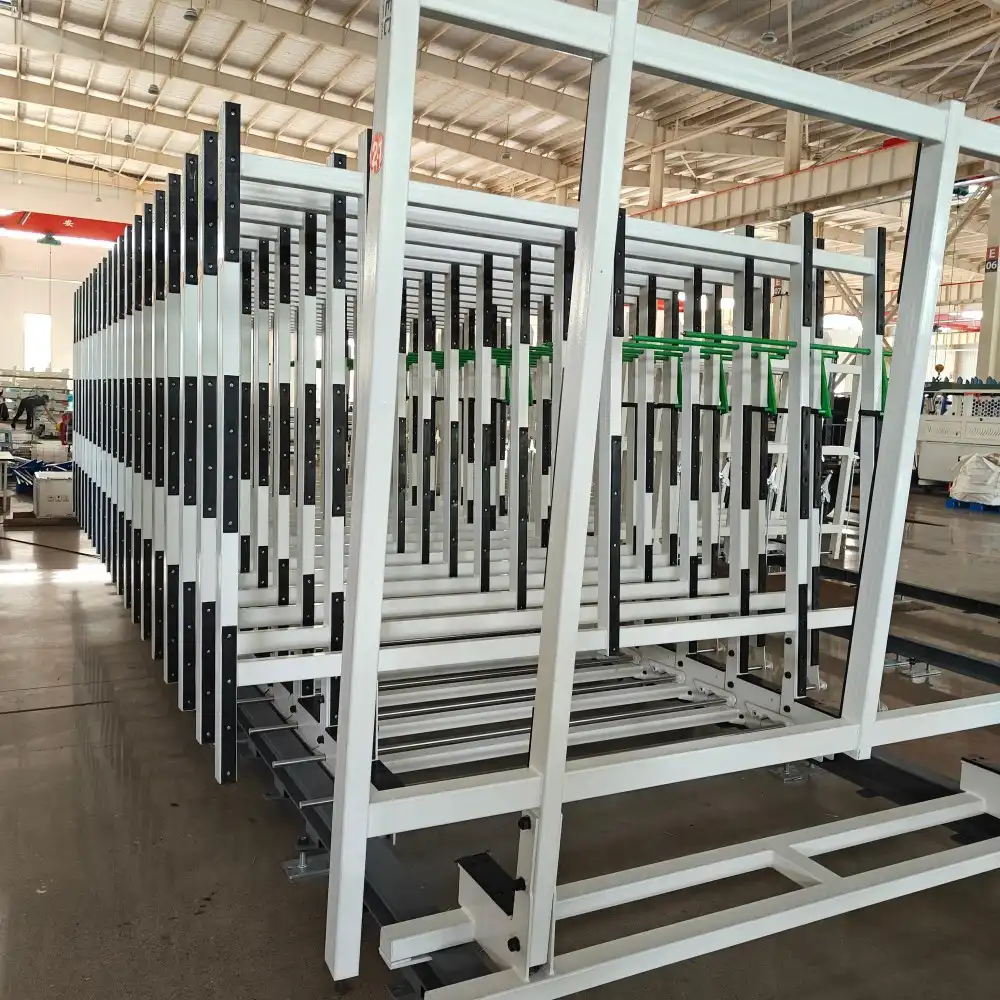
Software that controls and connects storage and cutting machines is one of the most useful tools in the glass industry. With this feature, the MES can coordinate the automatic retrieval of stored materials with the schedules of cutting machines, cutting down on idle time and wasteful material use. The intelligent manufacturing mes system knows what the job is and instantly changes the cutting program when a glass slab comes from the warehouse to the cutting table.
The Evolution and Future Trends of MES Systems
Old MES platforms were developed for stability and not speed. When product lines were basic and order quantities were predictable, they performed well. Glass fabricators nowadays confront unique orders, short lead times, and several product kinds on the same line. That pressure has driven the evolution of MES technology.
AI and Machine Learning in Production Control
AI-powered MES solutions enable you to evaluate past production data to forecast which machine will fail and need repair before it really fails. A 2022 Deloitte study indicated that predictive maintenance strategies may cut unexpected downtime by as much as 25% in industrial environments. One unplanned stop per month on a tempering furnace or CNC edging machine might add up to big savings.
IoT Connectivity Across the Factory Floor
Dozens of pieces of equipment in modern manufacturing systems are interconnected and using IoT sensors to provide real-time data on temperature, speed, vibration, and throughput. This data is immediately sent into the MES, which may generate alarms or change process settings automatically. This is particularly the case in architectural glass factories, where big format cutting lines need regular supervision to prevent expensive breakages.
Cloud-Based and Modular MES Architecture
Cloud deployment enables multi-site manufacturers and curtain wall integrators to view production data from anywhere. Modular MES solutions allow a small furniture glass factory to start out with simple order tracking and add quality control modules later without rewriting the whole system.
Decision-Making Guide: Choosing the Right Intelligent MES for Your Business
Selecting a MES is not the same as selecting a software subscription. Before signing, the plant managers, technical teams, and buying managers all need to agree. Here’s how to think about the crucial factors:
Compatibility With Existing Equipment and Systems
Before you start looking at any providers, make a list of the ERP software, SCADA controls, cutting machine interfaces, and warehouse management systems you currently have. A good MES should be able to interface with these systems without having to totally modify the way they operate. During the assessment stage, ask suppliers to submit written evidence of API compatibility and request a live integration test.
Total Cost of Ownership Beyond the License Fee
The license is only the beginning. The true costs are the setup of the machinery, operator training, annual maintenance, and updates for spare modules. A 2021 Gartner analysis states that 61% of organizations underestimate the cost of using MES by 30-40%. Prepare a cost model three years before you compare quotations from multiple providers.
Vendor Support and After-Sales Service
For US manufacturers that purchase hardware or software from international vendors, the quality of after-sales support is vitally crucial. Remote diagnostics are more efficient; you can order more parts more easily, and you can address technical problems faster. The faster your line can be back up and running following difficulties. Ask for formal service level agreements and contact prior customers in relevant sectors to verify their references.
Overcoming Implementation Challenges and Maximizing ROI
If the rollout isn't planned well, even the best tools for managing output will not work. Timelines that are too tight, staff that hasn't been properly trained, and bad data from old intelligent manufacturing mes systems are the most common reasons why MES projects fail.
Here are the major actions that experienced plant managers follow while implementing MES:
- Roll out phased by production area. Start with one cutting line/one shift, then go plant-wide. This minimizes disturbance and helps the team to discover problems early without impacting full productivity.
- Run two systems in parallel for a while. For a period of two to four weeks, operate the old tracking method in parallel with the new MES. This builds confidence for operators and provides a cross-reference if data inconsistencies show up.
- Operator training investment early on. According to a 2020 MESA International poll, organizations that invested in formal MES training for their floor workers had a 40% quicker adoption rate than those that depended on self-learning.
These procedures may make a big difference in the period from “go-live” to “full productivity”. For example, an architectural glass manufacturing factory often recovers its expenses within 12 to 18 months of installation, provided it tracks the efficiency improvements in cutting yield and lower rework.
Unlocking Business Value With Intelligent MES
The most visible ROI from a production execution system comes from three areas: less waste, faster throughput, and better quality traceability. For sintered stone fabricators and glass furniture producers, where material costs are high and defect rates directly affect margins, these gains are material.
Connecting Shop Floor to Enterprise Decision-Making
When the MES feeds real-time data into your ERP, production managers and finance teams see the same numbers simultaneously. Order completion rates, material consumption, and machine utilization appear in shared dashboards rather than in end-of-day spreadsheets. This visibility supports faster, more accurate business decisions.
Supporting Digital Twin and Smart Factory Initiatives
Some manufacturers are building digital twin models — virtual replicas of their production lines — that run simulations before physical changes are made. An MES provides the real-time data feed that keeps the digital twin accurate. For curtain wall integrators managing complex project-based production, this capability reduces costly last-minute adjustments on the shop floor.
Staying Competitive as Industry 4.0 Standards Advance
Industry 4.0 is not a trend anymore — it is a baseline expectation in many procurement specifications. Buyers at large construction and architectural firms increasingly require suppliers to demonstrate production data traceability as part of quality assurance documentation. An intelligent MES positions your facility to meet those requirements confidently.
Conclusion
The change from keeping track of production by hand to connected, data-driven manufacturing is already well underway. The right production execution software does more than just keep track of orders for glass fabricators, curtain wall integrators, and stone processing plants. It also links your storage intelligent manufacturing mes systems, cutting machines, quality checks, and shipping plans into a single operation. Focusing your release on a single line or a single process at first will help you feel more confident and see real results before you move on to bigger projects.
FAQ
1. What does an intelligent manufacturing MES system actually do?
It tracks and manages every stage of production in real time, from raw material intake through finished goods. It records machine data, monitors quality, and connects with ERP and SCADA systems to give managers a complete picture of the shop floor.
2. Is MES software relevant for small or mid-size glass manufacturers?
Yes. Modular MES platforms allow smaller operations to start with basic features like order tracking and cutting machine integration, then add quality or inventory modules as the business grows. The entry cost has come down significantly in recent years.
3. How long does MES implementation typically take?
For a single production line, a phased implementation usually takes between 8 and 16 weeks. Full plant deployments covering multiple lines and ERP integration can take 6 to 12 months, depending on system complexity and data readiness.
4. What is the connection between MES and cutting machine software?
Software for controlling and connecting storage and cutting machines is often a core module within the MES. It allows the system to automatically send cutting programs to machines based on incoming orders, coordinate glass retrieval from storage, and log actual output against planned production.
5. How do I justify the investment to executive management?
Build a three-year ROI model covering reduced material waste, lower rework rates, labor savings from automation, and improved on-time delivery. Industry benchmarks show that glass processing plants typically achieve 15–25% improvements in cutting yield after MES deployment.
Take the Next Step With HUASHIL's Intelligent Production Solutions
HUASHIL plans and creates automatic lines for processing stone and glass that have software built in to help track output and run cutting machines. HUASHIL is an experienced company that makes intelligent manufacturing mes systems. They offer equipment packages that include software for connecting storage and cutting machines, real-time tracking, and expert help that is suited to your production needs. To talk about your line needs directly with our team, email salescathy@sdhuashil.com.
References
1. MarketsandMarkets. (2023). Manufacturing Execution System (MES) Market — Global Forecast to 2028.
2. Deloitte Insights. (2022). The Future of Maintenance: Predictive Strategies in Industrial Manufacturing.
3. Gartner. (2021). Understanding the True Cost of MES Implementation in Discrete Manufacturing.
4. MESA International. (2020). MES/MOM Technology and Trends: A Global Survey Report.
5. International Journal of Advanced Manufacturing Technology. (2022). Integration of IoT and MES in Smart Glass Fabrication Environments.
6. Industry Week / Endeavor Business Media. (2023). Industry 4.0 Adoption Benchmarks: MES, Digital Twins, and Connected Factory Systems.