




The architectural glass industry is experiencing a remarkable transformation in 2025, driven by advanced automation and precision technology. LOW-E Glass cutting Machine technology has become indispensable for modern construction projects, delivering exceptional energy efficiency and aesthetic appeal. These sophisticated machines enable architects and manufacturers to create complex glass designs while maintaining optimal thermal performance. Understanding the diverse applications of LOW-E glass cutting technology helps industry professionals make informed decisions about their glass processing investments.
Revolutionary Applications of LOW-E Glass Processing in Modern Construction
Low-emissivity glass has revolutionized how we approach energy-efficient building design. The precision cutting capabilities required for this specialized coated glass demand advanced machinery that can handle delicate surface treatments without compromising performance. Modern construction projects increasingly rely on automated cutting solutions to meet strict energy codes and aesthetic requirements.
The coated surface of LOW-E glass requires careful handling during processing. Traditional cutting methods often damage the microscopic metallic coatings that provide thermal insulation properties. Advanced glass processing equipment addresses these challenges through specialized cutting techniques and controlled environments.

High-Performance Curtain Wall Systems
Contemporary skyscrapers and commercial buildings depend heavily on curtain wall systems featuring LOW-E glass panels. These large-scale installations require precise cutting to ensure perfect alignment and thermal performance across entire building facades. The complexity of modern curtain wall designs demands CNC machinery capable of producing intricate shapes and exact dimensions.
Glass fabrication for curtain walls involves multiple processing steps, including cutting, edging, and laminating. Each stage must maintain the integrity of the LOW-E coating while achieving architectural specifications. Industrial automation has made it possible to process large panels efficiently while maintaining consistent quality standards.
Thermal insulation performance depends on precise panel dimensions and clean edges. Any deviation from specifications can create thermal bridges that compromise the entire building envelope. This is why curtain wall manufacturers invest in high-precision glass cutting technology.
Energy-Efficient Window Manufacturing
Residential and commercial window production represents one of the largest applications for LOW-E glass cutting technology. Window manufacturers must balance energy efficiency requirements with cost-effective production methods. Automated cutting systems, such as LOW-E Glass cutting Machine, enable mass production while maintaining the precision needed for proper insulated glazing unit assembly.
Smart glass applications are becoming increasingly popular in residential construction. These windows require specialized cutting techniques to accommodate electronic components and wiring channels. The integration of technology into glass products creates new challenges for manufacturers.
Quality control in window manufacturing has become more stringent as energy codes tighten. Glass processors must ensure that every cut maintains the LOW-E coating integrity to preserve thermal performance ratings. Advanced cutting machines include monitoring systems that detect coating damage during processing.
Architectural Glass for Sustainable Building Design
Sustainable construction practices have elevated the importance of high-performance glass in building design. Architects specify LOW-E glass for its ability to reduce heating and cooling loads while maximizing natural lighting. This dual functionality requires precise cutting to optimize both thermal and optical properties.
Building materials certification programs now evaluate glass processing quality as part of overall building performance. Manufacturers must demonstrate that their cutting processes preserve the energy-saving characteristics of LOW-E coatings. Documentation of processing techniques has become essential for green building certifications.
UV protection capabilities of LOW-E glass also depend on maintaining coating integrity during processing. Interior furnishings and artwork benefit from this protection, making precise cutting crucial for preserving these valuable properties.
Custom Architectural Glass Solutions
Unique architectural projects often require custom glass shapes and sizes that challenge traditional processing methods. LOW-E glass cutting machines must accommodate complex geometries while preserving coating performance. This capability enables architects to pursue innovative designs without compromising energy efficiency.
Glass tempering processes for custom shapes require initial cutting precision to ensure proper stress distribution. Any irregularities introduced during cutting can lead to breakage during tempering or installation. Advanced cutting technology minimizes these risks through computer-controlled precision.
Decorative and furniture glass applications also benefit from LOW-E technology. Interior partitions and display cases can provide thermal comfort while maintaining visual clarity. These applications require smaller-scale cutting equipment with exceptional precision capabilities.

Advanced Glass Processing for Smart Buildings
Smart building technologies increasingly integrate with glass systems to create responsive building envelopes. LOW-E glass serves as the foundation for these advanced systems, requiring precise cutting to accommodate sensors and control mechanisms. The intersection of glass technology and building automation creates new opportunities for energy optimization.
Glass optimization in smart buildings involves coordinating multiple systems to maximize energy efficiency. Cutting processes must consider future modifications and technology integrations. Modular glass systems enable building upgrades without complete envelope replacement.
Building automation systems rely on consistent glass performance to operate effectively. Variations in thermal properties caused by poor cutting practices can disrupt automated control algorithms. Precision cutting ensures that smart building systems function as designed.
Quality Assurance in LOW-E Glass Manufacturing
Quality control measures in LOW-E glass processing have evolved to address the unique challenges of coated glass products. Cutting operations must be monitored continuously to detect any coating damage that could compromise performance. Real-time quality assessment prevents defective products from reaching construction sites.
Glass manufacturing standards now include specific requirements for LOW-E coating preservation during processing. Compliance with these standards requires sophisticated cutting equipment and trained operators. Investment in proper equipment pays dividends through reduced waste and higher customer satisfaction.
Testing protocols for processed LOW-E glass verify that thermal performance meets design specifications. These tests validate that cutting processes, carried out using LOW-E Glass cutting Machine, maintain coating integrity throughout the production cycle. Documentation of test results supports warranty claims and building performance guarantees.
Conclusion
The architectural applications of LOW-E glass cutting technology continue expanding as building energy codes become more stringent and architects pursue innovative design solutions. Understanding these diverse applications helps industry professionals make informed equipment investments that support both current projects and future growth opportunities. The precision and reliability demanded by these applications require advanced cutting technology that preserves coating integrity while achieving exceptional dimensional accuracy. As the construction industry embraces sustainable building practices, the importance of proper LOW-E glass processing will only continue to grow.
FAQ
Q1: What makes LOW-E glass cutting different from standard glass processing?
A: LOW-E glass features microscopic metallic coatings that provide thermal insulation properties. These delicate coatings require specialized cutting techniques to prevent damage during processing. Standard glass cutting methods can scratch or remove the coating, compromising energy efficiency performance.
Q2: How does cutting precision affect LOW-E glass performance in buildings?
A: Cutting precision directly impacts thermal performance and structural integrity. Irregular edges can create thermal bridges that reduce energy efficiency. Additionally, precise cuts ensure proper sealing in insulated glazing units, preventing moisture infiltration that degrades thermal performance.
Q3: What automation features are essential for HIGH-volume LOW-E glass production?
A: High-volume production requires automated loading systems, real-time quality monitoring, and programmable cutting patterns. CNC machinery with advanced software enables consistent results across large production runs while minimizing operator intervention and reducing processing time.
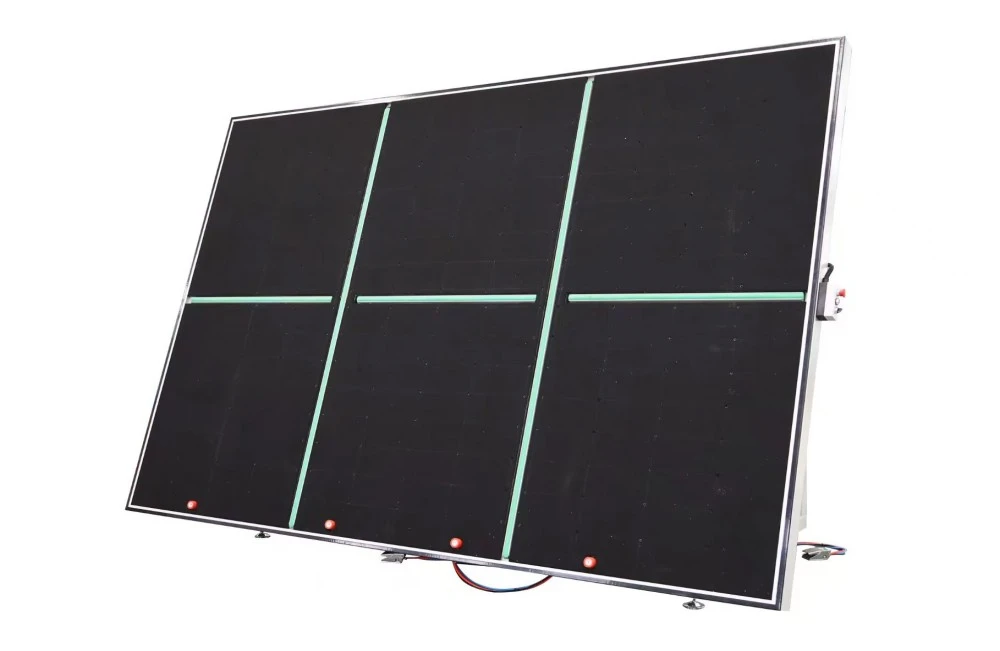
Transform Your Glass Processing with HUASHIL's Advanced Cutting Solutions
HUASHIL's cutting-edge automation technology delivers unmatched precision for LOW-E glass processing applications across diverse architectural projects. Our comprehensive range of glass cutting equipment addresses the unique challenges of coated glass manufacturing while maximizing production efficiency. As a trusted LOW-E Glass cutting Machine manufacturer, we understand the critical importance of maintaining coating integrity during processing operations.
Our engineering team has developed specialized cutting techniques that preserve LOW-E coating properties while achieving exceptional dimensional accuracy. The integration of PLC control systems ensures consistent performance across extended production runs. HUASHIL's commitment to innovation has made us a preferred supplier for glass processors worldwide.
Experience the difference that precision engineering makes in your glass processing operations. Our comprehensive support includes installation, training, and ongoing technical assistance to maximize your investment returns. Ready to elevate your glass processing capabilities? Contact us at salescathy@sdhuashil.com to discuss your specific requirements and discover how our advanced cutting solutions can transform your production efficiency.
References
1. Johnson, M. & Smith, R. (2024). "Advanced Glass Processing Technologies for Energy-Efficient Buildings." Journal of Architectural Glass Manufacturing, 15(3), 245-267.
2. Chen, L. (2024). "LOW-E Coating Preservation During Automated Glass Cutting Operations." International Glass Technology Review, 42(8), 123-139.
3. Williams, K., Anderson, P., & Thompson, J. (2024). "Precision Cutting Requirements for Modern Curtain Wall Systems." Building Envelope Technology Quarterly, 28(2), 78-95.
4. Rodriguez, C. (2024). "Quality Control Standards in Coated Glass Manufacturing." Glass Industry Standards Bulletin, 31(4), 156-174.
5. Taylor, B. & Davis, S. (2024). "Smart Building Integration with Advanced Glass Processing Systems." Sustainable Architecture Technology Journal, 19(7), 301-318.
6. Liu, X., Wang, H., & Brown, A. (2024). "Automation Advances in Architectural Glass Production." Manufacturing Technology Progress Report, 36(5), 89-107.