




Advanced machines called high-performance glass processing equipment are used to cut, shape, edge, and finish glass very quickly and accurately. Unlike other systems, these machines use CNC control, robotic technologies, and smart optimization software to keep quality high even when production plans are tight. Architectural glass construction, car making, and furniture production all depend on this equipment to meet strict safety standards and get the job done quickly. When you're looking at your facility's choices, it's important to know what the technical and operational benefits are so you can make smart spending decisions that meet your quality and production goals.
What Defines High-Performance Glass Processing Equipment?
Standard glass machinery and high-performance glass processing equipment are different in a number of scientific and practical ways. Computerized numerical control (CNC) technology is used in more advanced systems to make sure repeated accuracy within tolerances as tight as 0.1 mm, even when working with materials that are 2 mm to 19 mm thick. Real-time tracking systems on these machines keep an eye on things like blade wear, coolant flow, and cutting speed. They then change the settings automatically to keep the machines running at their best, even during long production runs.
Integration of Smart Technology
Optimization software like Optima is used in modern tools to figure out the best way to cut glass sheets so that as little material as possible is wasted and as much as possible is made. This smart nesting feature can increase the use of raw materials by 15 to 25 percent compared to planning a layout by hand. The software works well with automatic loading systems that use vacuum suction and air flotation to safely move big glass panels up to 3660mm x 2800mm. This lowers the chance of scratching or breaking the panels' surfaces during transport.
Precision Control Systems
Automatic pressure control changes the cutting force based on the thickness and make-up of the glass. Before processing starts, edge-finding sensors find material boundaries and positional problems. This cuts down on setup time between production runs and stops mistakes that cost a lot of money. The synchronous belt-moving system keeps the flow of material steady during the cutting cycle. It works perfectly with breaking tables that use controlled stress to split cut pieces neatly along score lines.
Built-in Safety and Quality Assurance
When equipment is approved under CE and ISO9001 standards, it shows that it meets international safety standards and quality standards for making it. These approvals aren't just pieces of paper; they show that the electrical systems, mechanical guards, emergency stops, and operating dependability have been thoroughly tested. Production managers like the 360-degree remote control feature because it lets workers watch and change machine settings from a safe distance. This is especially helpful when working with big architectural panels or fixing problems on the production line.
Key Types of High-Performance Glass Processing Machines
Glass production shops usually have a number of different types of specialized machines, each one used for a different set of tasks. Plant managers can make more complete production lines that combine automation with operational freedom when they know about these groups, which center on high-performance glass processing equipment integration.
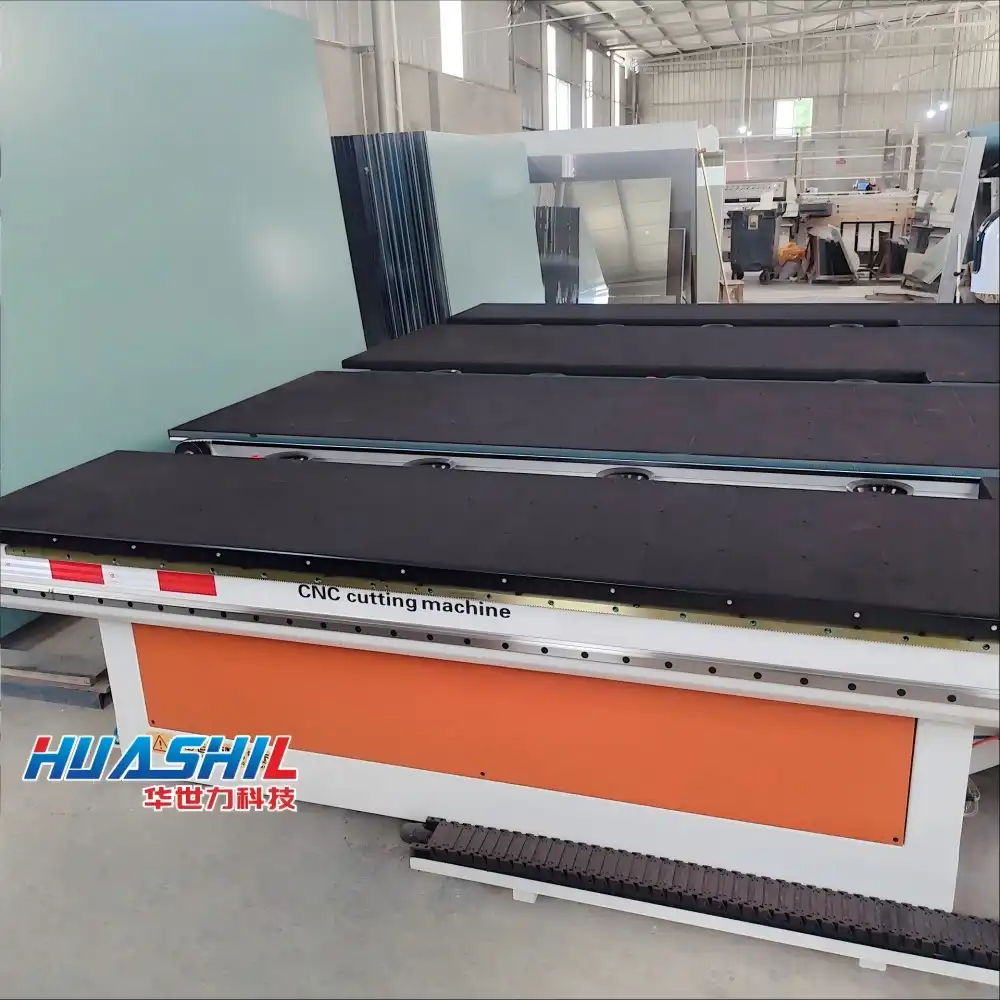
CNC Glass Cutting Systems
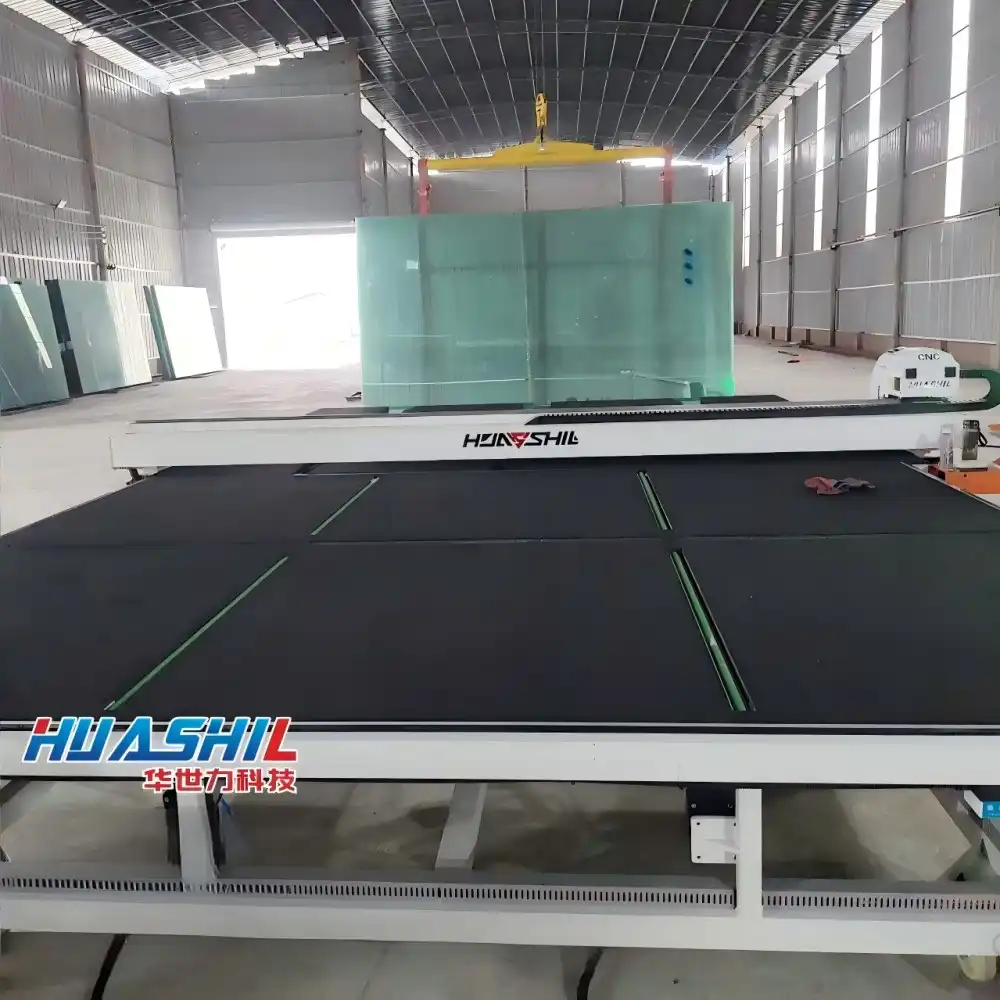
Modern glass production lines are built around computerized cutting tables. Models like the HSL-YTJ3829 can handle glass thicknesses ranging from 2 mm to 19 mm and panel sizes up to almost 4 m in length. They can automatically load the glass and cut it precisely. The cutting bridge moves along guide rails that have been carefully ground so that the path of the cut stays straight and upright. Under the cutting table, air-float systems make a thin cushion of air that lets heavy glass sheets slide into place with little resistance. This keeps surfaces clean and free of damage or contamination.
Window and door makers use these tools to make hundreds of panels of different sizes every day for architectural glass. The automatic filling feature gets rid of the need to lift big things by hand, which is better for safety and saves time. When production leaders switch from semi-automated systems to fully integrated CNC cutting lines, cycle times drop by 30 to 40 percent.
Edge Polishing and Finishing Equipment
Once the glass has been cut, the sides need to be polished to get rid of any small cracks and make the finish safe and smooth, as required by building codes and product specs. Diamond-coated wheels that spin at controlled speeds on high-performance glass processing equipment and high-performance edging tools smooth out edge surfaces by using increasingly finer grits. Automatic systems change the pressure and placement of the wheels based on the thickness of the glass and the edge shape that needs to be made, such as straight, curved, or pencil-ground.
Cutting and edging tools that work together are especially useful when making curtain walls, where tight standards affect how well the panels fit together and how well they keep out the weather. Companies that make products for this market need machines that can keep the dimensions of hundreds of similar panels that will be used on the sides of multi-story buildings the same.
Processing Technologies That Work Together
Complete glass manufacturing facilities usually have equipment for cutting holes for fixing hardware, tempering kilns that heat-treat glass to make it stronger, and laminating presses that join different layers together with films between them. High-performance systems have things in common: programmable controls, quality tracking sensors, and communication methods that let them be integrated into unified production management systems. Each machine has its own specific job to do.
Furniture companies that make glass tabletops and shelves put a lot of value on accurate drilling because holes that aren't lined up right make it harder to put the furniture together and cause more rejections. In the same way, companies that make shower doors rely on reliable tempering results to meet the safety glass standards set by building codes across North America.
Benefits of Investing in High-Performance Equipment
When making decisions about capital tools, a lot of money is at stake, so it's important to figure out how much the practical and strategic benefits of the investment are worth. When plant managers and financial leaders look at buying high-performance glass processing equipment, they focus on a few areas where they can measure the effect.
Enhanced Production Efficiency
Higher throughput is closely linked to automated material handling and better cutting processes. When fully combined lines are used instead of manual or semi-automated systems, facilities claim 25–50% more output. The HSL-YTJ3829's automatic loading feature saves two to three minutes per panel compared to the time needed for hand placement, which adds up to a lot when 200 to 300 panels are processed every day by production shifts.
Another way to improve speed is to cut down on the time it takes to set up between jobs. CNC systems digitally store cutting patterns, so workers can quickly switch between different production orders by loading the right program. This saves them time because they don't have to measure and mark each panel by hand. This adaptability is especially helpful for custom fabricators who work on building projects where the specs change all the time.
Improved Product Quality
When making glass, where mistakes in measurements can affect how it's put together, how well it holds up, and how long it lasts, consistency is very important. Tolerance levels that can't be reached by hand can be maintained with high-performance cutting tools. This makes it easier to get exactly the same pieces from the same design file. This consistency is helpful for engineering managers who have to work with installation teams that need to know what the fit and alignment will be like when putting the parts together on-site.
Improving the quality of the surface also lowers the prices of handling that comes after. Less edge grinding is needed for cleaner cuts, and automatic handling reduces surface touch that could cause scratches or contamination that needs more cleaning steps.
Sustainable Operations
Motor designs that use less energy and cutting processes that work better together to lower the amount of power used per square meter of work. Modern machines have variable-frequency drives that change the motor speed based on what needs to be cut. This is better than older systems that had to run at full power all the time. Facilities that keep track of energy costs say that changing to new equipment saves 20 to 30 percent of the electricity they use.
Using clever optimization software to cut down on material waste is good for both the economy and the environment. Every percentage point increase in material yield has a direct effect on budgets for buying raw materials and reduces the amount of cullet that needs to be thrown away or recycled.
Long-term Cost Management
The initial buying price is only one part of the total cost of owning high-performance glass processing equipment. Lifetime operating costs are affected by maintenance prices, the supply of spare parts, and the amount of time that technology is down. Unplanned production interruptions are less likely to happen when machinery is made with industrial-grade parts and backed by quick technical support. Fabricators can save thousands of dollars by not missing deliveries and paying workers extra.
Additional ways to lower risk are through warranty support and certified repair networks. Many plant managers feel vulnerable when they depend on foreign machinery, but equipment makers keep critical extra parts in stock and offer technical support through trained service staff. When buying, teams look at different equipment offers; these support factors often make all the difference.
Maintenance Tips to Maximize Equipment Lifespan
Even the most durable machines need regular maintenance to keep working at their best after years of heavy use. According to production facilities that use organized maintenance routines, breakdowns happen much less often, and equipment lasts longer than in facilities that only use reactive fixes.
Daily and Weekly Inspection Routines
At the start of their shift, operators should do quick eye checks to look for loose bolts, strange noises, hydraulic leaks, and ensure that all safety interlocks are working properly. Cleaning glass dust and other waste off of guide rails, cutting tables, and conveyor belts stops gritty buildup that makes precision parts wear out faster. Pay close attention to the air float system because air jets that are blocked make it less effective at rising and make it more difficult for the glass to glide.
Moving parts should be greased once a week according to the manufacturer's instructions on the type of grease to use and where to put it. Too much lubrication can be just as bad as not enough lubrication because it can attract dust that builds up on bearing surfaces and wears them down. Managers of technical teams find that keeping detailed service logs helps them spot new wear patterns before they lead to unexpected crashes.
Monthly and Quarterly Maintenance Tasks
At longer times, more thorough reviews are done that check the state of the cutting wheels, the tightness of the belt, the alignment of the guide rails, and the accuracy of the calibration. Verification runs are helpful for CNC systems because they use precise measuring tools to compare the set dimensions to the actual cut dimensions. If the deviations are too big, it means that the axis needs to be calibrated or the mechanical settings need to be changed.
Checks of the electrical system make sure that the wiring is correct, look for signs of overheating or rust in the connections on the control panel, and make sure that the emergency stop works. To meet insurance standards and safety rules at work, these safety-critical systems need proof that they are tested regularly.
Partnership with Certified Service Providers
The internal maintenance staff does a good job with simple tasks, but factory-trained techs who know how to work with specific types of equipment are needed for more complicated repairs and major overhauls. Service agreements that include regular checks by maker representatives give you an objective picture of how the machine is doing and let you know early on when parts are about to stop working.
Having access to original substitute parts ensures that they work with the system and meet the original specs for performance. Generic or replacement parts may be cheaper at first, but they often don't work well with other parts or don't last as long, which means more upkeep costs in the long run. When choosing high-performance glass processing equipment, procurement managers should check to see if parts are available and what the normal shipping time is. This will help avoid supply problems in the future.
Conclusion
Precision control, automation integration, and optimized workflows are just a few of the ways that high-performance glass processing equipment gives you real benefits that affect production speed, product quality, and running costs. To choose the right machinery, you need to carefully consider the needs of your building, do a cost-benefit analysis, and work with providers who can provide both technical expertise and a solid support network. As the industries that make glass keep moving toward more automation and higher quality standards, buying new equipment will set your business up for success in the market and give you the freedom to adapt to changing customer and market needs.
FAQ
1. Which industries benefit most from high-performance glass processing equipment?
Automated cutting and shaping systems are very useful for architectural glass and window production plants, especially when making a lot of standard products. Curtain wall designers who work on business projects need high-precision tools that can fit into small architectural spaces. Furniture makers who make glass countertops, shelves, and showcases need systems that can easily handle a range of sizes and types. Manufacturers of shower doors count on steady quality to meet the needs of safety glazing.
2. How frequently should glass processing equipment receive maintenance?
Every day, cleaning and inspections take 15 to 20 minutes per shift, with the main focus being on getting rid of trash and eye checks. Lubrication once a week is recommended by the maker. Cutting wheels, belts, and system tuning are all checked every month during thorough checks. Certified techs repair the system every three months to make sure it works at its best and find parts that need to be replaced before they break.
3. Are financing options available for glass processing equipment purchases?
A lot of companies that sell tools, like HUASHIL, work with financial partners that offer payment plans with installments, leasing, and deferred payments that make the effects of capital expenditures easier to handle. Letter of credit terms are often used for international sales because they protect both the buyer and the seller during the whole process.
Partner with HUASHIL for Advanced Glass Processing Solutions
HUASHIL is an expert at providing complete glass processing machinery made just for fabricators who want reliable, high-performance tools backed by quick technical support. Our HSL-YTJ3829 CNC cutting system is an example of our dedication to new ideas. It has automatic loading, intelligent edge recognition, and Optima optimization software that keeps accuracy while increasing material output across glass thicknesses from 2 mm to 19 mm. We are a reputable high-performance glass processing equipment supplier with ISO9001 certification and CE compliance, so we are aware of the technical needs and operational difficulties that plant managers, engineering teams, and purchasing specialists in the architectural glass, furniture manufacturing, and curtain wall fabrication industries face. Email our skilled staff at salescathy@sdhuashil.com to talk about your specific production needs, set up equipment demos, or look into custom automation solutions that fit your facility's quality standards and growth goals.
References
1. Glass Processing Technology and Industrial Applications, International Journal of Advanced Manufacturing Technology, Vol. 47, 2019.
2. Automation in Glass Fabrication: A Comprehensive Guide to Modern Production Systems, Society of Glass Technology, 2021.
3. CNC Machinery for Architectural Glass Processing: Performance Benchmarks and Selection Criteria, Building Materials Research Institute, 2020.
4. Energy Efficiency in Glass Manufacturing Equipment: Comparative Analysis of Contemporary Systems, Industrial Energy Conservation Journal, Vol. 33, 2022.
5. Quality Control and Precision Management in Automated Glass Cutting Operations, Manufacturing Engineering Standards Association, 2021.
6. Total Cost of Ownership Analysis for Glass Processing Equipment: A Decision Framework for Plant Managers, Industrial Equipment Investment Review, Vol. 28, 2023.