




When we talk about modern glassmaking, the glass industry air flotation machine is a piece of equipment that quietly changes how plants handle waste from production. This technology solves a major problem that all glass fabricators have to deal with: how to effectively handle wastewater that is full of solids in suspension, cutting oils, and chemical leftovers. By adding tiny bubbles to dirty water, air floating systems make it possible for impurities to stick to the bubbles and float to the top, where they can be quickly separated and removed. In addition to being good for the environment, these tools have a direct effect on prices, the ability to keep making things, and the ability to compete in the market. Plant managers and buying teams can make better long-term investments in infrastructure when they understand how air flotation works with glass production lines.
Understanding Air Flotation Technology in Glass Manufacturing
Glass industry air flotation machines work on a simple but clever idea: they add tiny air bubbles to wastewater, which makes it float and brings contaminants to the surface. Water-based coolants mix with glass particles to make milky slurries that are hard for standard settling tanks to handle in places where glass is made, like when architectural panels are cut, shower doors are edged, or curtain wall parts are processed.
Core Components and Operating Principles
Modern glass industry air flotation machines have many parts that are all connected and work together. Specialized diffusers make bubbles 20 to 50 microns in diameter in the air room, which is the heart of the machine. Through surface tension, these tiny bubbles stick to particles in the fluid, making clumps that are lighter than water. As these groups rise, a motorized skimmer repeatedly lifts the sludge layer from the top and puts it in collection bins so it can be thrown away or processed further.
The process is very consistent when it comes to both organic substances (like cutting oils) and artificial materials (like glass dust). Chemical ways of cleaning require buying new chemicals all the time and making extra waste. Air flotation, on the other hand, mostly uses compressed air and mechanical separation. This makes the technology especially appealing for medium- to large-sized businesses that deal with 50 to 500 cubic meters of wastewater every day. Intelligent production planning and smart wastewater management work well together in plants with automatic glass cutting lines, which are similar to advanced systems that use Optima optimization software to get the most material output.
Why Does Glass Production Demand Specialized Treatment?
Making glass creates special waste materials that make regular sewer systems work less well. When big panels are being cut (some systems can handle glass up to 6100x3300mm), the cooling water picks up tiny silica particles, calcium compounds, and metal scraps from the tools. Polishing chemicals and cerium oxide are added during the edging and beveling steps. Without the right care, these chemicals can
- Filter out sewage systems and waste handling plants
- Breach release permits and face fines for not following the rules.
- Pollute recycling water that is used in cooling systems
- Make the workplace less safe by accumulating tools and making floors slippery.
Glass industry air flotation machine technology solves these problems by effectively separating light oils that float on their own from heavy particles that stick to bubbles. The water that comes out is either clear enough to meet local disposal standards or clean enough to be recycled back into production equipment in a closed loop. As water restrictions and environmental rules get stricter in industrial areas, this glass industry air flotation machine skill becomes more important than ever.
Key Operational and Economic Benefits for Glass Fabricators
Buying the right air flotation equipment, such as a glass industry air flotation machine, has real benefits that go beyond following the rules. When production managers look at buying new capital equipment, they need to think about how treating wastewater affects line uptime, the distribution of labor, and the total cost of ownership.
Enhanced Treatment Efficiency and Water Recycling
Glass industry air flotation machines can get rid of more than 95% of the solids that are suspended in the water and 85% of the oils and greases that are usually found in leftovers from glass processing. Because of this, plants can reuse cleaned water in their cooling systems, which greatly cuts down on the amount of water used by cities and the costs of running those utilities. A medium-sized architectural glass maker that works with 200 cubic meters of glass every day can cut the amount of fresh water they use by 60 to 70%. This can save them a lot of money in places where water prices are different for different areas.
How quickly you get care is also important. Air floating clears things up in 15 to 30 minutes, while traditional settling takes 2 to 4 hours. This means that smaller tools can handle the same amounts of material. This quick handling keeps garbage from building up during busy production times, getting rid of bottlenecks that slow down production. Plants that use multiple cutting tables—setups with loading, cutting, and breaking stations working one after the other—like how quickly wastewater treatment can keep up with the speed of high-speed glass processing.
Lower Operating Costs Compared to Alternative Methods
When engineering managers look at different cleaning methods, glass industry air flotation machine economics are superior. It takes 40–60% more energy than basic air flotation designs to run dissolved air flotation (DAF) systems because they need pressure tanks and return pumps. For chemical flocculation ways to work, you have to keep buying coagulants and chemicals that change the pH, and you also have to handle sludge that has been chemically changed more. With membrane filtering, the clarity is great, but the expensive filter tubes need to be replaced often.
Air float is the best of both worlds because it uses less energy than DAF, doesn't need many chemicals, and is easy enough that techs can do the maintenance themselves. When the system is working normally, the main things that need to be replaced are the diffuser membranes and compressed air, which can often be gotten from existing plant air systems. This makes operations easier, which directly boosts ROI. Many systems pay for themselves within 24 to 36 months by saving water and avoiding fines from the government.
Scalability and Integration Flexibility
Modern glass industry air flotation machine tools can work with a range of production sizes and building plans. Small- to medium-sized furniture glass factories that only work one shift can use compact units. Large window factories that work multiple shifts and all the time can use flexible systems that can be expanded to fit their needs. This scalability is important for companies that are growing and looking to expand their facilities, as well as for companies whose production changes with the seasons.
Integrating with the current infrastructure doesn't take a lot of changes. Most air flotation machines have standard pipes that link straight to existing drainage sumps. The pumps and computers also have simple electricity connections. Most systems are above-ground, but below-ground setups can work when there isn't much room on the floor. When plants move up from basic settling pits, they can often add a glass industry air flotation machine to the same area, which saves money on installation costs by using existing concrete work. Modern systems accept signals from production control systems to change the level of treatment based on real-time wastewater flow rates. This is similar to how improved glass cutting systems with adjustable stations improve output based on order lists.
Selecting the Right Air Flotation System for Your Glass Plant
When buying tools to treat garbage, procurement teams have to make a lot of decisions. The decision affects not only the instant cost of capital but also the long-term cost of operations, the amount of upkeep needed, and the trust in regulatory compliance.
Critical Technical Specifications to Evaluate
Several factors decide if a glass industry air flotation machine is right for your building. Treatment capacity, which is measured in cubic meters per hour, must match the highest rates of wastewater production, with room for production to rise. A factory with two cutting lines and water-cooled equipment that makes 8 to 12 cubic meters of waste every hour should ask for a system that can handle 15 to 18 cubic meters to make sure there is enough space when production is at its highest.
Ratings for how well contaminants are removed vary from manufacturer to manufacturer and should be checked against your individual contaminants. Ask for test results that show how well the product works with wastewater from the glass industry, not just with wastewater from other industries. The spread of bubble sizes affects how well they remove things. Smaller bubbles (30–40 microns) are better at catching the smaller particles that are common in glass polishing, while bigger bubbles (50–60 microns) are better at cutting slurries.
Pay close attention to building products. To handle the slightly alkaline pH that comes from glassmaking wastewater, tanks and pipes should be made of corrosion-resistant stainless steel or fiberglass that has been strengthened. Control systems should have both manual and automatic modes so that workers can change settings for different production runs or go back to manual control while doing repairs.
Evaluating Manufacturers and Support Services
In addition to technical specs, the supplier's knowledge in the field and ability to provide help have a big effect on long-term satisfaction. Companies that make tools for handling glass know the problems that your business faces. They can suggest the right size, the best way to set up the equipment, and examples of setups that have been done in similar places.
How quickly problems are fixed depends on the system for after-sales help. Make sure the manufacturer keeps parts in stock in your area. Important parts like air diffusers, pumps, and control boards should be able to be shipped the next day. Technical help should be available during your business hours, taking into account different time zones if you're buying from other countries. Updating your repair staff through training programs cuts down on the number of calls to outside services and the amount of time your business is shut down when problems happen.
The terms of the warranty show how confident the maker is in their products, including the glass industry's air flotation machine. Standard guarantees last between 12 and 18 months, but for key components, top providers often cover them for 24 months. Keep an eye on what isn't covered. Wear things like diffuser screens usually aren't, but structural tanks and motors should be. Make it clear how long you promise to respond to guarantee service requests, and whether on-site help is covered or whether parts have to be shipped to service centers.
Conclusion
Glass industry air flotation machine technology is an old, tried-and-true way to deal with the wastewater problems that come up when making glass. The practical benefits—effective removal of contaminants, lower running costs, and less water use—combine with strategic benefits related to meeting regulations and being environmentally friendly. To choose the right tools, you need to find a balance between technical specs, the supplier's skills, and the total cost of ownership, all while keeping long-term performance and adaptability in mind. Systematic care keeps things running well and extends their useful life, and new automation features make things run more efficiently. Effective garbage management goes from being a practical necessity to a competitive advantage as environmental standards continue to get stricter and market expectations about sustainability rise. When glass manufacturers carefully invest in air flotation infrastructure, they set themselves up for long-term success in markets that are becoming more demanding.
FAQ
1. What contaminants do air flotation machines remove from glass processing wastewater?
Glass industry air flotation machines are good at getting rid of cutting and polishing oils (85%+ removal), coolant leftovers, chemical compounds, and small pieces of glass that are held in the air. The technology can deal with both organic and artificial materials, like oils, silica dust, and metal shavings from tools. Performance changes depending on the spread of particle sizes and the amount of contaminants. This is why it is important to make sure that the size of the system you use is right for the wastewater you have.
2. How much space does an air flotation system require?
Footprint changes based on treatment ability. For above-ground installations, systems that handle 100 to 200 cubic meters of waste every day usually need 15 to 30 square meters of floor space for tanks, pumps, and control screens. Below-ground designs have a much smaller apparent footprint, but they need more digging and civil work. Having enough space around equipment so that repair workers can get to it adds another two to three meters on at least two sides.
3. Can air flotation systems handle variable production schedules?
Modern systems can handle different amounts of garbage well because their working modes can be changed. During times of low flow, automated controls lower the strength of ventilation. This saves energy while keeping the treatment effective. Before the floating equipment, equalization tanks smooth out short-term flow spikes. This lets treatment continue even when production changes quickly and changes the rate at which wastewater is produced. This adaptability works well for job shops whose orders change often and for batch makers whose production cycles repeat themselves.
4. What maintenance skills do operators need?
Basic technical skills are needed for routine upkeep, like checking pumps, cleaning filters, and visually inspecting things. Most of the repair staff at glass plants learn these jobs quickly through training programs put on by the manufacturers. For specialized troubleshooting or replacing parts, you may need vendor help at first, but after six months, experienced techs usually can do it on their own. Clear repair plans and detailed documentation make it easier to learn.
HUASHIL: Advanced Solutions for Glass Processing Excellence
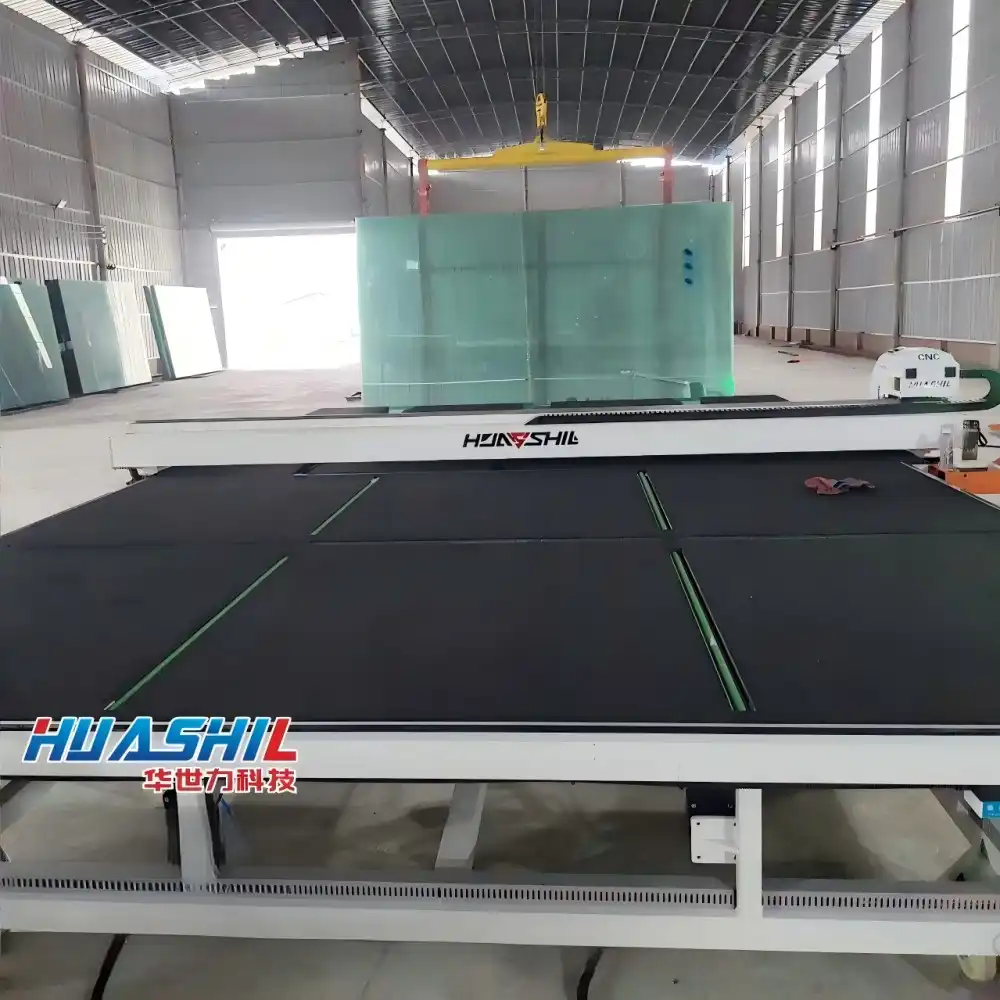
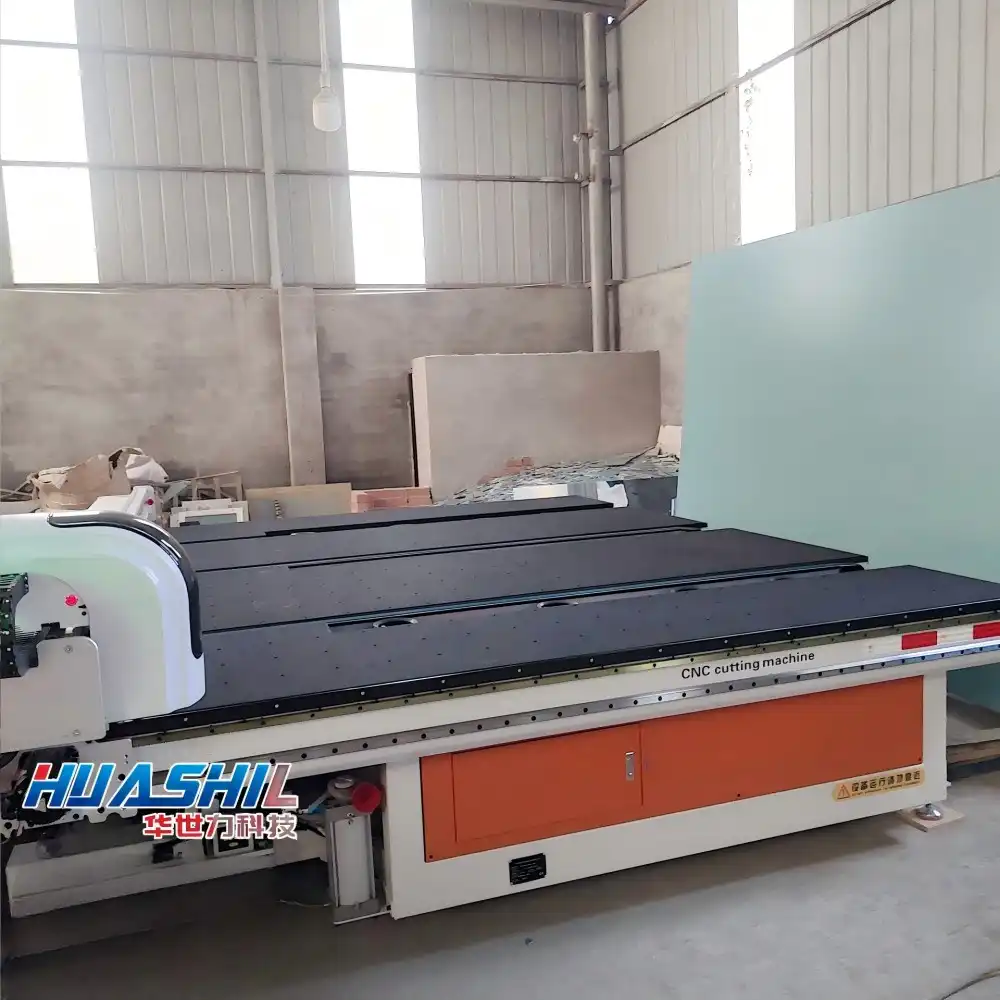
Our team at Shandong Huashil Automation Technology Co., Ltd. has been working with glass for decades and brings that experience to every job. We can be your partner in organizational success because we know everything there is to know about the problems that come up in glass production, from cutting and edging to packaging and managing wastewater. Our HSL-LSX6133 glass cutting system is an example of our dedication to combined automation. It has three linked tables (for loading, cutting, and breaking) that work together with Optima optimization software to get the most out of your materials and speed up your work.
The system's adaptable design, which includes choices for above- or below-ground rail and 2+2 station layouts that can be changed, shows that we know that no two processes are the same. Our equipment can handle glass panels up to 6100x3300mm and has six gripper arms on each side to keep the materials safe while being moved. It meets the needs of architectural glassmakers and curtain wall manufacturers for both size and accuracy.
We use the same engineering principles to solve problems in the world, including for the glass industry's air flotation machine. We know that duty for the environment and efficient production are not opposites but rather objectives that work together. Our expert team can look at the properties of your wastewater and suggest air flotation systems that will work well with your current infrastructure and set you up for future growth and changes in regulations.
We want plant managers, engineering directors, and procurement workers to learn more about how air flotation technology can be used to turn wastewater from a problem into a resource that can be controlled. Our knowledge of automation in the glass industry lets us suggest solutions that improve both business performance and environmental responsibility. This is true whether you're planning to build a new building, grow current production lines, or replace old treatment systems.
Email our team at salescathy@sdhuashil.com to talk about your unique needs. We'll set up expert meetings to talk about your wastewater amounts, contaminant profiles, and treatment goals. We offer thorough system specs, ROI forecasts, and references from similar setups that show real-world performance because we are an established glass industry air flotation machine provider. Our goal is to help you choose tools that will treat your patients reliably and affordably for years to come, while also supporting your company's larger goals for quality, sustainability, and market success.
References
1. Industrial Water Treatment Handbook, Chapter 7: Flotation Systems for Manufacturing Wastewater, Environmental Engineering Publishers, 2021.
2. Glass Manufacturing Technology Quarterly, "Wastewater Management Strategies for Architectural Glass Fabricators," Volume 18, Issue 3, 2022.
3. American Water Works Association Research Foundation, Performance Evaluation of Air Flotation Systems in Industrial Applications, Technical Report Series, 2020.
4. Journal of Cleaner Production, "Economic and Environmental Assessment of Water Recycling Technologies in Glass Processing," Volume 294, 2021.
5. National Glass Association Technical Brief, Best Practices for Wastewater Treatment in Architectural Glass Fabrication Plants, 2023 Edition.
6. Environmental Protection Agency, Industrial Wastewater Treatment Guide for Glass Manufacturing Facilities, Office of Water Programs, 2022.