




The primary difference between a manual glass cutter and a stained glass cutting machine lies in precision, efficiency, and production capacity. Manual glass cutters rely on hand-operated tools for glass scoring and breaking, requiring skilled craftsmanship and offering limited repeatability. In contrast, a stained glass cutting machine utilizes automated systems with computer-controlled movements, delivering consistent accuracy, higher throughput, and reduced labor dependency. While manual cutters suit small-scale art projects and custom work, automated cutting machines excel in commercial glass fabrication, where precision cutting, pattern design consistency, and volume production are essential requirements.
Understanding Manual Glass Cutting Methods
Manual glass cutting represents the traditional approach to glass fabrication, relying on hand tools and skilled craftsmanship. This method involves using handheld glass cutters with tungsten carbide or diamond wheels to score glass surfaces.
The process begins with careful measurement and marking on the glass panel. Craftsmen then apply consistent pressure while drawing the cutter across the surface, creating a controlled fracture line. The glass breaks along this scored line using running pliers or breaking pliers.
Manual techniques work well for:
- Small-scale art glass projects requiring unique shapes
- Repair work on existing stained glass installations
- Prototype development where design flexibility matters
- Educational settings teaching glass crafting fundamentals
- Budget-conscious workshops with limited automation needs
Skilled artisans can achieve remarkable precision with manual methods. However, the process demands significant experience to maintain consistent quality across multiple pieces. Each cut depends on human judgment for pressure application, scoring speed, and breaking technique.
If you need maximum creative control and work primarily with unique, one-off pieces, then manual glass cutting methods are more suitable for your craft workshop requirements.
Automated Stained Glass Cutting Technology Overview
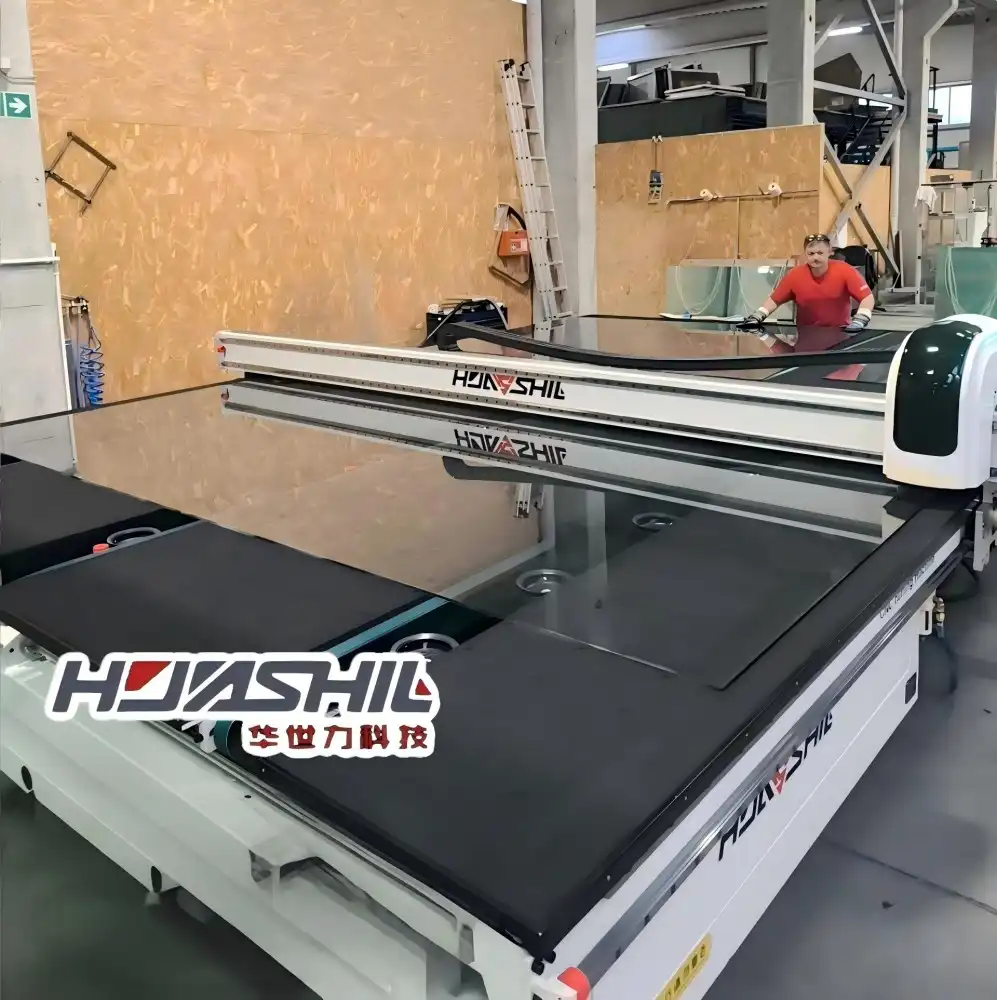
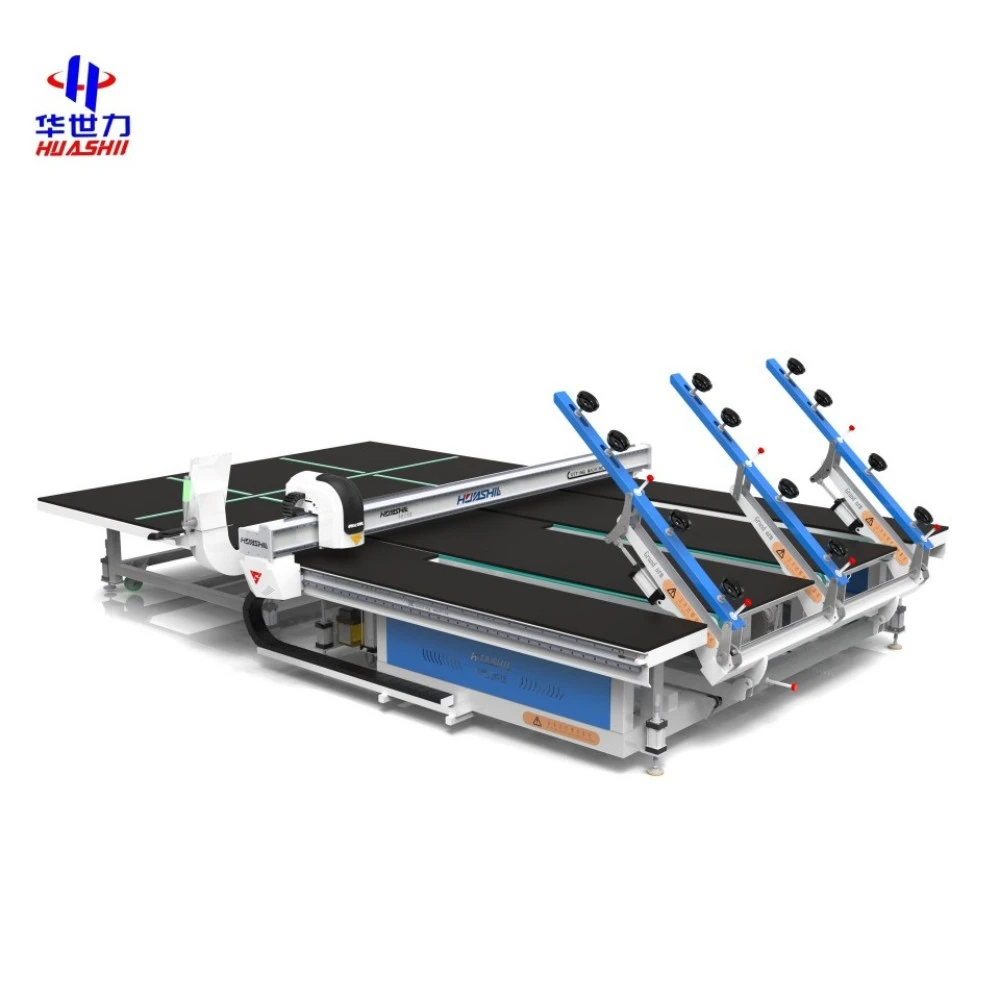
Modern stained glass cutting machines incorporate advanced automation technology to streamline glass fabrication processes. These systems combine computer numerical control (CNC) precision with specialized cutting mechanisms designed specifically for glass materials.
Contemporary automated systems feature:
- Computer-controlled cutting heads with diamond or carbide wheels
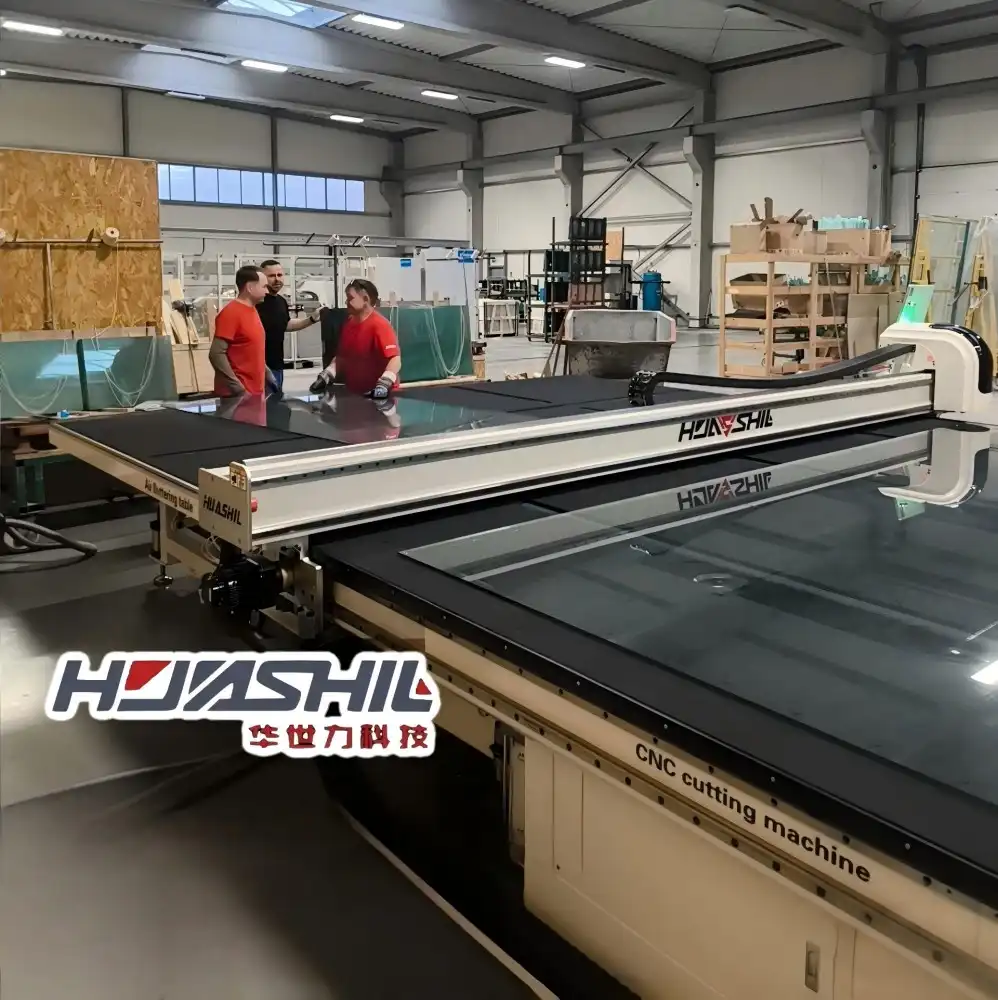
- Vacuum tables holding glass panels securely during processing
- Automated scoring and breaking sequences, reducing manual intervention
- Pattern design software enabling complex shape programming
- Integrated safety systems protecting operators and equipment
These machines process various glass types, including float glass, tempered glass, and specialized art glass materials. The cutting process begins with digital pattern input, followed by automated tool path generation and precise cutting execution.
Laser cutting technology has also emerged as an alternative for certain applications. Laser systems offer exceptional precision for thin glass materials and enable intricate pattern creation impossible with mechanical scoring methods.
Production data shows automated systems achieve cutting accuracy within ±0.1mm tolerances consistently. This precision level supports demanding architectural applications where dimensional accuracy directly impacts installation success.
If you need high-volume production with consistent quality standards, then automated stained glass cutting technology is more suitable for your manufacturing facility.
Precision and Accuracy Comparison
Precision differences between manual and automated cutting methods significantly impact production outcomes. Measurements reveal substantial variations in achievable accuracy levels and consistency across production runs.
Manual cutting typically achieves:
- Accuracy range: ±0.5mm to ±2.0mm, depending on operator skill
- Repeatability variation: 15-25% across identical cuts
- Edge quality: Variable, requiring additional grinding or smoothing
- Complex curve capability: Limited by hand-eye coordination
- Quality consistency: Decreases with operator fatigue
Automated systems deliver:
- Accuracy range: ±0.05mm to ±0.15mm with proper calibration
- Repeatability variation: Less than 3% across production batches
- Edge quality: Consistent, often eliminating secondary processing
- Complex curve capability: Limited only by software programming
- Quality consistency: Maintained throughout extended production runs
Test data from architectural glass projects shows that automated cutting reduces fitting errors by 78% compared to manual methods. This improvement directly translates to reduced installation time and material waste.
Mosaic glass applications particularly benefit from automated precision. Consistent piece dimensions ensure proper fit during glass assembly, reducing the need for manual adjustments during installation.
If you need dimensional accuracy for architectural curtain wall applications, then automated cutting precision is more suitable for your project specifications.
Production Efficiency and Speed Analysis
Production throughput differences between cutting methods dramatically affect manufacturing economics and project timelines. Comprehensive analysis reveals significant variations in processing speeds and overall efficiency metrics.
Manual cutting productivity averages:
- Simple straight cuts: 8-12 pieces per hour per operator
- Complex curved shapes: 3-5 pieces per hour, requiring skilled craftsmen
- Setup time: 10-15 minutes per new pattern design
- Material utilization: 70-80% due to cutting path optimization limitations
- Rework rate: 8-15% depending on operator experience level
Automated systems achieve:
- Simple straight cuts: 60-120 pieces per hour, depending on size
- Complex curved shapes: 25-45 pieces per hour with consistent quality
- Setup time: 2-5 minutes for pattern loading and calibration
- Material utilization: 85-92% through optimized nesting algorithms
- Rework rate: Less than 2% with proper maintenance protocols
Case studies from furniture glass manufacturers show 340% productivity improvement after implementing automated cutting systems. This efficiency gain enables competitive pricing while maintaining profit margins.
Labor cost analysis reveals additional benefits. Automated systems reduce skilled labor requirements from 3-4 operators to 1 supervisor per cutting station. This reduction addresses skilled labor shortages affecting many glass fabrication facilities.
If you need rapid turnaround times for high-volume architectural projects, then automated cutting efficiency is more suitable for your production demands.
Cost Analysis: Initial Investment vs Long-term Value
Financial considerations play a crucial role in stained glass cutting machine equipment selection decisions. Understanding both upfront costs and long-term operational expenses helps optimize return on investment for glass fabrication operations.
Manual cutting setup costs include:
- Basic hand tools: $200-500 per complete cutting kit
- Work surface setup: $1,000-3,000 for proper cutting tables
- Safety equipment: $300-600 per operator position
- Training costs: $2,000-5,000 per skilled craftsman development
- Annual tool replacement: $400-800 for consumable cutting wheels
Automated system investments require:
- Equipment purchase: $45,000-250,000, depending on capabilities and size
- Installation and commissioning: $5,000-15,000 including training
- Software licensing: $2,000-8,000 annually for advanced features
- Maintenance contracts: $4,000-12,000 annually, ensuring optimal performance
- Spare parts inventory: $3,000-10,000 for critical component availability
Return on investment calculations show break-even points typically occur within 18-36 months for medium to high-volume operations. Facilities processing more than 1,000 square meters of glass monthly often achieve payback within 15 months.
Hidden costs favor automation over time. Reduced material waste, eliminated rework, and lower labor costs accumulate substantial savings. Insurance premiums may also decrease due to improved workplace safety with automated systems.
If you need predictable operating costs and plan significant volume growth, then an automated cutting investment is more suitable for your business expansion strategy.
Quality Control and Consistency Factors
Quality management differences between cutting methods directly impact customer satisfaction and production standards. Statistical analysis reveals significant variations in output consistency and defect rates across different approaches.
Manual cutting quality characteristics:
- Operator-dependent consistency with 20-35% variation between shifts
- Edge quality varies, requiring 60-80% of pieces needing additional grinding
- Dimensional accuracy decreases 15-25% during extended work periods
- Pattern matching challenges increase with complex multi-piece designs
- Quality inspection requires 100% manual verification, adding time costs
Automated cutting quality features:
- Statistical process control maintains consistent output parameters
- Edge quality uniformity eliminates 70-85% of secondary processing needs
- Dimensional stability is maintained throughout production runs
- Automated pattern verification ensures precise piece matching
- Built-in quality monitoring systems reduce inspection requirements
Quality metrics from curtain wall installations show 65% reduction in field fitting problems when using automated cut components. This improvement reduces installation costs and project delays significantly.
Glass etching and glass fusing applications particularly benefit from consistent automated cutting. Precise edge preparation improves joining quality and reduces stress concentrations that could cause future failures.
Documentation capabilities differ substantially between methods. Automated systems generate detailed cutting reports including tool paths, cutting parameters, and quality measurements. This data supports quality assurance programs and helps optimize future production runs.
If you need certified quality documentation for commercial construction projects, then automated cutting systems are more suitable for your compliance requirements.
Application Scenarios: Choosing the Right Method
Selecting appropriate cutting methods depends on specific application requirements, production volumes, and quality standards. Different scenarios favor particular approaches based on technical and economic factors.
Manual cutting excels in scenarios requiring:
- Artistic stained glass restoration preserving historical authenticity
- Custom residential projects with unique design requirements
- Educational workshops teaching traditional glass crafting techniques
- Low-volume specialty applications where setup time exceeds cutting time
- Remote locations lacking reliable electrical power infrastructure
Case studies from art glass studios show manual methods remain preferred for pieces requiring individual artistic interpretation. The tactile feedback and creative control available through hand cutting support artistic expression impossible with automated systems.
Automated cutting proves advantageous for:
- Architectural glass panels requiring precise dimensional control
- Furniture glass components needing consistent edge quality
- Commercial production with standardized pattern repetition
- Lead came assembly requiring exact piece dimensions
- Multi-shift operations demanding consistent output quality
Production data from shower door manufacturers demonstrates 85% efficiency improvement using automated cutting for standard sizes. The combination of speed, accuracy, and consistency supports competitive pricing in commodity glass markets.
Hybrid approaches combining both methods offer flexibility for diverse product lines. Many successful glass workshops maintain manual capabilities for custom work while using automated systems for volume production.
If you need flexibility handling both artistic commissions and commercial production, then implementing both manual and automated capabilities is more suitable for your diversified business model.
HUASHIL's Advanced Stained Glass Cutting Solutions
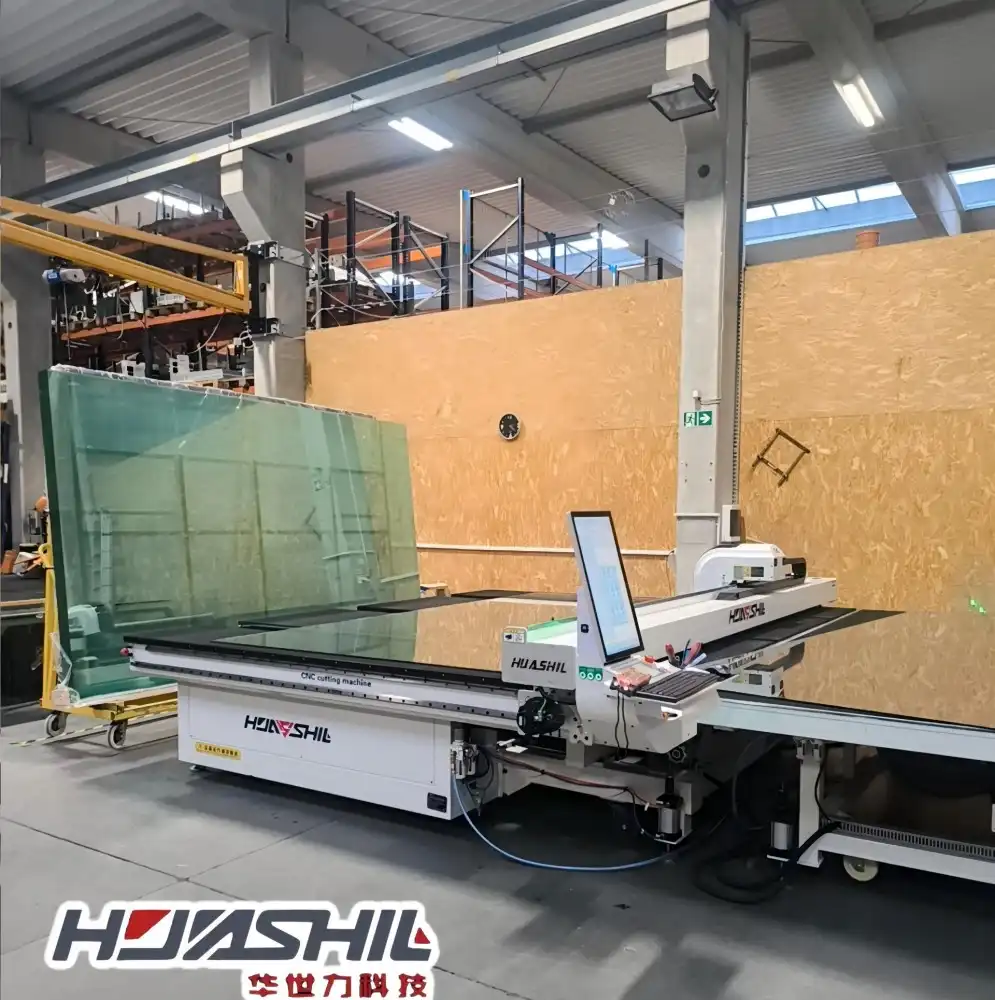
HUASHIL delivers comprehensive automated glass processing solutions specifically engineered for modern manufacturing requirements. Our stained glass cutting machine technology combines proven reliability with innovative features addressing diverse industry applications.
Key advantages of HUASHIL cutting systems include:
- Precision Engineering: Achieving ±0.05mm cutting accuracy through advanced servo control systems and precision linear guides, ensuring dimensional consistency across production runs.
- Versatile Material Handling: Processing glass thickness from 2mm to 25mm with automatic material recognition systems, adapting cutting parameters for optimal results.
- Intelligent Software Integration: CAD/CAM software compatibility enables direct pattern import from popular design programs, streamlining workflow efficiency.
- Advanced Safety Features: Comprehensive safety systems, including emergency stops, protective barriers, and automated tool monitoring, protect operators and equipment.
- Energy Efficient Operation: Optimized power consumption, reducing operating costs by 25-30% compared to conventional cutting systems.
- Modular Design Architecture: Scalable configurations supporting future expansion needs without complete system replacement requirements.
- Comprehensive Training Programs: Complete operator certification courses, ensuring maximum productivity and equipment longevity.
- Global Service Network: 24/7 technical support and spare parts availability, minimizing production downtime risks.
- Custom Integration Capabilities: OEM and ODM services adapting equipment specifications for unique production line requirements.
- Proven Track Record: Extensive installation base across architectural glass manufacturers, furniture producers, and curtain wall fabricators worldwide.
Our automated systems integrate seamlessly with existing glass fabrication workflows. The intuitive control interface reduces operator training time while maintaining sophisticated functionality for complex cutting requirements.
Quality assurance programs ensure every machine meets strict performance standards before delivery. Comprehensive testing procedures verify accuracy, repeatability, and reliability under various operating conditions.
Technical specifications accommodate diverse glass types, including float glass, laminated glass, and specialty art glass materials. Adaptive cutting parameters automatically adjust for material properties, ensuring optimal results regardless of glass composition.
Maintenance requirements remain minimal through robust component design and predictive maintenance capabilities. Automated diagnostic systems identify potential issues before they affect production, enabling proactive maintenance scheduling.
As a leading stained glass cutting machine manufacturer, HUASHIL provides complete turnkey solutions from initial consultation through installation, training, and ongoing support, ensuring maximum return on your automation investment.
Conclusion
The choice between manual glass cutters and automated stained glass cutting machines depends largely on production requirements, quality standards, and volume needs. Manual methods continue serving artistic applications and small-scale projects where creative control matters most. Automated systems excel in commercial production environments requiring consistent precision, high throughput, and reliable quality control.
Investment analysis favors automation for operations processing significant glass volumes. The combination of improved accuracy, reduced labor costs, and enhanced material utilization typically justifies equipment costs within reasonable payback periods. HUASHIL's advanced cutting solutions provide the reliability and performance needed to maximize these benefits while supporting long-term business growth.
Ready to Transform Your Glass Cutting Operations with HUASHIL?
Upgrading your glass fabrication capabilities requires partnering with experienced automation specialists who understand your unique production challenges. HUASHIL combines decades of glass processing expertise with cutting-edge technology to deliver solutions that exceed performance expectations.
Our engineering team works closely with each customer to develop customized cutting solutions addressing specific requirements. Whether you need individual machine upgrades or complete production line automation, HUASHIL provides comprehensive support throughout the entire project lifecycle.
Technical consultation services help evaluate current operations and identify optimization opportunities. Our specialists analyze production volumes, quality requirements, and growth projections to recommend optimal equipment configurations.
Installation and commissioning services ensure smooth transitions to automated operations. Experienced technicians handle complete system setup, calibration, and operator training, minimizing disruption to ongoing production schedules.
Ongoing support includes preventive maintenance programs, spare parts management, and technical assistance, ensuring sustained peak performance. Remote diagnostic capabilities enable rapid troubleshooting and minimize potential downtime.
Financing options accommodate various budget requirements and help optimize cash flow during equipment acquisition. Flexible payment terms and leasing arrangements support business growth without straining financial resources.
Ready to discover how HUASHIL's advanced stained glass cutting machine technology can transform your production capabilities? Our technical specialists are available to discuss your specific requirements and provide detailed proposals tailored to your operational needs. Contact us at salescathy@sdhuashil.com to schedule your consultation and take the next step toward enhanced productivity and profitability.