




A high quality mirror processing machine is capable of producing exact cuts, maintaining a constant surface polish, and maintaining reliable automated performance throughout each and every production run. In addition to reducing the amount of physical intervention required, it is able to handle different glass thicknesses without affecting precision and maintains strict dimensional tolerances. The selection of the appropriate machine has a direct impact on the output quality, labour cost, and line productivity of plant managers and engineers who are responsible for sourcing equipment for architectural glass fabrication, furniture manufacture, or curtain wall installation projects. In the course of the machine's service life, making more informed decisions will result in fewer rejections, reduced downtime, and improved returns.
Understanding the Core Features of High-Quality Mirror Processing Machines
The manner in which a mirror processing machine functions on a daily basis is directly proportional to the technological base upon which it is built. When I am evaluating a new model, the three aspects that I always place the most importance on are the precision, the automation depth, and the material compatibility.
Precision Cutting and Glass Compatibility
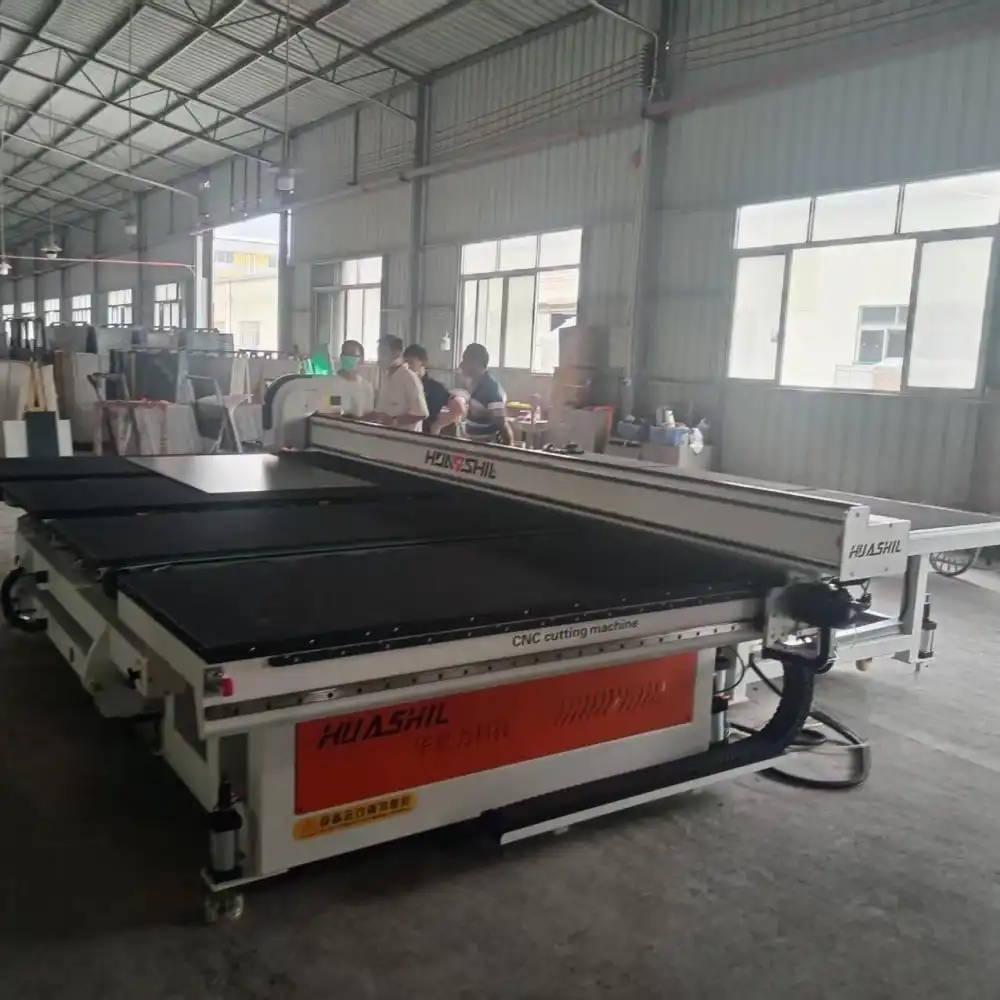
Without the need for tool changes or manual recalibration, a reliable machine can handle glass thicknesses ranging from 2 millimetres to 19 millimetres. As an example, the HUASHIL HSL-YTJ2721 is capable of accommodating a maximum glass size of 2700×2100 mm. It employs automated edge-finding to ensure that each sheet is positioned appropriately before the cutting process starts. By doing so, the operator error that is often associated with manual setups is eliminated, and the dimensional precision is maintained consistently throughout big batches.
Automation Depth and Control Systems
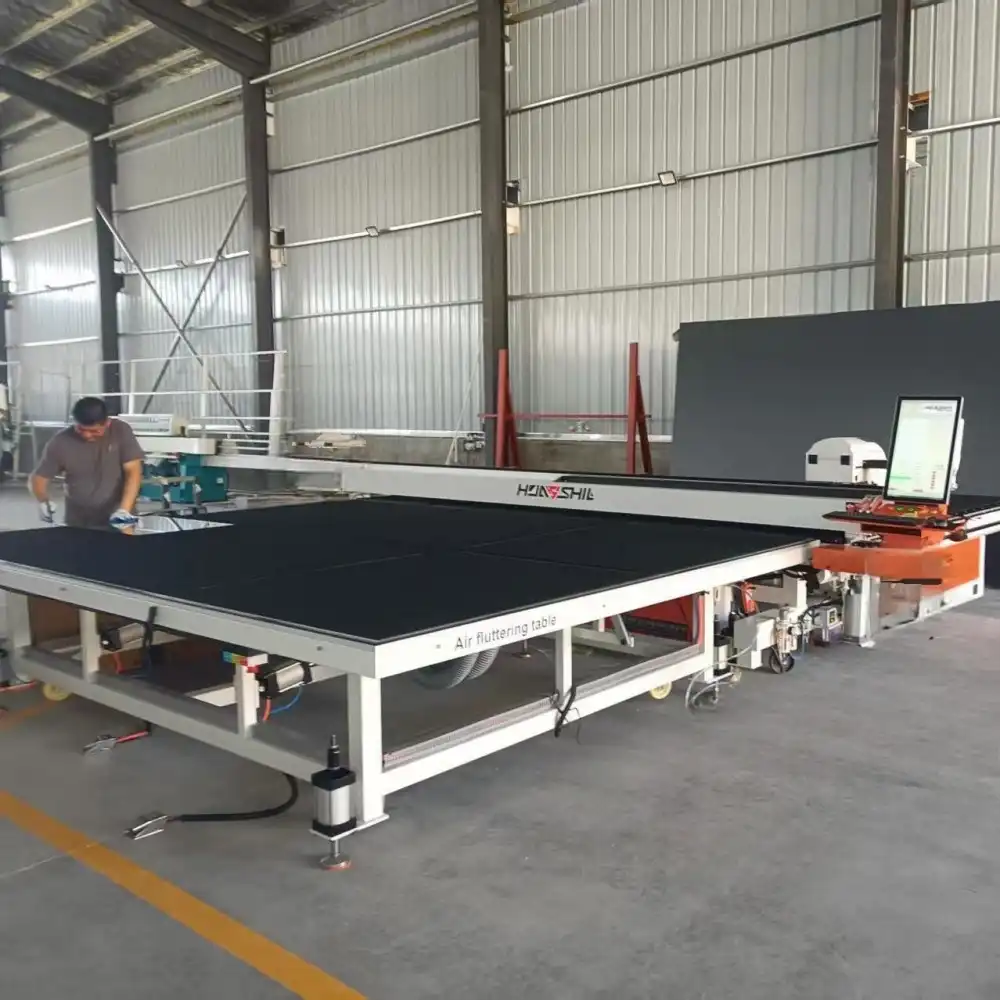
The quality of automation differentiates production-grade equipment from alternatives that are considered entry-level. During transportation, the HSL-YTJ2721 is equipped with an air flotation system, automated pressure management, and automatic loading, all of which serve to safeguard the surface of the glass material. By allowing workers to observe and modify the machine without having to stand directly at the cutting table, the 360-degree remote control walking capability helps to reduce fatigue and improve safety.
Software Integration with Optima
Earnings are directly impacted by the amount of material produced. Prior to the beginning of production, the HSL-YTJ2721 is equipped with Optima optimisation software, which ensures that the most effective cutting arrangement is determined for each individual glass sheet. When compared to manual layout design, nesting software that has been properly calibrated often contributes to a reduction in the amount of raw material waste by between 8 and 15 percent. Suction cups are used to manage the glass conveying process. These cups ensure that each sheet remains stable and free of scratches throughout the process.
Safety Certifications and Industry Standards
HUASHIL's production process is quality-controlled at every level, as shown by the CE and ISO 9001 certifications that are applied to the HSL-YTJ2721. These certifications demonstrate that the machine satisfies those European safety regulations. These certifications cut down on the amount of time needed for approval and lessen the amount of risk associated with sourcing for procurement managers who are producing tender papers or obtaining supplier qualification records.
Maintenance and Longevity: Keeping Your Mirror Processing Machine at Peak Performance
A machine's real cost is not just the amount it cost to buy, but also the time, money, and work that it takes to keep running. People who buy something and plan for upkeep from the start will always save money in the long run.
Preventive Maintenance Tasks That Matter
As long as the suction cups, cutting wheel pressure settings, and air float ducts are checked often, the high quality mirror processing machine will always work at full speed. When suction cups wear out, they can't hold things in place as well, which makes it more likely for glass to slip and break. This stops production. Once-a-week checks find these issues before they become so bad that they stop the line.
Troubleshooting Common Operational Issues
There are three main things that can go wrong with cutting: unstable cutting wheel pressure, debris in the air flotation channels, or an edge-finding sensor that isn't lined up right. Even though the HSL-YTJ2721's automatic pressure control system stops a lot of mistakes, sensors should still be adjusted regularly as part of any plant's repair plan.
After-Sales Support and Spare Parts Availability
HUASHIL offers expert help, operator training, and spare parts as part of its after-sales service. Foreign buyers care a lot about how easy it is to get parts and how long it takes for someone to react when they need to. If the people in charge of production know when the new parts will come, they can fix things without having to shut down the line for long periods of time.
People who buy tools should plan their repair before they get them, not after they break down for the first time. They can protect their investment this way, and output will stay steady for as long as the machine lasts.
Evaluating and Comparing Mirror Processing Machines
When selecting the appropriate gear, you should take into consideration more than simply a list of characteristics. You have to make sure that the specifications of the tools are compatible with the things that you need to manufacture. When evaluating models for a variety of output sizes, these are the primary considerations that I take into account.
- Cutting range and glass size capacity: The HSL-YTJ2721 has a capacity of 2700×2100 mm, which allows it to cover the majority of common sheet sizes used in commercial construction. This capacity allows it to be utilised for large architectural glass or curtain wall projects without the need for bespoke tooling or repeated passes during the cutting process.
- In comparison to manual systems, fully automated models have the capacity to enhance repeatability while also lowering labour costs. There is a possibility that manual or semi-manual machines are suitable for very low quantities or highly irregular forms; nonetheless, these devices introduce human error into each cut. The payback period is shortened for manufacturers of shower doors and furnishings that operate medium-volume lines when they use complete automation.
- Air flotation systems employ compressed air rather than mechanical rollers, which decreases surface contact and the danger of scratching while retaining a compact footprint. This results in energy efficiency and a smaller footprint. When there is a limited amount of floor space in plants, this is important.
- The HSL-YTJ2721 is capable of handling the majority of conventional sheet sizes that are used in commercial structures. It will also handle the largest glass sizes. Because of its capacity of 2700x2100 mm, it eliminates the requirement for specialised equipment or several passes for large-scale architectural glass or curtain wall projects using this device.
If we compare human systems to those that are totally automated, we can see that when models are fully automated, they may be employed more often and with less effort overall. There is a possibility that manual or semi-manual instruments will perform well for cutting small quantities or forms that aren't extremely straight; nevertheless, every cut that this equipment produces may be screwed up by a human. When they completely automate their operations, businesses that produce medium-volume lines of furniture and shower doors may earn their money back more quickly because of the increased efficiency.
Procurement Strategies for Mirror Processing Machines: What B2B Buyers Need to Know
When you buy a mirror cutting machine for your business, you should be just as careful as when you buy any other big piece of equipment.
Sourcing from Verified Manufacturers
When people buy from the maker instead of a shady middleman, they can get accurate technical paperwork, the chance to have the factory inspected, and direct warranty support for a high quality mirror processing machine. HUASHIL has been exporting goods for a long time. Its machinery is CE and ISO 9001 certified, which helps buyers from other countries find a good seller.
Negotiating Terms and Configuration Options
Payment for sales made in foreign countries often takes the form of a letter of credit or a deposit, which is then followed by the complete payment from the customer. Customers have the ability to request specifications that are not shown on the website, extended warranty packages, or phased delivery schedules for OEM or whole manufacturing lines. There are other options available. As a result of the fact that HUASHIL is capable of doing both OEM and ODM work, it is an excellent option for system manufacturers that want equipment that is specifically designed for their project.
Managing Delivery and Installation
Depending on when your deliveries are due, you will need to choose how you want to increase your output. Before you sign a contract, you should make sure that you are aware of the wait times, when further assistance with installation will be provided, and when operators will be instructed. It is dependent on the readiness of the facility as well as the electrical regulations of the United States to ensure that the machine is delivered at the appropriate time for purchasers in the United States. There is a possibility that delays may occur, which will cause the production start date to be pushed back.
When specifications, total cost of ownership (TCO) numbers, warranty conditions, and installation plans are all taken into consideration throughout the procurement process, line commissioning is completed more quickly, and there are fewer disagreements that arise after the installation.
Why Choose Established Mirror Processing Machine Manufacturers?
In addition to the equipment that you will get today, the brand that you choose will also have an impact on the assistance that you will have access to during the following five to 10 years of operation.
Track Record and Manufacturing Depth
HUASHIL is a high-tech manufacturing firm that integrates automated research and development, in addition to producing and selling mechanical equipment. Glass cutting lines, edge equipment, and sintered stone processing machines are all part of its manufacturing range, which provides engineers with a single-source alternative for projects involving many machine lines. The design quality of specific machines such as the HSL-YTJ2721 is directly influenced by the breadth of product expertise that each machine has.
Consistent Quality Through Certified Processes
With an ISO 9001 certification, each and every HSL-YTJ2721 is sent out of the factory in accordance with a quality management method that has been recorded. When buyers are evaluating several suppliers, certified quality systems help to eliminate the uncertainty that is associated with offshore procurement and satisfy the needs of internal audits inside the organization.
Long-Term Partner Value
Your equipment will have a longer productive life if it is manufactured by a company that offers training, replacement parts, and prompt technical support. Additionally, the after-sales program offered by HUASHIL encompasses these areas, which is especially pertinent for plant managers who are unable to afford lengthy periods of downtime while waiting for parts or technical advice.
Conclusion
The quality of a high quality mirror processing machine shows up in daily production results—cut accuracy, surface condition, material yield, and machine uptime. Machines like the HUASHIL HSL-YTJ2721 bring together automated loading, intelligent pressure control, Optima nesting software, and certified build quality in a package designed for serious production environments. Whether you run an architectural glass plant, a furniture fabrication facility, or a curtain wall integration business, the right machine selection pays for itself through consistent output and reduced waste.
FAQ
1. What glass thickness range does the HSL-YTJ2721 handle?
The HSL-YTJ2721 cuts glass from 2 mm to 19 mm thick, covering the majority of standard mirror and architectural glass specifications used in commercial and residential projects.
2. What does the Optima software do?
Optima is a cutting optimization program that calculates the most efficient layout for each glass sheet before production begins. This reduces material waste and improves yield per sheet, which lowers raw material costs over time.
3. Is the machine CE certified?
Yes. The HSL-YTJ2721 holds both CE and ISO 9001 certification, confirming compliance with European safety standards and consistent manufacturing quality.
4. What is the maximum glass size the machine accepts?
The maximum glass size is 2700×2100 mm, which covers standard large-format sheets used in architectural glazing and curtain wall applications.
Get a Direct Quote from HUASHIL for Your Mirror Processing Line
HUASHIL sells a nice high quality mirror processing machine that was built to work in tough factory conditions. CE-certified engineering, Optima software, and full automation are all built into the HSL-YTJ2721 in a safe package. HUASHIL is ready to help you improve your gear. They are a trusted company that has been exporting high-quality mirror processing machines to more than 100 countries for many years. If you email salescathy@sdhuashil.com today, you can get specs, prices, or a proposal for a custom setup.
References
1. Glass Processing Technology: Automation and Precision in Flat Glass Manufacturing — Glass International, 2023
2. Optimization of Glass Cutting Layouts Using Nesting Algorithms — Journal of Manufacturing Science and Engineering, 2022
3. ISO 9001:2015 Quality Management Systems — Requirements — International Organization for Standardization, 2015
4. CE Marking and Machinery Directive Compliance for Industrial Equipment — European Commission Technical Guidelines, 2021
5. Total Cost of Ownership in Capital Equipment Procurement: A B2B Framework — Plant Engineering Magazine, 2023
6. Global Flat Glass Market: Trends, Automation Adoption, and Equipment Demand — Grand View Research, 2024