




Choosing the right mirror processing machine is one of the most consequential decisions a plant manager or procurement professional will make. A high quality mirror processing machine directly affects surface finish consistency, production throughput, and long-term operating costs. With the glass fabrication market growing steadily across architectural, furniture, and curtain wall sectors in the United States, getting this decision right matters more than ever. This guide walks through everything you need to evaluate before signing a purchase order — from core technical specs to after-sales support.
Understanding Mirror Processing Machines
Before comparing different models, it is helpful to have a solid understanding of the differences between a basic unit and precision glass processing equipment.
What Defines a Premium Model
Automatic pressure control, air flotation conveyance, and real-time optimisation software are all components of premium mirror and glass processing equipment. These components work together to ensure that the cut quality is uniform throughout big production batches. Manual adjustments are crucial to the operation of standard machines since they are prone to human error and result in slower cycle times.
Machine Types Available on the Market
Semi-automatic tabletop units and fully automated industrial lines are only two examples of the products that can be found on the market. Suction-cup glass conveying and fully automated systems with programmable logic controllers (PLCs) are the typical options for fabrication factories that range from medium to large in size. Two industries that benefit from speciality polishing lines are the decorative glass and furniture ones.
Industry 4.0 and Smart Automation Trends
Remote diagnostics, software-driven cutting optimisation, and energy-saving servo drives are becoming more popular topics of inquiry among purchasers in the year 2024. The scrap rates are reduced as a result of these capabilities, and floor supervisors are able to check the condition of machines without having to stand at the console.
Key Selection Criteria for Mirror Processing Machines
For the purpose of selecting the appropriate apparatus, it is necessary to consider a number of performance and commercial criteria together, rather than individually.
Precision, Cutting Range, and Software
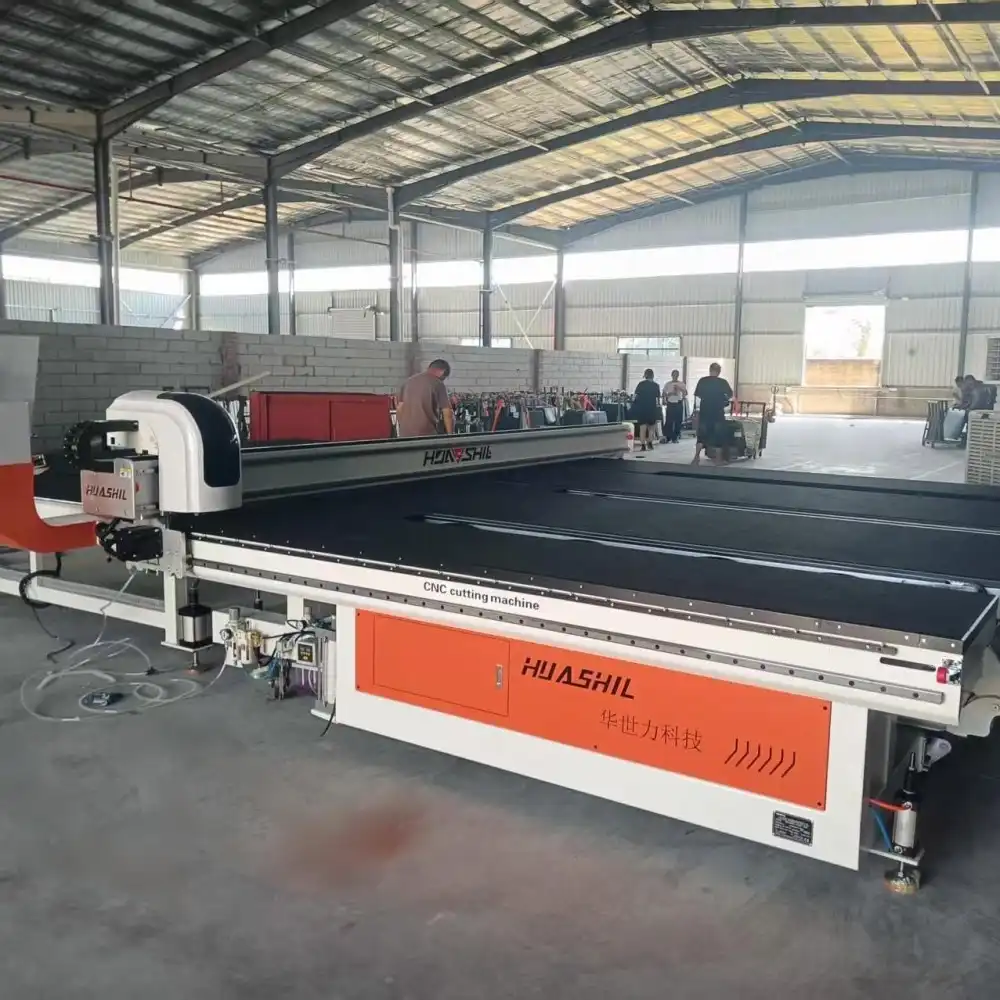
The HUASHIL HSL-YTJ2721 handles glass sizes up to 2700 × 2100 mm and cuts thicknesses from 2 mm to 19 mm — a range that covers most architectural and furniture glass applications. It runs Optima optimization software, which automatically calculates the most efficient cutting layout to reduce material waste. According to industry data, optimized nesting software alone can cut raw material waste by 8–15% compared to manual layout methods for a high quality mirror processing machine.
Automation Features That Affect Throughput
Here are the core automation features built into the HSL-YTJ2721:
- Automatic loading — eliminates manual glass placement, reducing handling time and the risk of surface scratches before cutting.
- Automatic pressure control — adjusts cutting pressure in real time based on glass thickness, protecting the surface and extending blade life.
- Automatic edge finding — the machine locates the glass edge independently, ensuring accurate cut placement without operator input.
- Air flotation system — glass floats on a cushion of air during conveying, preventing contact scratches that degrade mirror surface quality.
- 360-degree remote control walking — operators can reposition the cutting bridge from any angle on the floor, improving safety and workflow.
- Glass conveying by suction cups — provides stable, non-contact transport of mirror glass, reducing breakage rates.
These automation capabilities together address the three biggest production pain points plant managers report: inconsistent cut quality, excessive breakage, and high labor dependency. Plants that upgrade from semi-manual lines typically report measurable reductions in per-unit labor costs within the first quarter of operation.
Certifications and Compliance
The HSL-YTJ2721 carries both CE and ISO 9001 certifications. For U.S. buyers sourcing equipment for commercial facilities, CE certification signals conformance with European safety directives — a widely accepted benchmark in global manufacturing procurement. ISO 9001 certification confirms the manufacturer operates a verified quality management system, which directly affects parts consistency and machine-to-machine repeatability.
Maintenance, Support, and Warranty: Ensuring Long-Term Reliability
It doesn't matter how well-designed a machine is if it doesn't come with good after-sales service.
Preventive Maintenance Practices
If you regularly check the cutting wheels, the air float pressure, and the state of the suction cups, you can avoid most unexpected downtime. Maintenance information from HUASHIL is written in English, and it tells you how often to service each subassembly. Used parts like cutting wheels, suction cups, and conveyor belts should be kept on-site so that there is no wait time when they need to be changed.
Warranty Coverage and Spare Parts Access
The warranty terms from HUASHIL are normal, and the coverage times are clear for both electrical and mechanical parts. It is very important in factories where a single shift of idle workers costs a lot that spare parts are kept on hand and sent out quickly. Buyers should get a written list of spare parts and a promise of a lead time before they sign a purchase agreement.
Choosing a Certified Supplier
They can get direct technical help if they buy from a maker whose credentials can be checked instead of a reseller whose credentials can't be checked. HUASHIL is based in Shandong, China, and has been sending goods abroad for a long time. They make sure there are direct lines of communication open in case of problems after installation, remote troubleshooting, or training for operators of a high quality mirror processing machine.
Comparison and Decision-Making: How to Choose the Best Machine for Your Business
Not every plant needs the largest machine on the floor. Matching capacity to actual production volume is essential.
Compact vs. Industrial-Scale Equipment
Smaller fabrication shops processing primarily furniture glass or shower enclosures may operate efficiently with a mid-range automated cutter. Architectural glass plants and curtain wall integrators handling large-format panels, however, need a machine with the full 2700 × 2100 mm cutting table that the HSL-YTJ2721 provides. Running oversized glass on an undersized machine forces secondary cuts, doubling handling time.
Evaluating Total Cost of Ownership
Acquisition price is only one part of the equation. A machine priced $15,000–$30,000 higher than a competitor but offering automatic loading, optimized software, and lower scrap rates will typically recover the price difference within 12–18 months of production. Buyers should request energy consumption data, expected consumable replacement frequency, and estimated annual maintenance costs from any supplier before comparing quotes.
Using Case Studies in Your Evaluation
Ask potential suppliers for installation references from facilities with similar production profiles. HUASHIL can provide project case studies and video documentation of machines operating in comparable environments. Seeing real throughput figures from a functioning line is more reliable than brochure specifications alone.
Procurement and Installation: From Inquiry to Operation
Both the budget and the schedule are safer when you use a structured way to buy things.
Sourcing and Negotiating Terms
The HUASHIL website or a reputable business-to-business website is a good place to start your search. Need a quote? Tell us what kinds of glass you need, how much you make every day, and if you have any OEM or special needs. When you order something from another country, you usually pay with a Letter of Credit (L/C) or a deposit and the rest when the job is done. Before you send a buy order, make sure you have written proof of the terms, the time it will take to deliver, and the guidelines for packing.
Installation and Operator Training
Before giving you the machine, the trained technician makes sure it is level, set up to work with the air pressure in your building, and tested across the whole cutting range. When testing, HUASHIL is available online to help with installation and answer questions. The production team should teach the workers how to use the Optima software, do daily starting checks, and shut down the line in case of an emergency before taking over the line on their own.
Custom Orders and OEM Solutions
HUASHIL provides OEM and ODM designs for manufacturers who need unique glass shapes, the ability to connect to an existing conveyor line, or specific automation sequences. In order to avoid design changes that cause shipping delays, it is best to talk about special needs early on in the sales process.
Conclusion
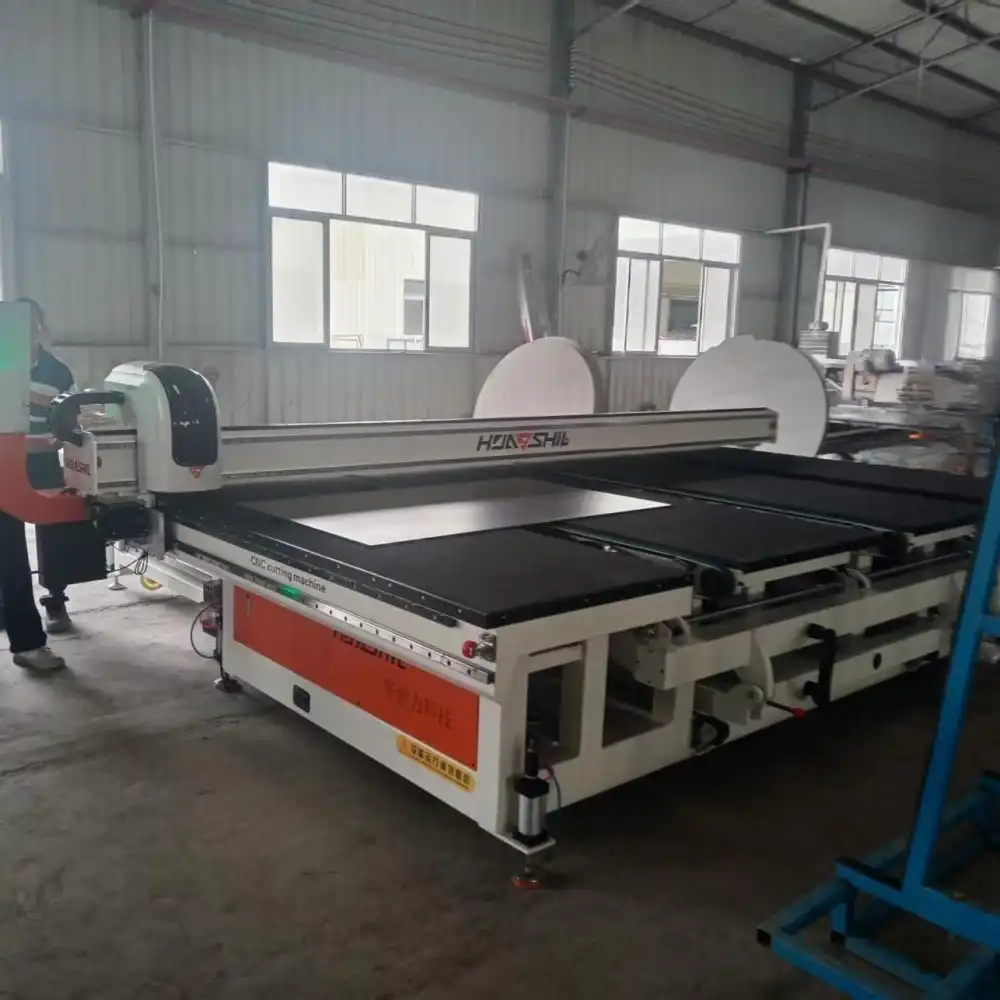
You need to look at more than just the specs to find the right tools for cutting glass and working with mirrors. How useful or annoying a high quality mirror processing machine is depends on its size, level of automation, software skills, certification, and the level of support it comes with. All of the things we've talked about in this guide are present in the HUASHIL HSL-YTJ2721: it's approved, it's automated, and it comes with direct maker support. Getting in touch with the HUASHIL team is the next logical step if your plant wants to buy new tools.
FAQ
1. What distinguishes a high-quality mirror processing machine from a standard glass cutter?
A premium machine integrates automatic pressure control, edge finding, and optimized nesting software rather than relying on manual operator input. These features produce more consistent surface finish results and reduce material waste per shift.
2. What glass thicknesses does the HSL-YTJ2721 handle?
The HSL-YTJ2721 cuts glass from 2 mm to 19 mm thick, covering standard float glass, laminated panels, and thicker architectural glass used in curtain wall and façade applications.
3. How does the air flotation system protect mirror glass?
The air flotation system lifts glass on a thin cushion of pressurized air during conveying, preventing the bottom surface from contacting hard rollers. This eliminates micro-scratches that would be visible in finished mirror products.
4. How long does installation typically take?
For a single automated cutting table like the HSL-YTJ2721, installation and calibration typically take two to five working days depending on facility readiness, air supply setup, and software configuration.
Contact HUASHIL for Your Next Mirror Processing Machine Purchase
A company called HUASHIL makes automatic glass-making equipment that is made to work in very precise environments. The HSL-YTJ2721 is a tried-and-true high quality mirror processing machine that is used by architectural glass plants, curtain wall installers, and furniture glass manufacturers all over the U.S. To get a specification sheet, project price, or plant case study, email our team at salescathy@sdhuashil.com. All of your questions are quickly answered by our tech team.
References
1. Glass International – Annual Review of Glass Processing Technology, 2023.
2. Glassman Europe – Automation Trends in Flat Glass Fabrication, 2022.
3. Manufacturing Engineering Magazine – Total Cost of Ownership in Industrial Glass Cutting Equipment, 2021.
4. International Journal of Advanced Manufacturing Technology – Precision Control Systems in Automated Glass Processing Lines, 2020.
5. Glass Worldwide – Industry 4.0 Applications in Architectural Glass Production, 2023.
6. ISO 9001:2015 Quality Management Systems – International Organization for Standardization, 2015.