




If you manage a reasonable price glass loading table fabrication plant or run a curtain wall production line, you already know how much time and money get lost in manual glass handling. A reasonably priced glass loading table is not just a cost line on your procurement sheet — it is a direct investment in production speed, worker safety, and output consistency. At HUASHIL, we have seen firsthand how the right loading table changes the rhythm of an entire shop floor. This article walks you through everything you need to know before making that decision.
Understanding Glass Loading Tables and Their Business Impact
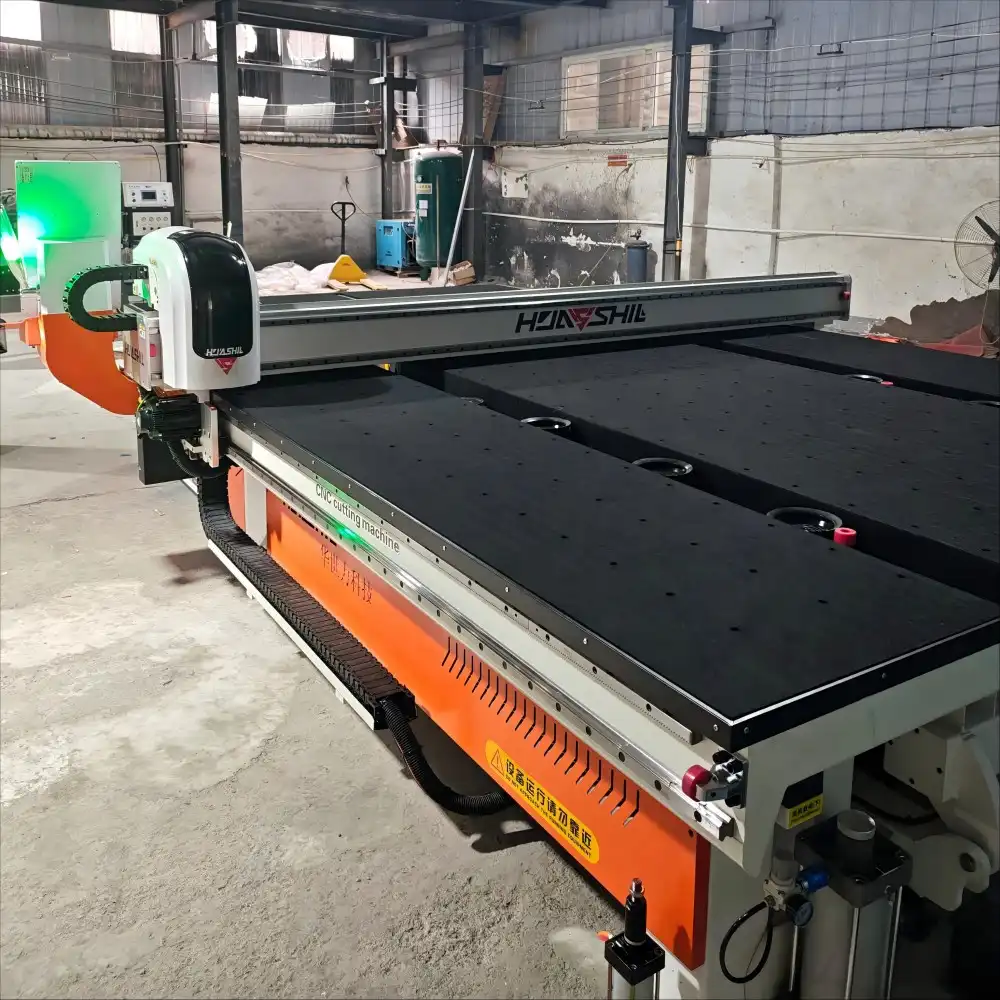
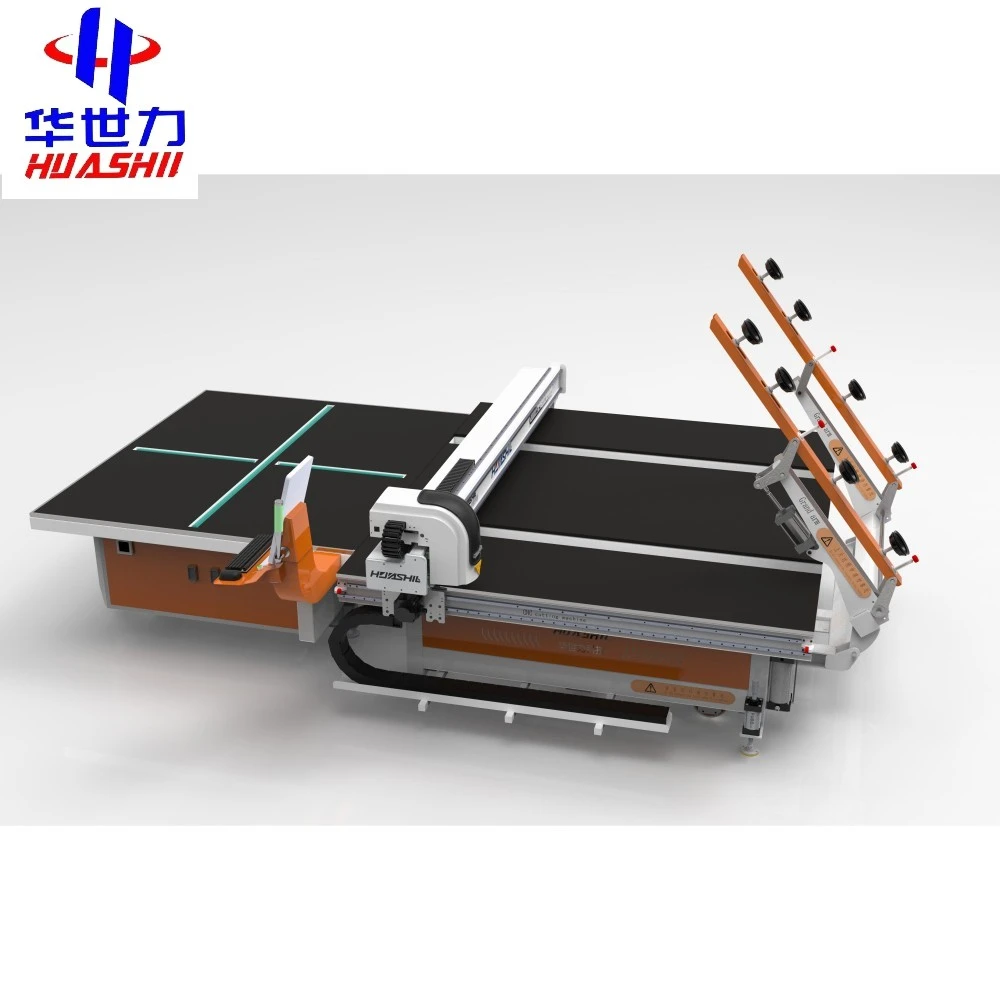
A glass loading table is a special piece of machinery that holds, moves, and positions large sheets of glass in a production line. It can be used with cutting and breaking tables to make a full system for treating flat glass. These three stations—loading, cutting, and breaking—work together to make a structured flow that keeps the glass safe from the first touch to the last break and cuts down on mistakes.
What Does a Glass Loading Table Actually Do?
The filling table takes in flat sheets of raw glass and moves them to the cutting station in a controlled, repeatable way. Large sheets can move without getting scratched because air flotation surfaces lower friction. In automatic setups, the table and cutting bridge work together in sync, so there are no delays between tasks.
Why Material and Build Quality Matter
Steel or aluminum composites are used to make the frames of glass loading tables. Steel frames make it possible for heavy glass panels to be rigid, while metal frames make the whole machine lighter. How well the table protects the glass from damage during movement depends on how the surface is treated. Usually, the surface is felt-lined or air-cushioned.
The Business Impact on Your Production Line
The world market for glass manufacturing machinery was worth more than USD 3.1 billion in 2022, according to a study by Grand View Research. It is also growing steadily. Within the first year of putting automation to work, plants that handle glass report a noticeable drop in the number of breaks and the cost of labor.
How to Choose the Right Glass Loading Table for Your Business
Price alone isn't enough to help you pick the right table. If it's the wrong size or shape, it can cause bottlenecks that wipe out any savings. Having a structured screening process in place helps procurement teams stay away from costly mistakes.
Define Your Production Requirements First
Start with the weight and size of the glass. For big architectural panels and curtain wall projects, the HUASHIL HSL-LSX5133 is a good choice because it can handle glass sheets up to 5100x3300 mm. If your plant often works with panels that are too big, this specification alone will narrow down your choices a lot.
Compare Manual, Electric, and Electric-Assisted Models
Manual, reasonably priced glass loading tables work best for low-volume operations with limited budgets. In high-throughput areas, electric-assisted tables make it much easier for operators to do their jobs without getting tired. Fully automated models, like the HSL-LSX5133's 2+2 station setup (which can be changed depending on output needs), connect directly to cutting and breaking stations so they can work all the time.
Evaluate Supplier Reliability and After-Sales Support
A machine is only as good as the people who work with it. Before you buy a reasonable price glass loading table from a seller at a reasonable price, make sure they offer extra parts, an average response time for technical problems, and either online tests or on-site help. Over the course of 5–10 years, these factors have a direct effect on your total cost of ownership.
Operational Insights: Using and Maintaining Your Glass Loading Table Effectively
Without proper care, even well-made tools break down. When operators follow the right steps and maintenance schedules, their machines last a lot longer and do a lot more work.
Safe Handling Procedures for Daily Operation
Before starting any transfer motion, operators should always check that the glass sheet is in the right place. For electric types, the emergency stop button should be checked every time the shift starts. The HSL-LSX5133 has five great arms on each side of the table. These hold the full width of the glass sheet and keep the table from tipping over while it is being moved.
Routine Maintenance Tasks That Prevent Downtime
To keep a glass loading table working well, do the following basic upkeep tasks:
- Weekly cleaning of air float nozzles: Blocked nozzles reduce lift pressure and increase surface friction, raising scratch risk on polished glass.
- Monthly lubrication of rail systems: The HSL-LSX5133 supports both above-ground and underground rail configurations. Either type requires regular lubrication to prevent rail wear and maintain transfer accuracy.
- Quarterly inspection of grand arm joints: With five grand arms per side, checking joint tightness prevents uneven glass support over time.
- Annual review of electrical connections: Loose connections in automated loading tables can cause intermittent errors that are difficult to diagnose without a systematic check.
These maintenance steps don't take long, but they keep machines from breaking down in ways that stop the whole production line for days.
Common Safety Risks and How to Prevent Them
Most safety problems happen when glass sheets slip while being moved or when workers are too close to moving parts. Put up perimeter guards around areas where automatic transfers happen, and teach all workers how to stop and restart machines before letting them work on their own.
Comparing Glass Loading Table Types: Making the Informed Decision
The set-up needs to be different for each plant. Which one to choose depends on how much you make, the size of the glass, and how the reasonable price glass loading table connects to the rest of your line.
Manual vs. Electric: A Direct Comparison
Manual loading tables work well for small shops that only need to handle a small amount of standard-size glass every day. They cost less up front and don't need any changes to the electricity system. Electric models, on the other hand, quickly make up for their higher cost in high-volume plants because they require less user time per run and less overall physical strain.
The Role of Optimization Software in Modern Loading Systems
The HSL-LSX5133 works with Optima optimization software, which figures out the best way to cut each sheet of glass. This cuts down on wasted raw materials and raises the return per sheet, which saves money right away and builds up over thousands of production runs.
Size, Station Configuration, and Workflow Compatibility
The HSL-LSX5133's 2+2 station setup lets the loading table, cutting table, and breaking table work one after the other without having to be moved by hand. This station count can be changed, which gives plant managers options when the demand for production changes. Most architectural and curtain wall panel sizes used in U.S. construction projects can fit glass with a maximum size of 5100 x 3300 mm.
Procurement and Logistics: Buying a Reasonable Price Glass Loading Table
Planning is needed to make sure that the right machine is brought on time and is set up properly. This is what procurement teams with a lot of experience do differently:
Verify Manufacturer Credentials and Production Capability
Shandong Huashil Automation Technology Co., Ltd. is a high-tech company that has been making and exporting glass processing equipment for many years. Procurement managers can easily compare manufacturers by looking at their export history, factory certifications, and current product models.
Understand Customization Options and Lead Times
OEM and ODM options are available for plants that don't have standard workspace setups or glass sizes that aren't in the normal range. Lead times for custom builds of a glass loading table for sale are usually longer, between 4 and 8 weeks. When planning a new line installation, keep this in mind.
Shipping, Installation, and Commissioning
Standard shipping terms are usually used to ship international goods. International buyers can get technical documentation, help with installation, and remote commissioning support from HUASHIL. Before you sign, make sure you know if on-site commissioning is available in your area and how long the standard warranty covers.
Conclusion
Buying a reasonably priced glass loading table is a good idea because it will save you money in the long run, as it will break less, work faster, and require less labor. The HUASHIL HSL-LSX5133 is a practical and high-performance choice for architectural glass loading table plants, curtain wall fabricators, and furniture glass producers. It has a three-table system for reasonably priced glass loading, cutting, and breaking, five grand arms on each side, and a glass capacity of 5100×3300 mm. Choosing the right reasonable price glass loading table equipment starts with having the right knowledge. We hope this help has given you that.
FAQ
1. How long does a glass loading table typically last?
A good glass loading table will last between 10 and 15 years with proper care. How it is used, how often it is maintained, and the quality of the original parts all have a big impact on how long it lasts.
2. What is the advantage of Optima software integration?
Before every production run, Optima figures out the best way to cut the material. This cuts down on the amount of leftover glass per sheet, which lowers the cost of raw materials over time. This is especially important for plants that use a lot of glass.
3. Can the 2+2 station configuration be changed?
Yes. Because the HSL-LSX5133 station count can be changed, plant managers can rearrange the line to fit changes in production volume or the layout of the facility.
4. Does the HSL-LSX5133 support underground rail installation?
Yes. The machine can handle both above-ground and underground rail choices, which lets construction teams adapt the rail system to the floor conditions that are already there.
5. What safety features does the loading table include?
The equipment has an emergency stop button, five grand arms on each side for stable support, and automatic transfer controls that keep people from having to touch moving glass sheets too much.
Get a Quote from HUASHIL — Your Trusted Reasonable Price Glass Loading Table Supplier
HUASHIL sells reasonable price glass loading table processing equipment that has been shown to be stable in production, can be customized easily, and comes with reliable after-sales support after the sale. The HSL-LSX5133 can be ordered from anywhere in the world, and it comes with all the necessary technical documents at a reasonable price. Get in touch with our team to talk about your production needs and get a custom proposal. For full product specs and case studies, email us at salescathy@sdhuashil.com.
References
1. Grand View Research. Glass Processing Equipment Market Size, Share & Trends Analysis Report. 2022.
2. Freedonia Group. World Flat Glass — Industry Study with Forecasts. 2023.
3. Occupational Safety and Health Administration (OSHA). Machinery and Machine Guarding Standards (29 CFR 1910.212). 2021.
4. Glass Magazine. Automation Trends in Architectural Glass Fabrication. 2023.
5. International Glass Review. Advances in CNC Glass Cutting and Loading Systems. 2022.
6. Manufacturing Engineering Society (SME). Lean Manufacturing Principles in Glass Processing Operations. 2021.