




Chipping is one of the most persistent quality problems in glass edge processing. It shows up as small cracks, fractures, or flake-offs along the edge of a glass panel — and once it happens, rework or rejection is almost unavoidable. If you operate or procure a double edging machine for architectural glass, shower enclosures, furniture glass, or curtain wall panels, understanding why chipping occurs puts you in a far stronger position to prevent it. This article breaks down the five root causes and gives you clear, actionable fixes for each one.
Understanding Chipping in the Glass Edging Process
What Actually Happens at the Edge
A glass double-edging machine works on both edges of a glass sheet at the same time. It does this by using grinding wheels to get rid of the rough edge material and produce a finished profile. If the machine is set up correctly, it should have eight grinding wheels on each side, two upper chamfers, two lower chamfers, and four flat-grinding wheels. Each stage should remove less material and improve the surface finish. Most of the time, chipping happens when the wheel first contacts an unfinished edge at full depth or when the pressure changes between wheel angles during the chamfering stage.
The effects aren't just pretty to look at. Edge microfractures weaken tempered glass by creating stress concentration points that make it more likely to break when it is being handled, installed, or heated and cooled. Even a 3–5% chipping rejection rate means measurable material waste and labor costs for plant managers who have to deal with a lot of output.
Factor 1 – Incorrect Machine Calibration
Why Misalignment Costs More Than You Think
Most chipping in automated glass edging lines is caused by mistakes in the calibration. The wheel doesn't touch the glass equally when the height, binding pressure, or lateral alignment aren't within the acceptable range. This uneven engagement causes stress spikes in certain areas that break the edge instead of grinding it smooth.
Modern servo-controlled machines can precisely adjust the conveying speed and clamping width, which can be anywhere from 0.35 meters to 2.5 meters, so they can position different sizes of glass in the same way every time. Before each production run, operators should check the contact level between the wheel and the glass, make sure that the conveyor belts are aligned, and make sure that the pressure settings are correct for the glass thickness. With the PLC tablet interface, these factors can be changed quickly without having to use any mechanical tools. This cuts down on setup time and calibration drift.
Factor 2 – Low-Quality or Worn-Out Grinding Wheels
The Hidden Cost of Delayed Wheel Replacement
The state of the grinding wheel directly affects the quality of the edge finish on a double edging machine. When a diamond wheel gets old, the abrasive particles lose their cutting shape and become dull or pull out of the bond matrix. This means that the wheel doesn't remove glass neatly; instead, it drags and breaks the edge surface. This is especially bad during the chamfering steps, where precise angle contact is very important.
In real life, this is what a proactive wheel control strategy looks like:
- A visual and tactile check of the wheels at the start of each shift to find any glazing, uneven wear, or surface cracks.
- Visual and tactile inspection at the start of each shift to identify glazing, uneven wear, or surface cracks on the wheel face.
- Scheduled replacement intervals based on cumulative processing area, not calendar time, since wheel wear correlates with actual glass volume rather than days in service.
- Matching wheel specification to glass type — softer bond wheels suit harder glass compositions, while harder bond wheels perform better on softer substrates.
These steps make wheel repairs last longer, cut down on unplanned downtime, and keep edge rejection rates constantly low. Skipping wheel replacement to save money on consumables is a waste of money because a single production run with a worn-out wheel can lead to hundreds of panels being rejected.
Factor 3 – Improper Feed Rate and Material Handling
Speed Is Not Always Efficiency
The speed at which the glass moves through the machine, or feed rate, needs to match the grinding wheel's ability to cut that thickness and type of glass. If you run the machine too fast, each piece of glass doesn't have as much time to stay in contact with the wheel. This means that the edge isn't fully ground and is more likely to break. When you run it too slowly, heat builds up, which makes it more likely that the surface will get burned or crack under stress.
Precision glass edging equipment uses servo motor-controlled conveying, which lets the speed be fine-tuned and the feed be consistent across the whole glass sheet. This gets rid of the speed changes that can happen with manual or belt-tension-dependent conveyors. Alignment of the materials is just as important as speed. When glass sheets go into the machine at an angle, they make uneven grinding contact, which means that one edge zone is under more stress than the other. This variable can't happen if you use the right entry guides, support rollers, and check the infeed alignment before every batch.
Factor 4 – Maintenance Neglect
What Breaks When Nothing Looks Broken
Chipping issues that show up slowly over a few weeks are usually caused by not doing enough maintenance over time instead of one big event. When coolant lines get clogged, less water flows to the grinding zone, which lets heat build up. When conveyor belts stretch or wear unevenly, they make the feed line vibrate. Glass dust builds up on guide rails and moves glasses around by fractions of a millimeter over time. This is enough to change the regularity of the edges when large quantities are being made on a glass double edging processer customized factory line.
The following things should always be on an organized preventive repair schedule:
- Coolant system: Flush and replace coolant fluid according to the manufacturer's interval. Check nozzle direction and flow rate at each grinding wheel station.
- Belt and roller inspection: Measure belt tension and check rollers for flat spots or bearing play that introduce vibration.
- Guide rail cleaning: Remove glass particle buildup from lateral guides and check for wear grooves that shift glass position.
- Servo drive diagnostics: Review servo motor performance logs via the machine's control interface to catch early signs of positioning drift.
Checking the servo drive: Use the machine's control panel to look at the servo motor performance logs and look for early signs of location drift.
Factor 5 – Operator Skill and Process Discipline
The Human Variable in an Automated Line
The choices made by the operator affect the quality of the work even on a fully automatic glass edging line. A lot of the time, operators cause chipping by rushing to set up in order to meet production goals, missing pre-run checks, or disabling machine alerts without looking into them. In places with a lot of work to be done, operators will sometimes raise the feed speed by hand to make up for lost time, but they don't always notice that the grinding wheels haven't been dressed or replaced recently.
Structured training programs make these risks a lot lower. Figure out how feed rate, wheel state, water flow, and edge quality are connected to make better decisions in real time. Clear standard operating procedures that are written at the machine instead of being kept in a binder give workers quick points of reference while setting up and checking the machine in the middle of a run. Safety rules also have an indirect effect on quality. For example, handling glass sheets correctly before and after processing stops damage to the edges that is mistakenly thought to be caused by machine performance.
Conclusion
When you look at the right factors, chipping on a glass edge line is not hard to figure out. Accurate calibration, good wheel condition, steady feed rate, good maintenance habits, and a skilled user all play a part in edge quality in measurable ways. Rather than responding to refused panels after the fact, high-output, low-waste operations using a double edging machine deal with all five factors in a planned way. This is what sets them apart from those that have ongoing quality problems. The most reliable way to get consistent edge quality at scale is to buy well-designed tools and build good work habits around them.
Frequently Asked Questions
1. Does automation reduce chipping risk on glass edging lines?
Yes, meaningfully. Servo-controlled feed and clamping systems eliminate the speed inconsistencies that manual or older mechanical conveyors introduce. Consistent feed rate across the entire glass sheet keeps grinding contact uniform, which is one of the primary conditions for chip-free edges.
2. How often should grinding wheels be replaced?
Replacement frequency depends on cumulative glass volume processed, glass type, and wheel specification. Rather than using a fixed calendar interval, track processing area per wheel and set replacement thresholds based on observed edge quality trends. Early replacement is almost always less costly than a batch of rejected glass.
3. What should I look for when selecting a double edging machine to minimize chipping?
Prioritize machines with servo motor-controlled conveying and clamping, PLC-based parameter management, and a multi-wheel grinding configuration that separates rough grinding from chamfering and finish grinding. Adjustable opening range — to handle different glass widths — and customization support for specific production requirements are also important selection criteria.
4. Can chipping be caused by the glass itself?
Yes. Glass with internal inclusions, surface contamination, or inconsistent thickness distribution can chip more readily regardless of machine condition. Pre-process inspection of incoming glass stock is a worthwhile quality control step.
Get Precise Edge Quality with HUASHIL Double Edging Machines
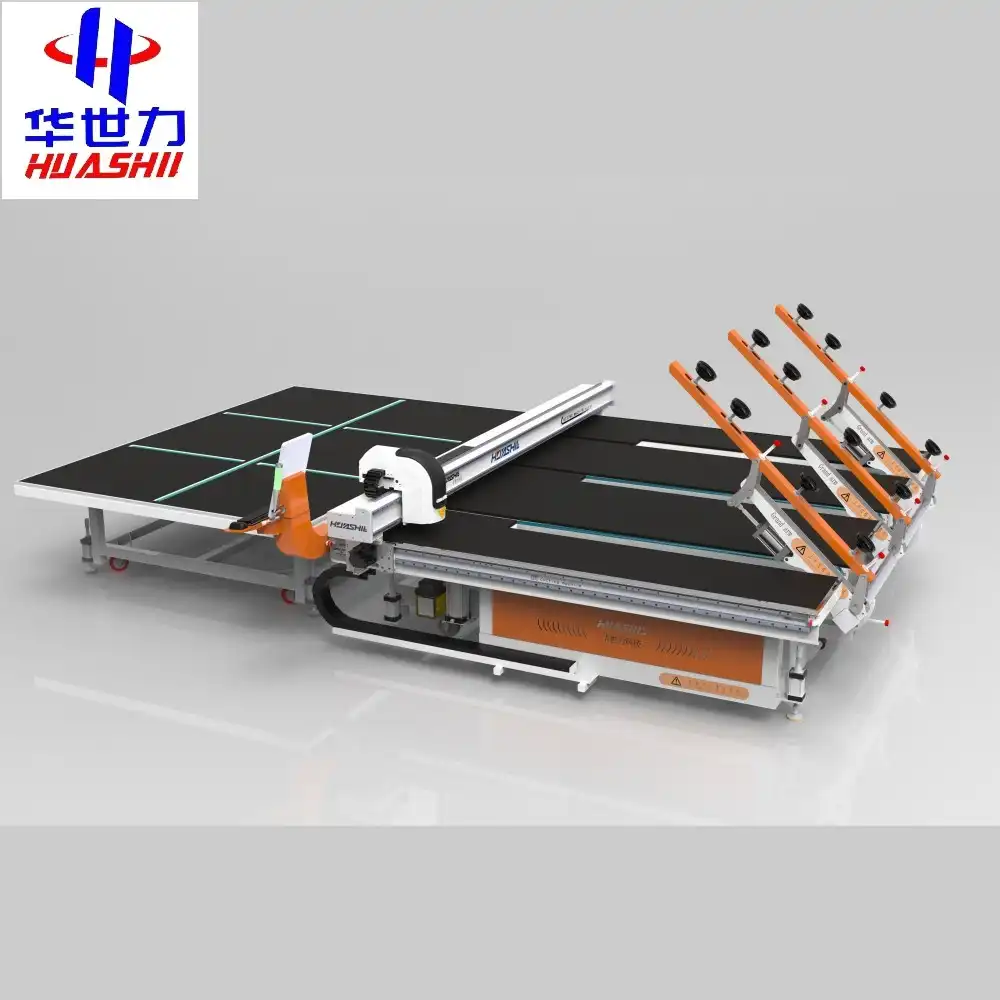
HUASHIL engineers make glass working equipment that is reliable in the workplace. Our double edging machine has eight grinding wheels on each side, servo motors that control the clamps and movement, an opening range that can be adjusted from 0.35 meters to 2.5 meters, and full customization support for your production line. We offer detailed documents, after-sales help, and spare parts to keep your business going, whether you need a single machine or a full glass processing line. To get a quote from a reliable double-edging machine maker, email our team at salescathy@sdhuashil.com.
References
1. Glass Processing Technology: Principles and Practice — Society of Glass Technology, 2019
2. Diamond Grinding Wheel Performance in Brittle Material Edge Finishing — Journal of Manufacturing Science and Engineering, 2021
3. Automated Glass Fabrication: Equipment Selection and Process Optimization — Glass International, 2020
4. Edge Strength of Thermally Processed Glass Panels: Effect of Edge Condition — Glass Structures & Engineering, 2022
5. Preventive Maintenance Strategies for CNC Fabrication Equipment — Manufacturing Engineering Magazine, 2020
6. Feed Rate and Wheel Wear Interactions in Precision Glass Grinding — International Journal of Advanced Manufacturing Technology, 2023