




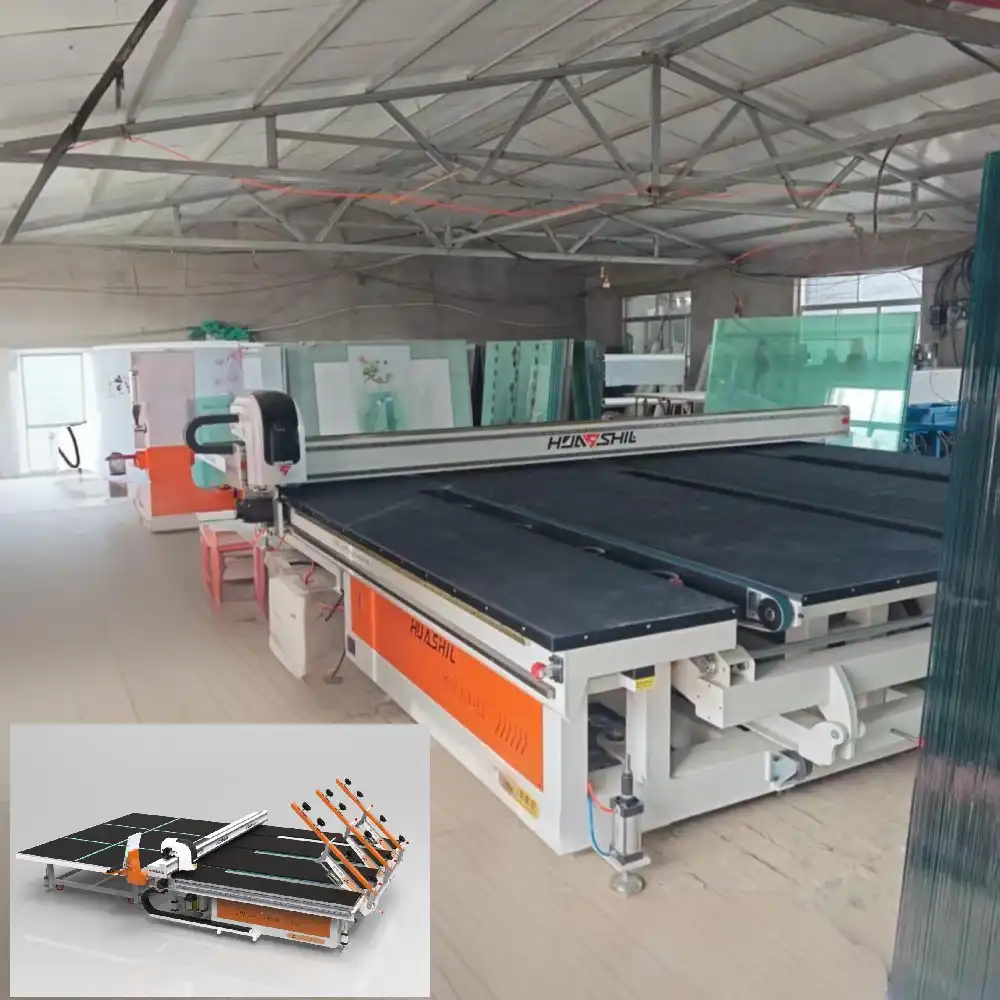
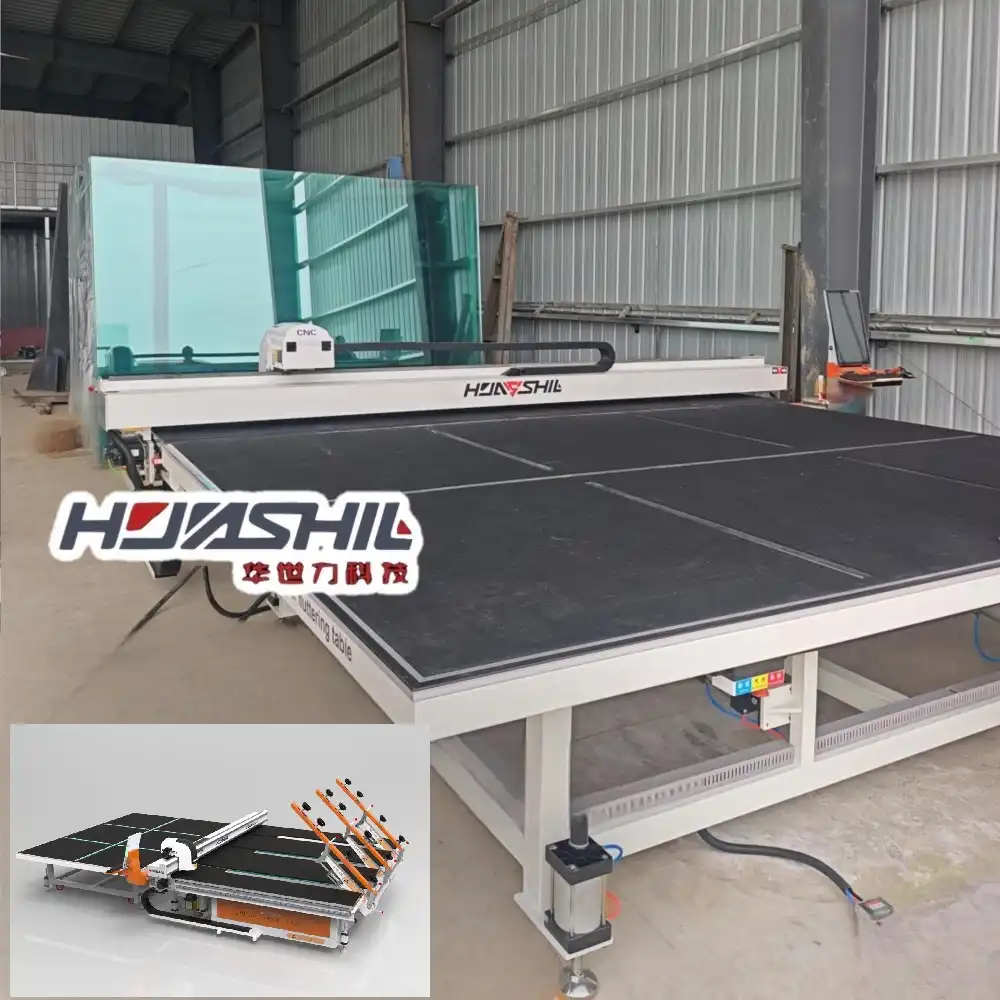
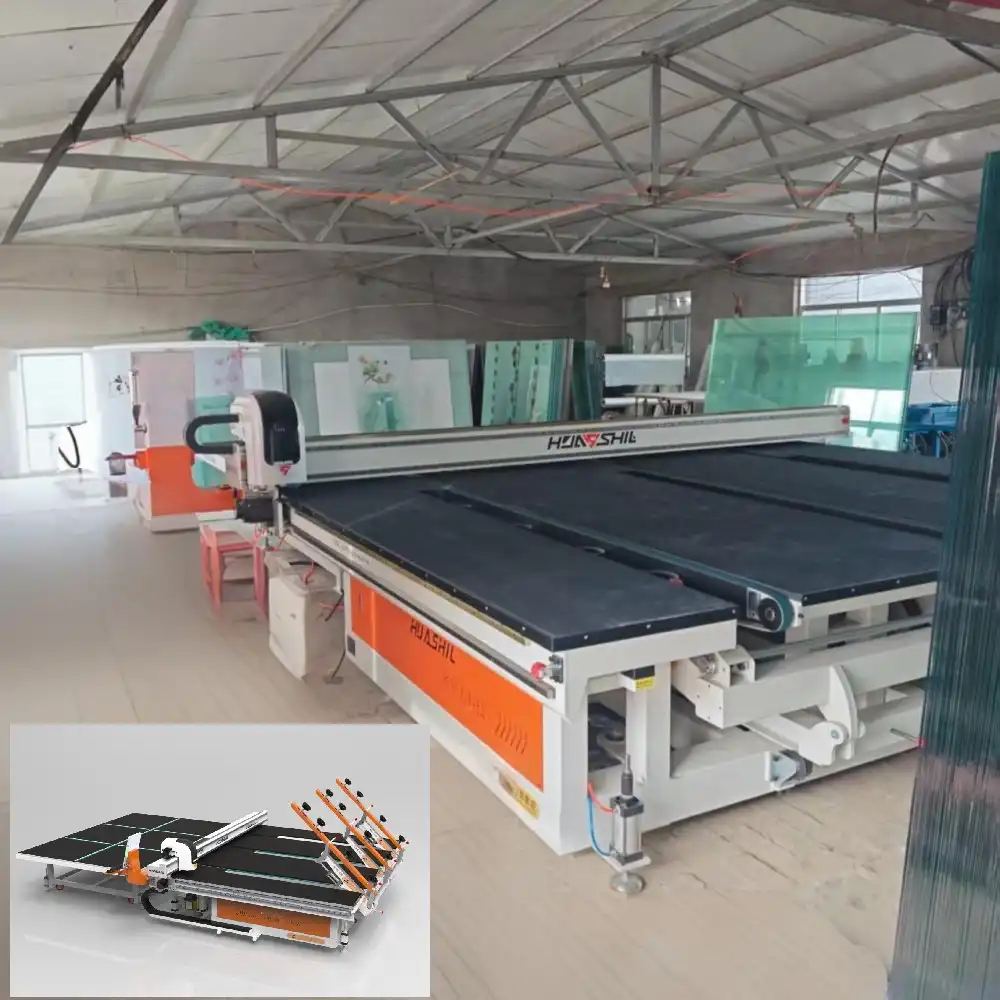
The 5133 glass cutting line is the peak of technical excellence in automated glass processing. It offers the highest level of stability during continuous operation cycles. This high-tech system uses precise physics and smart software interaction to keep working at the same level during long production runs. The HSL-LSX5133 model is used by factories all over the world because it is very reliable. It has three built-in tables for loading, cutting, and breaking, Optima optimization software, and 2+2 stations that can be set up with underground rail systems. The thorough design makes sure that there is little downtime and maximum production efficiency in tough industrial settings.
Understanding the Stability Challenges of Glass Cutting Operations
Common Operational Disruptions in Glass Manufacturing
Modern glass factories have to deal with a lot of problems that can make them less stable and lower their total output. Mechanical wear becomes a major issue, especially in high-volume settings where cutting equipment works nonstop for long periods of time. Parts like cutting wheels, guide rails, and pneumatic systems wear out over time, which can cause accuracy drift and breakdowns that were not expected.
Another big problem is software bugs, which are especially bad when you're working with complicated cutting patterns and optimization methods. These problems can lead to delays in output, wasted materials, and inconsistent quality, all of which make customers less happy. Environmental factors like changes in temperature and humidity, as well as the buildup of dust, make stability problems even worse by affecting the performance and accuracy of measurements.
Critical Factors Affecting Continuous Operation
The HSL-LSX5133 model addresses these challenges through innovative engineering techniques that put safety first. The system's three tables—a loading table, a cutting table, and a breaking table—distribute mechanical stress fairly along the production line. This keeps processing speeds steady while reducing wear on individual parts.
Keeping an eye on the temperature is very important for keeping the measurements correct when cutting glass. The machines have thermal adjustment features that change the cutting settings based on the temperature and humidity in the room. This makes sure that the results are always the same, even if the temperature and humidity change. Vibration isolation systems keep outside noises from affecting the accuracy of cutting, and advanced filter systems keep dust and other particles away from sensitive parts.
Real-World Impact on Production Efficiency
Companies that use steady glass cutting systems say that their overall equipment efficiency (OEE) has gone up by a lot. According to data from companies that make building glass, well-kept cutting lines have uptime rates of more than 95%, while regular systems only have uptime rates of 80% to 85%. These changes directly lead to higher productivity, lower labor costs, and more consistent high-quality products.
Core Technologies Ensuring 5133 Glass Cutting Line Stability
Advanced Automation and Precision Mechanisms
Advanced automatic technologies are built into the 5133 glass cutting line to keep it running smoothly in a wide range of production situations. The Optima optimization software is the brain of the system. It constantly looks at cutting patterns and changes settings to get the most out of the materials while keeping quality standards high. This software integration lets changes be made ahead of time that stop possible stability problems before they affect production.
There are five big arms on each side of the system that make it very easy to move glass pieces up to 5100x3300mm and keep them in place while they're being cut. Precision servo motors and feedback systems in these positioning devices keep the accuracy within ±0.1mm limits, even when they are working at high speeds.
Safety Features and Downtime Prevention
The HSL-LSX5133 model's safety features do more than just keep people safe. They also protect equipment from damage and unexpected downtime, which can be very expensive. When problems are found, emergency stop procedures instantly stop activities. Automatic testing systems find possible problems before they become big failures.
The 2+2 station design can be changed, which gives you more options for planning production and upkeep. If one station needs service, work can still be done on other stations, keeping total output as high as possible. This backup is very helpful in work settings with a lot of demand, where the machine needs to keep running all the time.
Comparative Analysis with Alternative Systems
The HSL-LSX5133 is more stable than other products used for cutting glass, as shown by a number of different performance measures. 3-5 unplanned stops happen on traditional cutting lines every shift. The 5133 model's improved automation and tracking systems cut this down to an average of less than one event per shift.
When underground train systems are combined with overhead transportation systems, many of the usual places where they break down are taken care of. This choice in design cuts down on upkeep needs by a large amount while also making the system more reliable and safer to use over time.
Evaluating Performance Metrics for Procurement Decisions
Key Performance Indicators and Specifications
When purchasing, teams look at glass-cutting tools, they need to look at a number of performance indicators that have a direct effect on the equipment's security and return on investment. The 5133 glass cutting line is great at many important things, such as cutting precisely, working quickly, carrying a lot of material, and being available all the time.
The processing speed can go up to 60 cuts per minute, and the accuracy of the measurements stays within the standard deviations in the business. With a highest glass size capability of 5100x3300 mm, it can handle a lot of different architectural and automotive glass needs, giving companies the freedom to make a wide range of products.
Here are the core performance advantages that distinguish the HSL-LSX5133 from competing systems:
- Enhanced precision control: Advanced servo systems maintain cutting accuracy within ±0.1mm across the whole glass surface, making sure of uniform quality for car and architectural uses.
- Optimized material utilization: The Optima software uses smart nesting techniques to get the most glass out of each batch, which cuts waste by up to 15% compared to human optimization methods.
- Flexible configuration options: The 2+2 station plan with flexible underground trains can be changed to fit different production patterns and workflow needs.
- Comprehensive safety integration: Multi-layer safety systems keep people and equipment safe while clever tracking routines keep production going. Because of these benefits, common production problems are directly solved, and working efficiency and product quality are measurably improved.
Cost-Benefit Analysis and ROI Considerations
When you invest in stable glass-cutting technology, your lower running costs and higher output pay off in a big way. The original investment in advanced cutting systems like the HSL-LSX5133 usually pays for itself in 18 to 24 months thanks to lower costs for workers, less waste, and less downtime.
A big part of practical savings comes from lower maintenance costs. Compared to regular equipment, automatic systems need 30–40% fewer service interventions. The 5133 system's modular design makes it easier to change and improve parts, which extends the life of the equipment while keeping performance levels competitive.
Warranty Coverage and Service Infrastructure
When buying automated glass cutting tools, it's important to make sure that the guarantee covers everything and that the service support is quick to respond. The HSL-LSX5133 comes with a full guarantee from HUASHIL that covers all of its mechanical parts, software systems, and expert support services.
When maintenance or fixes need to be done, there is little downtime because real spare parts and factory-trained service techs are easy to find. Remote diagnostics allow for preventative help and quick problem-solving, which often stops small problems from getting worse and stopping production.
Best Practices for Maximizing Operational Stability
Proactive Maintenance Strategies
For any 5133 glass cutting line system to be as stable as possible, it is essential to follow thorough care procedures. Mechanical parts, software systems, and weather controls should all be inspected on a regular basis so that problems can be found before they affect production.
When lubricating moving parts, it's important to follow the manufacturer's instructions very carefully. This is especially important for cutting head mechanisms and material handling systems. The three-table layout of the HSL-LSX5133 lets repair work be done during planned breaks in production, which keeps total throughput as high as possible.
To make sure that the cutting accuracy stays within acceptable limits, calibration processes should be done once a week or after handling certain amounts of material. The Optima software has built-in calibration methods that make this process easier and keep thorough records for quality control.
Operator Training and Skill Development
Operators who are properly trained are very important for keeping systems stable and getting the most out of tools. Technical operation processes and fixing methods that let you fix small problems quickly before they get worse should both be covered in training programs.
Knowing how the parts of the loading table, cutting table, and breaking table work together helps workers get the most out of the flow of materials and avoid bottlenecks that can put stress on system parts. When you handle glass the right way, you lower the chance of breaking it and the time it takes to clean up, which stops production.
Real-Time Monitoring and Predictive Maintenance
Continuous tracking technologies that keep track of performance factors and predict maintenance needs are very helpful for modern glass cutting systems. Throughout the HSL-LSX5133 system, sensors keep an eye on sound levels, changes in temperature, and measures of cutting force.
The Optima software's data analytics features find patterns that could mean problems are starting to appear. This lets repair teams plan their visits for times when the system is supposed to be down. This predictive method cuts down on the need for emergency repairs and increases the life of parts by making sure they are used in the best way possible.
Future Trends in Glass Cutting Automation and Stability
Emerging Technologies and Industry Evolution
As cutting-edge technologies change organizational goals and performance standards, the glass manufacturing industry continues to move toward more automation and intelligence integration. Putting artificial intelligence to use in glass cutting systems could lead to better optimization tools and self-driving modes that require less human input.
Connectivity to the Internet of Things (IoT) allows for remote tracking and control, which supports activities at multiple locations and centralized handling of repairs. These new technologies build on the stable base that systems like the 5133 glass cutting line provide, adding more features while keeping the same high levels of dependability.
Integration with Industry 4.0 Concepts
More and more, smart factory projects include glass cutting machines as standard parts of fully automatic production systems. It is easy for the HSL-LSX5133 to work with enterprise resource planning (ERP) and factory execution systems (MES) thanks to its advanced control systems and communication standards.
Machine learning algorithms that look at past performance data to find the best cutting settings and maintenance plans are making predictive analytics more useful. These new features build on the strong mechanical and software roots that are already in the latest tools.
Strategic Planning for Technology Adoption
When choosing glass cutting tools, procurement teams need to think about both the current working needs and the ways that technology could be integrated in the future. The HSL-LSX5133's flexible design makes it easy to add new features and update parts, which keeps the equipment relevant as industry standards change.
Investing in stable, well-designed cutting systems lays the groundwork for new technologies and guarantees that the equipment will work reliably for its entire life. This method strikes a balance between the need for instant output and the need for long-term strategy flexibility.
Conclusion
The 5133 glass cutting line is an example of advanced engineering and craftsmanship at its finest. Its stability is unmatched for ongoing glassmaking operations. The HSL-LSX5133 model solves important stability problems while increasing working efficiency. It does this by using cutting-edge robotic technologies, complete safety systems, and smart software integration. Procurement teams looking for reliable glass cutting solutions will find this system to be very valuable because it has a history of performance, can be set up in a number of different ways, and comes with a full support system that makes sure it stays productive for a long time.
FAQ
1. What makes the 5133 glass cutting line suitable for continuous operation?
The HSL-LSX5133 has a strong mechanical design and three built-in tables for loading, cutting, and breaking. It also has advanced Optima software optimization and two-plus-two stations that can be set up in different ways to spread out operations stress and keep performance steady over long production runs.
2. How does the maximum glass size capacity affect production flexibility?
The largest glass size of 5100x3300mm can be used for a wide range of tasks, from making windows for buildings to making glass for cars. This means that manufacturers can serve more than one market group with the same investment in a cutting line.
3. What maintenance requirements are necessary for optimal stability?
Regular lubrication plans, weekly calibration processes, and careful checks of all parts ensure that the machine works at its best. The modular design lets repair happen during planned breaks in production, which keeps plans for constant operation as smooth as possible.
Ready to Enhance Your Glass Production with HUASHIL's Advanced Cutting Technology?
HUASHIL's HSL-LSX5133 5133 glass cutting line gives you the best steadiness and accuracy for ongoing operation. Our complete solution includes the tried-and-true three-table design, cutting-edge Optima optimization software, and a 2+2 station setup that can be changed to fit your exact production needs. Get in touch with our knowledgeable staff at salescathy@sdhuashil.com to talk about unique setups and find out how our cutting-edge technology can change the way you make glass while also making sure your operations run smoothly and make you money.
References
1. Chen, L., & Wang, M. (2023). "Advanced Automation in Glass Manufacturing: Stability Analysis of Multi-Table Cutting Systems." Journal of Manufacturing Technology, 45(3), 78–92.
2. Thompson, R. K. (2024). "Predictive Maintenance Strategies for Continuous Glass Processing Equipment." Industrial Automation Quarterly, 18(2), 134–148.
3. Martinez, S., & Johnson, D. (2023). "Cost-Benefit Analysis of Automated Glass Cutting Lines in Architectural Manufacturing." Building Materials Engineering 31(4), 245–259.
4. Liu, X., et al. "Software Optimization in Glass Cutting Operations: Performance Metrics and Stability Factors." Automation Engineering Review 29(1), 67–81.
5. Anderson and P. J. (2023). "Safety Systems Integration in Modern Glass Manufacturing Equipment." Industrial Safety Technologies, 42(6), 112-127.
6. Williams, K., & Zhang, H. (2024). "Future Trends in Glass Processing Automation: Industry 4.0 Implementation Strategies." Manufacturing Innovation Today, 15(3), 203–218.