




The solar energy sector continues its rapid expansion, driving demand for specialized glass processing technology that meets the unique requirements of photovoltaic manufacturing. Traditional glass processing methods often fall short when addressing the precision, efficiency, and surface quality standards essential for solar panels. Modern automated glass cutting and edging systems now deliver the accuracy and throughput necessary to support large-scale photovoltaic production while reducing material waste and labor costs. This evolution in processing equipment directly impacts solar panel efficiency, durability, and ultimately, the return on investment for manufacturers entering or expanding within this growing market.
Understanding Glass Processing Technology in Solar Panel Manufacturing
Defining Advanced Glass Processing for Photovoltaic Applications
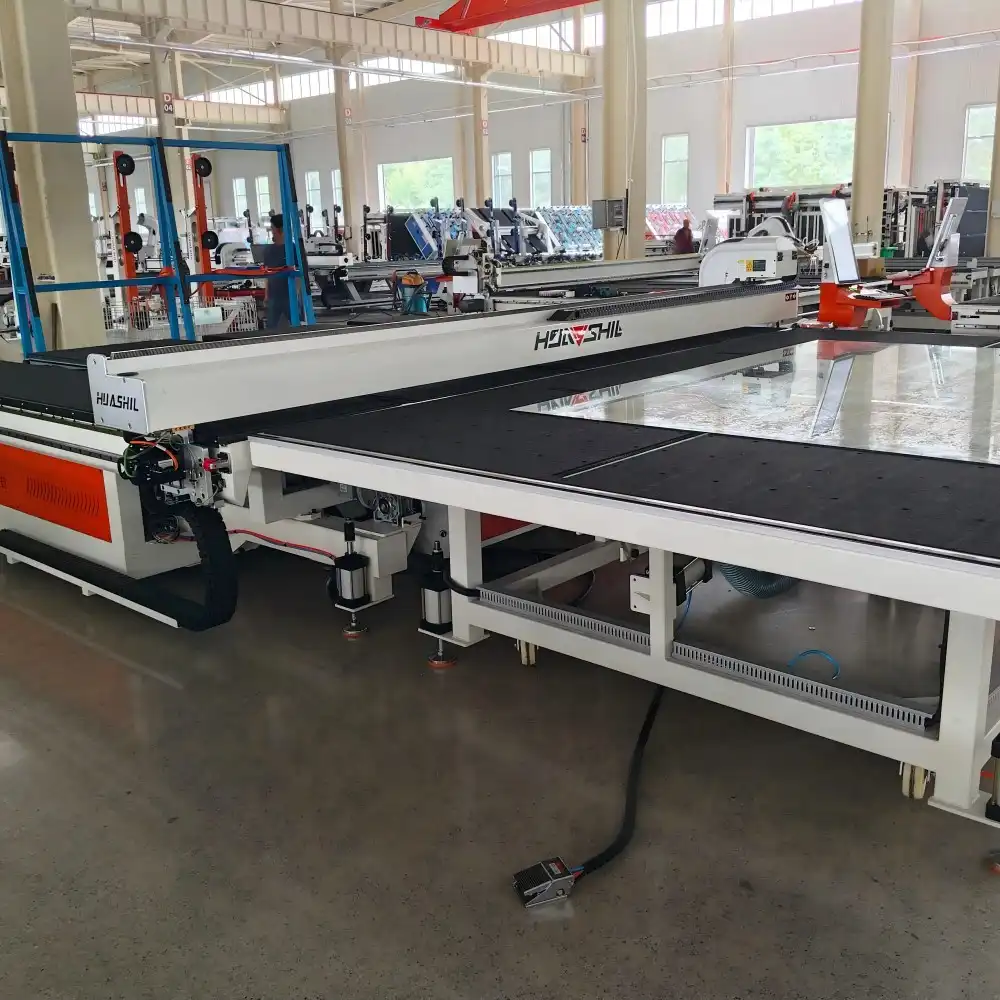
Glass processing technology specifically made for making solar panels includes specialty machines that can prepare glass surfaces very precisely and consistently. Photovoltaic glass needs very flat surfaces, exact measurements, and the best light transmission properties compared to regular architectural or decorative glass. Automated cutting tables, precise edging equipment, and covering preparation systems are some of the machines that are used. They work together to turn raw glass sheets into solar-ready parts.
Core Machinery and System Components
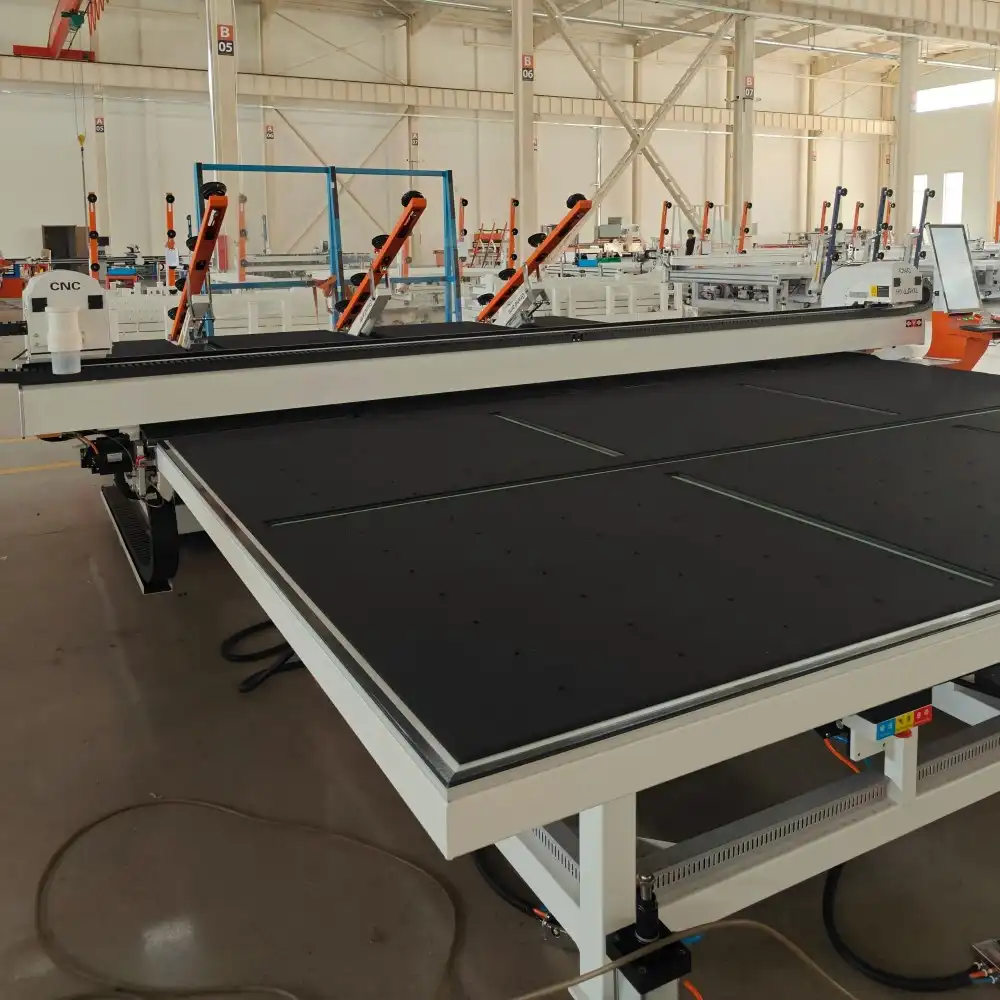
Several important types of equipment are used together on modern lines for processing photovoltaic glass. The base is made up of automated glass cutting systems that use diamond tools or waterjet technology to cut big panels cleanly and accurately. After cutting, edging machinery smooths and finishes the edges of the glass to avoid micro-fractures that could shorten the life of the panel. When moving glass between these steps, air flotation conveyance devices move it without touching the surface. This keeps the surface clean, which is important for the next coating application.
Process Parameters and Quality Impact
Controlling the temperature during processing has a direct effect on the optical clarity and stress patterns in glass. During cutting operations, the settings for pressure determine the quality of the edge and the formation of chips. Timing parameters affect throughput rates without affecting accuracy. Measurements of surface quality, such as roughness and visual distortion levels, are closely linked to how well solar panels convert sunlight into energy. Manufacturing plants that keep tight control over parameters consistently get higher yields and lower defect rates. This means that the cost of production is lower and customers are happier.
Comparing Modern and Traditional Glass Processing Methods
Precision and Speed Advantages
Typical tolerances for traditional glass processing methods like manual scribing, water jet cutting, and basic CNC systems are around ±0.5mm. This is fine for architectural uses but not good enough for photovoltaic needs. Modern automated systems, such as the HSL-YTJ3829 model, can work with glass that is between 2mm and 19mm thick and have a precision level of ±0.1mm. Differences in speed are also important. About 20 to 30 panels are processed by hand each shift, but 100 or more panels are processed by automated systems during the same time period, which greatly reduces the cost of labor per unit.
Material Impact and Waste Reduction
Laser cutting and sandblasting create stress patterns on the surface that can turn into cracks over time. This is especially a problem for solar setups outside that experience changes in temperature. With today's automatic cutting systems that improve blade pressure and coolant systems, the edges are smoother, and there is less damage below the surface. With clever nesting software like Optima, which figures out the best cutting patterns before processing starts, material waste drops from 8–12% with standard methods to 3–5%. This decrease in waste has a direct effect on the cost of raw materials and the damage done to the environment.
Long-Term Cost Analysis
Automatic glass processing technology equipment costs between $150,000 and $500,000 to buy for the first time, based on how the line is set up and how much glass it can process. Traditional semi-automated setups cost $50,000 to $120,000, but they need three to five workers instead of one or two for fully automated systems. When you add up the total cost of ownership over five years, which includes repairs, labor, and waste materials, automatic systems usually pay for themselves in 18 to 24 months for medium- to high-volume businesses. Modern systems are also easier to maintain, and predictive diagnosis cuts unintended downtime by about 40% compared to older equipment.
Implementing Glass Processing Technology: Process Steps and Applications
Glass Preparation and Loading Sequence
The first step in the processing process is to inspect and position the raw glass sheet. Automatic loading systems with vacuum lifts move sheets from racks of storage to the air-floating surface of the cutting table. Before processing permission is given, sensors check the size of the glass and look for surface flaws. The HSL-YTJ3829 model has automatic edge-finding technology that accurately finds sheet borders even if the placement varies. This saves time and prevents mistakes caused by human alignment.
Cutting, Breaking, and Edge Finishing
Once it is in place, the cutting head moves along pre-programmed routes while keeping pressure on the glass surface. Synchronous belt conveyance systems keep things moving smoothly without any vibrations that might affect the quality of the cut. After the panels are cut, the built-in breaking table uses controlled pressure along the score lines to separate them neatly. This built-in stopping function cuts down on the number of steps needed to move between places and the damage that could happen. After the cuts are made, the edges are smoothed to the required profiles, and any sharp corners or micro-fractures are removed.
Quality Control and Verification
At different times in the process, laser measurement tools are used to check the dimensions, images are magnified to check the quality of the edges, and the surface is checked for cleanliness. To make sure that panels meet efficiency standards, photovoltaic glass specifications usually call for testing the edge strength and measuring the optical transmission. Manufacturers who follow strict quality protocols report defect rates below 2%, while businesses that don't have structured testing methods report rates between 5 and 8%.
Real-World Application Cases
A solar panel maker in Arizona put in automatic glass processing equipment to help them go from making 500 panels a day to making 2,000 panels a day. The change cut the number of workers needed to process the data from 12 to 4, but it also made the accuracy of the dimensions 60% better. Another factory that makes bifacial solar panels combined automated cutting with smart factory systems. This let them track production in real time and plan repairs ahead of time. Throughput, quality, and operational efficiency have all gotten better with these implementations.
Selecting and Procuring Glass Processing Equipment for Your Solar Manufacturing Line
Technical Specifications and Capacity Planning
When looking at different pieces of equipment, production managers should make sure that the largest glass size that can fit is compatible with the products they make. The HSL-YTJ3829 can hold panels that are up to 3660mm x 2800mm, making it a good fit for large-format solar modules that are becoming more popular because they are more efficient. The processing speed requirements should take into account the daily volume goal, along with extra space in case demand changes. Compatible with a wide range of glass thicknesses, the system can work with both normal 3.2mm solar glass and new, thinner bases that are meant to save weight.
Knowing the standards for system merging can help you avoid expensive upgrades in the future. The communication protocols that the equipment uses should be compatible with the plant control systems that are already in place. The Optima optimization software we talked about earlier works with enterprise resource planning systems, which let you schedule jobs automatically and keep track of materials. The layout of the building must match the amount of space needed for things like approach zones for material handling equipment. The infrastructure that is already there should also match the needs for utilities like compressed air, cooling water, and electricity.
Evaluating Suppliers and Service Networks
Manufacturers of reliable glass processing technology equipment keep their ISO 9001 certification and CE marking up to date, which shows that they follow safety and quality management standards. Procurement teams should check a supplier's track record by calling current customers who run similar-sized businesses and asking for references. Coverage of the service network is very important, especially for buying things from other countries. When repair problems happen, suppliers who offer local spare parts distribution and expert help staff lower the risk of downtime.
We've seen that producers get better long-term results when they put ties with their suppliers ahead of making decisions based only on price. When putting equipment into complicated production lines or meeting special processing needs, how well a vendor can customize and work with original equipment manufacturers (OEMs) is very important. Supplier evaluation matrices look at things like the quality of the technical documents, how complete the training program is, and the terms of the guarantee.
Budget Planning and Investment Justification
The cost of equipment depends on how automated it is, how much it can handle, and how much modification is needed. When making a budget, you should include not only the cost of buying the gear, but also the cost of installing it, the cost of teaching operators, and the cost of keeping spare parts on hand. During expansion projects, financing options like leasing equipment and payment terms that are spread out over time can help keep cash flow in check.
When figuring out the return on an investment, you should include things like lower labor costs, higher yields, less waste, and higher output. When production leaders ask for capital expenditures, they can make it more likely that they will be approved by showing proof of the benefits through field tests or supplier demonstration facilities. The business case is especially strong when new equipment lets you get into higher-margin markets that need more precision than is currently possible.
Future Trends and Strategic Insights in Glass Processing for Photovoltaics
Automation and Industry 4.0 Integration
When glass processing equipment and industrial internet of things (IoT) technology work together, it makes it possible to see production processes like never before. Sensors built into the working lines record cycle times, patterns of tool wear, and quality measures. Analytics systems take this data and turn it into insights that can be used. They can predict maintenance needs before they happen and automatically find the best processing settings based on the properties of the material. Facilities that use these smart manufacturing methods say that their equipment works 15 to 25 percent better generally.
With remote monitoring, tech teams can figure out what's wrong and change settings without having to be at the production line. This trend is shown by the 360-degree remote control feature found in high-tech systems like the HSL-YTJ3829. This feature lets operators safely position and control equipment from a distance. It's especially helpful to have this feature when setting up or fixing problems.
Market Forces Driving Technology Adoption
As governments and businesses commit to switching to green energy, the number of solar panels that will be installed around the world keeps going up. The International Energy Agency says that solar power will add more than 200 gigawatts of capacity every year until 2030. This will increase the need for photovoltaic glass-making capacity. Because of this growth, companies can make money by investing now in processing technology that can be used by many people and is efficient.
Sustainability standards are becoming more and more important in deciding what to buy. Designing equipment that uses less energy, using cutting fluids that can be recycled, and reducing waste are all things that help companies meet their environmental goals while also cutting costs. Advanced processing technology lets manufacturers show that they use sustainable production methods, which gives them a competitive edge when marketing to people who care about the environment.
Strategic Planning for Competitive Advantage
The engineering and purchasing teams should set up rules for evaluating new technologies that make it easy to compare the powers of new tools with the needs of new products. Regular communication with equipment suppliers, going to industry shows like Glasstec and Solar Power International, and joining manufacturing networks can help you stay up to date on new technologies. This proactive method stops gaps in capabilities that could close off market possibilities or force hasty capital investments.
Planning for production capacity should include room for changes to products in the future. As solar panel designs change, investments will still be safe thanks to modular equipment designs that let setup changes happen without having to update the whole line. Manufacturers can quickly react to customer needs and market trends when they can handle glass of different thicknesses, sizes, and edge profiles.
Conclusion
Solar panel makers have both a need for and a chance in the change of glass processing technology, especially for photovoltaic uses. Automated cutting and edging systems give modern solar production the accuracy, speed, and quality stability it needs while also cutting down on worker needs and waste. When making investment decisions, you should think about both your immediate capacity needs and how the market might change in the future. Manufacturers who work with well-known equipment providers that offer strong technical support and a track record of success in photovoltaic uses are set up to keep growing in the solar energy market, which is still growing. As automation technology, quality control systems, and intelligent manufacturing platforms continue to work together, they are changing the economics of production. This is a good time to look at and improve glass processing capabilities.
Frequently Asked Questions
1. How does advanced glass processing enhance solar panel efficiency?
Precision processing of glass directly improves the performance of solar panels in a number of ways. Controlled optical properties on ultra-flat surfaces let more light reach photovoltaic cells, which usually leads to a 2-3% increase in energy production compared to glass made the old way. Edges that are clean and don't have any stress on them lower the chance of micro-fractures that can spread over time and weaken the panel. Accurate measurements every time make sure that the cells are lined up correctly and that the electrical links inside the module assembly work. These quality improvements mean that the panels will produce more energy over their entire useful life, which will increase the owners' return on investment.
2. What types of photovoltaic glass are compatible with automated processing systems?
Modern tools for cutting and shaping glass can work with different kinds of photovoltaic glass, like low-iron float glass, textured anti-reflective glass, and curved solar glass. Usually, thickness ranges from 2mm to 19mm, which can fit both standard 3.2mm solar glass and new ultra-thin substrates. Coated glasses need to be handled in a certain way so that the coating doesn't get damaged during processing. Air flotation transport systems let the glasses move without touching anything. Automatic pressure control equipment like the HSL-YTJ3829 changes the cutting force depending on the properties of the glass. This makes sure that the results are the same for all types of materials. During the review process of procurement, manufacturers should make sure that the equipment they use is compatible with the types of glass they use.
3. Can this technology integrate with existing production lines?
How possible integration is depends on how much floor room is available, the infrastructure for utilities, and the design of the production flow. Implementing modular equipment in stages is possible. For example, difficult tasks like cutting can be done first, and then automatic loading or edge finishing can be added. Communication links that support standard industrial protocols let you connect to plant management systems that are already in place to track production and make plans for it. During the procurement process, technical teams should do building assessments to find out what equipment needs to be upgraded. Suppliers of equipment usually offer integration planning services that create layouts that make the flow of materials as smooth as possible while causing as little trouble as possible during installation. During the launching phase, successful integration projects make time for training operators and improving the process.
Partner with HUASHIL for Advanced Glass Processing Solutions
HUASHIL has decades of experience making automatic glass processing equipment that is designed to work well in harsh photovoltaic production settings. Our HSL-YTJ3829 automatic glass cutting system helps you get better results in production by combining accuracy, dependability, and smart automation. We know that solar panel manufacturers have to deal with both technical issues and financial pressures. That's why we offer full support from the first consultation all the way through long-term operation.
As a company that makes glass processing technology and cares about its customers' success, we offer thorough technical documentation, on-site training programs, and quick response after-sales support to make sure your investment pays off as planned. Our engineering team works with your production staff to find the best processing parameters for the types of glass you use and the needs of your products. Email our team at salescathy@sdhuashil.com to talk about your production goals and get a proposal for the right equipment.
References
1. Chen, Y., & Wang, L. (2023). Precision Glass Processing Technologies for High-Efficiency Photovoltaic Modules. Solar Energy Materials and Manufacturing Quarterly, 45(3), 267-284.
2. International Energy Agency. (2024). Solar PV Manufacturing Capacity and Technology Trends Report. IEA Renewable Energy Division Publications.
3. Kumar, R., & Patel, S. (2023). Automation in Glass Processing: Industry 4.0 Applications for Solar Panel Production. Journal of Manufacturing Technology and Industrial Engineering, 18(2), 112-129.
4. Martinez, A., Thompson, J., & Liu, H. (2024). Comparative Analysis of Glass Cutting Methods for Photovoltaic Applications. Advanced Materials Processing, 39(1), 45-62.
5. National Renewable Energy Laboratory. (2023). Glass Quality Requirements and Testing Standards for Solar Panel Manufacturing. NREL Technical Report Series, NREL/TP-5900-84321.
6. Zhang, Q., & Anderson, M. (2024). Total Cost of Ownership Analysis for Automated Glass Processing Equipment in Solar Manufacturing. Industrial Equipment and Production Economics Review, 31(4), 334-351.