




Vacuum suction failures in glass loading machines disrupt production flows, damage expensive materials, and create workplace hazards. These failures typically stem from worn suction cups, vacuum pressure drops, surface contamination, or environmental factors like humidity. Understanding root causes allows production managers and engineering teams to maintain reliable automated glass handling, ensuring consistent quality output and minimizing costly downtime across architectural glass, curtain wall, and furniture manufacturing operations.
Understanding Vacuum Suction Failures in Glass Loading Machines
Modern automated systems for handling glass are built around vacuum technology. Transporting fragile glass panels that weigh hundreds of pounds between stages of processing needs to be done safely and without damage. Specialized suction systems, like flat suction cups and flexible bellows designs, are used by glass loading machines to create pressure differences that hold things firmly without damaging the surface.
How Vacuum Suction Systems Work in Automated Glass Handling
Negative pressure is created by vacuum pumps inside sealed rooms that are linked to suction cups. When cups hit smooth glass surfaces, they form walls that keep air out. Then, the pressure in the air pushes the glass very hard against the cups, making it safe to lift and place. This principle only works perfectly when all the parts of the system keep their integrity and work within the limits of the system.
Common Causes of Vacuum System Failures
Several things make suction less reliable. When temperature changes and mechanical stress happen over and over again, they break down the materials in suction cups, creating tiny tears that let air leak out. As vacuum pumps' internal parts wear out, they become less effective and can't reach as high of pressures. Mists of oil, glass dust, and water that build up on work surfaces stop the seal from forming properly. Design mistakes, like not enough cups for the panel size or not enough pump power, make the system weak from the start. These issues are made worse by the environment. For example, high humidity makes cold glass surfaces wet, and airborne particles settle into seal zones.
Impact on Manufacturing Operations
When vacuum systems break down, it affects the whole production facility. When equipment breaks down without warning, it stops whole working lines, which delays deliveries and affects operations further down the line. When glass panels are dropped, they break and possibly damage other devices. Accidents involving safety put people who work near automatic tools at risk. Maintenance teams have more work to do because they have to do repairs in an emergency instead of doing preventative work. These problems have a direct effect on operational efficiency metrics and profit margins, which are very important to plant managers.
Diagnosing Vacuum Suction Failures — Key Factors to Analyze
To effectively troubleshoot, you need inspection protocols that are designed to target specific types of failure. Structured methods are needed for maintenance teams to find problems before they stop production.
Inspecting Suction Cup Condition and Integrity
A close look shows clear signs of damage, like cuts, tears, or lasting deformation that means the item needs to be replaced. Technicians with a lot of experience also look for small signs, like the surface glazing from heat or thickening from ozone exposure. Nondestructive pressure testing can find a single failed cup in a collection of many cups. Replacement plans based on cycle counts stop failures caused by age, but the real cup lifespan depends on the type of glass, how often it is handled, and how it is exposed to the environment.
Monitoring Vacuum Pump Performance and Pressure Levels
Installing vacuum gauges at the pump's outlets and close to the suction arrays gives you important diagnostic information. Readings that are compared to baseline values show when a pump is wearing out or when the system is leaking. Pressure drop tests, which measure the time it takes to hit the goal vacuum after the cup is placed, find small changes in performance before they become full-blown failures. Acoustic tracking finds strange pump noises that could mean that the bearings or vanes are damaged. Oil-sealed rotary vane pumps need to have their oil changed regularly because dirty oil makes the pumps work much less efficiently and speeds up wear.
Assessing Surface Cleanliness and Environmental Factors
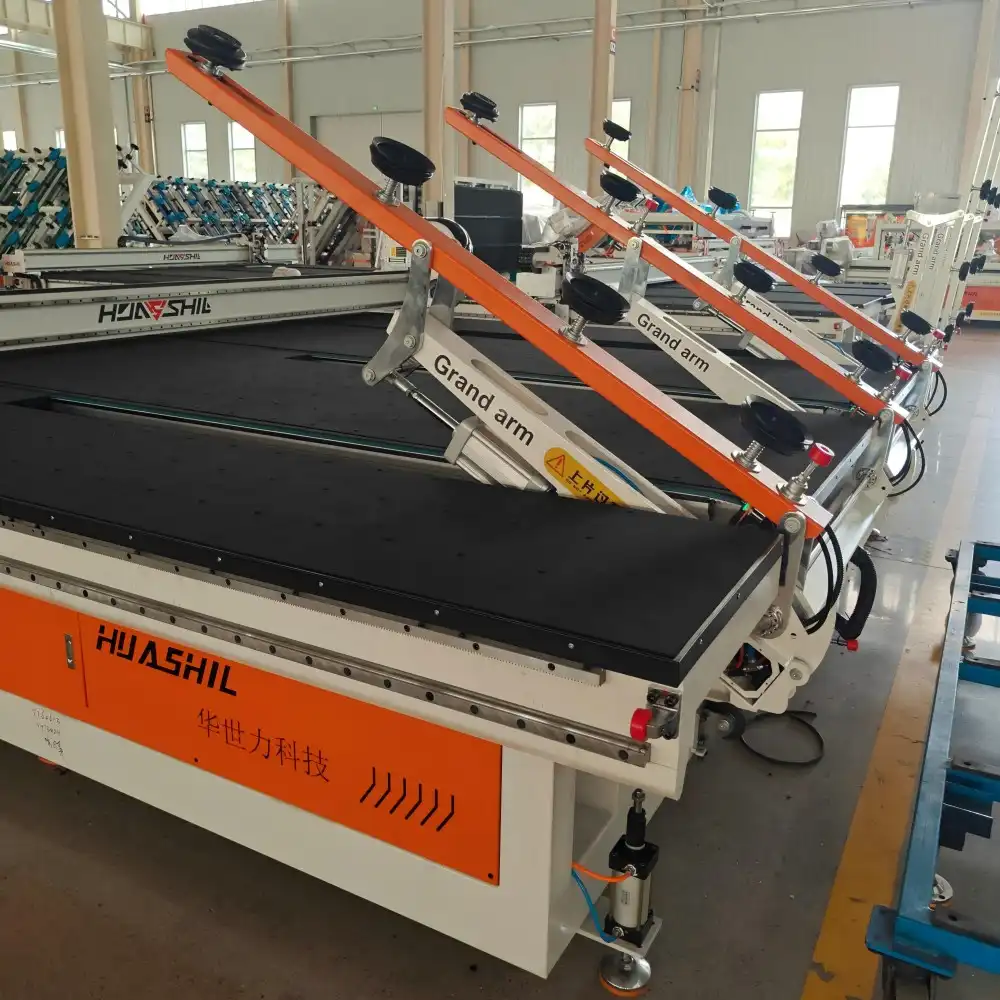
How the glass surface is prepared has a direct effect on how well suction works on a glass loading machine. Low-E coatings, temporary protection films, and cutting fluids that are still on the surface all make it hard for seals to form. Our HSL-LSX5133 model has special low-E deletion functions that solve these coating problems in the production of architectural glass. Conditions in the environment are also important. Failure rates are higher in production areas that don't do a good job of controlling dust or managing the climate. Changes in temperature cause condensation to form on glass surfaces that are moved from storage areas to other heating zones.
Proven Techniques to Prevent Vacuum Suction Failures
Routine maintenance, component upgrades, and strict operational discipline are all parts of prevention strategies. When production directors want to get the most uptime, they use multi-layered approaches that take into account things like equipment, procedures, and people.
Implementing Comprehensive Maintenance Schedules
Scheduled maintenance splits up jobs based on how often they need to be done and what skills are needed. Visual checks, cleaning dust off of suction cups, and making sure gauge readings match expected values are all things that are on the daily tasks. As part of weekly jobs, you have to test the emergency stop features and look for leaks in the air line connections. Every month, the procedure calls for a thorough check of the pumps, oil changes for sealed pumps, and filter replacements. Deep repair done every three months takes care of worn-out parts based on the maker's instructions and data on how they're used. Keeping track of all upkeep tasks creates useful trend data that shows problems that keep happening.
Upgrading to Advanced Suction Cup Materials and Designs
Material science progress has led to suction cups that work better than before. Silicone materials don't break down as easily when heated as regular rubber does, so they stay flexible over a wider range of temperatures. High-cycle uses can benefit from polyurethane formulas that are very resistant to wear. Replacements can be made in minutes instead of hours with quick-change mounting systems, which keep production running as smoothly as possible. Different types of glass and surface conditions can be accommodated by different cup profiles, such as dual-stage designs and foam-backed versions. Choosing the right materials for the production setting greatly increases the life of a component.
Integrating Real-Time Monitoring and Sensor Technologies
With smart cleaning systems, management moves from reactive repair to proactive management. At each suction point, pressure sensors find each cup failure right away, setting off automatic responses that stop the glass panels from falling. Flow meters find pipe leaks where air is escaping. Vibration sensors on vacuum pumps let you know right away when a bearing fails. These tracking systems are linked to software for production management. The software sets off repair alerts and records information about performance. The initial investment in sensor infrastructure pays off by lowering the number of fixes that need to be done quickly and by making equipment last longer.
Training Operators on Proper Equipment Usage
Smart automation needs to be supervised by a person who knows what they're doing. Comprehensive training programs teach operators how to spot early signs of failure, such as changes in the pressure gauge, strange sounds coming from the pump, or panels that don't stay in the same place. Standard operating procedures write down the best ways to prepare the glass surface, load it, and handle an emergency. Regular refresher training makes sure that the right techniques are used and that processes are kept up to date. Giving operators the power to do simple troubleshooting and report problems adds another level of protection against failure on top of automatic tracking systems.
Enhancing Glass Loading Machine Performance Through Vacuum Suction Optimization
Automation technologies that turn standard mechanical systems into smart production assets are needed for modern glass making. The development of vacuum control is a big opportunity to improve performance.
Automated Vacuum Control Systems and Real-Time Diagnostics
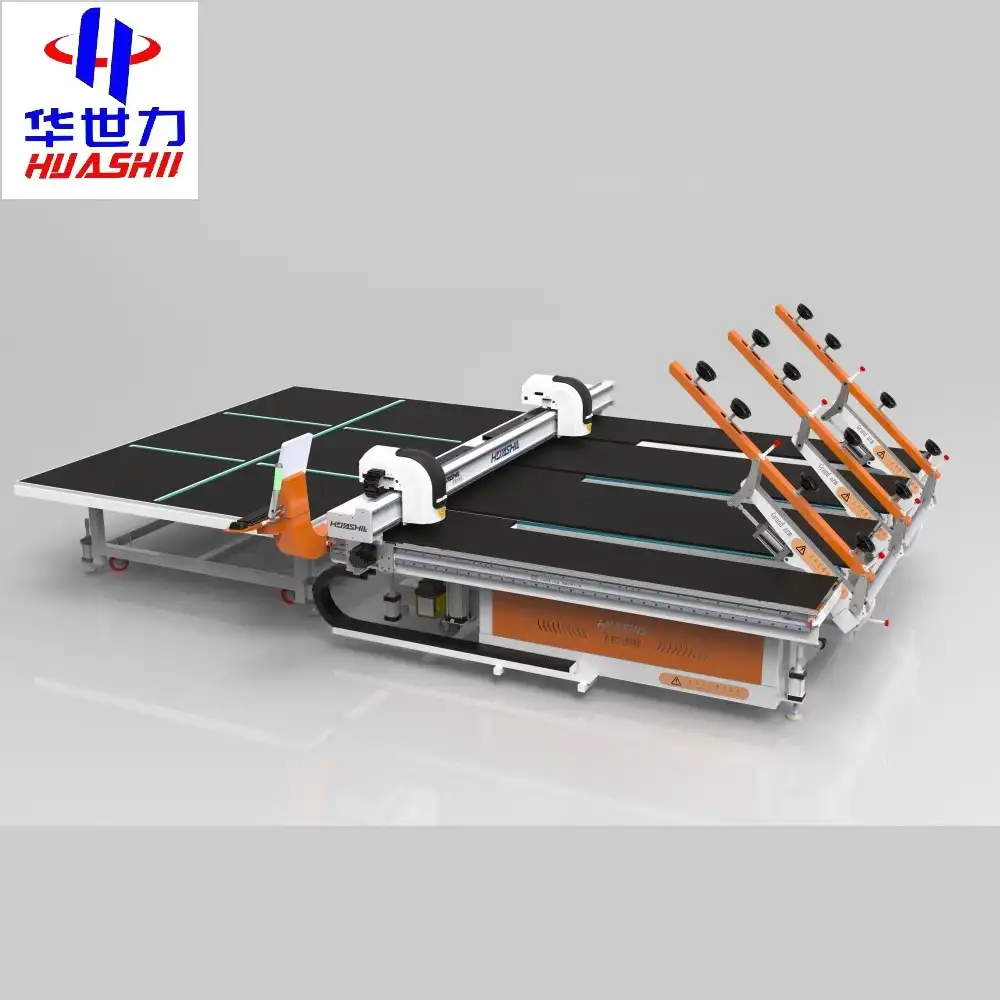
This model, the HSL-LSX5133 glass loading machine, shows what robotics can do now. This system has either above-ground or underground rail configurations, and the layout of the 2+2 stations can be changed. Each side has five grand arms that can hold glass panels up to 5100×3300mm. The built-in Optima optimization software links the operation of the vacuum system with the flow of materials, making sure that the right suction is applied before the panel starts to move. Real-time diagnostics constantly check the pressure levels at all suction points and let operators know right away if problems start to happen. This smart teamwork cuts down on human error, which is a major cause of handling events, and improves cycle times through precise control.
Manual Versus Automatic Vacuum Management
In traditional manual systems, operators have to change the vacuum parameters based on the panel's features and the environment. This method adds variation and relies a lot on the skill level of the operator. Automated systems take away the need to guess because they use set flow patterns that work best for each type and size of glass. When there are a lot of activities, scalability becomes very important. When hundreds of panels need to be processed every day, human oversight can't keep up with the speed and consistency of automated control. Smaller businesses that get a lot of different special orders, on the other hand, might benefit from being able to change settings by hand to fit unique needs without having to do a lot of reprogramming.
Industry Performance Benchmarks and Case Studies
Leading makers say that efforts to optimize vacuums have led to measurable gains. When auto glass makers put in place pressure tracking systems that check for low suction before lifting, the number of broken pieces they had to deal with dropped by 40%. Predictive repair programs set off by vacuum system analytics have helped architectural glass makers cut unplanned downtime by 30%. Curtain wall installers increased throughput by 25% by using automated vacuum controls that get rid of the time needed to make adjustments by hand when switching between panel specs. These recorded results show that optimization tools give a clear return on investment.
Selecting and Procuring Glass Loading Machines With Reliable Vacuum Suction Systems
Buying equipment has long-lasting effects on operations, so it's important to do a full evaluation. Managers of engineering projects and people who buy things need clear ways to compare the tools and companies that are out there.
Critical Evaluation Criteria for Vacuum System Reliability
The vacuum system's capacity must match the needs of production while leaving enough room for error. Figure out the total weight and surface area of the panel, and then say how much pressure you want the pump to deliver in a reasonable amount of time. Safety features like dual vacuum circuits, audible low-pressure alarms, and fail-safe panel locking should meet OSHA guidelines and best practices in the business. Long-term ownership costs are based on the infrastructure for after-sales support. Spare parts that are easy to find and quick technical help keep outages from lasting too long. Ask for specific information about how often the pump should be rebuilt, how often the suction cups should be replaced, and whether there are ways to upgrade as production needs change.
Leading Technology Providers and Feature Comparisons
Different global makers use different methods to build vacuum systems. Bosch focuses on modular designs that let them add capability in small steps. Siemens builds pressure control into larger systems for automating factories. Robotic integration with coordinated vacuum control is important to FANUC. Variable-frequency drive pump systems are one way that ABB tries to save energy. Each method is better for a different set of practical goals: modularity is good for businesses that are growing, ecosystem integration works well for highly automated facilities, robotic coordination makes it possible for production cells to be flexible, and energy efficiency lowers the cost of running high-volume plants.
Procurement Strategies for OEM and Large-Scale Projects
When you make big investments in capital, you need to do more than just compare prices with potential vendors. ISO 9001 quality control, CE safety compliance, and industry-specific standards are just a few of the supplier certifications that give you peace of mind. After-sales service networks with local offices cut down on the time it takes to respond in emergency cases. When negotiating volume, you should talk about more than just unit prices. You should also talk about training packages, upgrade discounts, and the prices of spare parts. System integrators that build whole production lines care a lot about vendors that can help with custom solution development. Vendors that offer engineering teamwork and prototype development become strategic partners instead of just transactional providers.
This relationship method is shown by HUASHIL's wide range of customization options. Our engineering team works directly with companies that make curtain walls, furniture, and building glass to set up systems that meet the exact needs of production. With its three tables, the HSL-LSX5133 is a great example of a complete workflow solution that cuts down on the amount of material that needs to be moved from one step of the process to the next. This integration gets rid of the middle transfer points where vacuum problems usually happen. This makes the whole system more reliable while also taking up less floor space.
Conclusion
Reliability of vacuum suction on a glass loading machine affects how quickly and safely building, automobile, and decorative glass is handled, as well as the quality of the products and the safety of the workplace. Failures are caused by environmental factors, worn-out parts, and poor upkeep, all of which can be avoided with organized methods. Diagnostic methods that find problems early, thorough maintenance plans, high-tech materials, and real-time tracking all work together to cut down on downtime. Automation turns vacuum systems from mechanical parts into smart production tools that improve performance in a way that can be measured. Making choices about purchases that balance technical skills, vendor support, and the ability to customize setup operations for long-term success in markets for glass production that are always changing.
FAQ
1. How frequently should suction cups be replaced to prevent unexpected failures?
How often parts are replaced depends on how much is being made and how the machine is being used. High-volume operations that handle more than 200 panels per day should check the cups once a week and replace them every three to six months. In lower-volume facilities, replacement times may be pushed back to 6 to 12 months, with inspections happening every month. Keeping track of failures helps figure out the best plans for different settings.
2. Can vacuum suction failures damage finished glass products?
Absolutely. When panels are being moved, a sudden loss of suction causes glass to fall onto machines or floors, losing the whole product. When partial suction fails, the pressure is spread out unevenly, which can crack panels or leave edge chips that make products useless. Damage prevention systems that keep your investments safe make up for their costs by keeping you from getting hurt.
3. Is automated vacuum monitoring worth the investment for smaller operations?
Basic monitoring is helpful for even small businesses; simple alarms and pressure gauges don't cost much and stop most failures. As production volumes rise, tracking systems that collect and store data become more valuable. Compare the prices of downtime, the amount of money spent on tracking, and the frequency of incidents to find the right level of technology.
Ready to Upgrade Your Glass Handling Operations?
If you need a reliable automatic glass loading machine option for architectural glass fabrication, curtain wall production, or furniture making, HUASHIL is the company for you. Our HSL-LSX5133 model combines tried-and-true vacuum technology with smart monitoring systems. It can handle panels up to 5100×3300mm on tables that can be used for loading, cutting, and breaking. We help production sites all over the United States get less downtime, less material waste, and safer results by offering full after-sales support and decades of experience in manufacturing. Email our technical team at salescathy@sdhuashil.com to talk about your specific needs, get more information, or set up a virtual demonstration.
References
1. Anderson, M. (2021). Industrial Vacuum Systems: Design, Operation, and Maintenance. Manufacturing Engineering Press.
2. Chen, L., & Wang, H. (2022). Automation Technologies in Architectural Glass Processing. Glass Technology International, 14(3), 45-62.
3. European Committee for Standardization. (2020). Safety Requirements for Glass Processing Machinery. CEN Standard EN 16613.
4. Miller, R. (2023). Predictive Maintenance in Automated Material Handling Systems. Journal of Manufacturing Systems, 28(2), 112-128.
5. Schultz, K., & Braun, T. (2022). Vacuum Technology Fundamentals for Industrial Applications. Technical Publishing House.
6. Zhang, Y., Liu, Q., & Kumar, S. (2023). Performance Optimization of Suction-Based Material Handling Equipment. International Journal of Advanced Manufacturing Technology, 126(4), 1847-1863.