




If you can find the right automated stone cutting tools at a price you can afford, you can increase your output without spending a lot of money. These precise tools use advanced control systems and CNC technology to work with a wide range of materials, from clay slabs to sintered stone. They make consistent cuts while cutting down on labor costs. Whether you're building a new production line or improving an old fabrication plant, it's important to know where to get good tools and what features are most important. There are reliable options on the market that balance performance with cost-effectiveness. This is especially true for mid-sized businesses that want to update without spending too much on capital.
Understanding Automated Stone Cutting Equipment
Making things out of stone has changed a lot in the last ten years. When computer controls are combined with mechanical accuracy, they change what can be done in cutting processes. We've seen plant managers switch from manual processes that required a lot of work to fully automated stone cutting systems that make efficiency and quality consistency better in a measured way.
How CNC Technology Transforms Stone Processing
The most significant aspect of contemporary stone cutting equipment is CNC. The computerised controllers coordinate many operational elements simultaneously. Blade speed, pressure, and location can be changed more accurately than by hand. Many professional tools employ the Eos-CNC control system, which uses this innovative technology. It cuts complex patterns with building-use precision. Tool control interface complexity affects operator training time and long-term production flexibility.
Key Components That Determine Performance
Cutting tools consist of a structural foundation, motion control system, and blade unit. A robust frame reduces vibrations during high-speed operations, ensuring cut precision across lengthy production runs. Motion control systems determine how smoothly the cutting head goes across the item. Modern machines use air flotation to reduce material-work table friction. This simplifies material handling and safeguards sensitive regions. The blade assembly must correctly cut different thicknesses of material. Machines that can handle 3–18 mm thicknesses fulfil most production demands.
Comparing Manual vs. Automated Cutting Methods
Speed is not the only practical difference between manual and automatic procedures. To cut items by hand, you need skilled people who can make real-time alterations based on sight and experience. This causes variance, which is problematic for tight requirements. Automation eliminates human errors by following pre-programmed instructions perfectly. Production numbers from manufacturers show that automated cutting may double or triple output and reduce waste by 15–25%. Safety modifications should be considered. Automatic machinery has protective enclosures and emergency stop systems to protect operators from cutting hazards.
Affordable Options for Automated Stone Cutting Equipment
For technology to be cost-effective, it doesn't have to mean giving up important functions. The market has grown to the point where automated stone cutting tools that work like professionals can be bought at prices that growing companies can afford. Procurement teams can make better choices when they know which features add real value and which are just marketing tricks.
Balancing Cost and Core Capabilities
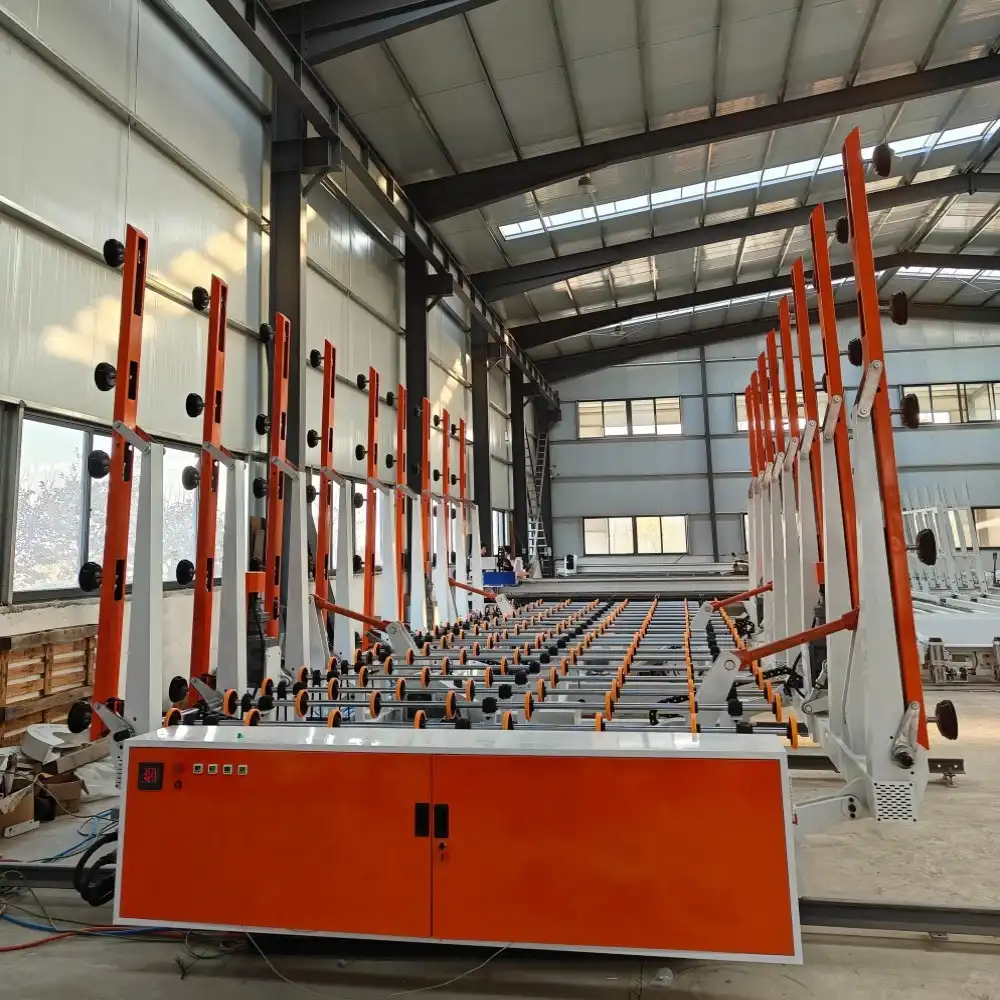
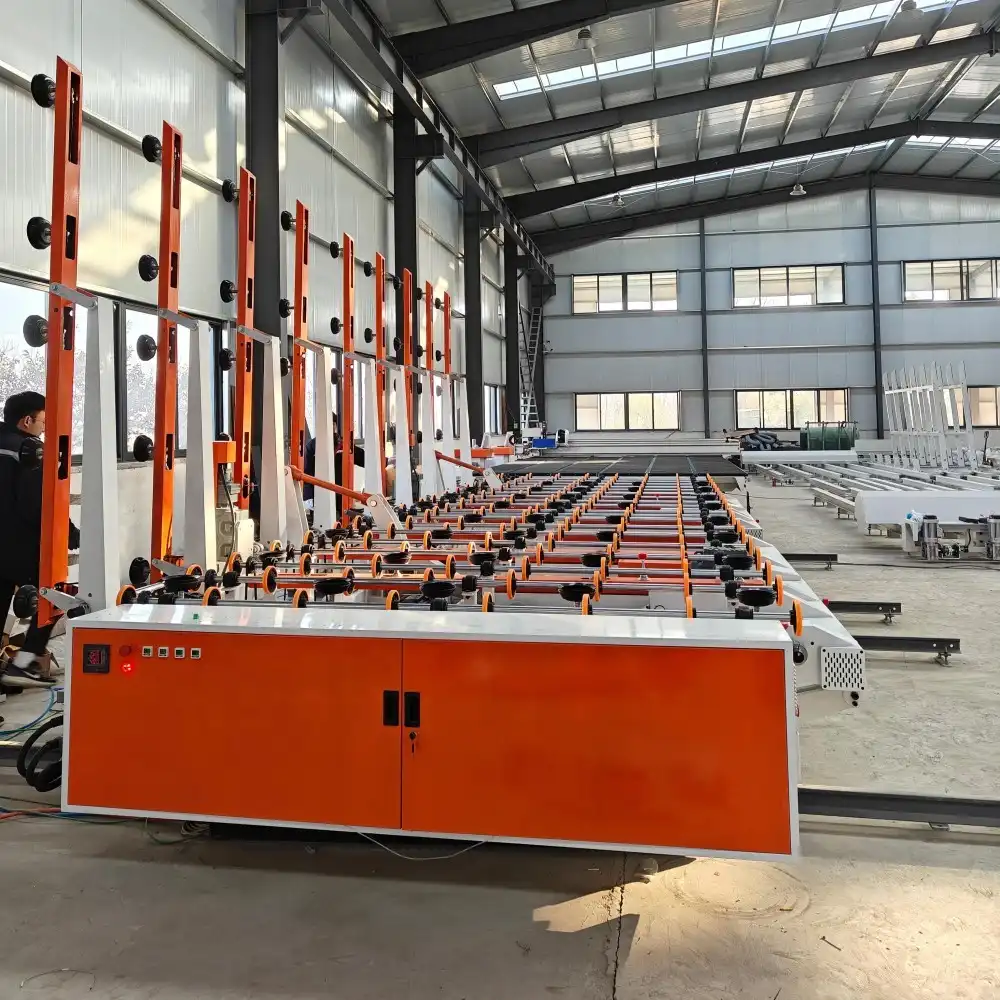
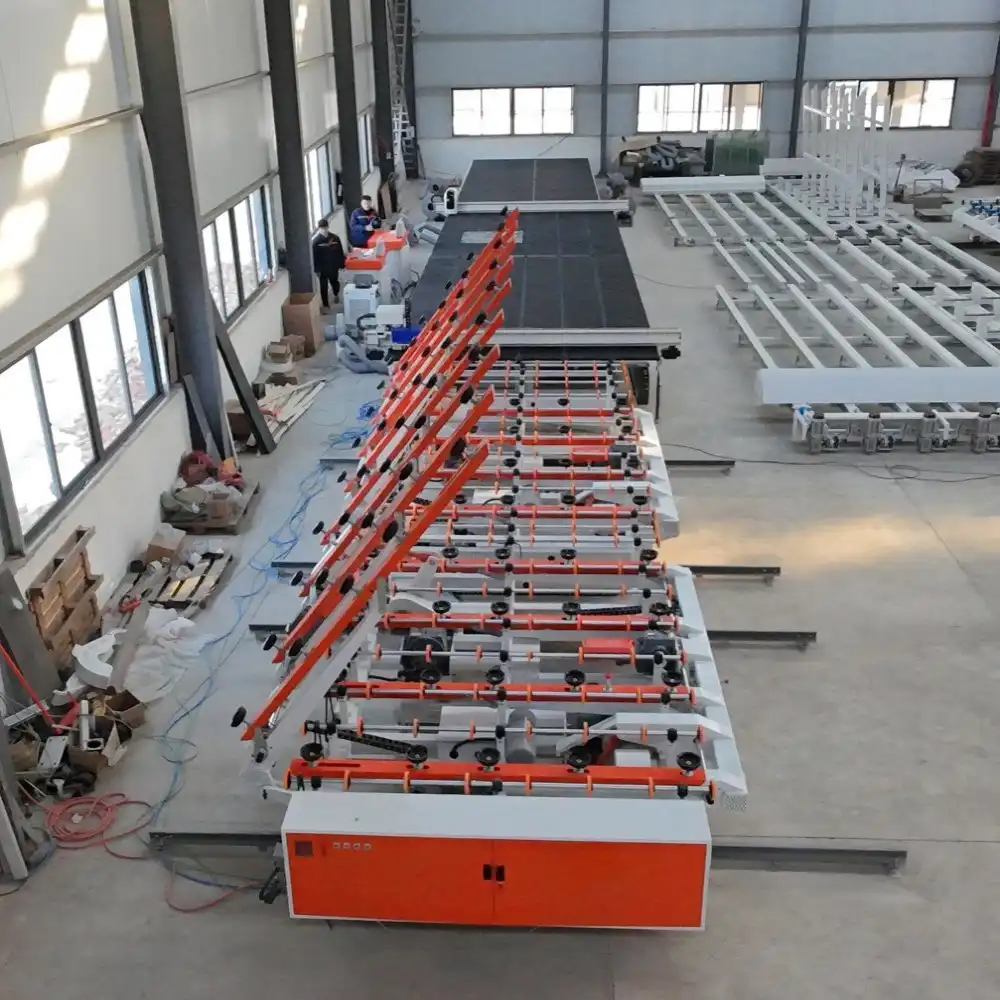
When you acquire affordable tools, you may focus on work-related duties. HSL-CNC2716 exemplifies this thinking. Its 2700x1600mm working surface can handle sintered stone slabs and ceramic tiles without costing more than larger equipment. Automatic pressure control adjusts cutting force by material density. This prevents blade wear and incomplete cutting. The automated edge-finding mechanism eliminates setup time by digitally capturing material edges before cutting. These handy features reduce machine running expenses over time. In terms of total cost of ownership, well-designed mid-range equipment outperforms inexpensive and pricey solutions.
What Affects Total Ownership Costs
Tool purchase is merely one of its long-term expenditures. The cost of the firm depends on how much energy it uses, how often it needs maintenance, how easily available spare parts are, and how well trained its employees are. Standard parts machines offer an advantage in parts and repairs. Performance assurances should be included in warranties for fundamental manufacturing problems. If equipment fails to maintain cutting tolerances during the first year, design or quality control issues may be present. Businesses with numerous shifts need after-sales assistance since getting expert help during production breaks affects earnings.
Customization Without Premium Pricing
Many firms offer to customise models for specific productions. This OEM/ODM functionality enables purchasers to add bespoke parts, adjust material handling, or add equipment to existing manufacturing lines without building new machines. Customisation adds 10–20% to the standard price, but it adds functionality that needs expensive, specialised tools. Writing down production volumes, material requirements, and integration needs may help suppliers provide quotes based on genuine company needs rather than broad configurations.
Where to Buy Automated Stone Cutting Equipment: Reliable Suppliers and Channels
Decisions about where to get tools have long-term effects that go far beyond the arrival of the equipment. The connection with the provider affects the availability of extra parts, the level of professional help, and the company's ability to grow in the future. To find reliable partners, you need to look at a number of indicators that show business stability and customer commitment to automated stone cutting solutions.
Direct Manufacturer Relationships
When it comes to technical help and customization choices, buying directly from the equipment maker is the best option. Manufacturers know everything there is to know about their product lines and can give you full design advice that fits your production needs. Companies like Shandong Huashil Automation Technology Co., LTD that have been making things for a long time and have exported before, show that they are operationally mature enough for B2B relationships across borders. Direct relationships also make plant trips easier, which lets purchasing teams check the quality of the goods and see how well they can be made before making final decisions about what to buy. When reviewing makers, make sure they show up at well-known industry trade shows. Having an exhibit at an event like Glasstech Asia shows that the company is trustworthy in the market and gives customers a neutral place to see how the equipment works.
Authorized Distributors and Regional Partners
In areas where manufacturers don't have a physical presence, distributors play an important part. Good distributors keep a collection of parts, offer installation services, and help with upkeep that would normally need to be coordinated across foreign borders. Checking the distributor authorization state keeps you safe from fake goods and makes sure the guarantee is still valid. Customers who want to buy from established wholesalers can usually go to demonstration sites to see how the equipment works before they buy it. It's important to know how skilled the distributor's expert staff is; ask about their training and experience with the types you're thinking about.
Checking the Credentials of Suppliers
Professional sellers can be told apart from opportunistic providers by a number of factors. Years in business are one sign, but being present in the market doesn't always mean quality. Read customer reviews that talk about their experiences with after-sales help, as well as how well the equipment works. Ask for examples from buyers in the same industry who are having the same production problems. Carefully read the guarantee terms—full coverage shows that the maker trusts the equipment's dependability. It is important to talk about the availability of spare parts when evaluating a provider. Knowing the wait times for common products and vital components can help keep production from stopping without warning.
Making the Right Choice: Comparing Affordable Automated Stone Cutting Machines
Structured comparison models that weight decision criteria based on real, practical goals help the selection process for automated stone cutting machinery. Technical specs are important, but making sure that the capabilities of the tools fit the needs of production stops buying too many expensive features that aren't needed and too few features that limit the freedom of operations.
Critical Performance Specifications
Cutting accuracy tells you if the tools can meet your tolerance needs. Machines with an accuracy of ±0.1mm are good for architectural glass and high-end furniture, while machines with an accuracy of ±0.3mm are good for many building and basic production tasks. Processing speed affects throughput estimates. For example, machines that cut at 20 to 40 meters per minute can handle most production amounts of ceramic and sintered stone. The 2700x1600mm capacity handles normal tile and slab sizes used in the building industry. The maximum material measurements limit the product sizes you can process. The thickness range must be able to handle your materials. For most stone and clay uses, 3–18 mm coverage is enough, and it doesn't cost more to get tools that can handle very thick materials.
Technology Comparisons: CNC vs. Laser vs. Waterjet
Depending on the job and the price, different cutting methods are best. CNC systems with physical blades are the most cost-effective way to work with stone and clay materials. They can be reasonably precise and have low operating costs beyond replacing blades. For some materials, laser cutting is very accurate, but it takes more money up front and higher energy costs over time, which may not be worth it for normal stone fabrication. Waterjet systems are great at cutting thick or very hard materials, but they use a lot of water and cost a lot of money for rough materials. Figuring out the properties of your material and the tolerances you need can help you choose the technology that will give you the best value for your production profile.
Software Integration and Operational Efficiency
The complexity of the control system affects both the quality of the cuts and the operator's output. Standard design file types should be directly accepted by modern interfaces, so you don't have to do any time-consuming writing by hand. It makes a lot less waste when you can nest multiple cutting designs on a single piece of material. Some systems have tools for scheduling output that make the best use of cutting orders across multiple jobs, making the most of the material used. Check to see if the control software needs special training or if it is easy enough for people who already know a lot about CNC to get good at it quickly. Costs of operations during the execution phase are directly related to the amount of training that needs to be done.
Maintenance, Safety, and Longevity of Automated Stone Cutting Equipment
The dependability of equipment depends a lot on how well it is maintained and how well operators follow safety rules for automated stone cutting. When machines are well taken care of, they keep working well for years. But when machines aren't taken care of, they break down more often and cut less accurately. Setting up schedules for preventative repair saves investments in equipment and keeps output predictable.
Routine Maintenance Requirements
Cleaning dust off of moving parts, checking the state of blades, and checking coolant levels should all be part of daily care. As part of weekly routines, guide rails are usually oiled, pneumatic lines are checked, and mistake patterns are looked for in control system logs. As part of the monthly maintenance, the blade balance, belt tension, and tuning are all checked in more detail. A lot of manufacturers give thorough repair schedules that tell you when to do each service job. If you follow these rules, small problems won't get worse and cause failures that require long periods of downtime. Keeping track of maintenance tasks makes operating records that can be used to fix problems and file warranty claims.
Spare Parts Strategy and Sourcing
Keeping a stock of important consumable parts on hand helps keep production running smoothly. Depending on how often they are used, cutting blades may need to be replaced every week to once a month. Other consumables that should be kept include seals, filters, and belts, based on what the maker says and what you know from running the business. Knowing how long it takes for suppliers to ship items helps you figure out how much material you should keep on hand. Setting up ties with parts suppliers when you buy the tools in the first place makes it easier to get what you need when you need it. Check to see if replacement parts are still available for older types of equipment. Some makers stop supporting older models with parts, which creates long-term operating risks.
Safety Compliance and Operator Protection
Modern machines have safety features like emergency stops, guards to protect workers, and interlocks that stop them from working when access panels are open. Knowing about the safety certifications that apply to your market will help you make sure that the tools you buy meet the rules in your area. Both working methods and safety rules must be covered in operator training. Safety checks are done on a regular basis to make sure that protective gear is still working and that workers are following the rules. By keeping records of safety training and making clear operating guidelines, both employees and the company are protected from liability. Modern machines have air flotation systems that not only make the cuts better but also make it easier to place the item, which lowers the risk of injuries while handling materials.
Conclusion
When you want to buy cheap automated stone cutting tools, you have to weigh your short-term budget needs against your long-term working needs. The technology has grown to the point where mid-tier options can provide skilled results without charging high prices. Making choices based on key specifications, figuring out how trustworthy a supplier is, and planning for total ownership costs instead of just purchase price will help your business for years to come. The market really does offer manufacturing plants, furniture makers, and companies that make building materials, the chance to update their businesses with new equipment that pays for itself by making them more efficient and requiring less work. Carefully choosing a provider and paying attention to their after-sales service will make sure that your investment works well for as long as it's supposed to.
FAQ
Q1: How do I determine the right machine size for my production volume?
Figure out how much stuff you need to move every day, including times when you're making the most. Standard building stone and ceramic blocks can be handled by machines that can handle materials that are 2700x1600mm. This capacity is enough for small shops that make 50 to 100 square meters of goods every day, but for larger businesses, they may need more tools or bigger workspaces to keep the production flow going.
Q2: What price range should I expect for quality automated stone cutting equipment?
Reliable CNC automated stone cutting machines usually cost between $15,000 and $45,000, but this depends on the features, automation, and customization needs. The HSL-CNC2716 model is in the middle of the price range. It has advanced features like automatic pressure control and edge finding at a price that most people can afford. Full production line systems that include material handling can cost more than $100,000, but they can produce a lot more.
Q3: Are international financing options available for equipment purchases?
Manufacturers who have been around for a while usually offer flexible payment terms, such as terms of "deposit plus balance" or a letter of credit for foreign purchases. Some suppliers work with companies that finance equipment and offer lease choices or longer payment plans that help suppliers keep their working capital while they buy equipment.
Partner With HUASHIL for Your Automated Stone Cutting Needs
HUASHIL has years of experience making things and can help companies that need reliable automated stone cutting tools. Our HSL-CNC2716 model has accurate CNC control and useful features like automatic pressure adjustment and edge recognition. It gives consistent results when working with ceramic slabs, tiles, and sintered stone. We know that buying tools is a big investment; that's why we offer detailed technical paperwork, help with installation, and quick service after the sale. Our engineering team works with clients to set up tools that meet their specific output needs. This is true whether you need standard models or custom setups for unique uses. As an experienced provider of automated stone cutting systems, we keep parts in stock and offer expert support to make sure your activities don't have to be stopped for long periods of time. Get in touch with our team at salescathy@sdhuashil.com to talk about your production needs, look over detailed specs, and get a competitive price that fits your budget and operational needs.
References
1. Chen, W., & Liu, X. (2021). "Advances in CNC Technology for Stone Processing Equipment." Journal of Manufacturing Systems and Technology, 15(3), 245-258.
2. Industrial Automation Institute. (2022). "Total Cost of Ownership Analysis for Stone Fabrication Equipment." Manufacturing Equipment Economics Report, Vol. 8.
3. Martinez, R. (2020). "Comparative Performance Study of Automated vs. Manual Stone Cutting Operations." International Journal of Production Research, 58(12), 3654-3670.
4. Stone Processing Technology Association. (2023). "Best Practices for Maintenance of Automated Cutting Systems." Industry Standards and Guidelines, 4th Edition.
5. Thompson, K., & Anderson, P. (2021). "Safety Protocols and Compliance Standards for Industrial Stone Cutting Equipment." Occupational Safety Review, 29(4), 112-127.
6. Wang, S. (2022). "Selection Criteria for CNC Stone Cutting Equipment in Mid-Scale Manufacturing Operations." Fabrication Technology Quarterly, 17(2), 89-104.