




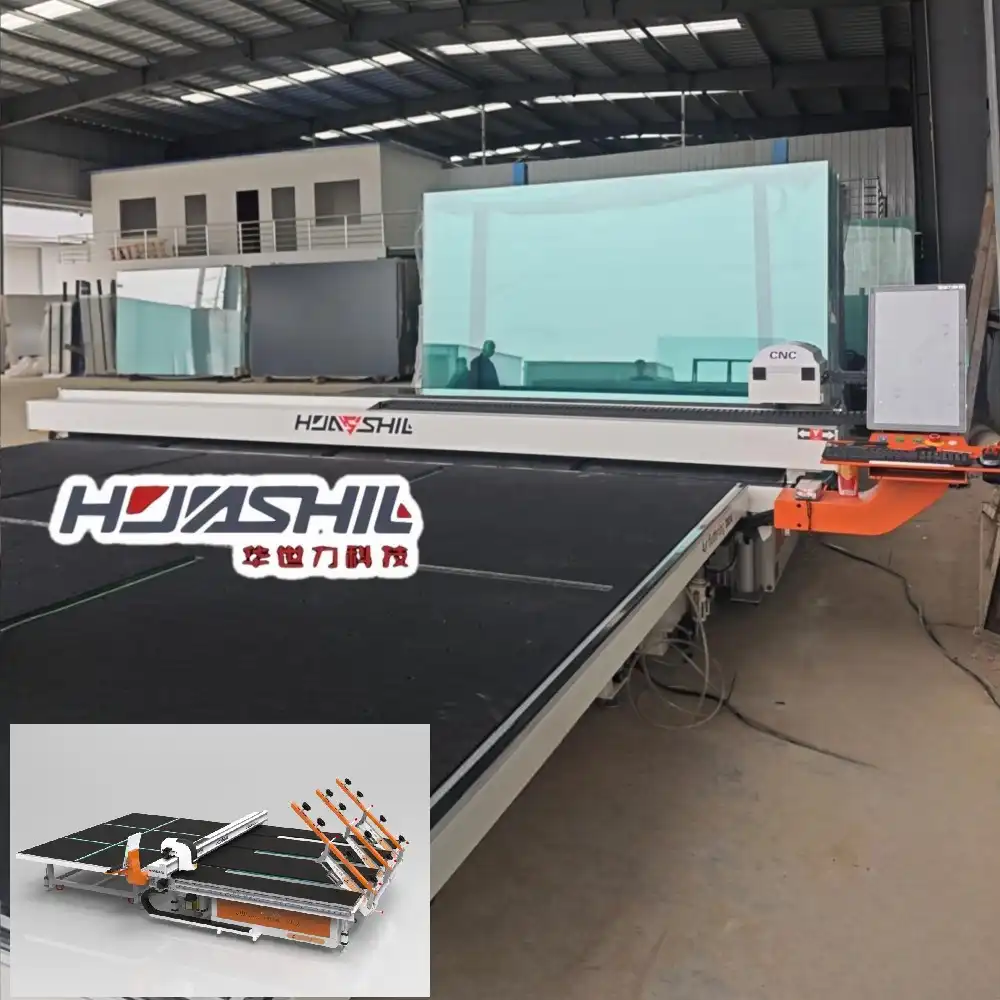
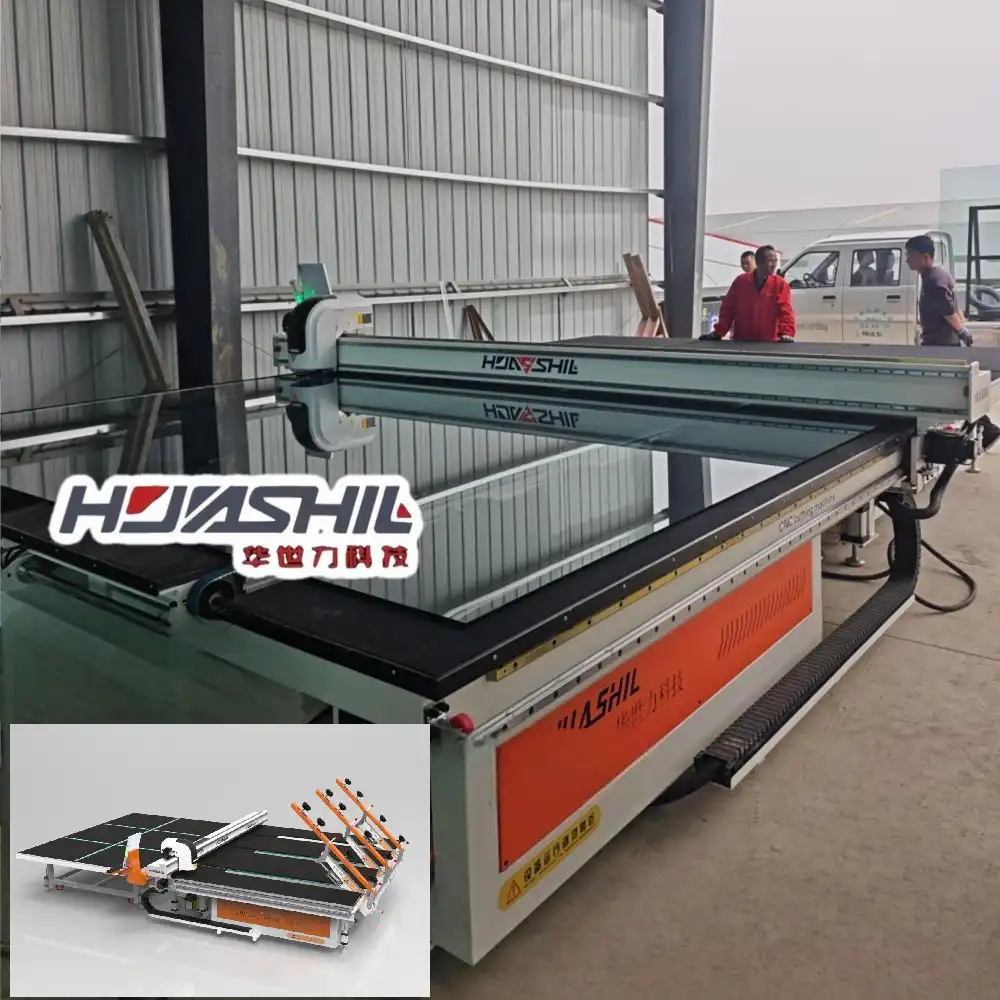
Automatic glass filling machines change the way continuous glass processing is done by incorporating automation technology into industrial processes in a way that doesn't get in the way. When it comes to accuracy, safety, and speed, these high-tech tools can handle glass screens better than anyone could. These days, automatic glass loading machine solutions have three large arms for easy handling, air-floating systems for smooth movement, and flexible layouts that can fit glass sizes up to 3660x2440 mm. Because they can walk in any direction, these tools make the best use of the room while keeping the same level of quality in production for architectural glass, automobile, and decorative uses.
Understanding Automatic Glass Loading Machines and Their Role in Continuous Glass Processing
Modern glass production is based on automatic systems that get rid of bottlenecks and lower the risk of mistakes made by people. Glass filling automation is a key part of continuous processing lines, where accuracy and speed have a direct effect on how much can be made and how much money can be made.
Core Components and Working Principles
There are a few important parts in modern glass filling systems that all work together to make the flow of materials smooth. The three grand arms design evenly distributes weight and provides safe grip control, which lets users handle big glass panels without putting too much stress on any one spot. Each arm works on its own, but the movements of all of them are coordinated so that the glass doesn't get damaged during transport.
The air-floating device is what makes the gentle handling of glass possible. With this technology, forced air is pushed between the glass surface and the moving parts, so they don't touch directly, which could cause scratches or tiny cracks. The floating system can hold different weights of glass, from thin artistic panels to heavy architectural glazing units. It does this by automatically changing the pressure levels based on the specs of the glass.
Machine Types and Production Scales
There are different kinds of glass loading systems that are made for different types of industrial settings. Fully automatic systems work best in manufacturing with a lot of parts, where steady output is what makes the business profitable. These tools work with cutting machines upstream and processing stations downstream, so the production flow is smooth and doesn't need any help from a person.
Semi-automatic options give producers who need human control more freedom while still getting the benefits of automation. With these systems, workers can set up specific loading routines while the machine handles heavy lifting and exact placement. This hybrid method works well for places that are moving from human tasks to automated ones or that are working with special types of glass that need their own specific handling instructions.
With the 360-degree walking feature, machines can get to more than one production station without having to move whole production lines. Because of this, producers don't need as much floor space and can design their facilities so that they work best for the flow of production rather than the limitations of their equipment.
Comparing Automatic Glass Loading Machines to Manual and Semi-Automatic Alternatives
When production managers look at investments in technology, they need to know how different loading methods affect operations and costs. Depending on the amount of glass being made, the specs of the glass, and the limitations of the building, each method has its own benefits.
Manual Loading Limitations and Challenges
The old way of adding by hand limits the amount that can be made and poses major safety risks. Handling big glass panels can be hard on the body, and sharp edges or sudden glass movement could hurt workers. Handling things by hand can also lead to problems with quality consistency because people get tired and use different methods, which can cause mistakes in placing or damage to the surface.
Manual methods slow down production a lot, especially when working with large screens or complicated glass forms. The largest glass size limit of 3660x2440mm makes it hard for human operators to do their jobs. They need more workers and special lifting tools, which slows down total throughput.
Semi-Automatic Solutions as Transitional Technology
Semi-automatic systems are between fully automated and fully human systems. They offer instant productivity gains without having to completely change the way things are done. The lifting and positioning are done by these tools, but workers can make choices about time and sequence.
In semi-automatic models, the automatic glass loading machine usually has basic settings for placement and safety features, but they can still be supervised by a person. This method works for companies that work with different kinds of glass or that don't have a lot of room to fully automate their processes.
Fully Automatic Systems for Maximum Efficiency
For high-volume glassmaking activities, full automation gives the best return on investment. These systems work with software for factory execution, which lets you watch production in real time and plan repairs ahead of time. Modern systems are flexible enough that makers can change how machines are set up as output needs change.
When choosing a system, how much energy it uses becomes very important. Fully automatic machines usually use less energy than other types because they have better movement patterns and motor controls that let you change the speed. The air-floating system only works when it's needed, which means it uses less compressed air than systems that work all the time.
Navigating the Procurement Landscape for Automatic Glass Loading Machines
To buy tools successfully, you need to know what the seller can do, how the market works, and how much it will cost you in total over time. There are a lot of choices on the global market, and the quality and level of service change a lot between manufacturers and areas.
Supplier Evaluation and Selection Criteria
Leading makers show their knowledge by having detailed technical documents, case studies of installations, and long-term relationships with customers. Certified providers give quality guarantees by following ISO and industry-specific standards. This makes sure that the equipment meets all safety and performance requirements.
For complicated automation systems that connect to current production lines, being able to provide technical help is very important. Suppliers should offer thorough help with integration, training programs for operators, and quick repair services. Equipment performance and running costs are directly affected by how easy it is to get spare parts and connect with local service networks.
Pricing Trends and Financial Considerations
The current state of the market shows that there is a growing need for robotic solutions. Prices are affected by the supply of parts and the progress made in technology. Entry-level systems that are good for small to medium-sized businesses usually require less money up front but offer basic automation benefits.
Options for customization have a big effect on prices, with more expensive setups needed for certain types of glass or space limitations. Customizing loading patterns, handling mechanisms, and interaction interfaces, on the other hand, often makes the extra money spent worthwhile by increasing production efficiency and lowering operating complexity.
Manufacturers can automate their processes without having to pay a lot of money up front. Two financing options are machine rental and performance-based contracts. These deals usually include upkeep services and ways to get new technology, which keeps the old technology from becoming useless.
Maintenance, Safety, and Technology Trends in Automatic Glass Loading Machines
Comprehensive repair plans and strong safety rules that protect both tools and people are needed for reliable operation. Predictive repair technologies built into modern systems reduce unexpected downtime and improve service intervals.
Essential Maintenance Practices
Important parts like arm assemblies, air flotation systems, and motion control mechanisms are the focus of routine repair plans. Lubrication programs keep mechanical parts running smoothly and stop them from wearing out too quickly, which could affect the accuracy of placement.
To keep working at its best, the air-floating system needs to have its filters changed and its pressure checked on a frequent basis. Air sources that are dirty can damage delicate glass surfaces or make it float unevenly, which can lead to mistakes in handling. Monitoring tools keep an eye on the air quality and how much is used, so they can spot problems early on.
Safety Features and Operator Training
Modern automatic glass loading machine designs have many safety features, such as emergency stop systems, security obstacles, and sensors that avoid collisions. These features keep mistakes from happening and keep production running smoothly by allowing for quick restarts.
Operator training programs teach both how to run a business normally and what to do in an emergency. Knowing what a machine can and can't do helps workers get the most work done while avoiding acts that could damage the machine or put people at risk. Regular updates to training make sure that workers stay up to date on changes to the system and new best practices.
Emerging Technology Integration
Industry 4.0 connection lets you watch things in real time and do diagnostics from afar, which speeds up maintenance and lowers the cost of service. IoT monitors keep track of performance factors like cycle times, tracking accuracy, and energy use, giving information for projects that aim to make things better all the time.
Applications that use artificial intelligence look at operational trends to find the best ways to load things and guess when they will need repair. Machine learning systems learn how to work with different types of glass and how they are made. This makes handling more precise and cuts down on cycle times through experience-based improvement.
Maximizing Performance and Energy Efficiency in Glass Loading Processes
To optimize operations, you need to carefully look at areas where output is slowing down and plan how to make things more efficient. Instead of being a fixed piece of equipment, the automatic glass loading machine becomes a base for constant improvement.
Throughput Optimization Strategies
Finding out what limits output lets you make focused changes that have measurable effects. By looking at the loading cycle time, you can find ways to improve the moving path, the order, and the timing of the integration. When coordinated well, the three-grand-arms design lets processes run at the same time, which can greatly cut cycle times.
Making changes to the process, like using pre-positioning techniques and predictive loading, can get rid of the need for breaks between steps of production. Smart timing algorithms combine loading operations with cutting operations upstream and processing operations downstream. This keeps the flow of materials steady and prevents stockpiling.
Energy Efficiency and Environmental Benefits
Variable frequency drives and regenerative braking systems are examples of energy-efficient design features that lower operating costs and support green efforts. Pressure control and demand-based operation in the air floating system keep compressed air use to a minimum without affecting performance.
Power tracking systems keep track of how much energy is being used and look for ways to make it more efficient, such as making changes to operating schedules and motors. Heat recovery systems can use the wasted energy from mechanical systems to heat buildings or do other things.
Implementations in the real world show that investments in technology pay off in a big way by lowering labor costs, improving quality consistency, and raising production capacity. Manufacturers say that automated processes increase productivity by 30 to 50 percent compared to manual ones. The payback time usually lasts between 18 and 36 months, based on the amount of production and the cost of labor.
Conclusion
Automatic glass loading machine technology is a game-changing investment for companies that want to gain a competitive edge through business efficiency. With three grand arms for handling, air-floating systems, and flexible setups, this machine can meet a wide range of output needs while still meeting safety and quality standards. Modern systems can handle glass sizes of up to 3660mm x 2440mm and can walk in all directions, which makes the best use of the space. For adoption to go well, suppliers must be carefully chosen, training programs must be thorough, and ongoing efforts must be made to optimize in a way that maximizes return on investment. As we move toward Industry 4.0 integration and AI-driven optimization, makers who see automation as a strategic benefit will be able to make even more money.
FAQ
1. What factors determine if an automatic glass loading machine suits my production line?
System compatibility is mostly determined by the amount of glass needed, the layout of the building, and the production rate. When manufacturers handle more than 500 square meters of glass every day, they usually get a good return on their investment in technology. The largest glass size that can be used is 3660mm x 2440mm, which is large enough for most construction and vehicle uses. The 360-degree walking feature can be used in a variety of building layouts.
2. What maintenance routines prevent unexpected equipment failures?
Daily visual inspections of arm assemblies and air flotation systems identify potential issues before failures occur. Weekly lubrication plans that run once a week and monthly pressure system checks keep things running at their best. Regular checks of the calibration make sure that the setting is correct every three months, and full checkups once a year look at wear parts and safety systems. Using IoT sensors in predictive repair plans can cut down on unplanned downtime by as much as 75%.
3. Can automatic glass loading machines be customized for specific glass types?
Yes, current methods let you make a lot of changes to the types of glass, thicknesses, and finishes on the surface. The three big arms can be set up to work with different sizes and types of glass, and the air-floating system lets you change the pressure levels for different surface finishes. Custom code can handle the unique working needs of toughened, laminated, or coated glass.
Partner with HUASHIL for Advanced Glass Loading Automation
HUASHIL offers state-of-the-art options for loading glass that make production more efficient by using tried-and-true automation technology. Our automatic glass loading machine systems have a unique three-arm design and precise air floating technology, and can be set up in a variety of ways to handle glass sizes up to 3660x2440 mm. As a reliable company that makes automatic glass loading machines, we offer full support, from the initial meeting to ongoing repair services. You can email our technical team at salescathy@sdhuashil.com to get full specifications and quotes that are tailored to your unique production needs.
References
1. "Automation in Glass Manufacturing: Trends and Technologies," International Glass Manufacturing Journal, 2023.
2. "Energy Efficiency in Industrial Glass Processing Equipment," Journal of Manufacturing Technology, 2023.
3. "Safety Standards for Automated Glass Handling Systems," Industrial Safety and Health Review, 2022.
4. "Economic Analysis of Glass Manufacturing Automation Investments," Manufacturing Economics Quarterly, 2023.
5. "Industry 4.0 Implementation in Glass Processing Operations," Smart Manufacturing Technologies Review, 2023.
6. "Maintenance Best Practices for Automated Glass Production Equipment," Industrial Maintenance and Reliability Journal, 2022.