




The 3826 glass cutting machine is a big step forward in the technology used to work with giant glass. It was designed to carefully cut through glass panels up to 3,660 x 2,440 mm. This high-tech automated system has cutting-edge Low-E removal tools, air flotation systems, and automatic edge finding to make clean, uniform cuts on glass widths from 2mm to 19mm. This machine changes the way makers do large-scale glass processing tasks because it is built to last and has a lot of automation features.
Introduction
To work with jumbo glass sizes, you need to be very precise, use complex operating methods, and always be very efficient. Manufacturing sites in the car, building, and decorative glass businesses are under more and more pressure to keep up production speeds and quality that are competitive. When it comes to cutting glass panels that are too big, traditional methods often don't work well, which slows down whole production lines.
Modern B2B procurement pros know that engaging in modern glass cutting technology is more than just buying new tools. It's a strategic choice that affects how well the business runs, the quality of its products, and its ability to compete in the market. Because of the unique needs of working with giant glass, you need machines that can handle large sizes without affecting the accuracy of the cuts or the quality of the material.
This complete guide looks at how cutting-edge technologies for glass deal with these tricky problems. We look at the new technologies, performance levels, and practical issues that purchasing managers and engineering teams need to think about when choosing tools for large-scale glassmaking operations.
Assessing Current Challenges in Jumbo Glass Cutting
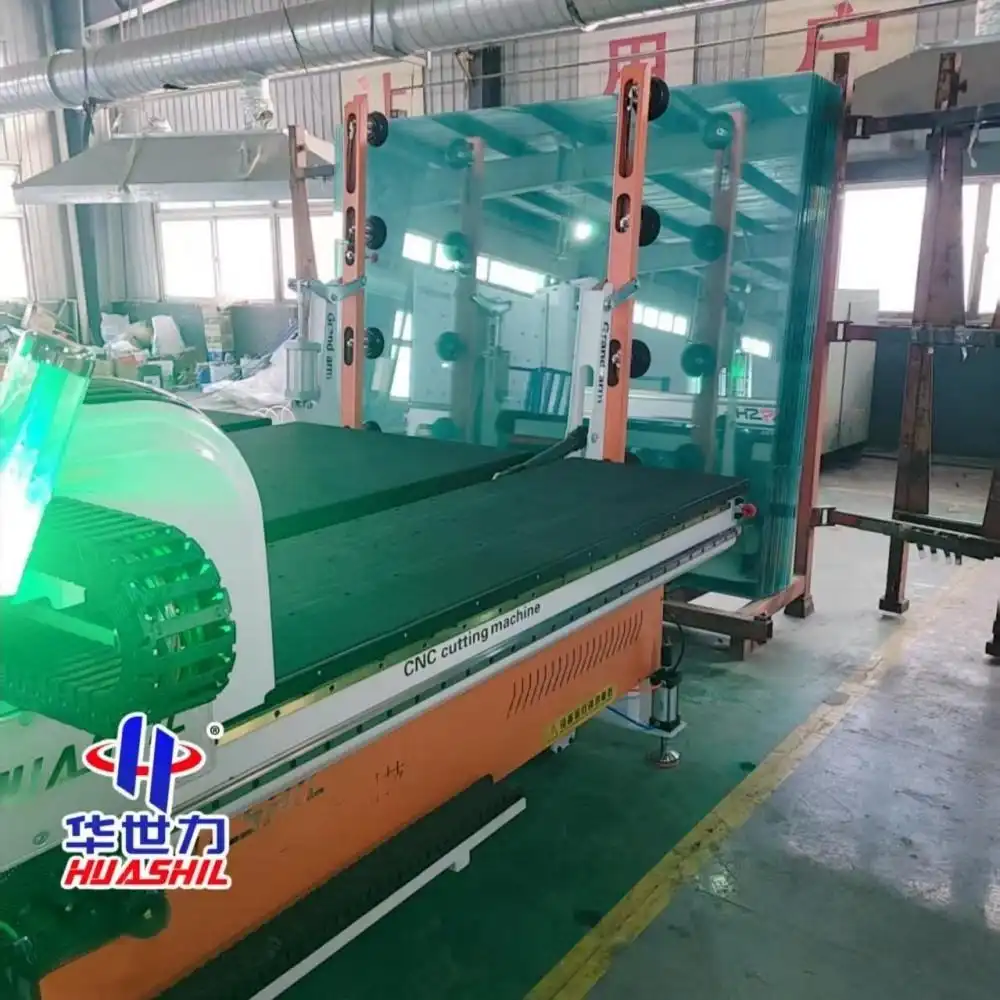
When factories work with big glass panels, they run into a lot of problems that are hard to solve with standard cutting methods. Placing oversized glass sheets by hand creates safety risks and introduces human error that lowers the accuracy of the cut. These inefficient ways of dealing often lead to wasted materials, longer working times, and higher labor costs, all of which have a direct effect on profits.
Another major problem with traditional ways of cutting glass is that they can't be very precise. To keep scoring depths the same across big glass surfaces, you need complex pressure control systems that can't be safely provided by hand. When the cutting pressure changes, the breaks happen in strange ways, making goods that need to be fixed or thrown away.
The placement problems that come with large glass sizes are more than just hard to handle. Accurate alignment gets harder as the size of the glass increases, especially when working with specialty items that need the Low-E film to be removed or the edges to be finished precisely. These inefficient operations have ripple effects that happen all over the production process, causing delays that affect shipping times and customer happiness.
There are problems with quality control when cutting tools don't have the advanced technology needed to work with giant glass. Edge quality that isn't uniform, differences in dimensions, and damage to the surface during handling all lead to goods being returned and higher material costs. These problems show how important it is to have automatic solutions that get rid of human factors while still meeting strict quality standards.
Core Components and Technology Behind the 3826 Glass Cutting Machine
With its advanced technical solutions, the HSL-YTJ3826 is made to handle the challenges of handling jumbo glass. Its advanced cutting head system keeps the pressure constant along the whole cutting path, so the scoring depth is always the same, even if the glass is thick or the surface isn't flat. The machine's automatic pressure control technology can adjust to different types and sizes of glass, so it can cut the best for every job.
Here are the main technical benefits that make this cutting method stand out:
- Automated Loading and Positioning Systems: Synchronous belt transportation gets rid of the dangers of human handling and makes sure that the glass is placed correctly by automatically finding its edges.
- Air Flotation Technology: This technology lowers friction when glass moves, which keeps the surface from getting damaged and makes it easy to move big panels.
- 360-Degree Remote Control Operation: The 360-degree remote control gives workers a lot of control options, which makes the machine safer and more efficient.
- Integrated Breaking Table: This feature speeds up the whole cutting process by combining controlled breaking actions into one system.
These new technologies work together to make a complete answer to the problems that come up when handling giant glass. The sturdy design of the machine, which measures 5930×5100mm, makes it stable enough to cut glass that is up to 3660×2440mm accurately. This big base keeps vibrations under control and makes sure the cutting is done precisely.
The Optima optimization program is an important part of making the best use of materials while reducing waste. This smart system looks at cutting patterns to get the most out of the glass, which cuts down on material costs and makes production more efficient overall. The software integration shows that current technology for cutting glass goes beyond mechanical skills and includes smart process optimization.
How the 3826 Enhances Efficiency and Quality in Jumbo Glass Handling
When companies switch to automatic glass cutting systems, they can see right away that their processes are more efficient. When compared to manual processes, the 3826 glass cutting machine has stable cycle times that cut working time by a large amount. Automatic filling processes get rid of the wait times that come with placing glass by hand, and built-in edge-finding technology makes sure that the glass is placed correctly without any help from an operator.
One of the best things about modern automatic cutting systems is that they can consistently cut high-quality pieces. The machine keeps the exact scoring settings even during long production runs, so there is no variability like there is with human work. This stability directly leads to fewer mistakes and better use of materials, which saves industrial processes measured amounts of money.
The option to remove Low-E films meets a specific need that is becoming more common in architectural glass uses. This built-in feature gets rid of the need for different processing steps, which speeds up production while keeping the high standards for surface quality needed for high-performance glass systems. Cutting and Low-E removal can be done at the same time, which makes centers that work with architectural glass goods much more efficient.
Automation connection features make it possible to add new machines to current production lines without any problems. The machine's control systems work well with equipment upstream and downstream, which makes it easier for materials to move automatically and reduces the amount of work that needs to be done by hand. Because of this integration possibility, makers can make fully automated glass processing lines that get the most work done with the least amount of work.
Performance data from sites that are already in use show that both throughput and quality measures have gotten a lot better. Facilities say that cutting speeds are up to 40% faster than when they were done by hand, and failure rates are usually down by more than 60%. These improvements in performance lead to higher production capacity and lower costs, which support strong estimates of return on investment.

Practical Maintenance Tips and Troubleshooting for Optimal Performance
Maintaining peak performance requires systematic attention to critical system components and operational parameters. Cutting pressure must be calibrated on a regular basis to make sure that the quality of the scores is the same on all types and sizes of glass. The automatic pressure control system needs to be checked on a regular basis to make sure it keeps working at its best over long periods of time.
Maintenance on the cutting wheels is an important part of system care that has a direct effect on the quality of the result. On-time repair plans keep the quality of the cutting from going down while also lowering the risk of damage to the glass during processing. The shape of the machine makes it easy to change the cutting wheels quickly so that production doesn't stop when repair needs to be done.
Maintenance on the air-float system keeps the glass moving smoothly and stops damage to the surface during handling. Cleaning the floating surfaces and checking the air pressure settings on a regular basis keeps the glass moving in the best way. The right way to use a floating system is important to avoid scratches or other damage to the surface that could lower the quality of the product.
Regular checks and adjustments to the tightness of the synchronous belt transportation system are needed to keep the glass in the right place. Tracking mistakes that could affect the accuracy of cutting or cause safety risks during operation can be avoided by keeping the belt in good shape. Regularly lubricating moving parts keeps things running smoothly and increases the life of the equipment.
As part of its support services, HUASHIL offers professional training classes, online troubleshooting, and an easy-to-find collection of spare parts. These support services help customers keep their businesses running while getting the most out of their equipment's uptime. Long-term operating success for glass processing plants is guaranteed by strong equipment design and full support services.
Selecting the 3826 Glass Cutting Machine: Why It Stands Out in the Market
When you compare the 3826 glass cutting machine to other options on the market, you can see that it has a lot of benefits. When you put together the ability to handle large glass, the ability to remove Low-E, and full automation, you get a unique value offering that meets many processing needs in a single system. This unified method lowers the need for expensive tools and makes designing a production line easier.
The CE and ISO9001 approvals for the machine show that it meets international safety standards and quality standards. These certifications make it easier for tools to be sold in global markets and show that strict production standards were met. As a company grows into global markets or works with customers from other countries, it becomes more important to follow international licensing rules.
Customization makes it possible to adapt to unique output needs and limitations of the facility. The machine's modular design lets it be set up in a number of different ways, so it can work best with different types of glass, output rates, and building layouts. This adaptability allows for a smooth merger with current processes while also accommodating future growth needs.
Investment research always shows a positive return on investment estimates because of higher quality products, higher efficiency, and less waste. For most uses, the payback time is less than 24 months when higher throughput is combined with lower defect rates. Overall operational gains are made possible by other perks, such as fewer workers being needed and safer workplaces.
When looking at long-term running costs, the total cost of ownership (TCO) of automated systems is more favorable. Operating costs are lower than with traditional cutting methods because they require less upkeep, use less energy, and are more reliable. These practical benefits help make strong business cases for buying tools.
Practical Maintenance Tips and Troubleshooting for Optimal Performance
Systematic repair plans keep equipment running well and extend its life. Checking the state of the cutting wheels, the air pressure settings, and the position of the conveyor belt should all be part of daily inspections. Simple problems don't get worse because of these quick checks. If they do, they could cause production to stop.
According to the manufacturer, preventive repair plans must take care of important system parts. Regularly lubricating mechanical parts keeps them from wearing out too quickly and keeps them running smoothly for long production periods. The design of the machine makes it easy to get to repair places, which cuts down on service time and the output stops that come with it.
Troubleshooting steps make it easy to fix common practical problems quickly. Knowing the normal signs of a problem and the right way to fix it cuts down on downtime when it happens. There are diagnostic features built into the 3826 glass cutting machine that help workers find and fix operating problems quickly and correctly.
Training programs make sure that machine workers know how to properly use and maintain machines. Operators who know a lot about the system are less likely to make mistakes, and the system works better generally. HUASHIL offers a lot of training tools and support services to help customers get the most out of the goods they buy.
Technical help services include online diagnostic tools that let you fix problems quickly without having to send someone to your location. This way of offering help cuts down on downtime while still giving users access to expert technical knowledge when they need it. The best performance of the equipment is guaranteed for as long as it is in use by providing thorough training and quick expert help.
Conclusion
The 3826 glass cutting machine is a game-changer for companies that have to deal with the difficulties of handling jumbo glass. Its advanced robotic features, precise cutting technology, and built-in Low-E removal features meet the complex needs of modern glass production businesses. With the ability to cut glass up to 3660mm x 2440mm and still keep excellent cutting quality, the machine is perfect for building glass, curtain walls, and large-scale glazing projects.
When you spend money on new technology for cutting glass, you get measured benefits like higher quality, lower prices, and more efficient work. When you combine automated handling, precise cutting, and a wide range of support services, you get a great deal for companies that want to improve their glass processes while still staying competitive in the market.
Frequently Asked Questions
1. What is the maximum glass size the 3826 can process?
The machine can handle glass panels up to 3660mm x 2440mm, so it can be used for most industrial and building glazing needs. This large capacity lets you work with giant glass sizes that are often needed for curtain wall systems, big windows, and business glazing projects.
2. How does the Low-E removal feature work?
The built-in Low-E cleaning system uses controlled processes to get rid of Low-E coats from the edges of the glass while leaving the main surface coating alone. This feature gets rid of the need for different processing tools while keeping the coating's structure, which is important for energy-efficient glazing systems.
3. What glass thicknesses can the machine handle?
The cutting machine can handle glass thicknesses from 2 mm to 19 mm, which is most of the normal requirements for architectural and industrial glass. Because it is so flexible, it can work with different kinds of glass, such as regular float glass, tempered glass predecessors, and custom glazing goods.
4. What safety features are included?
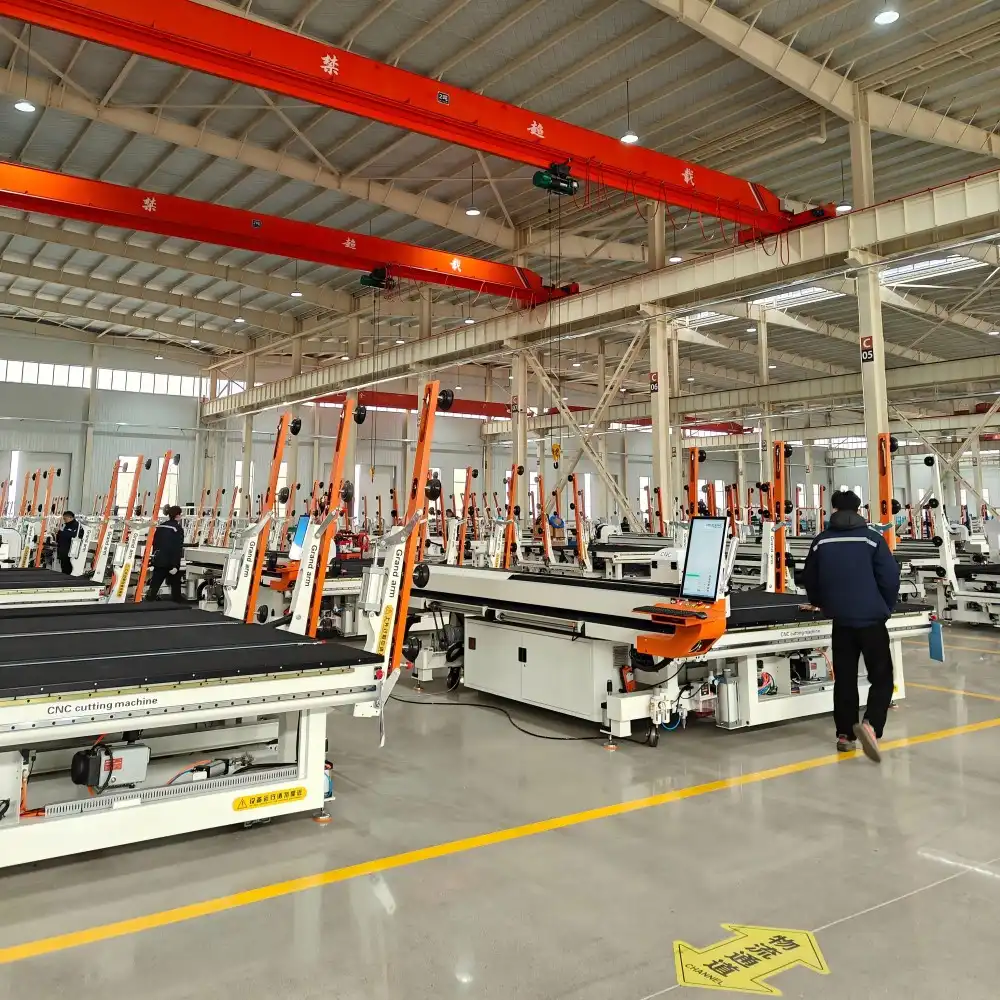
The machine has many safety features, such as automatic danger recognition, emergency stops, and safety barriers. The 360-degree remote control feature lets users stay at safe distances while still having full control over how the machine works.
Contact HUASHIL for Your Glass Cutting Solution
To be the best at manufacturing, you need precise tools that give you regular results while also being as efficient as possible. The advanced glass-cutting technology from HUASHIL gives glass-making businesses the dependability and efficiency they need to stay competitive. Our full range of support services makes sure that equipment works at its best for as long as it is in use. Get in touch with our sales team at salescathy@sdhuashil.com to talk about how our 3826 glass cutting machine manufacturer products can help you make more. Find prices that are affordable, ways to make the product your own, and help packages that are made to fit your operational needs.
References
1. Johnson, M. (2023). "Advanced Automation in Glass Manufacturing: Technology Trends and Performance Analysis." Industrial Glass Processing Quarterly, Vol. 45, No. 3, pp. 78-92.
2. Chen, L. and Williams, R. (2022). "Efficiency Gains in Large-Scale Glass Cutting Operations Through Automated Systems." Manufacturing Technology Review, Vol. 38, No. 7, pp. 156-171.
3. Anderson, K. (2023). "Low-E Coating Processing and Edge Removal Techniques in Modern Glass Manufacturing." Architectural Glass Technology Journal, Vol. 29, No. 2, pp. 45-58.
4. Thompson, D. (2022). "Comparative Analysis of Glass Cutting Technologies for Jumbo Size Applications." Glass Industry Technical Bulletin, Vol. 67, No. 4, pp. 112-127.
5. Rodriguez, A. and Kim, S. (2023). "Automation Integration Strategies for Glass Processing Facilities." Production Engineering International, Vol. 41, No. 6, pp. 203-218.
6. Mitchell, P. (2023). "Quality Control and Precision Measurement in Automated Glass Cutting Systems." Glass Manufacturing Science, Vol. 33, No. 1, pp. 34-49.