




The short answer is to size the compressor for the air your air flotation tables actually consume at their operating pressure. Then add a documented allowance for leaks, other pneumatic tools, and wear. Motor horsepower does not give you that number. Free air delivery, stated in SCFM at a given psig, does. I recommend getting the required flow and pressure from the table manufacturer, counting how many zones blow at once, and checking the result during commissioning. That way the glass cushion never starves, and you never pay to run idle capacity.
How Air Flotation Tables Use Compressed Air
Before we calculate anything, I want to explain what the air does on a glass line. Note that this article covers air flotation tables in glass processing, not dissolved air flotation in wastewater treatment.
What the Air Cushion Does
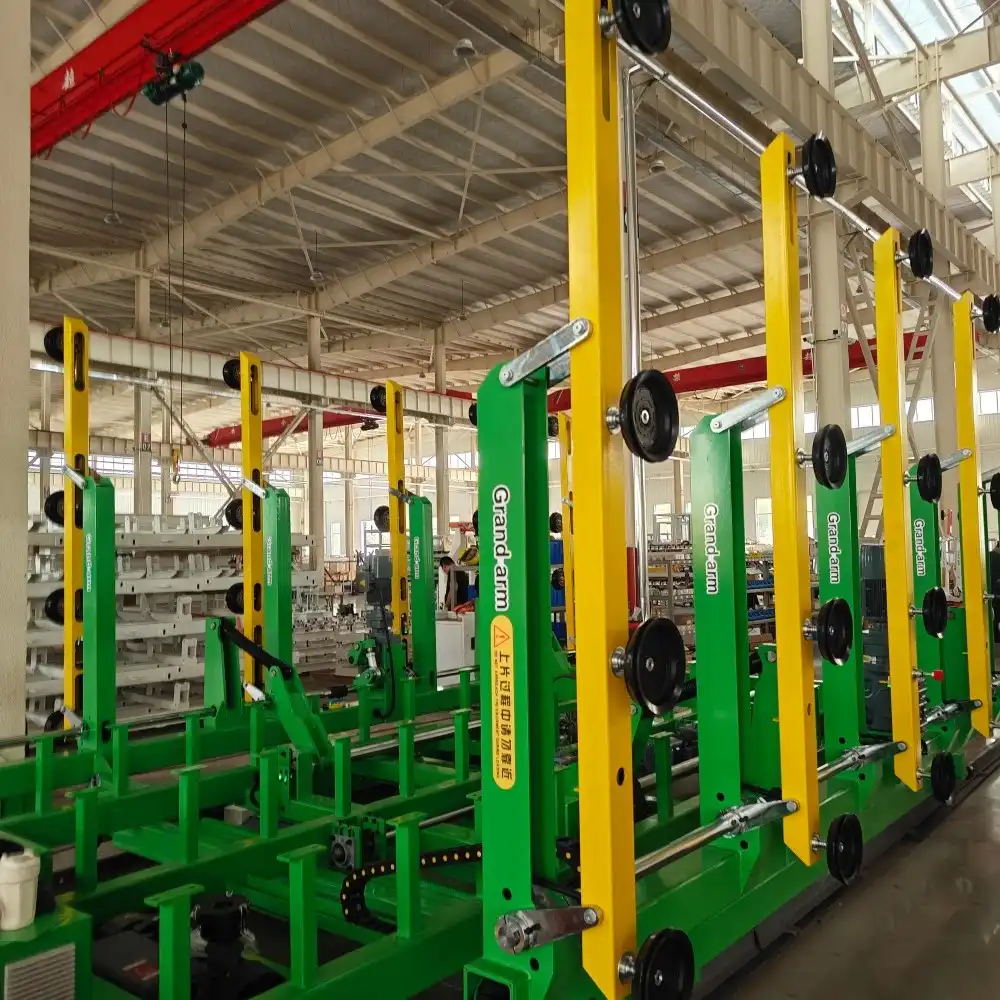
Air flotation tables have small holes in their tops that let air flow through them. The thin cushion that this creates keeps the glass sheet from moving across the table. Users will then be able to tilt, move, and slide big lights with less force and a lower chance of damaging them. In the glass business, these tables are used at stations where glass is loaded, cut, and broken. To have the padding, air has to flow through it. This is why the air source is very important. It feels heavy, and if the flow slows down, the edges could get scratched. While sheets are being carefully placed, they may move around if the flow is too strong.
Why Air Consumption Varies
How much air is used depends on how many and how big the holes are, how much pressure is being used, and how many zones are blowing at the same time. A big table with lots of seats draws in more air than a small station made for shower door glass. How much force is needed to lift the sheet depends on how heavy and wide the glass is. This is why I never accept a rule that says it works for all air flotation tables. Everyone who makes models should say how much flow and pressure they need. After that, you can look at different prices based on the same reason, which is usually SCFM at a certain psig.
Why Clean, Dry Air Matters
Compressed air can carry contaminants such as oil mist, water droplets, and dust, which may leave marks on glass surfaces and gradually clog the small air outlets used in air flotation tables. ISO 8573-1 establishes compressed air purity classes for particles, water, and oil, providing a common reference for equipment buyers and compressed air system suppliers. To protect glass surfaces and maintain reliable table operation, manufacturers should select appropriate filtration and drying equipment. ISO 7183 specifies performance testing methods for compressed air dryers, helping buyers evaluate their suitability for specific applications. Filters and dryers should be considered during the initial system design because they introduce pressure drops that must be accounted for when sizing the compressor. Proper air treatment and pressure management help maintain consistent flotation performance, reduce contamination risks, and support long-term equipment reliability.
Steps to Size the Compressor Right
Once you understand where the air goes, the sizing itself follows a short, repeatable sequence.
Collect the Operating Data
Beginning with facts that back up your own view is a good idea. Make a list of the brand's suggested air pressure and flow rate for the table, as well as the number of zones that work together and any other pneumatic tools, such as suction cups, clamps, or cylinders, that are hooked up to the same air line. Write down the largest glass size you can handle. That's usually the size that people want the most. Remember your daily shifts. If a table works for eight hours, it needs a different job rate than if it works for twenty hours. Finally, write down the temperature in the shop and the height of the site. How much air a compressor sends depends on these two things. It's easy to do the math once you have this list.
Convert Demand into SCFM and Add a Margin
Do not add up all the nameplates; add up the air that all the devices use at the same time. Then add a number to account for leaks and wear over time, and make a note of how you got that number. Compare the total amount to the amount of free air that the compressor can give you at the pressure you need. ISO 1217 tells us how to test displacement compressors for acceptance, so make sure the data you get is set up in that way. The blower will lose power as it turns on and off if you have too much capacity. More space will protect you from drops in pressure. If the line needs to be fixed, I like to have a small written space and a second small unit on hand.
Check Pressure, Receiver, and Leaks
A guide from the U.S. Department of Energy on compressed air says that plants that don't have a leak program can lose about 20% of the compressed air they make. It also says that between 0 and 100 psig, every 2 psig rise in discharge pressure makes the power used go up by about 1%. Put the pressure on the system as low as it can go and still have the glass float. A receiver tank of the right size smooths out short spikes in demand, and pipes of the right size keep pressure loss between the compressor and the table to a minimum. Before you buy a bigger compressor, check the line for leaks every three months and fix any broken fittings.
HSL-SPT3624 and Your Air Supply
Many readers ask how these steps apply to a real machine, so here is how I connect them to the Huashil HSL-SPT3624.
Model Overview
This machine can handle glass that is up to 3660 × 2440 mm, which is 144 × 96 inches. These are the main things it does:
- Automatic loading: The sheets are loaded into the machine automatically, so you don't have to lift them by hand to start cutting. Because people don't touch large glass as often, the surface doesn't get scratched or marked as often when sheets are changed.
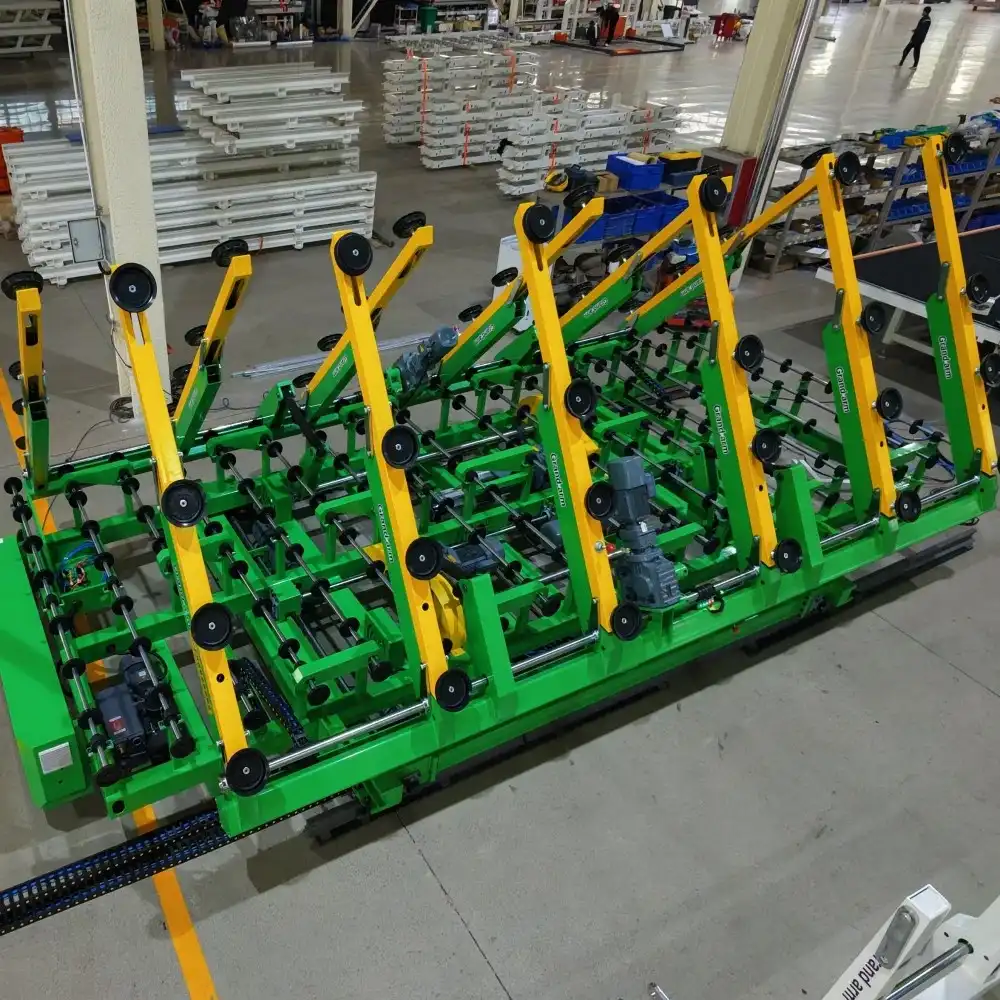
- Air flotation system with breaking table: The air flotation tables system makes it easy for the sheets to slide into place, and the breaking table helps separate the sheets after they have been cut. It's easier for workers to switch between cutting and breaking glass when both tools are in the same place.
- 360-degree remote control walking: With this feature, the person using the machine can control how it walks from up to three hundred degrees away. The people in charge can move the equipment to a better or more convenient spot without taking their hands off the controls.
These methods fix common problems in production, including handling damage, slow sheet changes, and the need for more work at the breaking step. I ask buyers to get in touch with our team so we can confirm the numbers for their setup. This way, we can find out how much flow and pressure the air flotation system on this model needs.
Total Cost of Ownership
Most of the time, people first look at prices. Aside from the machine itself, the total cost of purchase also includes the dryer, filters, pipes, power, setup, training, and upkeep. It costs more to buy and run a compressor that is too big, and the pressure drops when it works at half load. On the other hand, a compressor that is too small can stop the line. It's also important to be able to get spare parts and service quickly. There is a lot of information in the quotes, so I think you should write it down and ask each provider for it. When you ask for a quote, our team can talk about delivery times, how to set up the machinery, and help after the sale. Huashil sells machinery all over the world.
Documents for Project Teams
You can see that every job needs a different set of papers. Engineers need to know the specifics and how much air is needed. The things that buyers want to know are the price, the delivery terms, and the warranty. People who handle money want clear payment terms, such as a letter of credit or a down payment and the final payment. The HSL-SPT3624 is marked with both the CE and ISO9001 marks. Having the CE mark on something means it meets the rules of the European Union. The rules for a quality management system are set by ISO 9001. Before the buyer brings the machine to the U.S., they should still ask their installer about the electrical and safety rules in the country.
Conclusion
The air generator for air flotation tables should be the right size for the tables based on how much air they need, not how much motor power they have. The number of zones that need to be blown at the same time, the size of the table, and the way the holes are set up determine this. It needs to be given in SCFM at a certain psig. With clean, dry air, the glass and small holes stay safe, and a known range takes care of leaks and wear without cutting short cycles. The Department of Energy says that leaks and too much pressure are what cause energy costs, so it's important to have pipes that are tight and as little pressure as possible. A breaking table, an automatic loading system, an air flotation table system, and remote walking are all part of the HSL-SPT3624. It can handle glass up to 3660 × 2440 mm.
FAQ
1. How much air does an air flotation table use?
Each air flotation table unit doesn't have the same value. How much is used depends on the size of the table, how the openings are set up, the pressure, and the active zones. Talk to the manufacturer about how much flow is needed in SCFM at a certain psig. Then, use that number to compare different compressors.
2. Is a bigger compressor always better?
Not at all. Too big a unit can lose energy by turning on and off too often. It will also cost more to buy. First, look for leaks and make sure the pressure is right. Then, add a small margin that is well-documented.
3. What does the HSL-SPT3624 include?
The HSL-SPT3624 has an air flotation table system, a breaking table, automatic filling, and the ability to walk in any direction with a remote control. It has CE and ISO9001 standards and can work with glass up to 3660 x 2440 mm.
Talk to HUASHIL About Your Air Flotation Tables Project
People who want to buy air flotation tables should talk to HUASHIL about their project. They can make the HSL-SPT3624 fit their glass sizes and air supply. Tell salescathy@sdhuashil.com about the size of your glass, how much it produces each day, and the name of your blower. The people on our team will send you a clear proposal with prices, delivery times, and warranties as soon as possible.
References
1. U.S. Department of Energy, Improving Compressed Air System Performance: A Sourcebook for Industry, 2003
2. International Organization for Standardization, ISO 8573-1 Compressed Air – Contaminants and Purity Classes, 2010
3. International Organization for Standardization, ISO 1217 Displacement Compressors – Acceptance Tests, 2009
4. International Organization for Standardization, ISO 7183 Compressed-Air Dryers – Specifications and Testing, 2007
5. European Parliament and Council, Machinery Directive 2006/42/EC, 2006
6. International Organization for Standardization, ISO 9001 Quality Management Systems – Requirements, 2015