




When combined with CNC glass cutting lines, air flotation tables represent a game-changing development in glass working automation. By creating a thin cushion of pressurised air under the glass sheets, these tables get rid of almost all surface friction when moving things around. With this method, heavy, fragile pieces that are sometimes bigger than 3660x2440mm can move easily across the work area without getting scratched or breaking. When connected to CNC cutting systems, air flotation technology greatly enhances throughput, accuracy, and user safety. This solves the main problems that architectural glass makers and curtain wall manufacturers face every day in modern manufacturing settings.
Understanding Air Flotation Tables and Their Role in CNC Glass Cutting Lines
Moving big, fragile pieces easily through the cutting, edging, and finishing steps is a key part of making glass products that work well. An air flotation table does this by letting compressed air flow through thousands of tiny holes in its surface, making it solid enough to float on. Unlike hard mechanical conveyors, this air cushion can adjust to small surface flaws and dampens vibrations, which keeps glass panels stable during fast CNC operations.
Core Components Driving Flotation Performance
Modern air flotation devices are made up of several parts that work together. High-capacity air blowers keep the pressure steady, usually between 0.4 and 0.8 MPa, based on the size and weight of the glass. The air is spread evenly across the table surface by precision-engineered ducts, and advanced filter units get rid of moisture and particulate contaminants that could block air flow or damage glass surfaces.
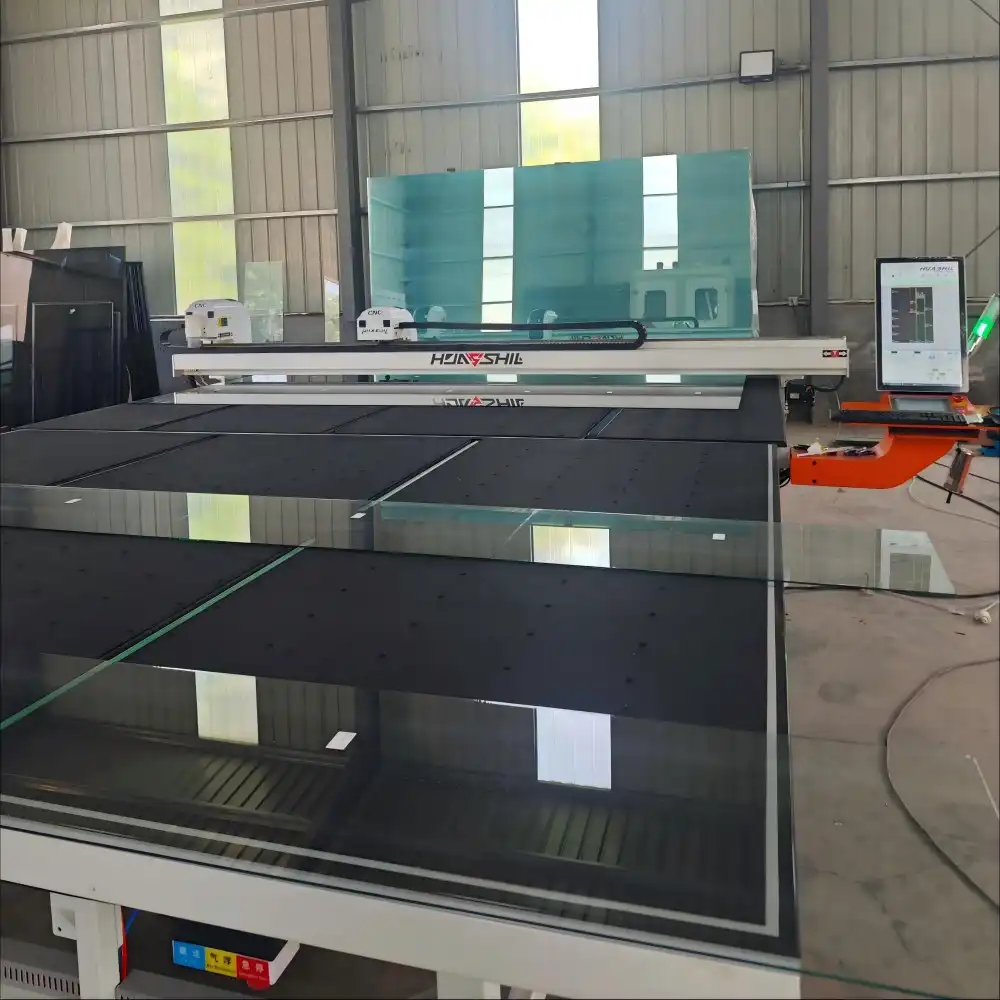
Control connections are no longer just on-off switches. Modern systems, like the HSL-SPT3624 type, have remote controls that work in all directions. This lets workers place big loads precisely without having to strain their bodies. This portable control lowers the risk of ergonomic problems and makes work more flexible, especially when it comes to planning loading processes with equipment upstream and downstream.
Integration Benefits for CNC Cutting Operations
When you connect flotation tables to CNC cutting lines, material handling goes from being a high-touch, human process to a coordinated automation sequence. When glass sheets come from storage or heating areas, they move smoothly onto the air cushion and stay in place while they are being cut. The flotation system gets rid of horizontal friction, which means that CNC cutting heads can keep the same tool pressure and cutting speed. This lowers edge chipping and improves the accuracy of the measurements.
Production statistics from building glass plants show that things are getting better. When manufacturers switch from roller conveyors to flotation systems, cycle times drop by 18–25%. This is because filling processes are faster, and there are no more waiting times for adjustments. Similar improvements can be seen in quality measures, where failure rates drop by 30 to 40 per cent because of less damage from handling. Total cost of ownership is a very important thing for plant managers to think about when they are deciding what capital investments to make.
Challenges in Glass Handling and How Air Flotation Tables Solve Them
Using old-fashioned ways to handle glass creates many points of failure that lower the quality and speed of production. Even though roller conveyors are very common, they create linear touch points that focus stress and raise the risk of breaking, especially with thinner glass or special coatings. Manual positioning requires skilled work and adds variation, and moving things over and over again can cause accidents and tiredness at work.
Common Issues Plaguing Conventional Systems
Scratches on the surface of the glass are one of the most expensive flaws to fix. Even very small scratches can damage the structure and make things less clear, so companies have to throw away finished goods or make them less good for other uses. These flaws are caused by several things in traditional handling systems: dust building up on conveyor surfaces, tiny movements happening during transport, and uneven load distribution that makes big panels bend.
Breakage is another problem that keeps coming up. Edge impacts and stress accumulation can cause glass sheets to break when they move from one work area to another or when they have alignment problems on roller systems. These losses throw off production plans, wasting materials, causing equipment to break down, and causing supplies to be late. The effects are especially bad for architectural glass makers who work with low-E coated or laminated goods, since replacing these high-value materials costs more.
Flotation Technology as a Comprehensive Solution
By distributing support across the full glass surface, air flotation tables solve these issues. Instead of putting all of the weight on a few thin wheels or contact strips, the air cushion spreads it out evenly, which lowers mechanical stress by tens of times or more. This even spread stops big panels from bending and keeps the dimensions stable while they are being cut.
The system is naturally clean, which adds to its security. Since glass never touches solid objects while being moved, there is no chance of it getting dirty or scratched. A lot of flotation tables, like the HSL-SPT3624, have different breaking tables that make it safe for workers to separate cut pieces after scoring. This makes handling even safer during the important post-cut phase.
These benefits have been proven by real-world examples. In the southeast of the United States, a company that makes curtain walls updated its main cutting line to include flotation handling. They kept track of results over six months. Breakage rates dropped from 3.2% of processing material to 0.7%, and 65% fewer surfaces were rejected because they were not good enough. The facility estimated a 14-month return on investment based only on less material waste. They didn't take into account increased production or fewer workers' compensation claims.
Comparing Air Flotation Tables with Alternative Glass Handling Solutions
When purchasing managers look at handling systems, they have a number of choices, and each one performs and costs differently. Knowing these differences helps match the capabilities of tools with the needs of output and the limitations of the facility.
Roller Conveyor Systems: Limitations and Trade-offs
Entry-level and mid-level glass-making plants mostly use roller conveyors because they are cheaper to set up and easier to maintain. Rollers that are powered by electricity or gravity move glass between desks in these systems. Roller systems work well with standard float glass that is more than 6 mm thick, but they have trouble with thin panels, treated surfaces, and measurements that are too big.
Point-contact motors are to blame for the main problem. Each roller makes a narrow load line across the width of the glass, which concentrates weight and causes shaking. As the screen gets bigger or thinner, this focused loading goes over the safe stress limits, which raises the risk of breaking. At roller contact points, artistic, low-emissivity, and solar coatings on the surface are especially likely to wear away.
Maintenance and Operational Cost Considerations
Air flotation tables seem more intricate than roller conveyors, which may make purchasers assume they need more maintenance. Real-life experience shows otherwise. Compared to conveyor systems, which include dozens of motorised rollers, drive chains, and bearing assemblies, flotation tables simply have the compressor unit and control valves.
Annual maintenance includes filter changes, pressure checks, and air circulation channel inspections. These tasks may be done during scheduled production pauses with little downtime. Compressors last 8–12 years if properly constructed and maintained. In roller systems, bearing, belt, and roller failures halt production and eat up spare parts.
Their energy utilisation distinguishes them. Modern flotation systems use variable-frequency drive blowers to adjust airflow depending on load. It reduces system power consumption while not in use. An investigation of identical setups found that flotation systems utilise 15–22% less energy than motorised roller conveyors throughout full production shifts. This reduces operating expenses and meets environmental objectives.
Key Components and Operational Workflow of Air Flotation Tables in CNC Lines
Technical managers can better assess requirements and plan integration projects when they understand system design. The HSL-SPT3624 setup is a good example of how modern designs are made because it combines tried-and-true flotation principles with high-tech automatic features.
Critical Subsystems and Their Functions
The compressor unit generates consistent air pressure for floating. Industrial rotary screw compressors are dependable and capable of high output. They have backups if they need to operate 24/7. Staged filtration, moisture separators, and pressure regulators ensure clean, dry air reaches delivery channels.
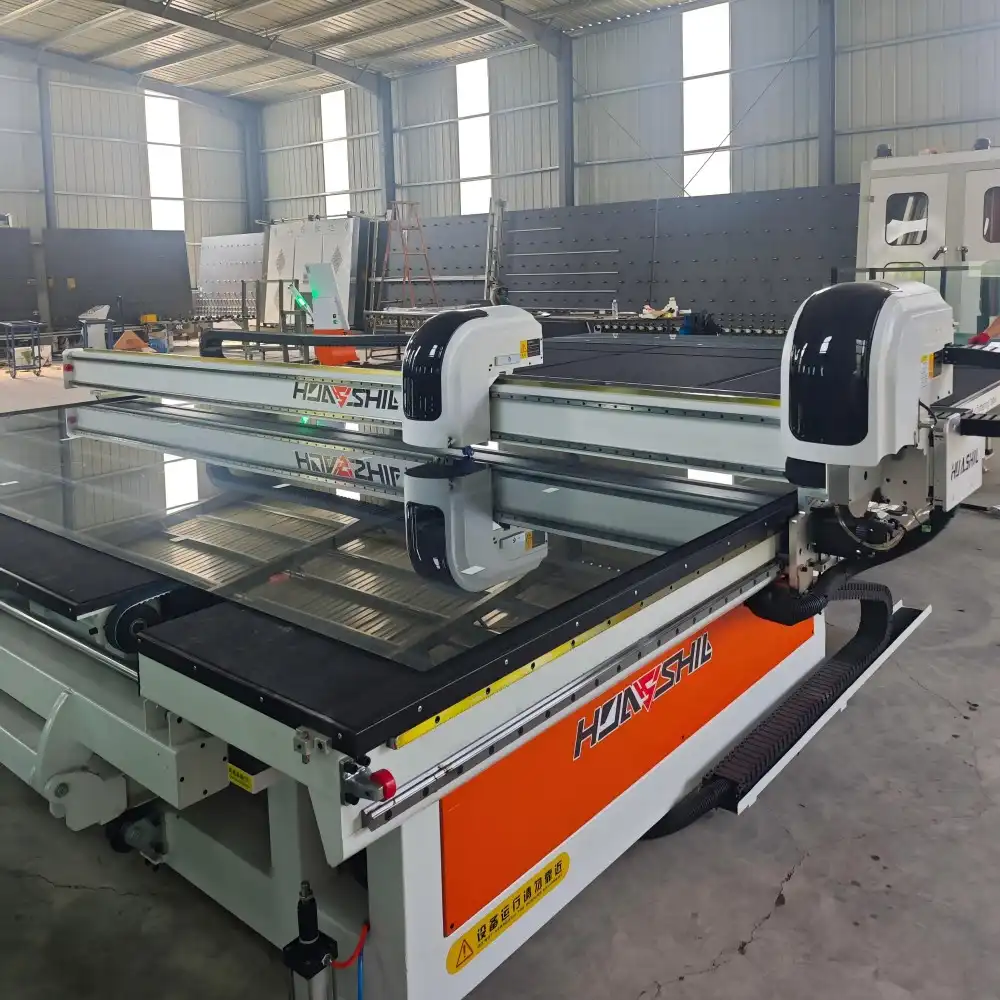
Air distribution is the biggest technological issue. The surface features precisely designed holes every 50–80 mm and 3–5 mm in diameter to balance air usage and lifting capability. Distribution pipes below the surface maintain pressure throughout the work area. This stabilises the surface during cutting when loads shift. Advanced versions include zone control that allows workers to switch on just the glass-holding table portions. This reduces air usage and noise.
The HSL-SPT3624's breaking table lets operators utilise regulated pressure to separate scored glass. This particular region can cut forms and operate with various glass materials without tools by changing height and pressure settings.
Automation Workflow from Loading Through Unloading
Modern air flotation tables work well with both upstream and downstream processes, so materials always move. When the plant's material handling system places glass sheets at the infeed edge of the flotation table, automatic filling processes start. Sensors find the panel and turn on the right flotation zones. Positioning guides make sure the panel is lined up correctly with the CNC cutting area. For facilities using a china laminated glass cutting machine, these air flotation systems are particularly valuable because they prevent interlayer slippage during positioning, ensuring that the glass and PVB or EVA interlayers remain properly aligned throughout the cutting cycle.
When the glass is ready to be cut, the CNC system takes over and coordinates the movement of the table with the cutting settings and tool tracks. The 360-degree remote control feature lets workers make small changes to the machine's position without entering its working area. This keeps them safe and improves the efficiency of setup. During cutting operations, the flotation system keeps support steady, so there is no movement or shaking that could affect the accuracy of the measurements.
The breaking table process starts when the cutting is done. Operators move the cut sheet to the breaking section using remote controls, apply separate force at the score lines, and move final pieces to stations for packing or edging. This streamlined process gets rid of several steps that need to be done by hand, which cuts down on cycle time and the risk of repetitive strain injuries.
Procurement Guide: Selecting and Integrating Air Flotation Tables for Your CNC Glass Cutting Line
Buying tools strategically strikes a balance between short-term output needs and long-term operating flexibility. When architectural glass makers plan to build new facilities or improve existing ones, they have to make a lot of choices that will affect their performance and profits for years to come.
Defining Your Operational Requirements
Start by putting numbers on the production factors that will determine the system's requirements. The table size is determined by the largest piece of glass that can fit on it. The HSL-SPT3624 can hold 3660 x 2440 mm of standard architectural panels, but bigger formats may be needed for curtain wall uses. The amount of automation and the difficulty of integration are affected by the throughput goals. The types of glass (float, laminated, tempered, and coated) affect the flotation pressure needs and the surface safety features.
Environmental factors should also be taken into account. Facilities in wet areas need air systems that can separate moisture better, while facilities in dusty areas need to have their filters serviced more often. Changes in temperature can affect how well compressors work and how stable the air pressure is, which could mean that machine rooms need to be climate-controlled. Total cost estimates are affected by these site-specific factors, which should be brought up in talks with suppliers right from the start.
Evaluating Suppliers and Technical Capabilities
Choosing a supplier is more than just looking at the specs of the equipment. It also involves technical help, the ability to make changes, and a promise of long-term service. Certifications from well-known companies like Shandong Huashil Automation Technology show how skilled they are. For example, the HSL-SPT3624 has CE and ISO9001 credentials, which show that it meets international quality and safety standards.
OEM and ODM skills are very important for curtain wall system installers and big manufacturers who need custom solutions. Check out the technical tools, prototype development methods, and track record of possible suppliers who have worked on complex integration projects before. Ask for case studies that show how the air flotation table was installed successfully in situations similar to yours. Pay special attention to the results of support and performance after the installation.
Integration Planning and Implementation
Production management, engineering teams, CNC system suppliers, and flotation equipment manufacturers must collaborate for integration to succeed. Set a project timetable for preparing the site, shipping the equipment, installing it, setting it up, and training the personnel. Custom configurations or first-time CNC system integrations need extra time in case of issues.
Site preparation generally takes longer than expected. Flotation systems need pressurised air, electricity for the compressors and controllers, and floor space to sustain their weight. Talk to facility engineers about energy demands early in planning to minimise schedule delays and unexpected expenses.
Special care is needed for operator training. Flotation tables simplify numerous tasks, but you must know how to utilise them to maximise their benefits. Comprehensive training should include routine operation, easy troubleshooting, preventive maintenance, and safety. Commissioning gives staff hands-on experience that increases confidence and forms strong work habits that enhance efficiency over time.
Conclusion
Combining air flotation tables with CNC glass cutting lines is a tried-and-true way to solve the problems with moving materials that slow down production, quality, and safety in modern glass manufacturing. The technology gets rid of surface damage, cuts down on breakage, and speeds up work by automating it seamlessly. With features like automatic loading, full flotation support, built-in breaking capabilities, and remote operation, models like the HSL-SPT3624 make operations more efficient and improve the quality of the product. When used with smart buying habits like carefully evaluating suppliers, checking for customisations, and planning the right way to integrate them, flotation systems give companies that make architectural glass, curtain walls, and furniture glass long-lasting competitive advantages in markets that are getting more and more competitive.
FAQ
1. How does air flotation enhance CNC cutting accuracy?
When air floats, there is no movement or shaking caused by friction, which can affect the accuracy of measurements during cutting operations. Air flotation tables keep the CNC tool path from deviating from the set coordinates by supporting glass panels on a flat air cushion instead of separate contact points. This stops small movements and bending that would otherwise happen. When working with thin glass, big panels, or complicated cut patterns that need tight tolerances, this steadiness is especially important. Manufacturers often see 30–40% less variation in dimensions after switching from roller conveyors to flotation systems. This directly leads to higher yield rates for precision building parts and car glass.
2. What routine maintenance does an air flotation table require?
Preventive repair is mostly done on the parts of the air system that keep flotation working well. Every 500 hours of use, compressed air filters need to be inspected, and if there is a drop in pressure or obvious contamination, they need to be replaced. In humid places, moisture separators need to be drained once a week so that water doesn't build up and damage the delivery lines. As part of the machine's quarterly maintenance, all air line connections are checked for leaks, pressure controls are calibrated, and orifices on the table surface are checked for blockages. Every year, the compressors need to be serviced according to the manufacturer's instructions, and the whole system needs to be tested for pressure to make sure that the floating is even across the whole table surface.
3. Can flotation tables be customised for different glass specifications?
Customisation is one of the best things about flotation technology, especially when you work with experienced manufacturers who can do both OEM and ODM. The sizes of the tables can be changed to fit building panels that are too big or special forms for furniture and home decor. Flotation pressure can be changed over a wide range to support glass thicknesses from 3 mm screens to 25 mm layered security panels. Speciality setups meet specific needs, such as explosion-proof systems for dangerous areas, designs that can be used in clean rooms for electronics, and heavy-duty models for processing solid stone. Including suppliers early on in the planning process makes sure that changes are made in a way that fits with the output needs and limitations of the building.
Partner with HUASHIL for Advanced Air Flotation Table Solutions
Shandong Huashil Automation Technology combines a lot of technical knowledge with a track record of making high-quality products to create air flotation table systems that make the process of making glass more efficient. Our HSL-SPT3624 model shows this dedication by including automatic loading, full flotation support, dedicated breaking functionality, and 360-degree remote control on a platform that is CE and ISO9001 approved. As a provider with a lot of experience, we offer full professional support from the initial design phase through installation and continued maintenance. This way, you can be sure that your investment will continue to improve performance.
Whether you're upgrading a single cutting line or automating your whole building, our team has the skills and industry knowledge to make sure that the system design meets your exact output needs. Email us at salescathy@sdhuashil.com to talk about your idea and get full technical proposals.
References
1. Anderson, J. M. (2021). Advanced Material Handling Systems for Architectural Glass Manufacturing. Industrial Glass Processing Journal, 45(3), 112-128.
2. Chen, L., & Rodriguez, M. (2022). Comparative Analysis of Glass Conveyance Technologies in Automated Cutting Lines. Journal of Manufacturing Automation, 18(2), 67-84.
3. European Glass Technology Association. (2020). Best Practices for Integrating Air Flotation Systems with CNC Glass Processing Equipment. Brussels: EGTA Publications.
4. Harrison, P., & Thompson, R. (2023). Precision Glass Fabrication: Equipment Selection and Process Optimisation. New York: Manufacturing Technology Press.
5. International Glass Processing Standards Committee. (2021). Safety and Performance Guidelines for Automated Glass Handling Systems. Geneva: IGPSC Technical Report 2021-07.
6. Williams, S. K. (2022). Total Cost of Ownership Analysis for Glass Processing Automation Investments. Glass Manufacturing Economics Quarterly, 29(4), 34-52.