




To choose the right glass measure table machine, you need to know how much you need to produce, look at the technical specs, and work with providers whom you can trust and who will help you. These automatic measurement systems have changed the way quality control is done in the glass industry by removing manual methods that aren't always accurate with well-designed solutions. Accurate glass measurement has a direct effect on material efficiency, product quality, and revenue, no matter if you are in charge of making building glass, curtain wall integration, or furniture. This complete guide walks you through important choice factors that will help purchasing managers, production directors, and technical engineers make smart investments that are in line with company goals and industry standards.
Understanding Glass Measure Table Machines: Key Features and Working Principles
Glass-measuring table machines are a specific type of automatic equipment that checks measurements, looks for flaws, and makes sure that production standards are met. Instead of using traditional tools or callipers, these systems use digital sensors, precise guides, and computerised data collection to make measurements that are the same every day on thousands of glass panels.
Core Technology Components
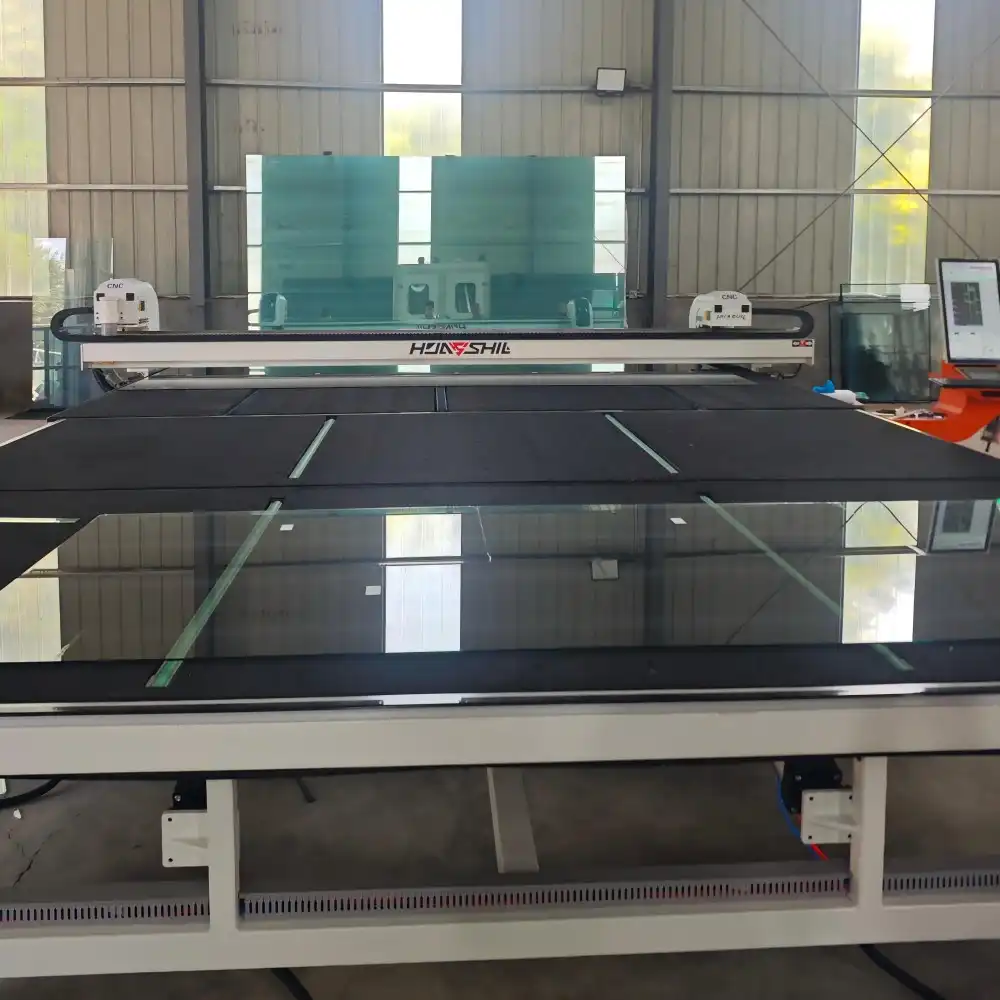
To get size information, modern measurement tables use optical sensors, laser distance meters, or mechanical tools. The machine's worktable acts as a stable reference plane and usually has an air float system that lets big sheets of glass move easily while they are being placed. Panels are moved into the measurement zone by synchronous belt conveyors. There, automatic edge-finding technology finds the edges of the glass within milliseconds. Estimation mistakes made by humans, which usually run from 2 to 5 mm when done by hand, are eliminated by this process.
Digital interfaces show measures in real time, compare them to goal specs, and instantly mark panels that aren't within tolerance. Optimisation software like Optima is built into more advanced models. It not only measures but also figures out the best cutting plans to reduce waste. With this combination, measurement goes from being a separate quality check to being a smart tool for planning production.
Manual vs. Automated Systems
In manual measurement setups, workers have to place the glass, take readings, and write down the data by hand, which takes time and can lead to mistakes. These jobs are done automatically by tools that get the job done in less than 30 seconds per panel. In high-volume settings that process more than 200 panels every day, where manual methods slow things down and cost more in labour, the robotic benefit is clear.
No matter how automated something is, calibration is still necessary. High-quality tools have built-in calibration methods that use approved reference standards to make sure they can be tracked back to national measurement centres. Buyers can be sure that machines with CE and ISO 9001 certifications will work well for a long time because they are carefully checked for accuracy.
Comparing Glass Measure Table Machines with Traditional Measurement Methods
In the past, measuring glass used tape measures, T-squares, and handwriting. These worked for small-scale artisan manufacturing but not large-scale manufacturing. These typical instruments may make errors due to parallax when reading scales, metal measures expanding and contracting at various temperatures, and unequal pressure when touching.
Switching to glass-measuring table equipment solves these issues by employing regulated settings and conventional processes. A correctly adjusted machine maintains accuracy within ±0.5mm throughout its operating range. In human approaches, this ranges from ±2mm to 3mm. Increased precision reduces labor and waste. Automatic measuring has reduced scrap by 15-20% in several operations.
Speed differences matter too. By hand, measuring a 3660x2800mm architectural glass panel takes three to five minutes, including putting it up, writing down several measurements, and checking for straightness. An automated table can save data and optimise in about 45 seconds. Because of this speed gain, quality control teams may now inspect every output instead of only statistical samples. This detects issues before they affect consumers.
Adjusting to diverse situations is another advantage. Digital systems can manage temperature variations using software algorithms, but metal measuring equipment can't since they expand and shrink. This modification maintains outcomes even when workplace temperatures shift with the seasons. The finest 2024 models offer climate-adaptive calibration that rapidly adjusts for temperature and humidity fluctuations between 10°C and 35°C.
Key Factors to Consider When Buying a Glass Measure Table Machine
The first step to a successful purchase is to make sure that the capabilities of the glass measure table machine you're buying are right for your needs. These things should help you decide what to look at and keep you from making expensive mistakes when matching machine features to production needs.
Production Volume and Capacity Requirements
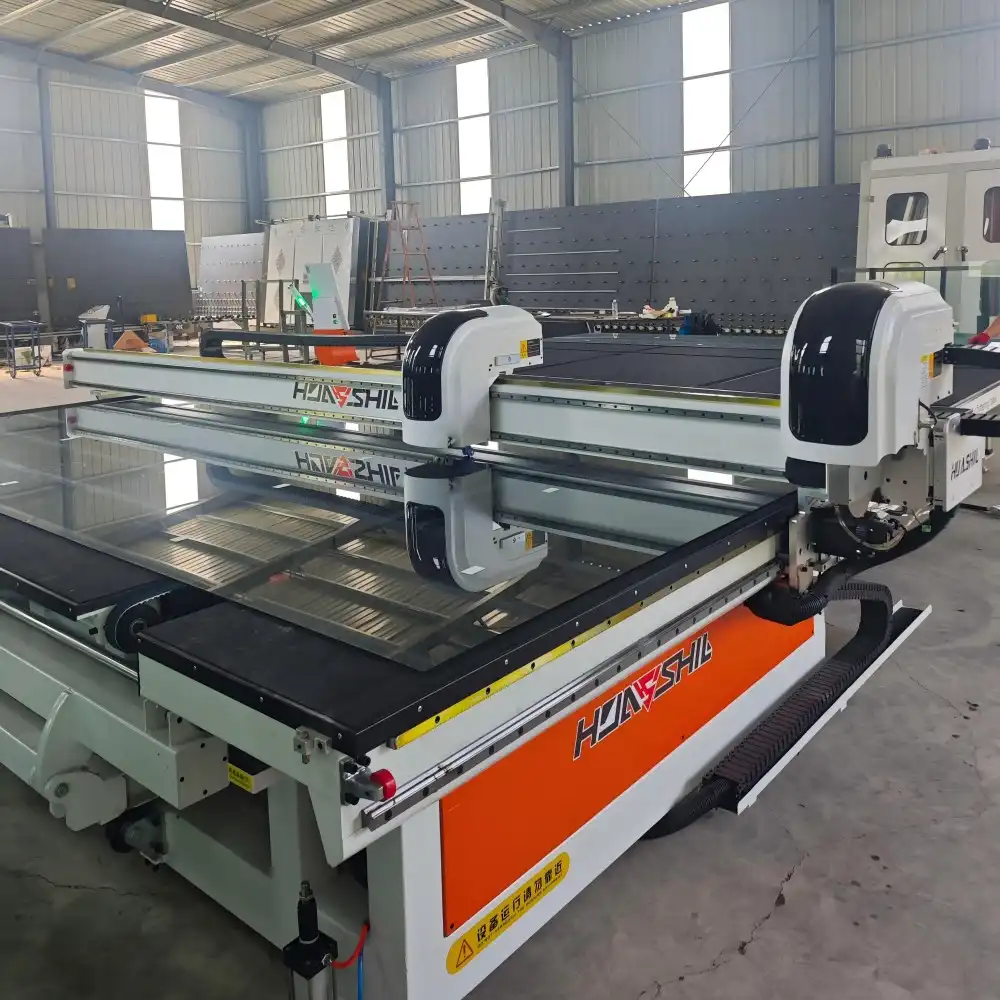
Be honest about your present and planned output. Semi-automated systems may be enough for facilities that process fewer than 50 panels per day, but fully automated lines with built-in elevators are needed for facilities that process more than 200 panels per day. The HSL-YTJ3829 type is good for medium to large architectural glass and curtain wall makers because it can handle glass sizes up to 3,660 x 2,800 mm and thicknesses between 2 and 19 mm. Its automatic filling and 360-degree remote control walking feature make it more comfortable while keeping up with production.
Divide the number of available shift hours by the goal output to get the needed cycle time. If your budget for quality control includes 20 seconds per panel, make sure that during supplier demos, possible machines consistently perform within this time frame.
Technical Specifications and Compatibility
Make sure your measurement range fits your items. Large building panel producers require tables above 4000 mm, whereas furniture glass manufacturers use smaller ones. No matter the thickness, specialised glass makers that operate with laminated or tempered items between 15 and 19 mm require instruments with higher ratings.
Software integration tests whether measurement data flows seamlessly into your production management systems. Optima software in increasingly complicated models integrates measurement data with cutting optimisation, nesting formulae, and inventory tracking. This link helps plant managers and expert supervisors monitor production in real time without manually entering data.
Certification and Supplier Reputation
CE certification implies it satisfies European safety and performance criteria. ISO 9001 accreditation signifies the manufacturer has design, manufacturing, and testing quality control systems. These certifications are excellent, but provider track records are equally important.
How long has the firm been in business, servicing your field? Shandong Huashil Automation Technology, which has automated glass handling for years, can tailor each application to its own demands, unlike generic equipment dealers. Request customer examples from comparable factories and contact them to inquire about uptime, technical support response time, and part availability.
Total Cost of Ownership Analysis
The purchase price is only one part of an investment that pays off over time. Figure out how much it will cost to own the equipment for as long as it is expected to last, which is usually between 10 and 15 years. This includes installation, user training, preventative maintenance, calibration services, and extra parts. When you buy machines with synchronous belt conveyors and air flotation systems, you should plan to spend 3–5 per cent of the purchase price a year on belt repair and air compressor service.
Coverage under a warranty has a big effect on the cost of ownership. At first glance, standard one-year guarantees may seem like enough, but longer coverage for important parts like optical sensors and control systems lowers the risk of losing money. Find out if the warranty covers repair on-site or if the equipment has to be sent back. The cost of shipping big industrial machines abroad can be over $5,000.
Procurement and Logistics: Buying Tips for B2B Clients
When buying a glass measure table machine from other countries, you need to pay close attention to the details of the contract, the processes of shipping, and the support systems that are in place after delivery. These useful tips keep you from making common mistakes when buying things.
Supplier Evaluation and Verification
Instead of buying equipment from third-party brokers who don't know much about technology or customer service, buy it directly from the maker or an authorised dealer. Check the business's credentials with commercial registries and ask for proof that they own the production plant. When it's not possible to visit a plant in person, video tours let you see how things are made and how quality is controlled.
Ask for full technical specs, such as the amount of electricity needed, the amount of compressed air needed, and the floor loading specs. These factors affect the cost of installation and may need to be changed for the building. For machines that need 480V three-phase power, transformers need to be installed in buildings that are wired for different standards. This can add extra costs that weren't planned for if the problem is found late in the buying process.
Contract Terms and Payment Structures
Talk about payment terms based on milestones that protect both sides' interests. A common structure is to require a 30% payment when the order is confirmed, 60% before shipping, and 10% after the installation and acceptance tests are complete. Letter of Credit (L/C) instruments protect the money in foreign deals, but they cost banks 1-2% of the order value more.
In buy contracts, make sure that acceptance factors are clearly stated. Set the ranges of measurement accuracy that are acceptable, the cycle time that must be met, and the software features that must be shown during testing. When equipment doesn't work the way the buyer thought it would after the sales conversation, unclear acceptance terms can lead to a disagreement.
Shipping and Setting Up Logistics
Large measurement tables that weigh between 2,000 kg and 5,000 kg may need special goods handling and may be subject to size fees. Get quotes for both FOB (Free on Board) and CIF (Cost, Insurance, and Freight) to see how the shipping costs are split. CIF terms put the responsibility for delivery on the sellers until the goods reach the port of destination. This makes handling easier for buyers who don't know how international freight works.
Plan installation times that take into account the time it takes to clear customs, which is usually between 5 and 10 working days for machinery coming into the US. Work with your suppliers to get installation experts or thorough assembly directions, because measurements are less accurate when they are not set up correctly. Allow three to five days for skilled installation and tuning check-ups before the production integration.
After-Sales Support Structure
Check to see if expert help is available in different time zones. Asian companies that do business with the US should offer English-language help during North American work hours, not just during their own time zones. Check to see if the parts you need are available and how long it usually takes to send them. Important parts like sensors and encoders should ship within 48 to 72 hours to keep production running smoothly.
The amount of information covered in training has a big impact on work success. Suppliers should give hands-on training on how to do regular tasks, fix simple problems, and do preventative maintenance. Video training tools go along with in-person lessons and can be used as a reference when staff members leave. Talk about training packages for three to five workers so that you don't have to rely on outside techs.
Ensuring Quality Control with Your Glass Measure Table Machine
Adding a glass measure table machine to quality assurance processes changes finding defects after the fact into controlling the process before it happens. This planned method cuts down on waste and boosts customer trust by showing that compliance is being met.
Workflow Integration Strategies
Instead of putting measurement tools at the end of production, put them in key spots during production. By measuring right after cutting, workers can make changes to the equipment before whole batches are processed incorrectly. According to industry standards, this upstream placement finds measurement mistakes in minutes instead of hours, cutting scrap costs by 40 to 60 per cent. For sintered stone cutting machine operations, this real-time feedback is especially critical, as material hardness variations can cause tool deflection or edge chipping that may not be visible until after the cutting cycle is complete.
Link measurement data to systems that keep track of production to make records that can be used to connect particular panels to processing parameters. When a customer complains, this data lets us quickly find the root cause and figure out whether the problem was caused by bad cutting, bad handling, or bad materials. Such diagnostic ability cuts down on the time it takes to solve problems and stops them from happening again by taking specific corrective actions.
Calibration and Maintenance Protocols
Set up calibration plans based on how often the equipment is used and what the maker recommends. For high-volume operations that measure more than 300 panels every day, accuracy should be checked once a month using approved reference standards. For lower-volume operations, the check should be done every three months. Keep track of all calibration activities by writing down the date, the name of the technician, the serial number of the reference standard, and the recorded deviations. These records are needed for ISO 9001 checks and customer quality reviews.
Preventive repair keeps things working correctly and makes them last longer. Cleaning the glass touch areas and checking the air flotation system pressure are daily jobs that take 10 to 15 minutes. As part of weekly maintenance, the tightness on the belt is checked, and the sensor lenses are cleaned. As part of monthly maintenance, guide rails need to be greased, and the accuracy of software backups needs to be checked. Studies on repair dependability show that these regular tasks stop 80% of unplanned downtime.
Performance Monitoring and Continuous Improvement
Track important performance factors, such as the time it takes to measure something, the results of checking its accuracy, and any downtime that happens. Every three months, look at the trends to find patterns of decline before they affect production. Rising cycle times may mean that the belts are wearing out or that there are problems with the compressed air supply. Accuracy drift means that the sensors need to be calibrated or are getting old.
To figure out how much a process can do, compare measurement data to the choices for the cutting machine. If measured dimensions regularly deviate from programmed values beyond acceptable ranges, you should look into whether the cutting equipment is calibrated instead of taking measurement differences. This scientific method improves the efficiency of whole production lines instead of just a few pieces of equipment.
Conclusion
Purchasing the right glass measuring table machine improves the speed of production, cuts down on material waste, and makes quality control stronger. A good procurement process strikes a balance between technical requirements and seller dependability. This makes sure that the equipment meets your business needs and provides long-term support. The HSL-YTJ3829 model has a lot of advanced features, such as automatic loading, edge finding, and software integration for optimisation. It can be used for making ornamental glass, curtain walls, and furniture. Checking certifications, figuring out clear acceptance criteria, and figuring out the total cost of ownership all help protect your investment and build relationships that last beyond the initial delivery of tools and into ongoing operational success.
Frequently Asked Questions
1. How often should we calibrate our glass measurement equipment?
How often you calibrate depends on how often you use it and how important the measurements are. For facilities that process more than 200 panels per day, accuracy checks should be done once a month using traceable reference standards. For lower-volume operations, the checks should be done every three months. It is important to recalibrate right away after any physical damage, moving, or long periods of storage. It is required by ISO 9001 and customer audit requests to keep calibration logs that record dates, expert credentials, and recorded deviations. Self-diagnostic automated systems let workers know when readings go outside of acceptable ranges, which requires unplanned calibration.
2. Can measurement tables accommodate non-standard glass shapes?
Modern glass-measuring table machines can handle odd forms with automatic edge-finding technology that follows the edges of glass, no matter what its shape is. Optical sensors or mechanical probes are used by the machine to find edges and figure out key measurements, even for panels that are curved or notched. Extremely uneven surfaces, on the other hand, might need special fixtures to keep the glass stable while it is being measured. Talk to providers about specific shape needs during buying to make sure everything works together, and talk about possible customisation options for special uses.
3. What advantages do fully automated systems offer compared to manual measurement?
Automated measurement tables give accurate results within ±0.5mm, no matter how skilled the user is. On the other hand, parallax mistakes and inconsistent technique make human methods vary by 2–5mm. Improvements in speed are also very important. Automatic systems can take readings in less than 45 seconds, while it would take 3–5 minutes to do them by hand, which means that 100% checking is possible instead of statistical sampling. Another important benefit is that automated systems can log results straight into production management software. This gets rid of transcription mistakes and lets engineering managers and production directors check on quality in real time.
Partner with HUASHIL for Advanced Glass Measurement Solutions
HUASHIL has decades of experience in automating glass processes, and its glass measure table machines are built to be accurate and reliable in tough industrial settings. Our HSL-YTJ3829 model has automatic loading, pressure control, and Optima optimisation software. It can handle glass sizes up to 3660 x 2800 mm and thicknesses ranging from 2 to 19mm, which makes it perfect for making ornamental glass and curtain walls. Our CE and ISO 9001 certifications show that we are committed to high standards that are recognised all over the world.
As a well-known company that makes glass measuring table machines, we offer full help, including overseeing the installation process, teaching operators, and providing quick technical support. Our synchronising belt conveyor systems and air float technology make sure that the glass is handled carefully, which lowers the risk of breaking it and keeps the accuracy of the measurements. Email our technical team at salescathy@sdhuashil.com to talk about unique solutions that meet your production needs, get full specs, or set up a display of our equipment. We offer cheap prices, easy payment options, and reliable service after the sale to help your business succeed.
References
1. Smith, J. & Anderson, K. (2023). Precision Measurement Technologies in Glass Manufacturing. Industrial Automation Press.
2. Chen, L. (2022). "Automated Quality Control Systems for Architectural Glass Production." Journal of Manufacturing Process Engineering, 45(3), 178-192.
3. Thompson, R. (2024). Equipment Selection Guide for Glass Processing Facilities. Technical Publishing International.
4. Morrison, D. & Park, S. (2023). "Cost-Benefit Analysis of Automated Measurement Systems in High-Volume Glass Fabrication." Industrial Engineering Quarterly, 31(2), 245-261.
5. International Glass Manufacturing Association (2023). Quality Standards and Calibration Requirements for Glass Measurement Equipment. IGMA Technical Report 2023-08.
6. Williams, P. (2022). Optimising Production Efficiency Through Advanced Measurement Technology. Manufacturing Excellence Publications.