




For production managers and buying workers to choose the best cutting laminated glass machine, they need to know the difference between film heating and blade separation technologies. Film heating uses controlled heat to smooth the interlayer, which is usually made of PVB or EVA. This lets the layers separate precisely without hurting the sides of the glass. Blade separation uses special cutting tools that go through the laminated body automatically. Both ways work reliably, but picking the right one relies on how much is being made, the range of glass thicknesses, the cost of running the business, and the amount of automation that is wanted.
Understanding Laminated Glass Cutting Technologies
Laminated glass is made up of several layers of glass that are bound together with polymer interlayers. This makes a hybrid material that is safer and stronger. This building method is important for safety measures, car windscreens, and architectural windows. But because it is stacked, cutting it presents special problems that regular glass-cutting tools can't solve well.
Why Laminated Glass Requires Specialized Cutting Solutions
Standard glass cuts can neatly score and break single-layer glass, but they can't do that with laminated glass because the bendable interlayer holds the broken pieces together. If you try to push them to separate, you will get delamination, rough edges, and weaker structures. The interlayer is usually between 0.38 mm and 1.52 mm thick. To make clean cuts without damaging the edges or creating stress cracks inside the material, it needs to be either heated or pushed through mechanically.
Film Heating Technology Explained
Film heating tools put controlled heat right on the area between the layers along the cutting line. The heat weakens the polymer, which makes it easier for the glass layers to separate without sticking together. More advanced models have exact temperature control systems that change how much heat is released based on the thickness and makeup of the interlayers. This method keeps the edge quality while reducing the heat shock to glass surfaces. Film heating can handle processing speeds of up to 100 meters per minute, making it perfect for high-volume production settings that need uniform quality across a range of glass thicknesses, from 3+3mm to 8+8mm.
Blade Separation Technology Explained
Blade separation systems use cutting tools with diamond coatings or carbide reinforcements that are made to cut through composite structures. Positioning devices controlled by a computer lead the blade as it cuts through both layers of glass and the interlayer at the same time. Photoelectric sensors make sure the blades are in the right place, and the pressure on the blades can be changed to fit different sizes of glass. This mechanical method works well in tough production environments, especially when working with thicker layered parts or materials that have more than one interlayer.
Comparative Performance Analysis
Film heating works best in situations that need a smooth edge finish with few microfractures. The heating method keeps mechanical stress from building up, which lowers the chance of breaking later on while being handled or installed. The amount of energy used depends on the thickness and material of the layers between them, but current systems make the best use of heat distribution to keep prices low.
Blade separation speeds up the setup process and makes upkeep easier. Replacement of blades is based on expected wear patterns, which lets production planners plan for part changes to happen during planned breaks. This technology works well with a lot of different types of materials, like laminated glass with artistic layers or special finishes that might react differently to heat processing.
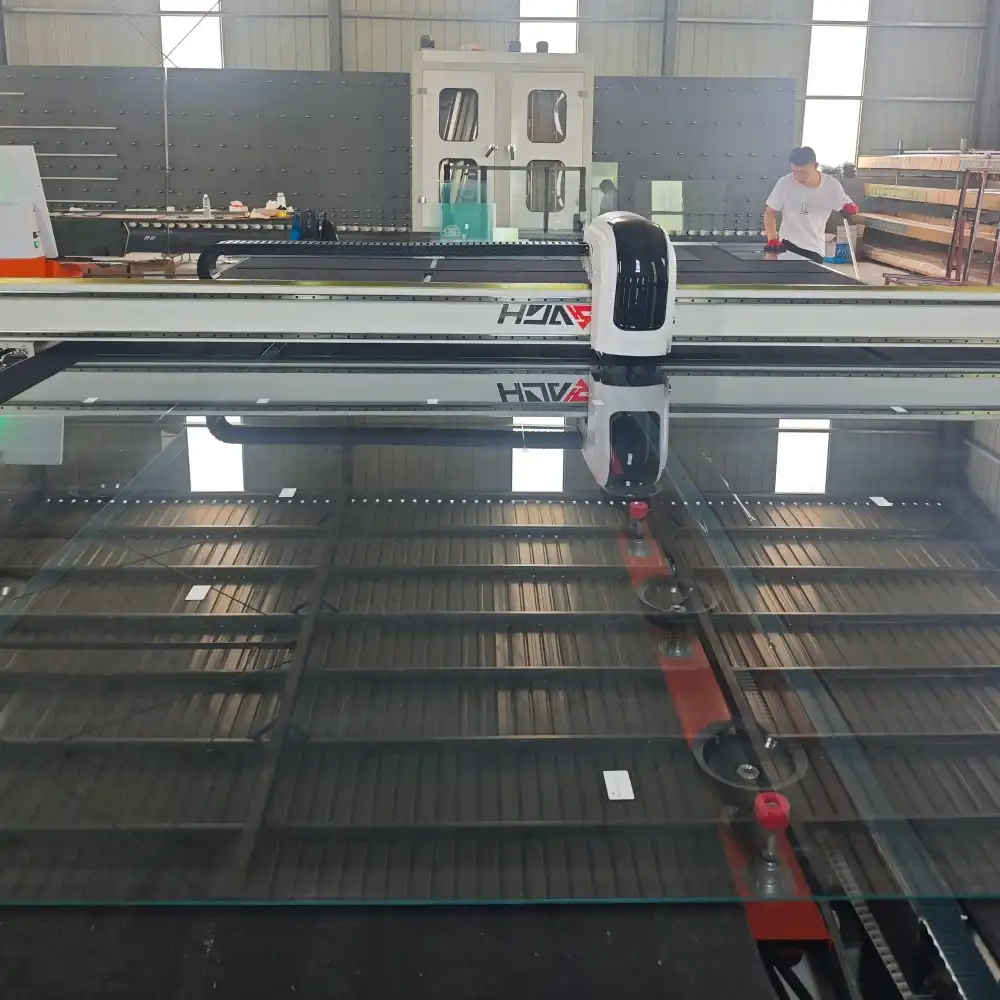
Technical Features and Benefits of Film Heating and Blade Separation Machines
The ability of tools to meet working needs is directly related to how efficiently it produces goods. Working with architectural glass makers and curtain wall installers across North America has shown us that choosing the right technology can lower the total cost of ownership while also making the quality of the product better. For fabricators processing safety glass and acoustic interlayers, selecting the appropriate cutting laminated glass machine ensures clean edge separation without delamination, reducing rework rates and material waste that would otherwise erode profit margins on high-value projects.
Film Heating Machine Specifications and Advantages
Film heating systems now offer several characteristics that improve production reliability. Temperature control systems maintain precise heating zones within ±2°C. Keeping the glass cool prevents harm to the surface or layer color. Automated filling systems adjust cutting speed to provide consistent handling regardless of competence.
The primary production advantages of the film heating technique are:
Quality consistency: Thermal processing removes mechanical stress that causes minor edge defects. Glass remains structurally sound following handling, heating, and installation. This reduces warranty claims and repair expenses.
Material Versatility: Heating the film works with PVB, EVA, and SGP without changing tools or mechanical adjustments. Working with various materials rapidly changes temperature profiles. This helps you produce more things without buying extra equipment.
Heating elements break down in predictable ways and don't have many moving parts to wear out, requiring less maintenance. Scheduled repairs go beyond mechanical cutting systems. Maintenance labor and parts inventory costs decrease.
These advantages help plant managers manage equipment upgrades and expansions. Film heating technology supports autonomous production lines and lean manufacturing while fulfilling architectural and automobile glass quality criteria.
Blade Separation Machine Specifications and Advantages
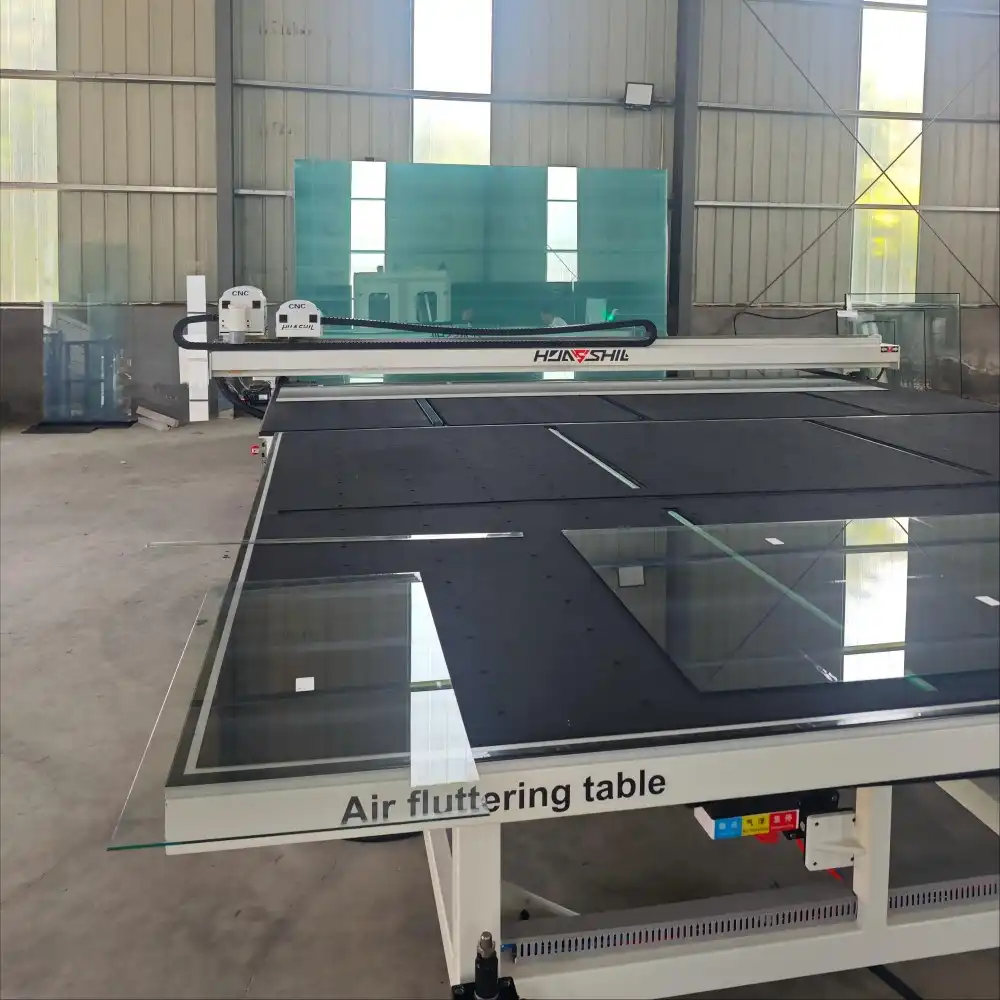
Blade-based devices perform well in high-throughput environments. Strong structure allows ongoing usage, and modular design simplifies part replacement during maintenance openings. CNC control systems provide precise pattern cutting for handcrafted furniture and ornamental glass panels.
Blade separation allows processing without waiting for the blades to warm up, simple connection with present cutting lines, and predictable consumable costs based on blade life estimations. Procurement managers want operating cost predictions before buying capital instruments.
Machines measuring 4700 x 3100 x 840 mm can handle sheets up to 3800 mm while fitting with contemporary building layouts. With work table heights of 820mm±50mm, operators may handle materials comfortably and avoid fatigue during extended production runs. Photoelectric positioning devices provide precise cutting in limited ranges for construction projects that need precise measurements.
How to Choose Between Film Heating and Blade Separation Machines
To choose the right technology, you need to do a thorough analysis that is in line with your output needs and long-term business goals. Before suggesting capital investments to senior approval groups, engineering managers should look at a number of factors.
Evaluating Production Scale and Volume Requirements
Businesses that work with less than 500 square meters of space every day may find that blade separation systems give them enough flow without the bigger original investment that comes with film heating technology. Film heating's faster working speeds and lower per-unit costs at bulk are good for facilities that want to cover 1000 square meters or more every day.
Material specs have a big impact on the choice of technology. Either way works well for production runs that focus on standard PVB interlayers that are between 0.38 mm and 0.76 mm thick. Film heating is often needed for controlled processing of complex systems with many interlayers or specialised sound-dampening films.
Budget Considerations and Total Cost Analysis
The initial cost of buying tools is only a small part of the total cost of ownership. When comparing technologies, procurement managers need to look at how much energy they use, how much they cost in consumables, how much upkeep work it takes, and how long the technologies are expected to last. Blade separation systems usually have lower initial costs, but they need to have their cutting heads refurbished on a regular basis, and new blades have to be bought.
When used in high-volume settings, film heating equipment has cheaper per-unit running costs even though it costs more to buy. Maintenance times get longer, and costs for consumables stay low after the heating element is replaced every 18 to 24 months, based on how often it is used. When planning operations that run on multiple shifts, facilities should not only look at the purchase price but also the total cost of ownership over five years.
Matching Technology to Industry Applications
Film heating gives architectural glass makers who care about edge quality for exposed projects a better finish when using a cutting laminated glass machine. The mechanical reliability of blade separation is helpful for auto glass makers who need steady performance in a variety of environmental situations. Furniture makers who make custom forms like CNC-controlled blade systems can cut complicated patterns without having to use special tools.
Picking a supplier is just as important as picking a tool. Operational risks are lower when you buy from well-known companies that offer full after-sales support, easy access to extra parts, and expert training programs. Companies that offer OEM customisation make it possible for production lines to be customised to meet the needs of specific workflows. This helps companies stand out in niche market segments.
Maintenance Tips and Safety Precautions for Cutting Laminated Glass Machines
The length of time that equipment lasts depends on how well it is maintained and how well operators follow safety rules. When production leaders use structured preventive maintenance programs, machines last longer and have less unwanted downtime.
Routine Inspection and Maintenance Protocols
Cutting precision should be checked every day by comparing sample pieces to the specs. To keep their location accuracy, photoelectric sensors need to be cleaned, especially in places where dust or glass particles are in the air. According to the maker, lubrication points need to be checked on a regular basis—usually once a week for setups that get a lot of use.
Looking at the wear patterns on the blade lets you know when it needs to be replaced before the quality starts to decline. Tracking blade life through production number measures lets you order in advance, so you don't have to wait for supplies to arrive. Film heating systems need to have their temperature sensors calibrated on a regular basis to make sure that the thermal control stays within the acceptable ranges.
Troubleshooting Common Operational Issues
Wearing out cutting parts or using the wrong processing settings can often lead to a loss of edge quality. If blade systems are breaking more, they should be inspected right away, because keeping them running hurts glass surfaces and raises the rate of scrap. If a film heating unit gives you mixed results, you may need to change the temperature setting or check the heating element.
Most of the time, sensor contamination or mechanical guide wear is to blame for automated placement mistakes. Most centring problems can be fixed by cleaning the optical parts and checking the guide rails for mechanical wear that needs to be fixed or replaced. Keeping detailed repair logs helps find problems that keep happening and backs up guarantee claims when parts fail before they should.
Safety Guidelines and Compliance Standards
When teaching operators, they need to be taught the right way to handle materials so that they don't get hurt by equipment pinch points or sharp edges. Every month, emergency stop controls should be tested to make sure they work properly and respond right away in case of an emergency. Machine guards must stay in place while the machine is running, and interlocks must be used to keep people from getting to moving parts while the machine is on.
Safety compliance includes more than just protecting the user. It also includes making sure there is enough airflow when working with materials that give off fumes when they are heated. Local governments must be followed when it comes to environmental rules about how to get rid of broken glass and cleaning solutions. To avoid having to make expensive changes during installation, procurement managers should make sure that the equipment specs list all the safety certifications that are needed for the target markets.
Industry Trends and Future Outlook of Laminated Glass Cutting Machines
The glass fabrication industry is still changing as it moves toward more technology- and data-driven output optimisation. Procurement workers can make investments that will help their companies stay competitive in the long run by understanding new technologies.
IoT Integration and Predictive Maintenance
Connected machines send information about their performance to central monitoring systems. This lets these systems keep track of production in real time and find problems early on. Vibration monitors find worn bearings before they break, and thermal tracking finds heating elements that are losing their effectiveness. Compared to reactive repair strategies, this proactive method cuts down on unexpected downtime by 30 to 40 percent.
Cloud-based analytics systems collect data from many computers and find ways to improve things that individual programmers might miss. Production managers can see how much equipment is being used, which helps them make smart choices about how to increase capacity or change the way work gets done. Integration with enterprise resource planning tools makes it easier to plan upkeep and buy supplies.
Market Dynamics and Procurement Flexibility
The architectural glass market is growing because people want to build with materials that use less energy. This means that more high-quality cutting laminated glass machines are needed. When automakers switch to bigger windscreen forms, they need cutting systems that can handle longer dimensions while still being accurate. These forces in the market push equipment makers to make tools that can change over more quickly and with more freedom.
Instead of buying things outright, you can lease them or sign a performance-based service contract. Smaller fabricators can use modern technology without having to make big investments up front, and when they need to increase output, established businesses have less of an impact on their balance sheets. In places where customers' budgets are very different, suppliers who offer flexible purchasing choices have an edge over their competitors.
Conclusion
Before choosing between film heating and blade separation methods, you need to carefully look at your production needs, quality standards, and the limits of your operations. Film heating gives you better edge quality and more material options, which makes it perfect for large-scale businesses that need to work with a variety of cutting laminated glass machine shapes. Blade separation gives strong mechanical performance and easy upkeep, making it ideal for places that value reliable equipment and stable running costs. Both technologies have their own benefits when they are used in the right way for the job. Instead of just looking at the original purchase price, smart sourcing choices take into account the total cost of ownership, the ability of the seller to support the product, and how well it fits with long-term production plans.
Frequently Asked Questions
1. What factors most significantly impact the operating costs of a cutting laminated glass machine?
The main ongoing costs are energy use, the regularity with which consumables need to be replaced, and upkeep labour. During thermal processing, film heating systems use power, but they only need a few products, such as replacing the heating element every so often. Blade separation systems use less energy, but the cutting heads need to be fixed up every so often, and the blades need to be changed regularly. Instead of only looking at hourly running rates, facilities with multiple shifts should figure out how much each unit costs based on how much they plan to produce each year. Cost modelling tools offered by suppliers help procurement teams make correct five-year projections that include all types of running costs.
2. How frequently do cutting machines require maintenance interventions?
Each machine needs to be cleaned and inspected every day for 15 to 20 minutes. Lubrication and a thorough check once a week take about an hour. Every 40 to 60 hours of cutting time, based on the hardness and thickness of the material, the blade needs to be replaced. In film heating systems, the heating element needs to be replaced about every 18 to 24 months. It takes 4-6 hours per machine to do a full repair once a year, which includes mechanical adjustments and calibration checks. When compared to reactive maintenance, organised preventive maintenance leads to 60–70% less unexpected downtime in facilities.
3. Can these machines integrate with existing automated production lines?
Standard industrial communication methods, such as Ethernet/IP, Profibus, and Modbus, can be used with modern cutting systems to connect them to production line controllers and business systems. Different designs of material handling points can be used with conveyors, and programmable logic controllers can receive orders from equipment further up the line. Custom integration that needs special connections could make installation take longer and cost more. Talking to sellers about integration needs during the review of the procurement process ensures compatibility and a reasonable project schedule.
Partner with HUASHIL for Your Glass Processing Solutions
We at Shandong Huashil Automation Technology Co., Ltd. know that buying high-tech cutting laminated glass machines is a long-term investment that will have an effect on how well we can make things for years to come. Our tech team brings decades of experience with automation to every job, and they can make solutions that fit your exact processing needs. We offer trustworthy partnerships with cutting laminated glass machine suppliers that come with full technical support, whether you're in charge of an architectural glass fabrication plant that needs high-speed film heating technology or a furniture manufacturing plant that needs flexible blade separation capabilities.
Our machinery can handle glass thicknesses ranging from 3+3mm to 8+8mm, with layering thicknesses ranging from 0.38mm to 1.52mm, and working lengths ranging from 300mm to 3800mm. With photoelectric tracking, you can be sure of accuracy while keeping the cutting speed at up to 100 meters per minute. Production managers, engineering directors, and procurement professionals can email our team at salescathy@sdhuashil.com to get full technical specs, talk about customisation, and get prices that are based on the number of units you need to produce.
References
1. Anderson, M. R., & Thompson, J. L. (2021). Advanced Glass Processing Technologies: Manufacturing Efficiency and Quality Control. Industrial Materials Press.
2. Chen, W., & Rodriguez, P. (2022). Comparative Analysis of Thermal and Mechanical Laminated Glass Separation Methods. Journal of Manufacturing Science and Engineering, 144(8), 081005.
3. European Glass Manufacturing Association. (2023). Technical Guidelines for Laminated Glass Fabrication Equipment. Brussels: EGMA Publications.
4. Harrison, K. D. (2020). Automation in Architectural Glass Production: Equipment Selection and Integration Strategies. New York: Construction Technology Publishers.
5. National Glass Association. (2022). Safety Standards for Glass Processing Equipment Operations. Vienna, VA: NGA Technical Publications.
6. Zhang, L., Kumar, S., & O'Brien, T. (2023). Predictive Maintenance Strategies for Automated Glass Cutting Systems. International Journal of Advanced Manufacturing Technology, 126(5-6), 2347-2361.