




Knowing load capacity standards while selecting glass handling instruments is essential for safe, efficient manufacturing. An air flotation table must securely retain the biggest pieces of architectural glass while moving it smoothly over the work area. Industry norms provide load limitations between 500 kg and 2,000 kg, but glass thickness, dimension, and application determine actual requirements. These criteria ensure equipment functions and safeguard materials and personnel throughout everyday manufacturing cycles.
Introduction
Pressure is mounting on glass plants to increase production while reducing failures and labour expenses. The glass loading and handling system is an essential aspect of contemporary glass processing lines that many people ignore until production difficulties arise. Architectural glass, curtain wall panels, and furniture glass travel differently across production facilities thanks to air flotation tables.
Plant managers choosing tools and engineers planning production depend on load capacity criteria. If your table can't hold your biggest glasses, get another one immediately. One with a higher rating than you require will raise capital expenditures without adding value.
We've dealt with North American glass makers that acquired equipment primarily on pricing but couldn't handle their purchasers' larger panels. This article discusses technical specifications, industry norms, and important considerations for procurement teams considering air flotation devices for moving glass.
Understanding Air Flotation Table Load Capacity in Glass Processing
Load capacity in glass handling equipment is the heaviest and largest piece of glass that the system can safely move and work with without losing its effectiveness. This is very different from the steady weight numbers you might see on building parts.
Defining Operational Load Parameters
Functional capacity in glass handling systems depends on three interrelated elements. The weight capacity of an air cushion indicates how much weight it can support while maintaining height. The air flotation table's greatest length and breadth of surface area often indicate its largest glass dimensions. Material thickness impacts how the air pressure system adjusts to maintain the glass weight per square metre.
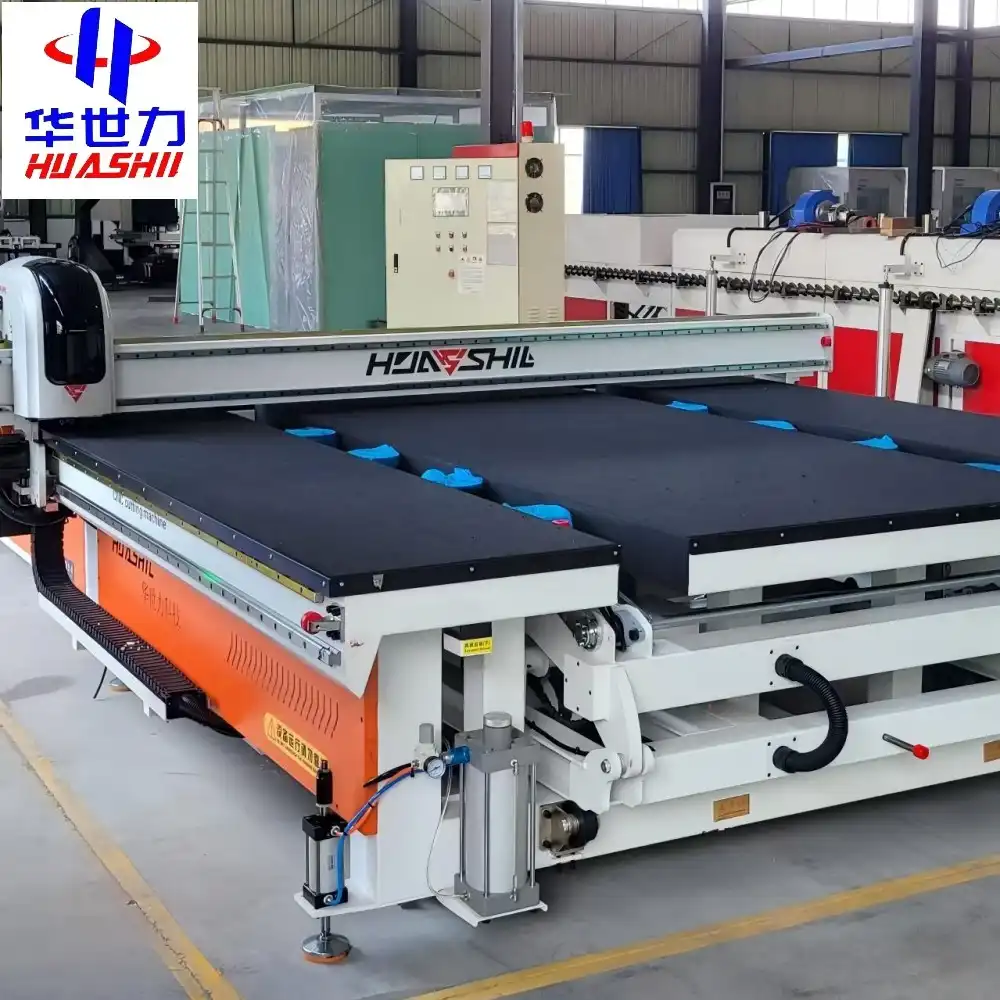
The HUASHIL HSL-SPT3624 model can accommodate glass panels up to 3660mm x 2440mm in size. These are typical North American architectural glass sheet sizes. This range of capabilities suits the demands of curtain wall and window manufacturers using large glass panels.
Industry Standards Governing Load Specifications
International associations develop safety and efficiency standards for glassworking equipment. Glassworking tools must meet ISO 12543 safety requirements, including weight limits. OSHA regulates material handling tool safety in the US. System tests typically need 150% of their rated capacity.
The HSL-SPT3624 satisfies rigorous European CE certification standards. These criteria include thorough load testing with dynamic loading scenarios that simulate production. These certifications provide procurement teams with confidence that the equipment fulfils safety requirements rather than merely the maker's claims.
Why Load Capacity Matters for Production Efficiency
Tools with the correct load capacity affect operational parameters that plant managers monitor. Undersized systems force workers to lift heavy glass by hand, defeating automation and increasing breakage risk. Bigger systems may look superior, but they add complexity and maintenance costs that boost ownership costs.
Glass fabricators that make home windows and commercial curtain wall panels require several instruments. A system rated for its greatest expected loads eliminates production issues with large bespoke orders, maintaining throughput regardless of task requirements.
Key Factors Influencing Air Flotation Table Load Capacity
Multiple scientific and operational factors determine how much weight a glass flotation system can reliably handle during production cycles.
Structural Design and Material Selection
The table frame must distribute the glass's weight evenly throughout the supporting elements and prevent them from bending and affecting the float. Heavy-duty steel structure offers giant glass panels strength, and the surface material must be able to withstand glass contact.
The air holes on the air flotation table surface determine how uniformly the floating cushion supports the glass weight. To distribute pressure uniformly, thin glass that may droop between support points needs holes closer together. The HSL-SPT3624's hole designs are optimised for its size range.
Air Supply System Specifications
Compressor size and air pressure control restrict a floating table's weight. Heavy glass strikes the tabletop when the air volume is low, generating friction and defeating floating. Pressure controls must maintain flow even when glass weight varies as panels are added and removed from the table.
Modern pressure monitors automatically adjust airflow depending on glass weight. This maintains optimal flotation height regardless of load. This gear eliminates the need for people to manually adjust pressure for various kinds of glass, which may cause errors.
Glass Characteristics and Processing Variables
Different types of glass pose different load problems that go beyond just figuring out the weight. Comparing laminated glass to solid glass of the same thickness, the weight is concentrated in smaller areas. To keep the coating from getting damaged, low-E-coated glass needs to be handled more carefully. This can mean that the floating pressure needs to be lowered, which can affect the glass's useful capacity.
Changes in temperature in production areas have an effect on how hard the glass is and how well the floating system works. When glass is cold, it bends differently than when it is at room temperature. This means that facilities without climate control may need to change their capacity during the winter.
Comparing Air Flotation Table Load Capacities Across Applications
Different capacity requirements are needed for glass processing applications, depending on the goods being made and the amount of output that needs to be produced.
Architectural Glass vs. Automotive Glass Processing
When making architectural glass, the glass usually has bigger measurements but more consistent size designs. Curtain wall panels and business window units all come in standard modular sizes, which lets planners plan their spaces around known maximum sizes. The 3660mm × 2440mm capacity range covers the most common sizes of architectural glass sheets used in North American building projects.
When working with automotive glass, smaller pieces are handled, but the sizes need to be changed more often, and the flow rate needs to be higher. It's not the highest weight that changes the load capacity needs, but how often the air flotation tables need to be cycled and how precisely they need to be placed.
Small-Scale Furniture Operations vs. High-Volume Production Lines
Shower door and furniture glass makers often work with medium-sized pieces that need to be able to hold a modest amount of weight but be very flexible. With its 360-degree remote control walking function, the HSL-SPT3624 is a flexible system that gives these operations the freedom they need to handle different custom measurements throughout the day.
High-volume window factories try to keep their capacity steady over long production runs. Flotation systems designed for specific size groups help these sites because they use less energy and air than universal systems that are too big for their needs.
Integration with Breaking and Cutting Operations
When thinking about load capacity, you need to think about more than just moving glass. Flotation tables that can also break must be able to hold glass while it is being scored and snapped without shaking or moving, which could affect the quality of the cut. This method of using multiple functions is shown by the breaking table built into the HSL-SPT3624 design. It provides stable support while cutting.
Equipment that does both loading and breaking is stressed in different ways than systems that only move things. The combined working loads during breaking mean that the structure needs to be strengthened so that it doesn't bend and make the cut less accurate.
Best Practices for Maintaining and Optimizing Load Capacity
Even properly specified equipment requires ongoing attention to maintain rated capacity throughout its service life.
Routine Inspection Protocols
Visual checks should be done once a month to look for harm to the air flotation table's surface, air holes that are blocked by glass dust or other debris, and structural parts that are showing signs of stress or deflection. These quick checks keep small problems from getting worse and becoming safety or capacity issues. Leaks in compressed air lines need to be checked on a regular basis because they lower the pressure and load capacity that is available.
Qualified techs should do full inspections of the system once a year. These should include testing the pressure to make sure it still works at full capacity, checking the support frames' structural stability, and checking how well the compressor is working. Keeping records of these checks helps companies follow the rules and find patterns of wear and tear before they affect production.
Operating Within Design Parameters
The best way to keep volume at a reasonable cost is to train operators. Technicians need to know that going over the stated measurements or weight limits can damage equipment right away and put people in danger. Labels that make it clear what the highest capacity is at operator stations help to enforce these limits.
Some fabricators use digital load tracking systems that let workers know when they are getting close to their capacity limits. Even though they cost more at first, these systems keep facilities from having to deal with the expensive effects of overloading, which is especially important for places that process a lot of different types of glass.
Capacity Enhancement Through Strategic Upgrades
Facilities that are growing may run into load capacity issues as customer requests for bigger glass sizes change. Adding extra air supply systems or increasing the size of the compressor can increase the useful load range without having to replace the whole air flotation table. These focused changes increase capacity at a fraction of the cost of replacing the whole system.
Adding modern pressure regulation and automatic controls to older equipment makes better use of its capacity. Usually, the expense pays for itself because the flotation performance is more constant, which means less energy use and fewer breaks.
Procurement Considerations: Selecting the Right Glass Flotation System
Specification decisions made during equipment procurement affect production capabilities and operational costs for years. Approaching these decisions systematically protects capital investment while ensuring equipment meets actual production needs.
Evaluating Technical Specifications Against Production Requirements
First, write down your largest glass sizes for all of your products, not just your best-selling ones. Demand trends change over time, so the tools you buy now need to be able to handle the bigger panels or heavier types of glass that you might be working with in three years. The 3660mm × 2440mm size range works well for most building needs, but make sure it fits with the products you already have.
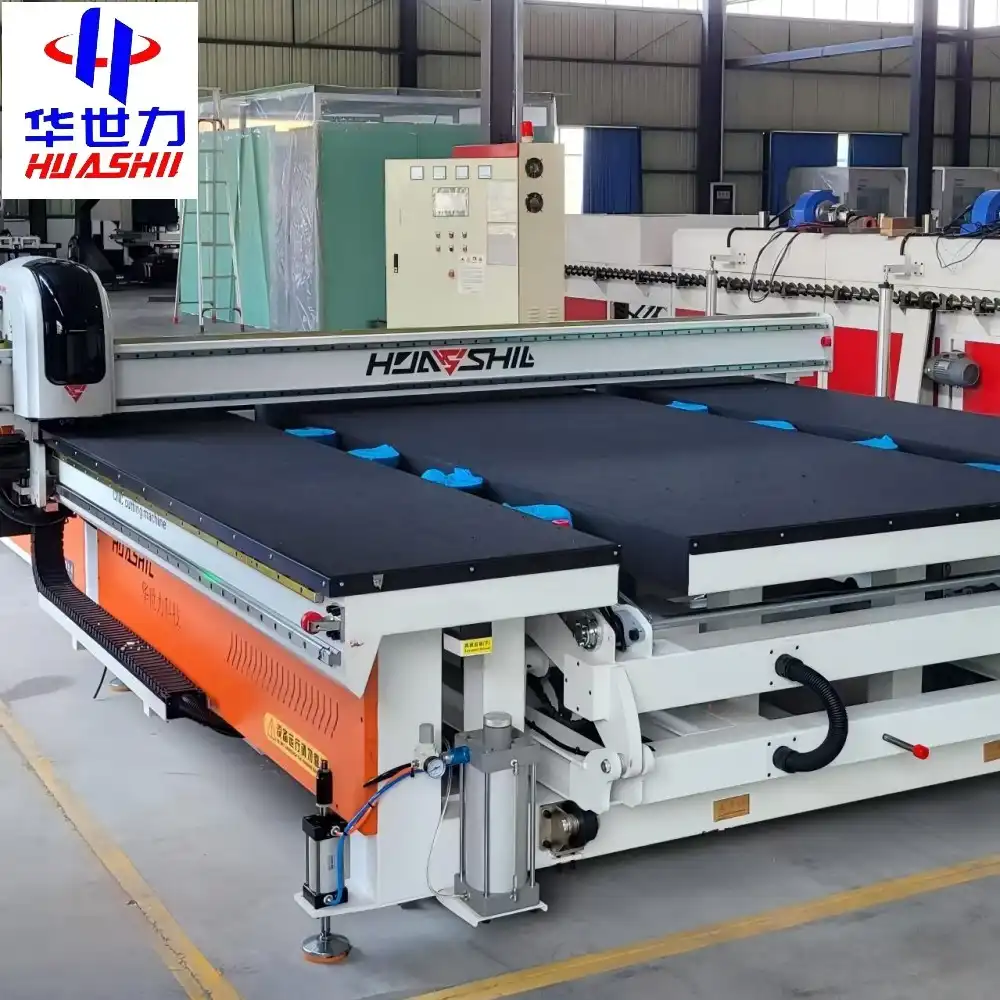
The HSL-SPT3624's automatic loading feature greatly cuts down on the amount of work that needs to be done and the damage that can be caused by handling compared to human systems. Figuring out how much these operational benefits are worth helps to support buying the air flotation table in the first place when compared to cheaper manual options.
Certification and Compliance Verification
With international certificates, you can be sure that the safety and performance standards of the tools are met by a third party. CE certification shows that the product meets European safety standards, and ISO 9001 certification shows that the company uses quality control methods throughout the whole production process. These certifications are important, especially when financing equipment or when building insurance plans need certified equipment.
If accidents happen with equipment that hasn't been properly certified, the owner may be held responsible, even if the equipment itself is safe. Instead of finding compliance gaps after the fact, procurement teams should ask for certification documents when they are evaluating vendors.
Total Cost of Ownership Beyond Purchase Price
Load capacity has a direct effect on ongoing running costs in ways that aren't always clear when the equipment is first bought. A system that is always close to its full capacity uses more energy and wears out faster than one that has a capacity range above normal loads. This changes how much it costs to use, how often it needs upkeep, and when it needs to be replaced in the end.
After-sales help has a big effect on how much it costs to own an item over its lifetime. When compared to providers who need to ship basic repair parts across international borders, manufacturers with North American service networks and spare parts that are easy to get have fewer costly production interruptions. HUASHIL keeps full expert help and parts available for the North American market, which takes care of this important ownership issue.
Partnering with Experienced Glass Equipment Manufacturers
HUASHIL has a lot of experience automating glass processing and can help North American manufacturers who need reliable, high-capacity handling options. Our HSL-SPT3624 air flotation table has a strong load capacity and useful features that deal with real production problems. The automatic loading system cuts down on the amount of work that needs to be done by hand. The built-in breaking table and 360-degree remote control walking function make the machine flexible enough to meet different production needs. For customers also seeking complementary equipment, we can provide laminated glass edging machine quotes tailored to your specific throughput requirements and edge-finish specifications.
When procurement teams ask for capital expenditures and show them to financial decision-makers, equipment with CE and ISO 9001 certification gives them the compliance guarantee they need. Instead of just giving stock configurations, our technical team works directly with plant engineers to make sure that the specs of the equipment match the needs of output.
Conclusion
Load capacity guidelines for glass flotation tools make sure that safety needs are met while also meeting operational efficiency and output needs. When procurement teams know about these standards, they can choose methods that will work well without making costs go up too much because they are too unique.
The technical points talked about here, such as the structure's design, the air supply, the specific needs of the application, and the upkeep procedures, give you a way to compare the tools you have with the production needs you have. In order to stay competitive, glass fabricators know that the right air flotation table equipment is essential for maintaining quality, speeding up work, and keeping everyone safe.
To make smart choices, you need to look at more than just the basic specs. You should also consider certifications, the manufacturer's experience, and the total cost of ownership. The right equipment partner knows what problems you're having with output and can help you find answers that have been used in real glass fabrication settings.
Frequently Asked Questions About Glass Flotation Table Load Capacity
1. What Happens If I Exceed the Rated Load Capacity?
If you use the air flotation table beyond its estimated capacity, you could break its structure right away and put people in serious danger. The air cushion might not be able to support the weight of the glass properly, which could cause the panels to hit the table surface and crack or break. Overloading something over and over again speeds up the wear on structural parts and air supply systems, which causes technology to break down early. Most importantly, overloading makes it more likely that someone working near the tools will have an accident.
2. How Often Should Load Capacity Be Tested?
An annual capacity verification test makes sure that safety rules are being followed and that the equipment is still meeting its stated specs. If you notice changes in performance, like the compressor running for longer or having trouble floating heavy glass that used to be easy, you should test it more often. As soon as any structural changes or fixes are made, they are tested for their ability to return proper performance. Keeping testing records helps with meeting legal standards and equipment insurance needs.
3. Can Load Capacity Be Increased After Installation?
Depending on the original equipment design gaps, capacity improvements are sometimes possible by making smart changes to air supply systems or strengthening the structure. Increasing the capacity of the compressor or adding an extra air source can make the useful load range bigger as long as they don't go beyond the frame's structural limits. Instead of trying to make changes without doing the right research, a trained engineer should check to see if an upgrade is possible. When capacity needs are much higher than what was originally planned, it may be cheaper to change the whole system than to do a lot of work to make it work better.
Partner With HUASHIL for Reliable Glass Handling Solutions
For making glass, you need tools that always work well under real production stress. At HUASHIL, we design air flotation tables to work in the tough conditions that architects, furniture makers, and glass manufacturers work in every day. Curtain wall and window makers all over the United States rely on our HSL-SPT3624 model for its high load capacity and wide range of uses.
Our equipment meets international safety and quality standards that protect your investment and your team. It has CE and ISO 9001 certification to back it up. Automatic loading, built-in breaking functionality, and remote-controlled movement all work together to solve the production problems that our customers tell us are the most important. We are not only a company that makes air flotation tables; we are also your partner in making sure that your glass handling processes are safe and run smoothly. Get in touch with our technical team at salescathy@sdhuashil.com to talk about your individual load capacity needs and find out how HUASHIL tools can help you make more.
References
1. American National Standards Institute. "Safety Requirements for Glass Processing Equipment: Load Capacity Standards and Testing Protocols." ANSI Publication Series on Industrial Glass Machinery, 2021.
2. Glass Manufacturing Industry Council. "Best Practices in Glass Handling Equipment Specification and Procurement." GMIC Technical Guidelines for Fabrication Equipment, 2020.
3. International Organization for Standardization. "ISO 12543: Glass in Building - Safety Requirements for Processing Equipment." ISO Standards for Construction Materials Processing, 2019.
4. Occupational Safety and Health Administration. "Material Handling Equipment Safety Standards: Load Rating Requirements for Industrial Glass Processing." OSHA Technical Manual, Section VII, 2022.
5. Society of Manufacturing Engineers. "Load Capacity Engineering in Automated Glass Processing Systems." SME Technical Paper Series on Glass Fabrication Technology, 2021.
6. European Committee for Standardization. "CE Certification Requirements for Glass Processing Machinery: Structural Load Standards and Compliance Testing." CEN Technical Specifications for Industrial Equipment, 2020.