




Modern industrial glass cutting and laminating systems are what make safety glass making possible. They help companies meet the high-quality standards needed in the building, automobile, and speciality glass industries. Precision cutting technology and laminating processes are combined on these automatic production lines to make glass panels that can withstand pressure and last longer. At our company, we've seen how the right tools can change the way things are made—from increasing output by 40% to cutting waste by a large amount. If procurement teams understand these systems, they can make choices that combine technical performance with long-term running costs, whether they're upgrading old equipment or building a new production line.
Understanding Industrial Glass Cutting and Laminating Systems
To understand how industrial glass cutting and laminating systems work
The Evolution from Manual to Automated Processing
In the last twenty years, technology for cutting glass has come a long way. Computer-controlled cutting tables with diamond-tipped or tungsten carbide cutting wheels have replaced the old ways of scoring and breaking by hand. Photoelectric tracking systems on automated cutting lines can now find the edges of glass with millimetre accuracy. This makes sure that the quality of the cuts is the same from one production run to the next. The 4700×3100×840mm machine we make at Huashil is a good example of this development. It can cut glass lengths from 300 mm to 3800 mm at speeds of up to 100 metres per minute. At this level of technology, human error is gone, and output capacity has grown by a huge amount.
Core Components of Modern Cutting Systems
Modern machinery for cutting glass depends on a number of linked parts working together well. The cutting head has carefully set wheels that score the surface of the glass while keeping the pressure steady during the cut. Under the glass, precision tables offer stable support and have release bars that use controlled force to separate cut pieces in a clean way. Software controls actions, makes the best use of cutting patterns to reduce waste, and talks to systems that handle production. Touch screen interfaces on our tools are easy for operators to learn quickly, which cuts down on training time and boosts working efficiency.
Laminating Technology and Process Flow
Using polyvinyl butyral (PVB) or ethylene-vinyl acetate (EVA) interlayers to laminate several glass layers together makes composite panels that stay together even when they break. The first step is to clean the glass very well to get rid of any dirt or other things that might make bonding harder. The divider, which is usually between 0.38mm and 1.52mm thick, is then put between glass sheets that are 3+3mm or 8+8mm thick. Using hot rollers, pre-pressing gets rid of any air spots in the assembly before it goes into an autoclave, where heat and pressure finish the bonding process. This makes safety glass that meets international standards for being able to withstand impacts and see clearly.
Machine Types and Manufacturer Comparisons
Different places of work need different sets of tools. Straight-line cutting tables are good for large-scale production of standard rectangular panels, while CNC-equipped machines can handle complicated forms for use in architecture and decoration. Waterjet cutting is an option for cutting special materials or when edge quality is very important, but it works more slowly. When procurement teams look at different makers, they should check how quickly they respond to technical support requests, how many extra parts they have on hand, and how well they can customise machines. Companies with a lot of installation experience in a lot of different industries can usually give more reliable advice during the equipment selection and setup stages.
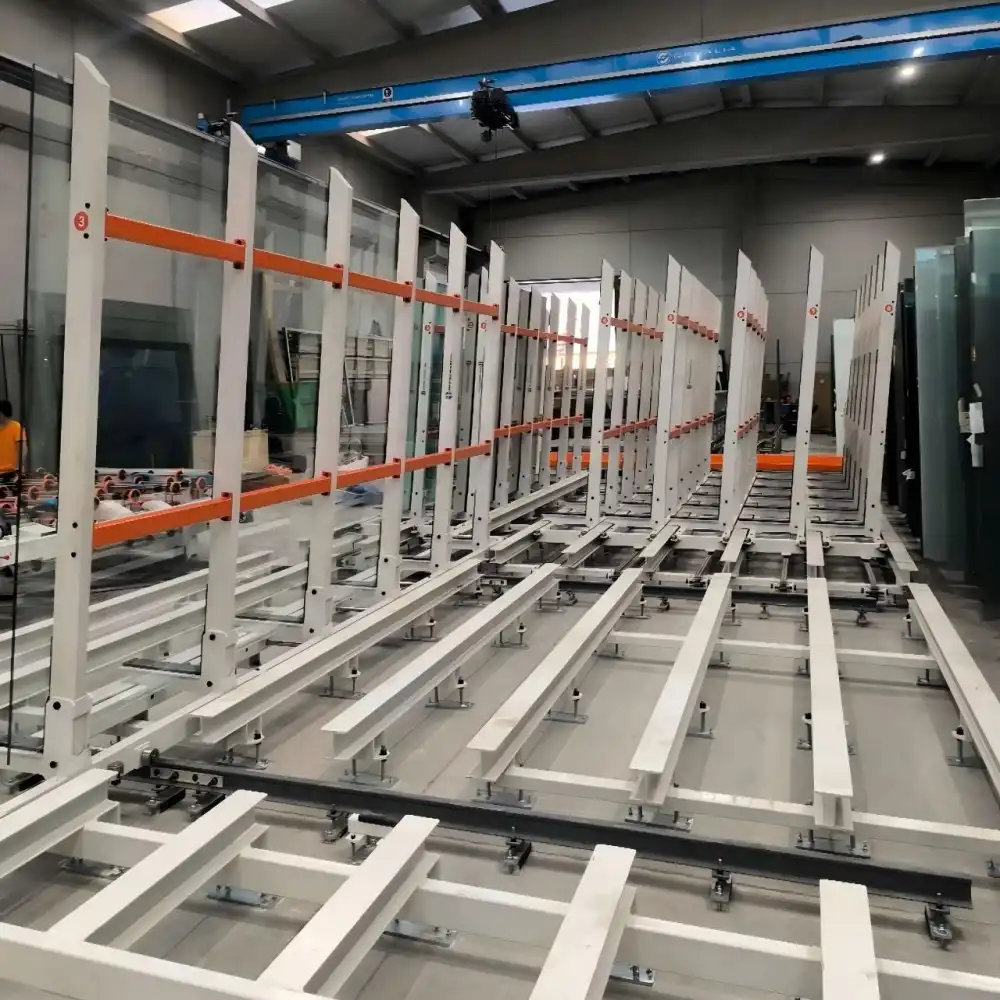
Key Benefits and Advantages of Automated Glass Cutting and Laminating
Precision and Speed Improvements
Automation gives you stability that you can't get with human work. Cutting precisely within 0.5mm limits makes sure that glass pieces fit perfectly in window frames, curtain wall systems or car parts without the need for changes in the field. Both improvements in speed and accuracy are amazing. Modern industrial glass cutting and laminating systems can work on glass at speeds that would require many people working at different stations by hand. Modern tools can cut at a speed of 100 metres per minute, which lets makers finish big orders quickly and competitively in tender-based project markets. This mix of accuracy and speed lowers the cost of making one unit while keeping high-quality standards.
Compliance with Safety Standards
The people who make safety glass have to follow strict performance guidelines set out in standards such as EN 12150 for toughened glass and ANSI Z97.1 for building window materials. Automated laminating systems keep the exact temperature and pressure levels needed for proper interlayer bonding. This makes sure that the final panels pass standards for penetration resistance and impact testing. Modern tools with built-in documentation make it possible to track quality checks and certification processes. Manufacturers don't have to worry about liability with this compliance guarantee, and it also helps their image with architects, contractors, and regulatory authorities.
Energy Efficiency and Cost Effectiveness
Modern tools used to make glass have technologies that save energy and lower operating costs. Efficient heating parts in laminating lines keep the quality of the process while using less power. When compared to hand nesting, cutting patterns made by advanced software programs waste 5 to 15% less raw material. Equipment with long-lasting parts and monitoring tools that find problems before they happen also has lower maintenance costs. Over the course of five years, these savings often make up for higher starting equipment costs, which makes the total cost of ownership estimates more accurate.
Here are additional advantages that strengthen the business case for automation:
- Reduced Labour Requirements: Because automated lines don't need as much supervision, makers can move workers to more valuable jobs like quality control and customer service.
- Improved Worker Safety: Keeping them away from the cutting and sealing processes lowers the risk of accidents and the costs of their insurance.
- Consistent Product Quality: Machine-controlled factors get rid of changes in quality that could be caused by operator skill or tiredness, making sure that every panel meets the requirements.
- Scalability: As production goes up, automated systems can keep running longer hours without adding more staff, which helps businesses grow smoothly.
These advantages collectively transform glass fabrication from a labour-intensive craft into a streamlined manufacturing operation. When plants fully automate, customers are happier because deliveries are more reliable and products are always the same. This directly affects the plants' ability to get return business and word-of-mouth recommendations.
How to Choose the Right Industrial Glass Cutting and Laminating System
Assessing Your Production Requirements
To choose the right tools, you must first be honest about what you need for your operations. Estimates of production volumes show whether single-machine setups are enough or whether combined production lines are more cost-effective. Glass thickness ranges, like the 3+3mm to 8+8mm range that our tools can handle, need to match your product line. The needs of the application are also important. For example, architectural glass needs a different edge quality than furniture glass, and optical features must be better for car use. By writing down these requirements, you can have more meaningful conversations with equipment providers and avoid costly problems where skills and needs don't match up.
Evaluating Technical Performance Metrics
Besides basic specs, there are a number of success signs that show how good the equipment is. Cutting accuracy affects yield rates and the speed of processing that comes after. Machines that keep tolerances of ±0.5mm across the whole table work better than those that have wider differences. Uptime numbers show how reliable a piece of equipment is, and the best tools reach 95% or higher availability thanks to their solid construction and preventative maintenance features. The 820±50mm height of the work table is based on ergonomic factors that affect the comfort of the user and the long-term output of the system. Cycle times for full cutting and laminating processes have a direct effect on output. Speed standards are only useful when quality consistency is also taken into account.
Customisation and After-Sales Support
Equipment sellers that let manufacturers make changes are helpful for companies that work with a wide range of glass fabrication fields. Standard tools might need to be changed so they can work with other production lines or meet the specific needs of a product. This kind of freedom is made possible by OEM partnerships, which let machine makers change things like sizes, control interfaces, or material handling systems. Quality of after-sales support is just as important—responsive expert service teams keep downtime to a minimum when problems happen, and large stockpiles of spare parts keep production from stopping for long periods of time. Long-term worth is higher for vendors who offer installation guidance, user training, and regular calibration services than for vendors who only sell equipment once.
Maintenance, Troubleshooting, and Safety Measures for Industrial Glass Equipment
Routine Maintenance Protocols
Preventive repair keeps cuts accurate and increases the life of tools in industrial glass cutting and laminating systems. Cutting wheels should be checked every day for chips or excessive wear that lowers the quality of the cut. Scheduled lubrication of moving parts keeps bearings from breaking down too soon and keeps table movements smooth. Photoelectric positioning sensors need to be cleaned every so often to keep their detecting accuracy. Dust building up on the lenses of the sensors causes positioning mistakes that waste more resources. Every month, calibration checks make sure that the cutting heads are lined up with the table guides. These checks catch drift before it hurts the quality of the work. Keeping detailed service logs helps find problems that keep happening and backs up guarantee claims when parts fail.
Common Operational Issues and Solutions
Even equipment that has been well taken care of can have problems that need to be fixed. Most of the time, glass that breaks only partially along score lines means that there isn't enough cutting pressure or that the cutting wheels are worn out. Changing the cutting pressure settings or changing the wheels usually fixes the problem. Most of the time, delamination in finished safety glass panels is caused by contamination during assembly or incorrect steriliser parameters. Most of the time, this can be fixed by reviewing cleaning methods and checking temperature profiles. Misaligned sensors or software calibration drift can cause positioning mistakes that can be fixed by running recalibration programs. Building relationships with the technical support teams of equipment providers helps when problems are too big for the company's own solving skills. This cuts down on downtime by fixing problems quickly.
Safety Protocols and Operator Protection
Processing glass comes with its own risks that must be fully addressed through safety measures. When working with raw glass or clearing away cut pieces, operators must wear gloves that won't cut, safety glasses, and shoes that protect their feet. Putting emergency stop keys around the edges of the equipment lets it be turned off right away if a danger arises. Machine guards keep people from touching moving parts while the machine is running, and interlocks stop cutting functions when safety covers are open. Regular safety training helps people remember the right way to handle materials, run machines, and handle emergencies. These rules keep workers safe and keep tools from getting broken by careless operators. This creates workplaces that are more productive because injuries and the problems they cause are less common.
Future Trends in Industrial Glass Cutting and Laminating Systems
Industry 4.0 and Smart Manufacturing Integration
Connectivity and data analytics are built into the next generation of glass production equipment, which turns standard manufacturing into smart operations. IoT sensors built into machines check performance factors in real time, looking for problems that can tell you when repair is needed before they break. Industry studies show that this type of predictive maintenance cuts unexpected downtime by 25–40%. Machine learning algorithms look at output data to automatically find the best cutting patterns and processing settings, which makes the whole process more efficient. Integration with business resource planning systems lets you change the production schedule in real time based on the supply of materials and the order's priority, which makes the whole operation more flexible.
Sustainability and Energy Conservation
Environmental issues are becoming more and more important when buying tools. Better insulation and heat return technologies are helping manufacturers make laminating systems that use 30% less energy. Recycling devices for cooling processes cut down on water use and the cost of treating wastewater. Equipment that is easy to take apart helps recycle parts at the end of their useful life, which is in line with the ideals of the circular economy. When glass makers use these technologies, they improve their environmental reputation. This helps them when they are bidding on projects that want to get green building certifications, like LEED. As government rules get stricter on the energy economy, these new technologies will be used more quickly across the business.
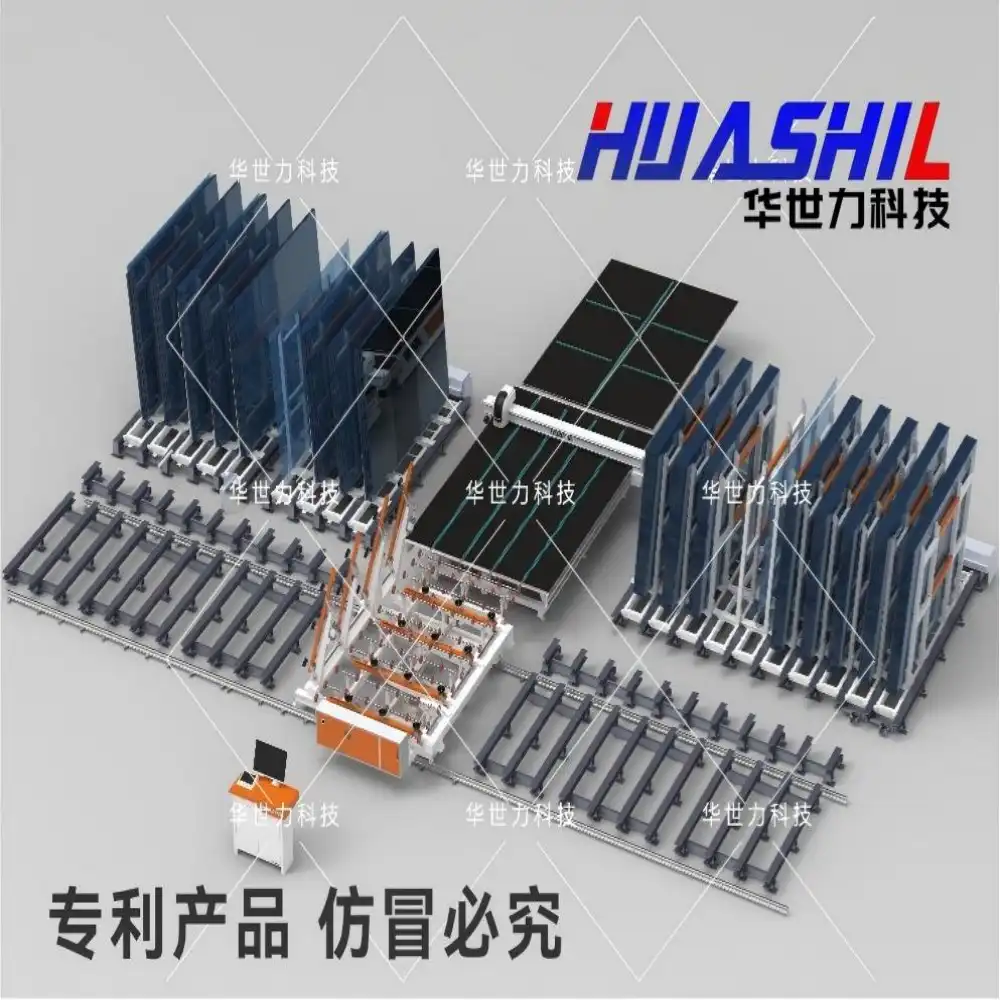
Emerging Technologies and Market Outlook
Several new technologies look like they will change the way glass is processed. Laser cutting systems could be used for zero-contact processing, which gets rid of mechanical stress and makes it possible to have tighter standards, but their current high costs mean that they are only useful for a few specific tasks. Smart glass can be used in architecture and cars thanks to new interlayer materials that have electronics built in. This requires new rules for the lamination process. The market for automated glass processing equipment is expected to grow by 6 to 8 per cent each year until 2028. This is because of more building in emerging economies and the electrification of the auto industry, which is creating new uses for glass. In this changing market, equipment companies that invest in these new technologies while still focusing on their core strengths will gain a large part of the market.
Conclusion
Industrial glass cutting and laminating systems are important pieces of equipment for companies that make safety glass for many different industries. Combining controlled laminating processes with precise cutting technology makes it possible to make panels that meet strict safety standards while still being cost-effective. When procurement professionals look at different pieces of equipment, they should weigh technical specs against long-term practical factors like the need for upkeep, the quality of provider support, and the ability to make changes. These goals are shown by the fact that our equipment at Huashil works well, gets technical help quickly, and can be set up in a variety of ways to meet different output needs. As manufacturing moves toward smarter and more environmentally friendly methods, it opens up chances for glass makers to become more competitive by investing in new equipment.
FAQ
1. What factors should I consider when selecting cutting and laminating equipment?
The main things to think about are the production rate, the range of glass thicknesses, and the uses for the final product. Think about whether your business needs to be flexible for different types of products or optimised for high-volume standard things. The equipment's footprint must fit on the floor space that's accessible, and the building's electrical needs should be met. Instead of just looking at the purchase price, budgets should think about the total cost of ownership over five years, which includes setup, training, upkeep, and extra parts.
2. How does laminated glass differ from tempered glass in safety performance?
Laminated glass has films between the layers that keep the pieces together when they break, so dangerous pieces don't fall. Laminated glass is great for roof windows and car windscreens because of this trait. When tempered glass breaks, it falls apart into small, mostly safe pieces that don't stay together. Laminating tempered glass for best impact protection and splinter retention is a good way to use both technologies together in many situations.
3. Can automation genuinely reduce production costs in glass fabrication?
Directly, automation lowers labour costs by reducing the need for staff, and indirectly, it does so by increasing material return through better cutting patterns. Consistency in quality cuts down on repairs and guarantee claims. Throughput goes up without building growth when production cycles are sped up. Most makers say that investments in automation pay off between 18 and 36 months, and continued savings make the business more profitable over the life of the equipment.
Partner with HUASHIL for Advanced Glass Processing Solutions
If you want to increase your production, you need to find a reliable provider of industrial glass cutting and laminating systems who knows the technical challenges and financial stresses that glass makers face today. With decades of engineering experience and quick customer service, Shandong Huashil Automation Technology makes equipment that works reliably in tough industrial settings. Our automated systems can cut glass up to 100 metres per minute, which is fast enough for large-scale activities. They can handle widths of 3+3mm to 8+8mm. To get the most out of your equipment investment, we offer full installation supervision, user training, and ongoing expert support. Email our team at salescathy@sdhuashil.com to talk about your unique production needs and find out how our custom solutions can help you make more products and do them better.
References
1. Glass Processing Industry Report: Automation Technologies and Safety Standards in Manufacturing (2023), International Glass Manufacturing Association.
2. Laminated Glass Production: Process Optimisation and Quality Control Methodologies (2022), Journal of Materials Processing Technology, Volume 298.
3. Comparative Analysis of Glass Cutting Systems: Mechanical versus Laser Technologies (2023), Advanced Manufacturing Engineering Quarterly.
4. Safety Glass Standards and Compliance Requirements for North American Markets (2024), American National Standards Institute Technical Guidelines.
5. Industry 4.0 Integration in Glass Fabrication: Case Studies and Implementation Strategies (2023), Smart Manufacturing Research Institute.
6. Energy Efficiency Improvements in Industrial Laminating Equipment: Technical Assessment and ROI Analysis (2023), Sustainable Manufacturing Technology Review.