




An all in one glass cutting machine serves architectural glass plants, curtain wall integrators, furniture and shower door makers, automotive glass producers, and smart mirror manufacturers. It combines loading, scoring, and breaking in one coordinated line, so operators handle fewer sheets by hand and repeat the same dimensions with greater consistency. In this guide, I explain how the system works, where each industry applies it, and what to check before you buy. I also describe the HUASHIL HSL-YTJ3829, which cuts glass from 2 to 19 mm thick, up to 3660 x 2800 mm. Use this page to compare options and prepare a clear inquiry.
Introduction: Why All-in-One Glass Cutting Machines Are Transforming Glass Processing
Fewer Handoffs, Steadier Output
The work is spread out in different places when cutting glass the old-fashioned way. A worker sets down a sheet on a table, cuts it, breaks it up by hand, and then takes the pieces away. Each pass-through takes longer and makes it more likely that the edges will break or get scratched. An all-in-one glass cutting machine does all of these steps at the same time. Most plant managers look for stable output first, since the same program makes the same cut every shift. Not having to lift as much keeps people from getting tired and makes the floor safer.
Who Benefits Most
For each job, results are important in their own way. In factories, managers keep an eye on how much the workers make and how much they cost. Engineers test how stable, accurate, and well it can work with other tools the machine is. People in management who buy things look at price, warranty, and delivery terms, among other things. When finance teams decide to buy something, they look at how much it will cost them in total to own it. They want tools that can be used over and over again and kept track of so they can be sure of what they're suggesting. A single integrated cutting line can fix many of these issues at the same time. This type of line cuts down on transfers, waste, and extra work.
What This Guide Covers
I talk about how the machine works, the types of glass it can work with, and the different rates of automation. Afterward, I explain how the tech is used by businesses that make cars, furniture, smart screens, and design. We talked about what to look for when buying something in the last part. Some of these are technical know-how, safety, customer service after the sale, software integration, customization, and total cost of ownership. Each part can be used again and again, so you can find a machine that works for the things you make and how many you make.
What Is an All-in-One Glass Cutting Machine?
Definition and Typical Functions
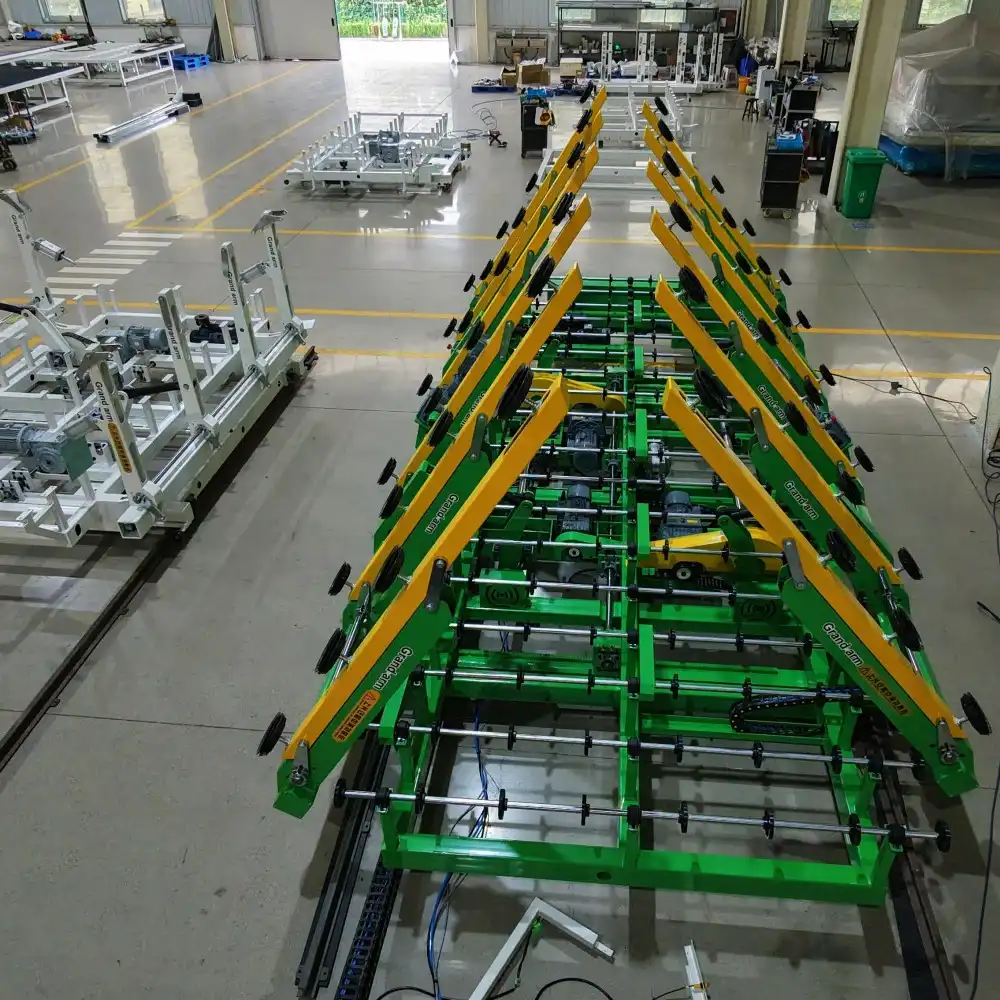
When you put together different steps of the production process into one well-coordinated step, you have an all in one glass cutting machine. Depending on the brand and type, it may have features like labeling, sorting, dumping, automatic breaking, CNC scoring, automatic breaking, cutting, edge grinding, labeling, and loading. They can't all do the same things. The person who wants to buy should write down all the stages their plant needs and then check to see if the setup they were offered has all of them.
Core Components
The parts that make up most systems are the same. A loading table or some other tool holds the sheet in place. A moving belt or an air-flotation cutting table holds it up while it is being moved. With the help of an industrial computer and control cabinet, the cutting head moves across the sheet on a CNC bridge. With add-ons like cutting or edge processing tools, the line can be made longer. When engineers know these things, they can compare quotes more correctly and ask better questions about spare parts and upkeep.
Integrated Versus Separate Machines
When compared to separate machines, an integrated system can cut down on work, floor space, damage from handling, and changes in the process. A glass cutting table machine or a small glass cutting machine might still work for you if you only need to cut small pieces of glass or glass that isn't round. In general, plants that cut a lot of glass should get a machine that can load, cut, and break glass. Your choice will depend on how much glass you need, the size of the sheets, the number of goods you want to make, and how much technology you need.
How Does an All-in-One Glass Cutting Machine Work?
Loading and Positioning
To begin the process, vacuum cups or automated lifting arms pick up a sheet and place it on the table. You can use sensors or software to find out about sizes, coats, thickness, and output orders. It's important to get the position right because every cut after this one uses the sheet's location as a guide. The all-in-one glass cutting machine can automatically find edges, which makes this easier. They don't have to line up the sheets by eye because it knows where to put them. This step gets rid of a spot where mistakes often happen when cutting by hand.
Optimization and Cutting Plans
The machine then gets its cutting plan. Plans can be made with CAD, ERP, or MES tools, which help link work orders to machines. It is easier to nest pieces when there are the right number of them on each sheet, which is done by optimization software. Because it costs a lot to make glass, even a small rise in yield can add up to a year's worth of work. Learn from anywhere what optimization software the machine has and how it gets order information.
Scoring and Breaking
Then, a stable, flat table holds the CNC cutting head. The pressure, speed, and tool choice are controlled by the head to score the glass. According to Shelby's "Introduction to Glass Science and Technology" and other glass science books, scoring the surface creates a flaw that causes the sheet to break when it bends. The pieces are then broken apart by gas or mechanical means. Depending on how it is set up, the line may continue with drilling, edge processing, labeling, sorting, or unloading. This makes the process more regular and simple to keep track of.
All-in-One Glass Cutting Machine Applications Across Industries
Architectural Glass and Curtain Walls
A lot of panels that are all the same size are needed for projects that involve windows, doors, and curtain walls. Architects and builders use float glass to make pieces that are then used for things like edges, hardening, and insulation. You can't cut glass after it's been heated, so you have to cut it right first. This is why the cut stage before the next one is important: ASTM C1048 covers hot flat glass. Integrators of curtain walls also benefit from cutting plans that can be kept track of, since each panel needs to match a drawing for the project to be finished.
Automotive and Smart Mirror Glass
Accurate parts that fit the needs of the car are more important than raw speed when it comes to auto glass. To make smart mirrors, you also need modern mirror designs that are made just for the glass and its shapes. To stay on track, they both use a CNC-controlled cutting head instead of a hand-guided tool. Pieces that are rejected are less likely to be inconsistent. Make sure you know the all in one glass cutting machine's width range, how flat the table is, and how it works with plans that aren't square or rectangular when you look at it.
Furniture, Shower Doors, and Decorative Glass
Styles change all the time for people who make furniture and interiors. You could run a wall, a desk top made of glass, a closet insert, and a shower door panel all in the same week. They can quickly switch between programs because the cutting line is automated, so they don't have to mark each sheet again. When you break art glass, the edges should be smooth and clean. It's enough to start with just one cutting line for small to medium-sized plants. You can add more processing equipment as the number of orders goes up. This keeps the initial investment low.
HSL-YTJ3829 Features and Buying Criteria
HSL-YTJ3829 Specifications
HUASHIL makes the HSL-YTJ3829 for factories that need to cut large sheets. It can cut glass that is up to 3660 mm x 2800 mm and between 2 mm and 19 mm thick. The machine has been certified by CE and ISO9001, and it comes with Optima optimization software. The high-tech company Shandong Huashil Automation Technology Co., LTD crafts and sells automated machinery. It has sent tools to other countries for a long time. You can find out more about the model at huashil.com.
Features That Matter on the Floor
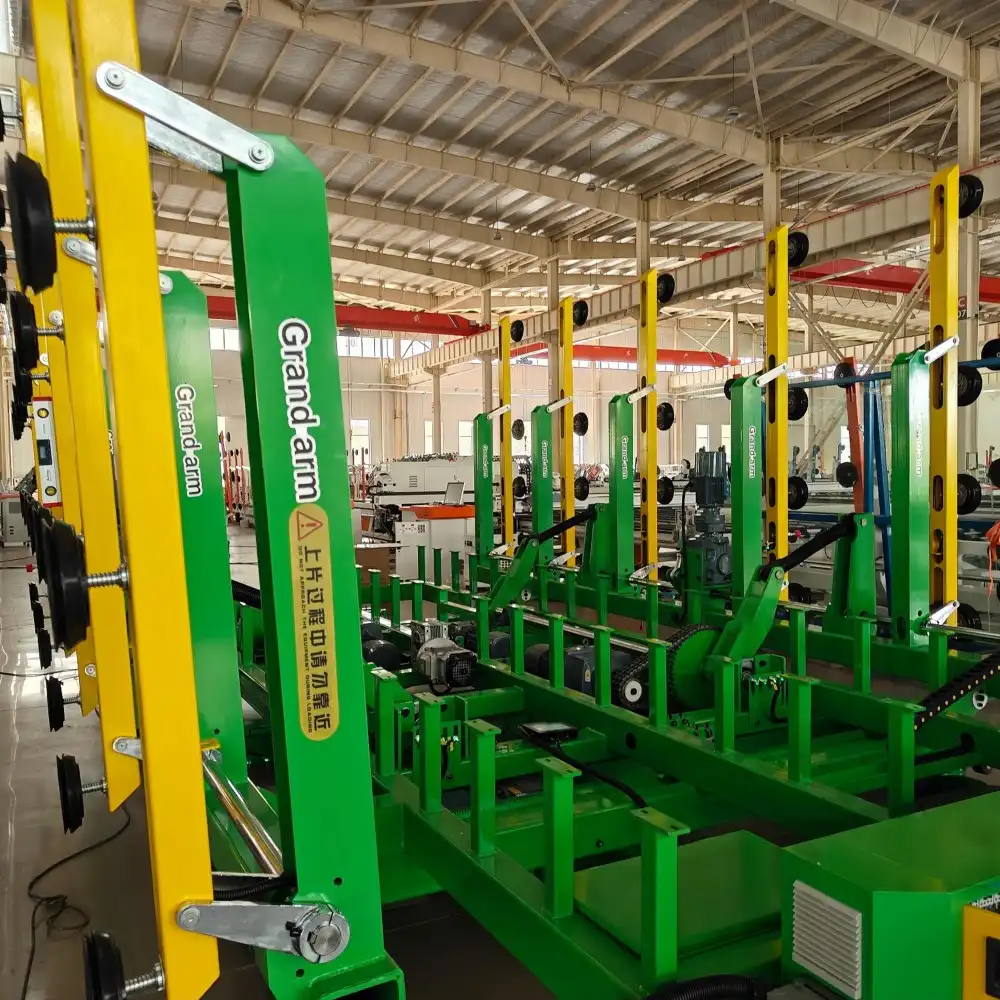
The HSL-YTJ3829 includes several functions that address daily production tasks:
- Automatic loading and glass conveying by synchronous belts: Synced tracks automatically load and move the glass; the machine moves the sheets into place in a steady, controlled way.
- Automatic pressure control and automatic edge finding: The pressure is controlled automatically, and the edges are found automatically as well. It changes the cutting pressure and finds the edges of the sheets so they don't need to be lined up by hand.
- Air flotation system with a breaking table: The system floats on air and has a breaking table. The sheets break at the same spot all the way across the table.
- 360-degree remote-controlled walking: A remote lets people control how the machine walks.
It's easier to place and move things by hand during the cutting stage with these items. They also help the people who work there make sure that all sheets and orders have the same results.
Questions to Ask Before You Buy
Before you sign, find out how dependable each supplier is, how long their warranties are, how simple it is to get replacement parts, and how they handle customer service. Information about how to set up and train people on how to use an item is just as important as the price of the item itself when it comes to the total cost of ownership. For OEM or ODM work, see if there are ways to make it your own. Tech review, site checks, and cash approval can take three to six months for full production lines. It only takes a few weeks to get approval for one machine. Talk about how you'll pay early, such as with a letter of credit or a down payment plus the last payment. Standards for the safety of machines, like ISO 12100, can also help your engineers make a list.
Conclusion
It loads, positions, scores, breaks, and can do extra work if needed. An all in one glass cutting machine does everything in one step. This cuts down on the amount of work, waste, and process differences. People who work in the building industry, curtain wall integrators, car manufacturers, smart mirror makers, and furniture makers all use it to make exact cuts over and over again for different orders. Buyers should look at the range of thicknesses, sheet sizes, software compatibility, and level of automation to find the best machine for their needs. They should then think about the cost of ownership, the warranty, spare parts, training, and so on. These needs are met by the HSL-YTJ3829, which has a breaking table, Optima software, and a width range of 2–19 mm. Its largest size is 3660 x 2800 mm.
FAQ
1. What glass thickness can the HSL-YTJ3829 cut?
It can cut glass sheets up to 3660 x 2800 mm and from 2 mm to 19 mm thick.
2. Which industries use an all-in-one glass cutting machine?
Firms that make architectural glass, curtain walls, auto glass, smart mirrors, and decorative or furniture glass use this gear all the time.
3. Does the HSL-YTJ3829 include optimization software?
Yes. A program called Optima arranges the pieces on each sheet in a way that wastes the least amount of material.
4. What certificates does the machine hold?
The HSL-YTJ3829 has been given both CE and ISO9001.
5. How long does a purchase decision usually take?
One machine takes about a week. It can take three to six months for full production lines to get review and approval for funding.
Contact HUASHIL for an All-in-One Glass Cutting Machine Quote
Want to buy an all in one glass cutting machine from a company that knows what you want? The HSL-YTJ3829 from HUASHIL has been certified by CE and ISO9001. It also comes with Optima software and can be customized for both OEM and ODM projects. You can email salescathy@sdhuashil.com to tell them what size, thickness, and amount you need for your glass. Our team will then send you clear business plans and lots of thorough information.
References
1. ISO 9001:2015 Quality Management Systems – Requirements, International Organization for Standardization, 2015
2. ISO 12100:2010 Safety of Machinery – General Principles for Design, International Organization for Standardization, 2010
3. Directive 2006/42/EC on Machinery, European Parliament and Council of the European Union, 2006
4. ASTM C1036 Standard Specification for Flat Glass, ASTM International, 2021
5. ASTM C1048 Standard Specification for Heat-Treated Flat Glass, ASTM International, 2018
6. Introduction to Glass Science and Technology, Royal Society of Chemistry, 2005