




An all in one glass cutting machine has become essential for manufacturers in the architectural glass fabrication industry seeking efficiency. These integrated systems automate cutting, edge detection, and material handling to decrease labor and improve throughput. Modern fabrication plants need precision and reliability to compete in today's construction markets. These machines handle diverse glass specifications, from standard panels to complex architectural designs, with advanced CNC control technology and optimization software.
Understanding All in One Glass Cutting Machines
Core Functionalities That Transform Production
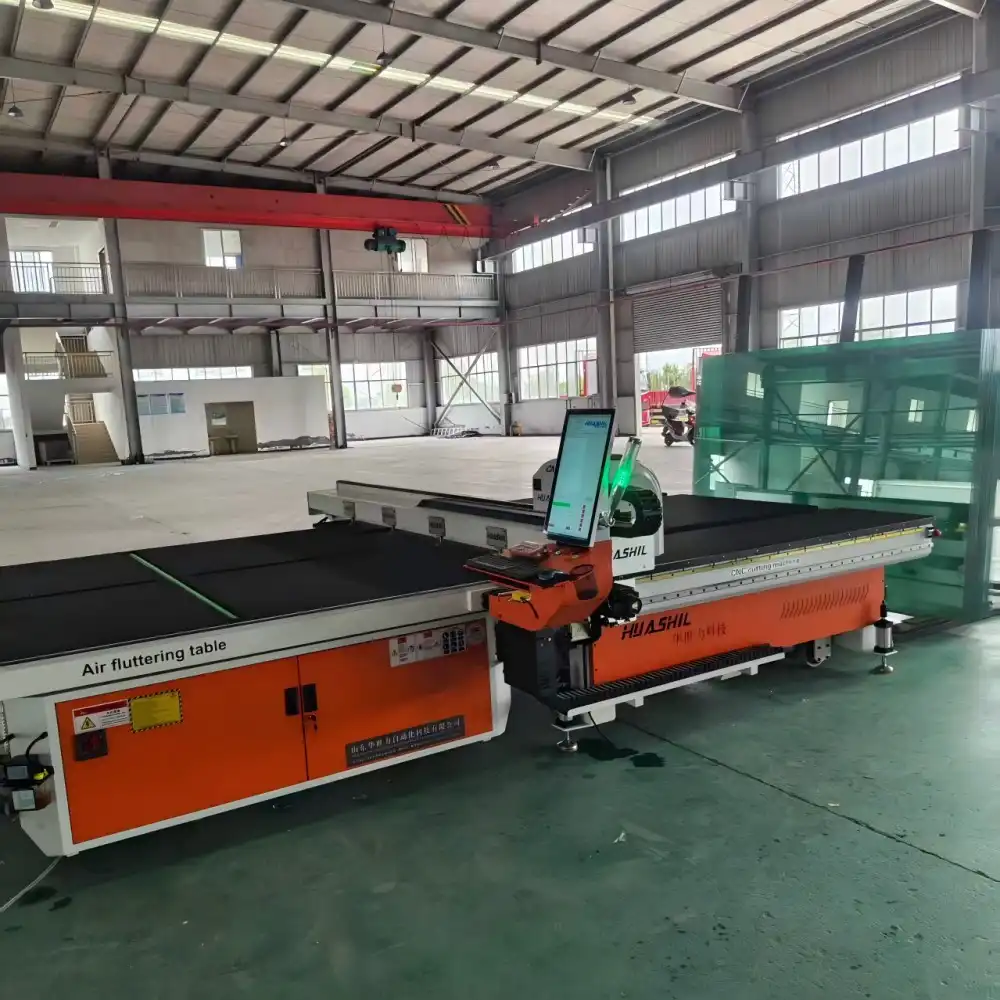
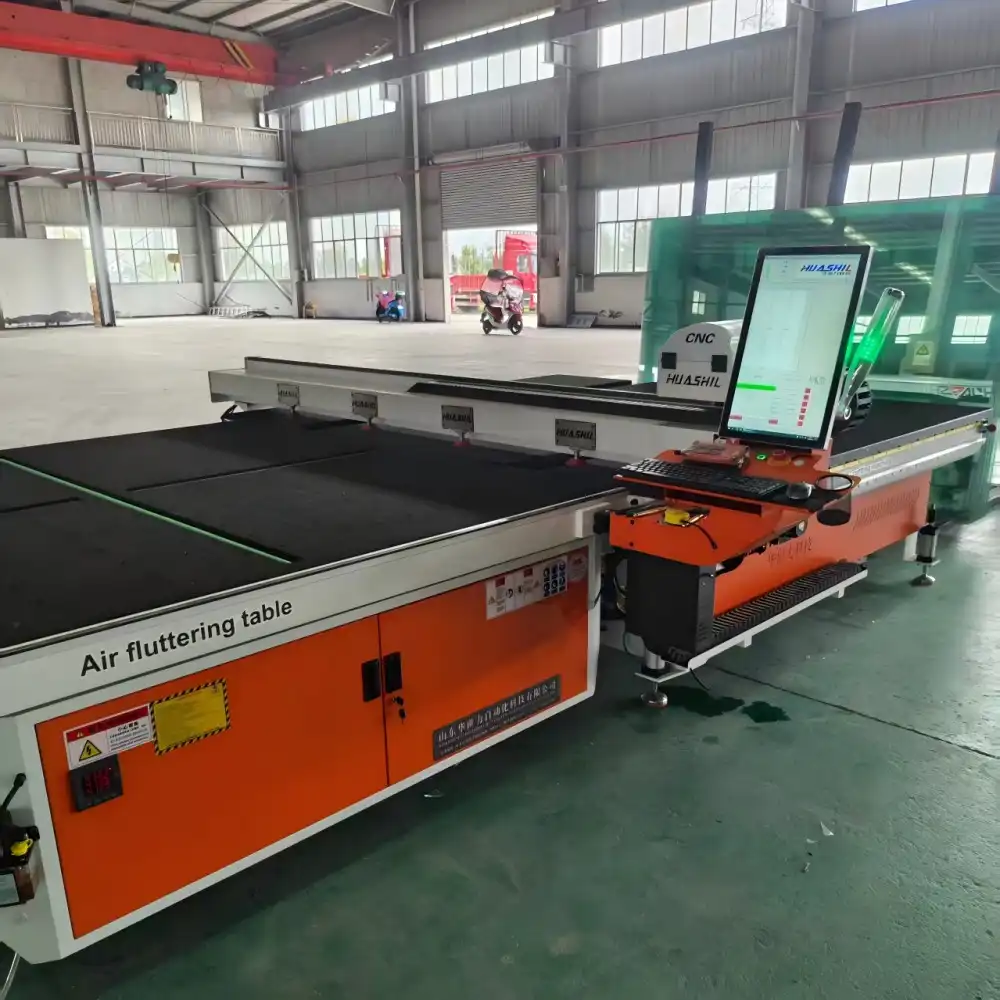
Modern glass cutting equipment combines functions formerly done individually. Automatic loading systems arrange raw glass sheets precisely, while CNC-controlled cutting heads repeat complicated designs. Air flotation reduces surface contact, avoiding material handling micro-scratches. Breaking tables concludes the process, separating final parts without user involvement.
The HSL-YTJ3829 model seamlessly processes glass panels up to 3660×2800mm and thicknesses from 2mm to 19mm. Optima computes the most economical cutting patterns to increase material consumption and reduce waste, which affects your bottom line. Automatic pressure control adjusts diamond wheel force by glass thickness for clean scores on various materials.
Technology Advantages for Industrial Environments
Synchronous belt conveyance systems carry glass gently and securely throughout manufacturing. The 360-degree remote control walking capability lets workers securely watch several zones, especially when handling gigantic architectural panels. Automatic edge detection avoids manual measuring mistakes, which is essential for millimeter-accurate curtain wall components.
CE and ISO9001 safety certificates show conformity with international production standards, easing procurement managers' concerns regarding workplace rules and insurance. These certificates simplify foreign customs clearance, lowering project timing uncertainty.
Comparing Glass Cutting Technologies for Optimal Procurement
Manual Versus Automated Systems
Classic manual glass cutters require competent operators to score and shatter each piece, but an all in one glass cutting machine overcomes the core limitations of this manual approach. This method restricts daily production to 80–120 square meters each shift, depending on complexity. Human weariness affects cut quality, especially during long manufacturing runs. Manual rework rates are 3-5%, resulting in considerable material loss.
Semi-automatic machines enhance uniformity but require manual manipulation for loading, alignment, and breakout. Production capacity rises to 200-250 square meters every shift, but labor costs remain high. These systems frequently lack advanced optimization algorithms, leading to lower material yield than fully integrated alternatives.
Integrated Automation Benefits
Fully automated glass cutting devices like industrial glass cutting machines can cut 400 square meters every shift with one operator. The optimization program assesses hundreds of pattern variations in seconds, maximizing material consumption by over 92%. Calibrated machines have error rates below 0.5%, lowering manufacturing costs.
Glass auto-cutting machines excel in repeated architectural designs like window lites, door panels, and curtain wall spandrel glass. Once configured, the technology reproduces identical parts forever, maintaining uniformity over vast building surfaces. This consistency is difficult to accomplish manually, especially in multi-shift operations with different operator skill levels.
New research demonstrates that automated cutting technology pays for itself in 18-24 months through labor savings and waste reduction in fabrication factories. Production plants processing over 5,000 square meters per month can repay investment expenditures in 14 months.
How to Choose the Right All in One Glass Cutting Machine for Your Business?
Assessing Production Requirements
Honest capacity assessments should precede buying. Determine the monthly throughput and the three-year increase. Commercial architectural glass fabricators need equipment that can handle 4,000-8,000 square meters per month. With the right equipment, residential window makers may operate at 2,000-3,000 square meters.
Glass thickness range matters greatly. The majority of residential applications utilize 3-6mm glass, whereas commercial structures require 8-19mm for structural glazing and safety. HSL-YTJ3829's 2-19mm capacity covers both segments, giving you operating flexibility as your project mix changes. When business opportunities grow, machines with restricted thickness ranges may require expensive supplementary equipment.
Automation Features Impacting ROI
Automatic loading decreases handling time between cuts by 40-60% when compared to manual placement. Shops handling lots of similar-sized stock sheets benefit from this capability. Automatic pressure control optimizes force application to lengthen cutting wheel life and save high consumable costs across thousands of linear meters.
The breaking table integration eliminates a workstation, saving 15-20 square meters of precious real estate in urban production plants with high leasing rates. Extra-large panel processing may be supervised remotely, enhancing workplace safety measures that affect insurance costs.
Financial Considerations and Support
Equipment financing impacts cash flow immediately. Lease plans from jumbo glass cutting machine providers stretch expenditures over 36-60 months, protecting inventory and operational working capital. Curtain wall system integrators building fabrication capacity may benefit from 8–12% bulk purchase discounts on several units or manufacturing lines.
Post-sales support for the all in one glass cutting machine influences operational longevity. The availability of spare parts within 48-72 hours reduces component failure downtime. Your team maximizes investment performance with technical assistance, installation supervision, operator training, and frequent maintenance visits. Check mechanical and electrical control system warranties, which range from 12 to 24 months depending on supplier policies.
Maintaining and Operating Your Glass Cutting Machine Safely and Efficiently
Routine Maintenance Protocols
Daily glass dust removal from linear guides and cutting heads prevents wear-accelerating abrasion. To sustain air flotation table suction, vacuum systems need filter inspection every 40 hours. Moving parts are lubricated regularly by manufacturers in high-use facilities.
Monthly calibrations check conveyor and cutting head perpendicularity. Dimensional inaccuracies from 0.3mm variations accumulate over large panels, causing project site installation issues. Calibration takes 90 minutes but prevents costly field repairs and customer disputes.
Glass type and usage intensity determine cutting wheel replacement. Standard float glass permits 8,000-12,000 linear meters per wheel; coated or tempered glass limits it to 5,000-7,000. Keeping replacement records helps estimate consumable demands, preventing production disruptions.
Safety Training and Protocols
Machine controls, emergency stops, and PPE use are covered in operator training. Safety eyewear, cut-resistant gloves, and steel-toed shoes are required in glass manufacture. Comprehensive 16-24-hour training programs mix classroom and supervised machine operation to improve competency before unsupervised employment.
Interlocks prohibit operation when access panels open, and emergency stops are at arm's reach throughout the machine. When operators enter dangerous zones, sensor arrays stop movement to prevent crush injuries. These systems should be tested quarterly to guarantee they work during crises.
Future Trends and Innovations in Glass Cutting Technology
Industry 4.0 Integration
Flat glass cutting machines may now provide production data to ERP systems in real time thanks to connected manufacturing environments. Production managers may monitor machine use, identify bottlenecks, and plan repairs during low-demand periods using this link. Operating patterns are analyzed to predict component failures before breakdowns, transforming maintenance from reactive to preventative.
IoT sensors in cutting machinery monitor vibration, motor current draw, and temperature. Alarms for deviations from baseline values allow staff to fix issues during planned maintenance windows rather than urgent orders. Early adopters in automotive glass production say this data-driven method decreases unexpected downtime by 30-40%.
Sustainability and Waste Reduction
Environmental restrictions are pressuring firms to reduce waste. Modern optimization methods use offcut management to save usable remains for smaller parts. Some methods lose less than 5%, compared to 12-15% in conventional processes, which is significant when processing thousands of square meters weekly.
The all in one glass cutting machine uses energy-efficient motor systems and standby modes to save electricity during idle periods. Newer iterations of this equipment use 20-25% less electricity than five-year-old versions, cutting operational expenses and advancing business sustainability. Architectural projects seeking LEED certification, where supplier environmental policies affect credit calculations, benefit from these changes.
Conclusion
Budget restrictions and long-term operational goals must be balanced while choosing glass cutting equipment. Throughput, material consumption, and labor reliance are enhanced by automated systems, which add up over several years. The HSL-YTJ3829 is an established architectural glass fabrication technology for conventional window manufacturing and sophisticated curtain wall applications. Successful procurement teams consider machine specifications and supplier support infrastructure to ensure technical support and spares availability across equipment lifecycles. As construction markets develop and automation becomes mainstream, educated decisions provide your organization with a competitive edge.
FAQ
Q1: What glass types work with all-in-one cutting machines?
Annealed float glass, low-E coated glass, pre-tempered glass, laminated glass components, and insulated glass unit lites are processed using these technologies. HSL-YTJ3829 handles 2mm to 19mm thicknesses for residential and commercial use. Customizable profiles in Optima software allow for specialized coating cutting settings.
Q2: How does automation improve production efficiency?
Automation cuts cycle time per piece by 50–65% by eliminating manual measuring and placement. One operator may supervise cutting cycles with automatic loading, edge detecting, and breaking table integration. Software optimizes material yield to 92%+ against 80-85% in manual procedures. These enhancements quadruple daily output over existing approaches.
Q3: What warranty and support packages apply?
Mechanical and electrical components have 12-24 month warranties, with service agreements offering longer coverage. Priority parts shipment, periodic calibration visits, and dedicated technical contacts are common with bulk orders. After-sales service includes installation supervision, operator training, and remote troubleshooting to maintain equipment operation.
Partner with a Trusted All in One Glass Cutting Machine Manufacturer
Architectural fabricators worldwide benefit from HUASHIL's decades of automated glass processing equipment expertise. As a renowned all in one glass cutting machine supplier, we provide entire production solutions adapted to your operating needs. Our HSL-YTJ3829 model is reliable and has Optima optimization software, automated loading systems, and air flotation technology. It is CE and ISO9001 certified.
We know capital equipment purchases require product and supplier trust. From capacity planning to installation, training, and technical support, we offer complete support. Talk to our experts at salescathy@sdhuashil.com about your production objectives, specs, and financing solutions that match your procurement timetable. Experience the HUASHIL difference through individual consultancy and demonstrations of how our glass cutting technologies optimize fabrication operations.
References
1. Anderson, M. (2023). Automation in Architectural Glass Manufacturing: Efficiency and Quality Improvements. Industrial Glass Technology Journal, 45(3), 112-128.
2. Chen, L., & Rodriguez, P. (2024). Comparative Analysis of Glass Cutting Technologies for Commercial Applications. Manufacturing Automation Review, 18(1), 67-83.
3. European Glass Federation. (2023). Best Practices for Glass Processing Equipment Maintenance. Brussels: EGF Technical Publications.
4. Harrison, D. (2022). ROI Analysis of CNC Glass Cutting Systems in Mid-Size Fabrication Plants. Building Materials Economics Quarterly, 31(4), 204-219.
5. International Glass Manufacturing Association. (2024). Safety Standards for Automated Glass Processing Equipment. IGMA Guidelines Series, Technical Report 2024-02.
6. Zhang, W., Thompson, R., & Kumar, S. (2023). Industry 4.0 Integration in Glass Fabrication: IoT Applications and Predictive Maintenance. Smart Manufacturing Technology, 12(2), 89-105.