




Visit any high-performing glass production factory today, and you'll observe that the loading bay operates with accuracy and rhythm that manual handling cannot equal. Modern glass processing processes rely on a glass sheet loader to automate raw material handling, which was formerly laborious. Automated loading solutions reduce physical strain and safety dangers from lifting large glass sheets while boosting throughput by 40%. When handling architectural glass panels worth hundreds of dollars per sheet, automatic loaders decrease glass breakage and increase productivity. Production directors and plant managers in the architectural glass, curtain wall, and furniture manufacturing industries know that automated loading technology reduces labor costs, improves workplace safety, and ensures consistent quality output that meets increasingly demanding project specifications.
Understanding Global B2B Procurement Challenges
US glass fabrication factories are under pressure to increase output without sacrificing quality or safety. In recent years, supply chain interruptions have made equipment dependability and local service support crucial procurement concerns.
Navigating Equipment Investment Decisions
Plant managers assessing glass handling equipment have challenges. For mid-sized enterprises, capital expenditure approvals demand a demonstrated return on investment within 18-24 months. Engineering teams must ensure that new automated systems work with cutting tables and edging lines without costly facility upgrades. Installation, operator training, and long-term maintenance costs are included by procurement departments when calculating the total cost of ownership.
Addressing Labor Shortages Through Automation
The architectural glass sector struggles to find qualified manual handlers for repetitive heavy lifting. Automated glass loading systems reduce operator physical demands and allow one technician to manage equipment that formerly needed three. This transition is especially useful for curtain wall fabricators handling large-format panels above 3600mm, when manual handling creates harm and insurance liability problems.
Quality Consistency Demands
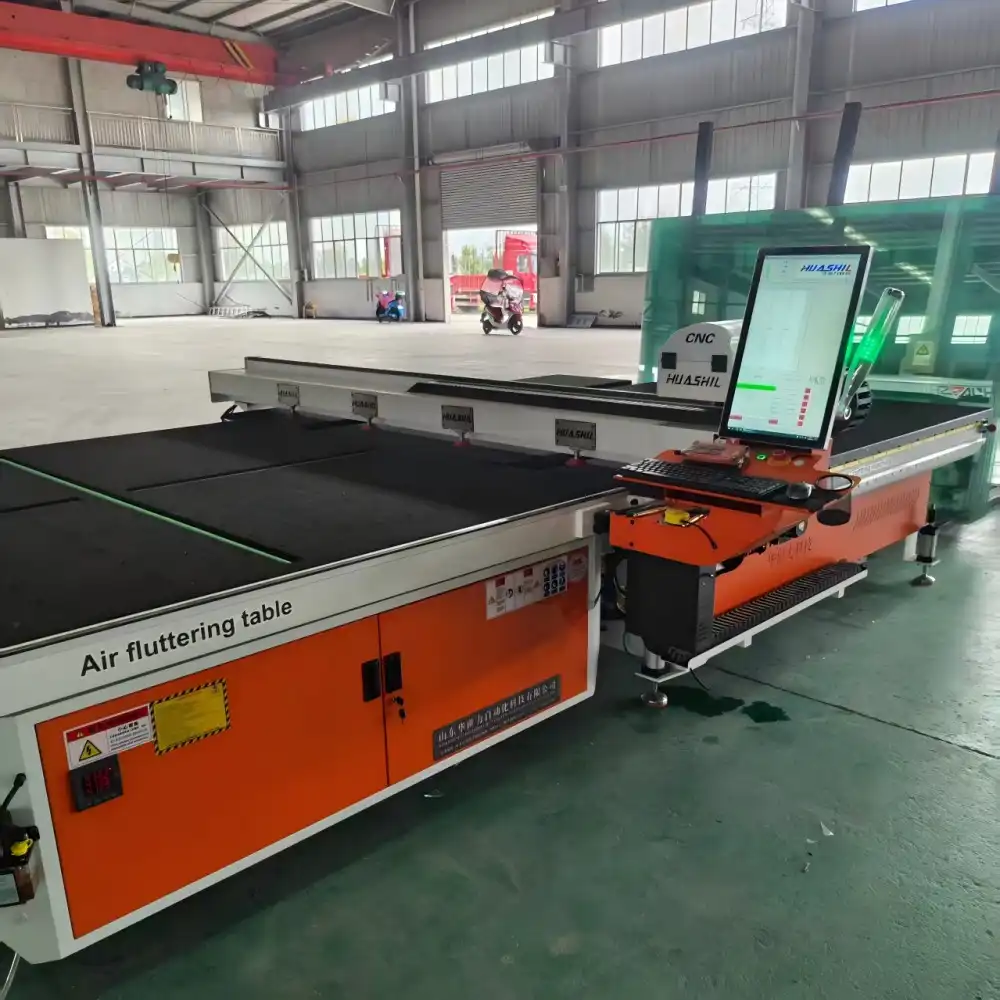
Major purchasers have a zero-tolerance policy for surface blemishes and edge chips for retail shower door and glass furniture suppliers. Manual loading creates variability—even experienced operators can misread grasp spots or provide unequal pressure. The glass sheet loader equipped with automatic air flotation systems eliminates these human uncertainties, ensuring uniform handling quality across production shifts. This dependability is crucial for processing low-iron glass or specialist coatings, when surface flaws cannot be hidden or remedied downstream.
Leveraging Technology to Optimize Procurement Processes
Modern glass production equipment has advanced controls beyond material movement. Understanding these technological capabilities helps procurement teams compare suppliers and equipment types.
Intelligent Material Handling Systems
Advanced glass sheet loaders combine automated functions. Automatic edge detecting technology detects glass dimensions and placement without operator measurement, saving setup time between sheet sizes. Automatic pressure control systems regulate vacuum suction power dependent on glass thickness, which is essential for processing 2mm ornamental panels to 19mm structural glazing in one day. The HSL-YTJ3829 model handles 3660×2800mm glass dimensions with 0.5mm positioning precision using this integration.
Remote operation is another innovation. Instead of being tied to control stations, 360-degree wireless equipment lets personnel handle loading sequences from appropriate positions. Mobility enhances safety and efficiency, especially when combining loader operation with downstream cutting or breaking table activities.
Software Integration Advantages
Procurement teams should assess the loading equipment-production management system integration. Intelligent nesting algorithms in Optima link loading sequences to cutting patterns, reducing material waste. When a loader interacts with cutting tables about incoming sheet size and orientation, the manufacturing line works together. This integration cuts loading-to-cutting time by 15-20% over manual coordination.
Production managers gain relevant information from contemporary loaders' data collection. Equipment monitoring detects cycle times, bottlenecks, and maintenance notifications before small faults cause production stoppages. Multiple-shift facilities benefit from this visibility since performance data exposes hidden training and process improvements.
Evaluating Technical Specifications
Engineering managers assessing automated loading systems should consider performance criteria beyond size capacity. Synchronous belt conveying systems reduce vibration that might create edge chips in freshly cut glass compared to roller-based systems. Air flotation devices cushion glass sheets, allowing easy positioning modifications without scratching coated glass. Breaking the table connection allows the scored glass to be separated without intermediary handling, streamlining the process.
Certification standards objectively verify equipment quality and safety. CE certification proves compliance with European machinery safety requirements, which is vital for US operations considering equipment resale value or international facilities. Companies with ISO 9001 certification have established quality management processes, which improve after-sales support and parts availability.
Best Practices for Supplier Selection and Relationship Management
Buying glass processing equipment is a multi-year relationship. Producers must assess both the equipment and the supplier's ability to sustain operations.
Conducting Comprehensive Supplier Assessments
Effective supplier competency evaluations incorporate various factors. Manufacturers with decades of glass automation expertise understand industry-specific issues that generic machinery builders may ignore. Shandong Huashil Automation Technology Co., Ltd. specializes in glass and stone processing equipment rather than diversifying.
When selecting suppliers for the glass sheet loader, technical support infrastructure should be carefully considered. Glass manufacturing has tight schedules, and equipment downtime affects contract penalties and customer relations. Technical inquiry response times, spare parts stocks, and remote diagnostics show suppliers' dedication to reducing production interruptions.
Establishing Clear Performance Expectations
Purchase agreements should use objective approval criteria instead of subjective ones. Throughput rates, positional accuracy limits, and cycle time benchmarks set equipment commissioning criteria. Milestone-based payment schemes protect buyers and incentivize suppliers to provide complete, working systems for full production line deployments.
Building Long-Term Partnerships
Automation, safety, and integration possibilities in glass manufacturing technologies improve constantly. Suppliers who communicate on equipment improvements, productivity optimization, and industry best practices offer value beyond the initial sale. Working with vendors that understand equipment configurations and operational difficulties helps facilities plan capacity increases or process upgrades.
Sustainability and Compliance in Global Procurement
Environmental concerns increasingly affect capital equipment selections as regulatory and customer expectations shift toward sustainable production.
Energy Efficiency Considerations
Automated glass loading systems use less energy than manual handling staff in temperature-controlled buildings. During production gaps, variable frequency drives and adaptive standby modes save power usage. For proper lifespan cost comparisons, procurement teams should seek power consumption details when calculating total cost of ownership.
Safety and Compliance Standards
As industrial risks are more understood, worker safety laws tighten. Manual glass handling is linked to repetitive strain injuries, acute damage from fallen sheets, and long-term musculoskeletal diseases. Automated loading methods reduce exposure hazards, lowering workers' compensation insurance costs and showing corporate concern for workers. Multijurisdictional facilities benefit from equipment following worldwide safety standards rather than localized variations.
Waste Reduction Through Precision
Manual glassmaking wastes 8–12%, according to industry figures. Automated loading systems prevent material handling breakage, reducing landfill waste and raw material use. Breakage reduction reduces the need for energy-intensive float glass manufacture and shipping, which impacts the environment outside the fabrication site.
How HUASHIL Solutions Empower Your Production Strategy
Architectural glass fabricators, curtain wall integrators, and specialty glass producers need equipment partners who understand high-volume, quality-focused manufacturing.
Comprehensive Automation Capabilities
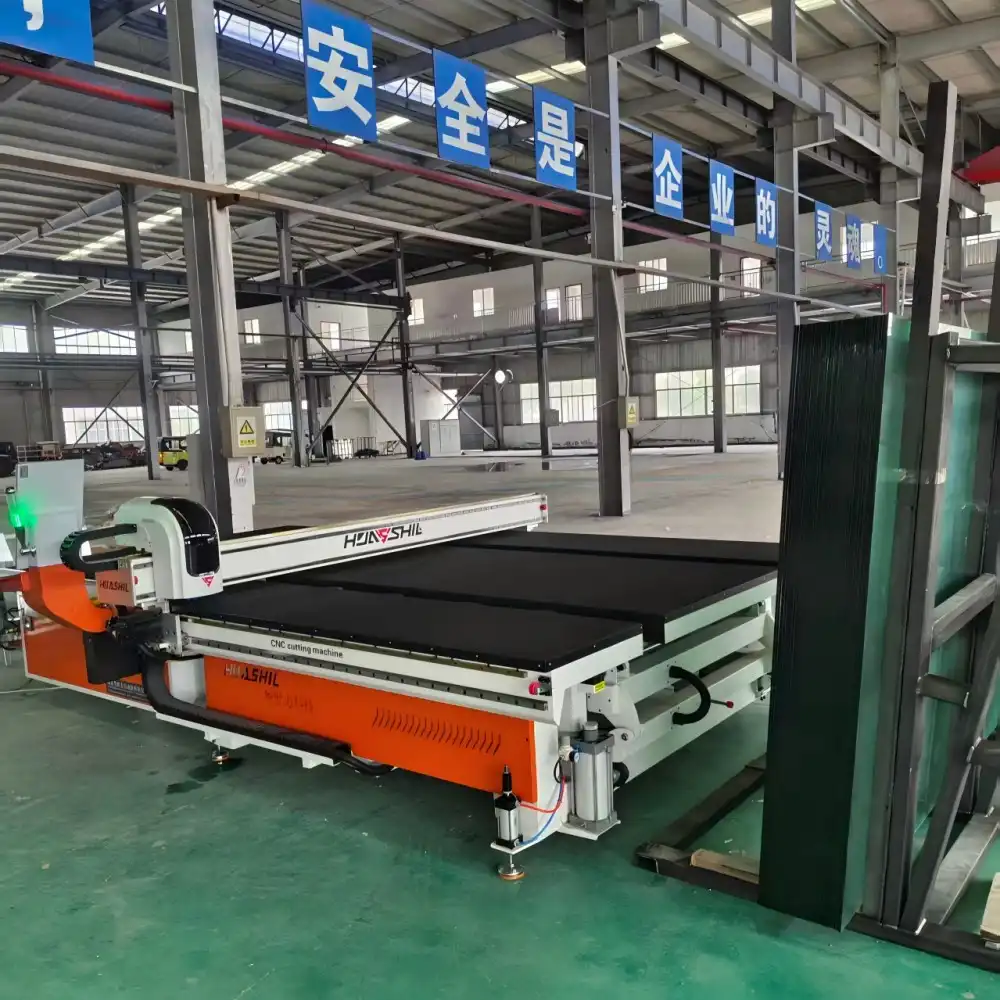
HUASHIL automated glass loading systems improve material flow from storage racks to cutting and breaking. Operators can place large glass sheets with little effort using the air flotation system's near-frictionless surface. Automatic edge recognition removes measurement stages, enabling fast sheet dimension changes without manual tuning or programming. Due to the potential of apparent damage to low-iron glass or custom coatings, synchronous belt conveying is essential.
Production flexibility in HUASHIL equipment fits architectural glass enterprises' varying material criteria. One system can handle 2mm ornamental panels to 19mm structural glazing, eliminating the need for numerous loaders. The maximum sheet capacity of 3660×2800mm accommodates common architectural glass dimensions and huge curtain wall panels that defy traditional equipment.
Proven Performance and Support
The glass sheet loader with CE and ISO 9001 certifications objectively verifies production quality and process consistency. These international standards demonstrate adherence to defined quality methods that ensure device reliability. Glass fabricators with project-based production schedules respect this reliability since equipment failures affect contract fulfillment and client relationships.
Technical support infrastructure distinguishes small operational issues from significant production delays. HUASHIL has extensive replacement parts and technical documentation for fast problem solutions. Remote diagnostics and rapid communication help production teams reduce downtime when technical support is needed.
Customization for Specific Applications
Production quantities, layout limitations, and material specifications vary greatly in glass manufacturing plants. HUASHIL engineers configure loading systems alongside plant management and technical personnel to meet operational needs. Curtain wall fabricators handling entire production line installations benefit from this modification since loading equipment must cooperate with downstream cutting, edging, and washing systems.
Space-efficient solutions provide automation benefits without facility adjustments for furniture and shower door makers in smaller facilities. The 360-degree remote control allows equipment arrangement to match floor layouts without costly building upgrades.
Conclusion
Glass sheet loader technology is no longer a luxury. Competitive fabrication operations need glass sheet loader technology. Workplace safety, production efficiency, quality output, and labor dependency reduction generate attractive return on investment in architectural glass, curtain wall, and specialty glass manufacturing. The competitive gap between automated and manual processes expands as labor prices rise and quality demands rise. Production directors assessing equipment expenditures should examine both immediate productivity improvements and long-term strategic positioning in an industry where automation capabilities increasingly distinguish market winners from struggling businesses. Glass fabrication companies that use established automated loading technologies may satisfy market demands while ensuring professional safety and quality.
FAQ
Q1: What glass thickness range can automated loaders handle?
Modern automated glass loading systems can load 2mm decorative glass to 19mm structural glazing on one platform. Automatic pressure control adjusts vacuum suction power dependent on glass thickness to provide safe handling without surface damage to thin materials or poor grip on heavier panels. This adaptability removes the need for numerous specialist loaders when fabricating varying material standards, giving job shops and custom fabricators operating flexibility for diverse project needs.
Q2: How does automated loading improve workplace safety?
Manual glass handling can cause acute injuries from fallen sheets, repetitive strain disorders from lifting large panels, and lacerations from sharp edges. Automated loading systems carry glass from storage racks to processing equipment without worker touch. Air float and vacuum handling technologies eliminate manual lifting, saving workers' compensation claims and insurance rates, and showing corporate concern for employees. New automated loading facilities indicate 70–80% fewer handling-related injuries.
Q3: What integration capabilities should procurement teams evaluate?
Production management systems, downstream cutting tables, and optimization software should work flawlessly with glass loading equipment. Optima-compatible equipment coordinates material flow so loading sequences match cutting patterns, decreasing cycle time and manual coordination. Remote diagnostics let technical support staff fix issues without site visits, decreasing downtime. During supplier evaluation, procurement teams should seek control system protocol, software compatibility, and data gathering documents.
Ready to Transform Your Glass Loading Operation?
For high-volume architectural glass fabrication, curtain wall production, and specialized glass manufacture, HUASHIL offers proven glass sheet loader solutions. The HSL-YTJ3829 automated loading system uses air flotation, edge recognition, and pressure control to handle glass sheets up to 3660×2800mm with accuracy that manual handling cannot match. As a recognized glass sheet loader manufacturer, we provide technical assistance and replacement parts to keep your production on schedule. Contact our engineering team at salescathy@sdhuashil.com to explore how our loading automation fits your production needs, facility architecture, and capacity goals. We give technical documentation, performance statistics, and TCO analysis to help you choose capital equipment.
References
1. Glass Manufacturing Industry Council. "Automation Impact on Glass Fabrication Efficiency and Safety Outcomes." Industrial Glass Processing Technology Review, 2023.
2. National Safety Council. "Occupational Injury Statistics in Glass Manufacturing and Materials Handling Operations." Workplace Safety Annual Report, 2022.
3. American Architectural Manufacturers Association. "Best Practices for Glass Processing Equipment Selection and Integration." Technical Standards Publication, 2023.
4. International Journal of Advanced Manufacturing Technology. "Comparative Analysis of Manual versus Automated Material Handling Systems in Glass Production Facilities." Volume 118, 2022.
5. Building Envelope Contractors Association. "Quality Control Standards for Architectural Glass Fabrication and Processing Equipment." Industry Guidelines Document, 2023.
6. Manufacturing Engineering Society. "Total Cost of Ownership Analysis Framework for Capital Equipment Investment in Glass Processing Operations." Industrial Equipment Procurement Guide, 2022.