




The simple answer is yes. Industrial glass cutting and laminating systems streamline production, save labor costs, and improve products. These mechanical solutions solve fundamental issues, including uneven hand cuts, waste, and scale constraints for plant managers and procurement directors in architectural glass, automotive, and furniture sectors. By integrating precision automation with proven laminating technology, companies can operate more quickly, more accurately, and more safely. The investment saves money immediately and prepares producers to confidently satisfy market demands.
Understanding Industrial Glass Cutting and Laminating Systems
To make final glass products, automated glass manufacturing equipment cuts and laminates. These systems combine precision mechanics and software to repeat outcomes in high-volume manufacturing.
Core Components of Modern Glass Cutting Equipment
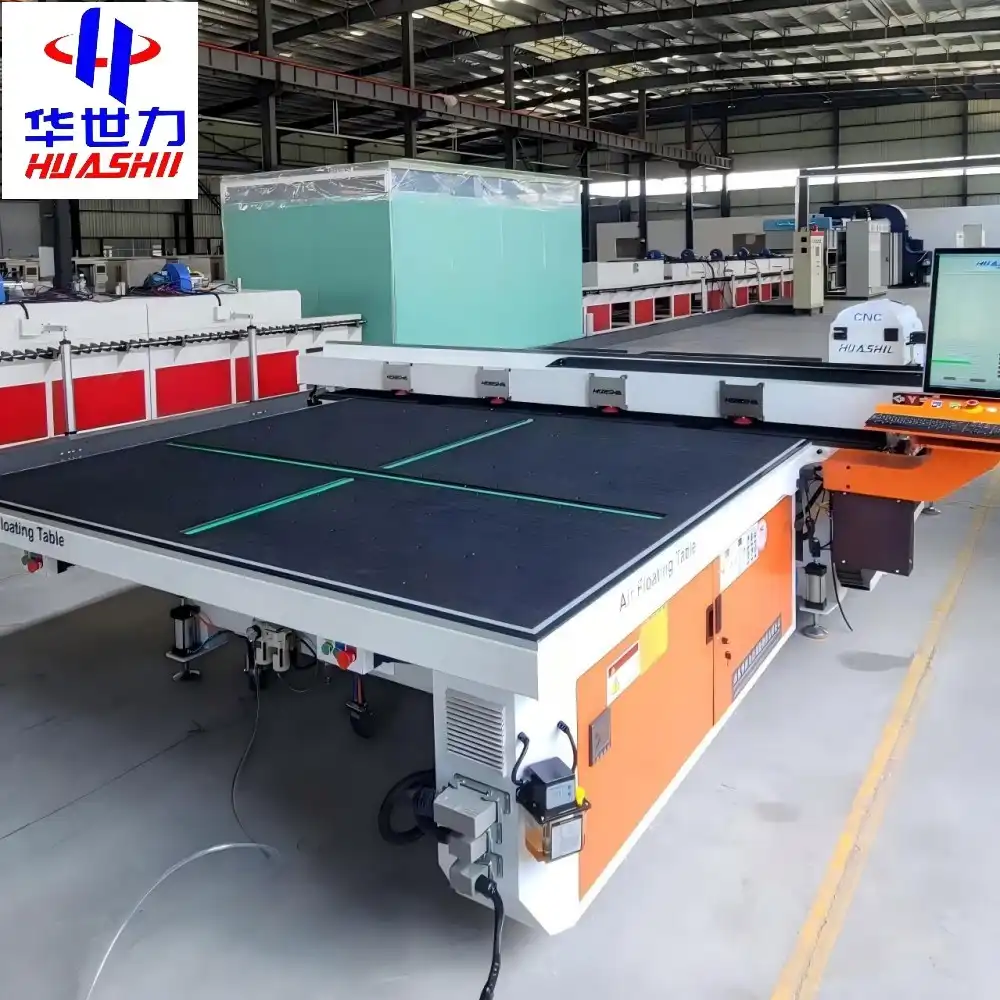
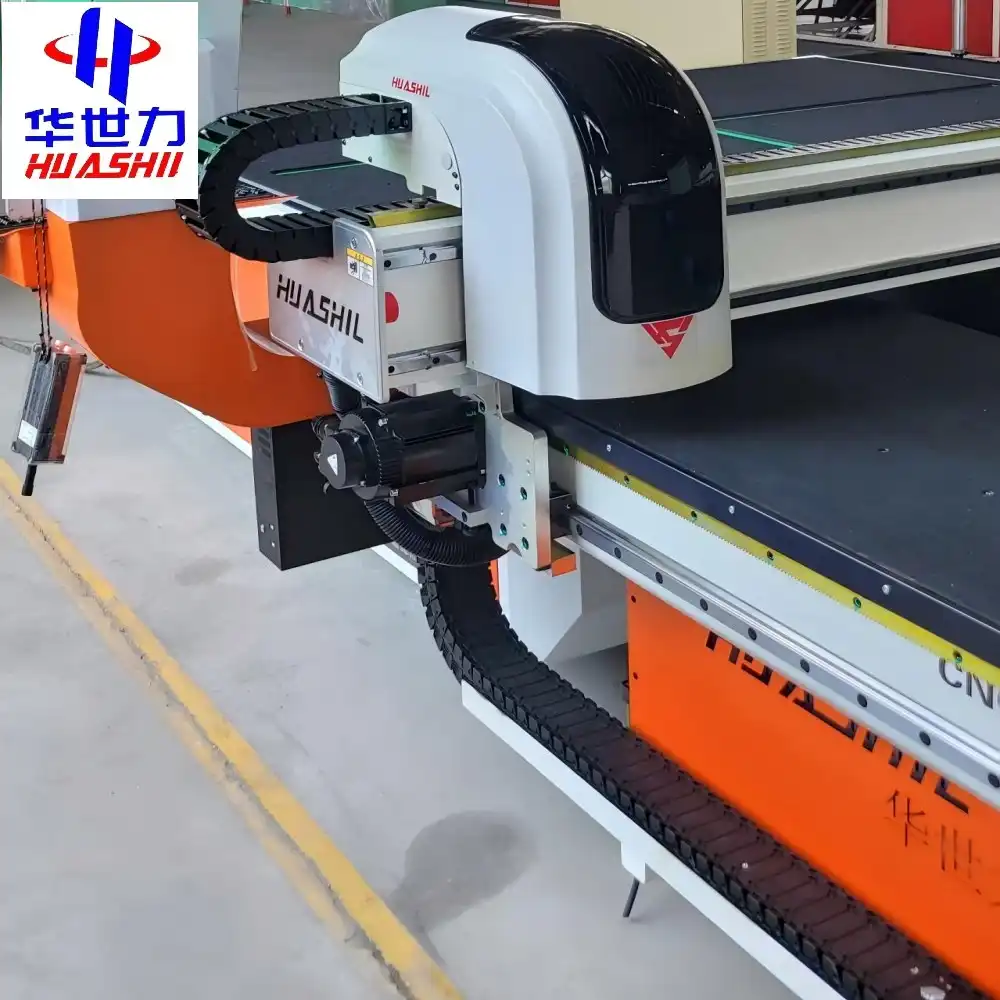
Industrial cutting machines separate glass using diamond-tipped scoring wheels or waterjet technology. Photoelectric positioning devices align everything before each cut, and conveyor belts shuttle panels through production without human handling. Touch displays on advanced versions may save cutting patterns, saving time between manufacturing cycles. The typical footprint is 4700mm long and 3100 mm wide. It can handle 3800mm panels and is compact enough for manufacturing integration. Worktable heights of 820mm enable loading and removing more simply without strain.
Laminating Technology and Safety Glass Production
Laminating devices link glass layers using barrier films like PVB or EVA. This approach produces safety glass that remains together when broken, meeting curtain wall, automobile windshield, and artistic regulations. Film thickness may range from 0.38mm to 1.52mm for safety, and appropriate glass thickness can be 3+3mm to 8+8mm. Bonding is done at a controlled temperature and pressure to avoid bubbles and ensure clarity.
Industry Applications Across Multiple Sectors
Architectural glass fabrication operations create window panels, shopfront glazing, and separating walls using these processes for uniform edge quality. Automotive glass producers cut windscreens and side windows precisely for automobile assembly lines. Cutting glass into unique forms for tabletops, shower enclosures, and mirrors benefits the furniture and decorative glass sectors. Curtain wall system integrators acquire processing lines for large-scale project manufacturing. Engineered stone and sintered stone manufacturers utilize the same cutting method.
Modern machinery can cut 100 meters per minute, quicker than traditional techniques. With this speed and exact placement, you can reduce edge chips and secondary finishing processes. Waste reduction from panel design software affects raw material costs. Thus, more material is utilized.
Benefits and Value Proposition of Investing in These Systems
The main reason for investing in technology is to make manufacturing more efficient. When production leaders think about buying new tools, they should think about both short-term operational benefits and long-term strategic benefits.
Quantifiable Efficiency Gains
Cutting glass by hand creates bottlenecks. Automatic processing eliminates them. One machine operator may monitor many cutting cycles, freeing up staff for quality control or assembly. Higher throughput results from consistent feed rates and minimal setup time. Photoelectric tracking technology ensures the initial cut is correct, eliminating trial-and-error alterations that delay output.
Reducing material waste saves money immediately. Precision cutting reduces edge problems that need repair or panel disposal. Nesting algorithms optimize cuts to maximize glass sheet utilization and sellability. Over a year of manufacturing, even tiny advances save material costs significantly.
Quality, Consistency, and Product Reliability
Repeatability makes industrial technologies important. Once put up, cutting patterns don't change after thousands of cycles, preserving dimensions beyond human grasp. Edge quality remains constant, reducing field breakdown stress. Laminating systems record temperature and pressure precisely, ensuring that all safety glass units adhere equally.
Contract manufacturers in the automotive and architectural sectors need this uniformity since requirements might cause legal issues. Reliable equipment allows you to meet delivery schedules, create client confidence, and charge more for proven quality.
Financial Return and Total Cost Analysis
Consider the overall cost of ownership, not just the purchase price, when considering equipment investments. Modern industrial glass cutting and laminating systems include modules for easy maintenance and replacement. When replacement parts are readily available via supplier networks, downtime risk is minimized during peak production.
Newer, energy-efficient equipment costs less to operate. Variable-speed drives and optimized motion profiles reduce cut power, saving money over shifts. Warranties cover critical mechanical and control systems. Capital investments in the first several years are protected.
Training is simplified by standard operating procedures and interfaces. Technical managers believe operators learn the job in weeks, not months, speeding up ROI. Automatic systems reduce physical labor, making the workplace safer and lowering workers' compensation insurance costs and absences.
Comparing Glass Cutting and Laminating Technologies to Alternative Solutions
When making a procurement decision, it helps to know about the pros and cons of different competitive technology options. There are a lot of different ways to buy glass-making tools, and each one works best for a different type of production.
Automated Cutting Versus Manual Methods
Handheld glass cutting is still possible for tiny bespoke work, but industrial manufacturing requires more. Skilled artisans can be exact on a single piece, but long-term consistency is difficult. Costs per unit at commercial levels pile up fast for labor. Automatic methods eliminate the requirement for multiple skill levels when handling hundreds of panels each day with the same standards.
Waterjet Technology Considerations
Waterjet cutting can cut intricate curved shapes and thick, unscored glass. Architectural elements and art installations benefit from this strategy. Operating expenses are greater since abrasive material must be replaced and the pump maintained. Waterjet processing is slower than mechanical scoring, making it less suitable for creating rectangular panels, which are prevalent in the window and curtain wall sectors.
Evaluating Laminating System Options
Laminating technique differs in how it heats and how much it can create. Batch-autoclaved glass units improve visual quality for high-end purposes. Continuous laminating lines may create more panels than automated cutting equipment by passing panels via roller systems with regulated heating zones. Size capacity, temperature consistency, and cycle time criteria classify 2024 supplier items.
Instead of adding more capacity, production managers should make sure the equipment meets business demands. Car glass plants with three shifts and furniture companies that create 200 shower doors a week have distinct requirements. Along with technical specs, a supplier's reputation and after-sales service should be considered.
Making the Right Investment Decision: How to Choose the Best Systems
To choose the right industrial glass cutting and laminating systems, you need to carefully consider your technical needs, the supplier's skills, and your budget. Engineering managers should use structured decision models to lead cross-functional teams that include people from production, support, and finance.
Performance Metrics That Matter
The accuracy of the cuts has a direct effect on the quality of the final product and the steps that come after. Specifications for tolerances should be in line with industry standards that apply to the target markets. For example, architectural glass needs to be more precise than glass used in cars. Throughput capacity needs to be able to handle the current amount of production while also leaving room for the business to grow without getting too many features that won't be used.
Long-term running costs are affected by how easy it is to do maintenance. Production plans are kept safe by designing equipment so that regular maintenance can be done without special tools or a lot of downtime. Standardising parts across machine models makes it easier to keep track of spare parts and train technicians.
Supplier Evaluation Criteria
The name of the manufacturer in the target industries gives people faith in the equipment's dependability in real-world situations. References from similar factories that make things can give you more information than just what you need for marketing. Response times for production problems are based on the infrastructure for after-sales support, which includes technical hotlines, field service coverage, and parts distribution networks.
When it comes to integrated production lines, customisation flexibility is very important. Factory integration is made easy by being able to set up equipment for specific panel sizes, handling systems, and downstream interfaces. Curtain wall installers and system makers can set their products apart by offering custom processing solutions with OEM and ODM support.
Financial Structuring Options
When buying capital instruments, undertake cost research beyond the sticker price. Installation expenditures, operator training programs, preventive maintenance plans, and component repair frequency should be included in the total cost of ownership. Estimates of energy usage based on production demonstrate continuous expenses during equipment life.
Leases or delayed payments might assist businesses in managing cash flow throughout setup and ramp-up. Bulk purchases of tools or manufacturing lines sometimes result in lower pricing and fewer servicing contracts. Budget approvers appreciate detailed financial models with payback timelines and expected internal rates of return for large capital investments.
HUASHIL automation solutions consider these concerns and employ proven equipment and fast technical assistance. Since our industrial glass cutting and laminating equipment can handle panels from 300mm to 3800mm, it may be utilized for many manufacturing purposes. The modest equipment footprint (4700mm x 3100mm) matches existing plant designs and doesn't need building adjustments.
Maintenance and Future-Proofing Your Industrial Glass Systems Investment
Proactive maintenance programs and investments in operator training are key to making equipment last as long as possible. Production directors should set up rules that keep systems running smoothly while also getting them ready for changes in technology.
Establishing Preventive Maintenance Routines
Regular inspections find patterns of wear before parts break down and stop production. Monitoring the condition of the cutting wheel makes sure that the quality of the edge stays the same by replacing the tools at the right times. Alignment checks for the conveyor belt stop mistakes in placing the glass that would affect the accuracy of the cutting. Scheduled lubrication of motion systems' mechanical parts makes them last longer and keeps the system running smoothly.
Cleaning methods get rid of glass dust and other particles that can get in the way of photoelectric sensors and air systems. To keep the exact conditions needed for proper interlayer bonding, laminating equipment needs to pay close attention to calibrating the heating elements and checking the pressure systems. Documentation systems that keep track of maintenance tasks collect standard performance data that helps with fixing problems when they happen.
Operator Training and Skill Development
Investing in equipment can be turned into productivity gains through thorough training programs. The operators need to be taught how to do normal operations, everyday upkeep jobs, and basic troubleshooting. Knowing what equipment can and can't do keeps you from misusing it in a way that causes it to wear out quickly or have quality problems. Cross-training several employees makes sure that work keeps going even when people are sick or on vacation.
Technical managers should keep in touch with the companies that sell them tools so that they can get training updates as software versions change or new features become available. Supplier support teams can help with troubleshooting for industrial glass system integration more and more through network connections and remote diagnostics. This cuts down on field service costs and response times.
Preparing for Technological Advancement
The glass processing industry is still changing because new materials and digital technologies are being added. IoT connections make predictive maintenance possible by keeping an eye on health data for equipment and sending alerts to maintenance teams before problems happen. Analysing production data shows places where cutting patterns and scheduling algorithms can be improved, which leads to higher efficiency over time.
Cutting path optimisation and quality inspection systems are two new areas that use artificial intelligence to make work go more smoothly. When manufacturers make their first purchases, they should think about how to upgrade their equipment and how well it works with other software. This way, they can protect their investments from becoming obsolete too soon. When new technology is added, modular equipment designs make it possible for the equipment to last longer than usual between replacement rounds.
Environmental laws are having a bigger effect on industry processes. Facilities can meet their environmental goals and keep costs down by using equipment that uses less energy and creates less waste. As new materials come out, like thinner glass substrates and different interlayer chemicals, processing tools will need to be able to adjust.
Conclusion
In conclusion, companies that care about quality, speed, and staying competitive in the market can get big returns on their investments in industrial glass cutting and laminating systems. Precision technology, less reliance on manual labour, and consistent output quality all help solve major problems that architectural glass fabricators, car suppliers, and furniture manufacturers face. Modern equipment with features like 100-meter-per-minute cutting speeds and the ability to accommodate panels of different sizes gives businesses the production power they need to make money. Total cost of ownership analysis shows that initial capital investments are recouped through material savings, increased throughput, and consistent quality. As IoT integration and AI-assisted optimisation continue to push technology forward, the equipment that is bought today will give companies an edge in the changing markets for glass processing in the future.
Frequently Asked Questions
1. How do automated systems improve safety compared to traditional glass-cutting methods?
Automated glass processing equipment keeps workers from coming into direct contact with cutting tools and heavy glass panels, which lowers the risk of getting hurt when handling things by hand. Photoelectric tracking systems and protected cutting zones keep workers safe from glass chips and sharp edges that fly at them. Material movement is taken care of by conveyor systems, so lifting heavy panels doesn't cause repeated strain injuries. Automating the laminating process keeps workers from having to deal with chemical interlayer materials and high-temperature bonding processes. Safety interlocks stop equipment from running while repair workers are on it, and emergency stops let you turn it off right away. When compared to manual cutting tables and hand tools, these engineered safety features make workplaces naturally safer. This lowers the cost of workers' compensation and makes it easier to follow the rules.
2. What factors most significantly affect laminating system pricing?
Production ability is the main factor that affects prices, with ongoing high-volume lines charging more than batch processing systems. Choosing a heating technique, like convection, infrared, or steriliser, affects how complicated the equipment is and how much it costs. The need for panel size accommodation affects the size of the machine and the cost of the structure. The amount of automation affects the price, from systems that load materials by hand to ones that do everything automatically. Control systems that are more complex, with features like managing recipes and keeping an eye on quality, add value to technology. Price differences based on dependability and service responsiveness are justified by the manufacturer's reputation and after-sales support networks.
3. Can automated cutting machines integrate into existing production infrastructures?
Modern equipment for cutting glass is made up of separate modules that can be easily put together with existing plant plans and systems for moving materials. Standardised conveyor heights and interface protocols make it possible to connect to storage racks upstream and processing stations downstream. Small sizes make it possible to place in existing floor space without having to do a lot of work to the building. In industrial facilities, the needs for electricity and compressed air usually fit the current utility systems. When a control system works with factory networks, it's possible to combine production data and coordinate schedules. Experienced suppliers offer installation planning services that check to see if the facility is ready and suggest ways to set up the equipment so that there is as little disruption as possible during commissioning.
Maximize Your Glass Processing Capabilities with HUASHIL
We at HUASHIL are ready to help you improve the way you process glass by giving you industrial glass cutting and laminating systems that have been used by makers who need stability and performance. Our engineering team has a lot of experience setting up automated systems for architectural glass plants, auto suppliers, and furniture makers in a wide range of production settings. As a well-known maker and supplier, we offer full help, from reviewing the specifications to installation, training, and ongoing expert support.
Our glass-cutting tools work precisely, and they can cut at speeds of up to 100 meters per minute while keeping the same measurements for panels that are 300mm to 3800mm long. Photoelectric positioning ensures consistent alignment, and controls that are easy to use mean that operators don't need to be trained as much. The small 4700mm by 3100mm size fits well into existing buildings, and our laminating systems can handle glass thicknesses ranging from 3+3mm to 8+8mm, as well as film thicknesses from 0.38mm to 1.52mm.
Email our sales team at salescathy@sdhuashil.com to talk about your unique production needs and look into custom solutions that will help you reach your business goals. We give you detailed technical documentation, performance specifications, and a total cost of ownership analysis to help you make smart decisions about what to buy.
References
1. Chen, W., & Liu, H. (2022). Automation Technologies in Architectural Glass Manufacturing: Efficiency and Quality Improvements. Journal of Manufacturing Systems and Technology, 18(3), 245-267.
2. Global Glass Processing Equipment Market Analysis and Forecast 2023-2028. (2023). Industrial Automation Research Institute.
3. Martinez, R. (2021). Total Cost of Ownership Analysis for Glass Fabrication Equipment: A Decision Framework for Procurement Professionals. International Journal of Production Economics, 156, 89-104.
4. Peterson, K., & Thompson, J. (2023). Safety Glass Production Methods: Comparative Analysis of Laminating Technologies. Glass Technology Review, 41(2), 112-129.
5. Roberts, D. (2022). Predictive Maintenance and IoT Integration in Glass Processing Operations. Manufacturing Engineering Quarterly, 29(4), 78-95.
6. Zhang, L., Kumar, S., & Anderson, P. (2023). Energy Efficiency and Sustainability in Automated Glass Cutting Systems. Journal of Cleaner Production, 287, 334-351.