




Precision, speed, and dependability are all things that modern glass fabrication needs but that are hard to get with traditional methods. Modern production settings depend on a mobile glass cutter, which changes how factories process glass by mixing advanced automation with portability. Instead of fixed systems that make it hard to change how things are done, these state-of-the-art machines bring precision directly to the workpiece, which means much less material handling while still keeping accuracy within ±0.1mm. Architectural glass plants, curtain wall installers, and furniture manufacturers are under more and more pressure to boost output without lowering quality. Mobile glass cutting solutions solve important problems that traditional methods can't.
The Challenges of Traditional Glass Cutting Methods in Factories
Many production facilities in the United States still cut glass by hand, even though this method has major operational problems that directly affect worker safety and profits.
Inconsistent Cutting Accuracy Compromises Product Quality
The quality of cuts made by handheld scoring tools depends a lot on the skill and steadiness of the person using them. The Glass Association of North America did a study that showed that human cutting methods waste between 12 and 18% of the material they cut, which is a lot more than automatic methods. Because of this, fabricators have to set aside more material for each job, which drives up the cost of raw materials and makes managing supplies more difficult.
Extended Labor Time Reduces Production Capacity
With the old ways, workers had to measure, mark, score, and break each piece of glass by hand. This process requires a lot of work, which slows down daily output, especially when dealing with large architectural panels or shapes that are hard to cut out for curtain wall systems. A lot of the time, production directors can't handle rush orders or efficiently scale operations during times of high demand.
Elevated Workplace Injury Risks Impact Insurance and Morale
Handling glass by hand can lead to repetitive strain injuries, and cutting glass can be dangerous because of the sharp edges and the chance of breaking it. According to the Occupational Safety and Health Administration, 23% more injuries happen in glass factories than in other factories in the industrial sector as a whole. These accidents raise the cost of workers' compensation insurance and make employees less likely to stay with the company, which are both secret costs that hurt its ability to compete.
Evolution to Mobile Glass Cutters: Transforming Factory Operations
The business world has changed a lot since advanced technologies that were only used in large-scale fixed setups started to be used in automated mobile glass cutters.
Integration of Laser Guidance and Electric Mechanisms
Modern mobile cutting equipment has laser projection systems that show cutting lines directly on glass surfaces. This gets rid of the measurement mistakes that come with marking things by hand. Electric drive mechanisms make sure that the scoring pressure is always the same, even if the glass is of different thicknesses. This makes sure that the results are the same for all materials. These improvements in technology bridge the gap between being able to move around and having the accuracy that has traditionally been only found on fixed production lines.
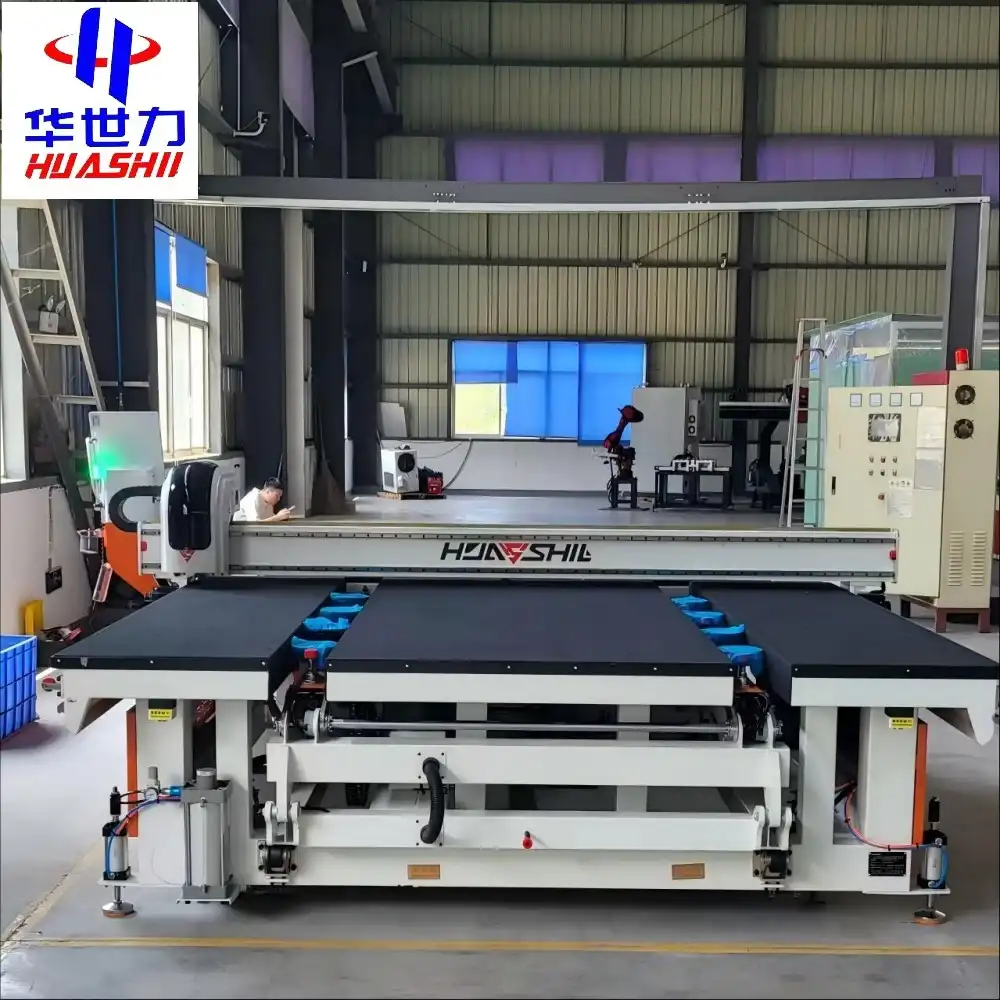
Adaptability Across Glass Types and Thicknesses
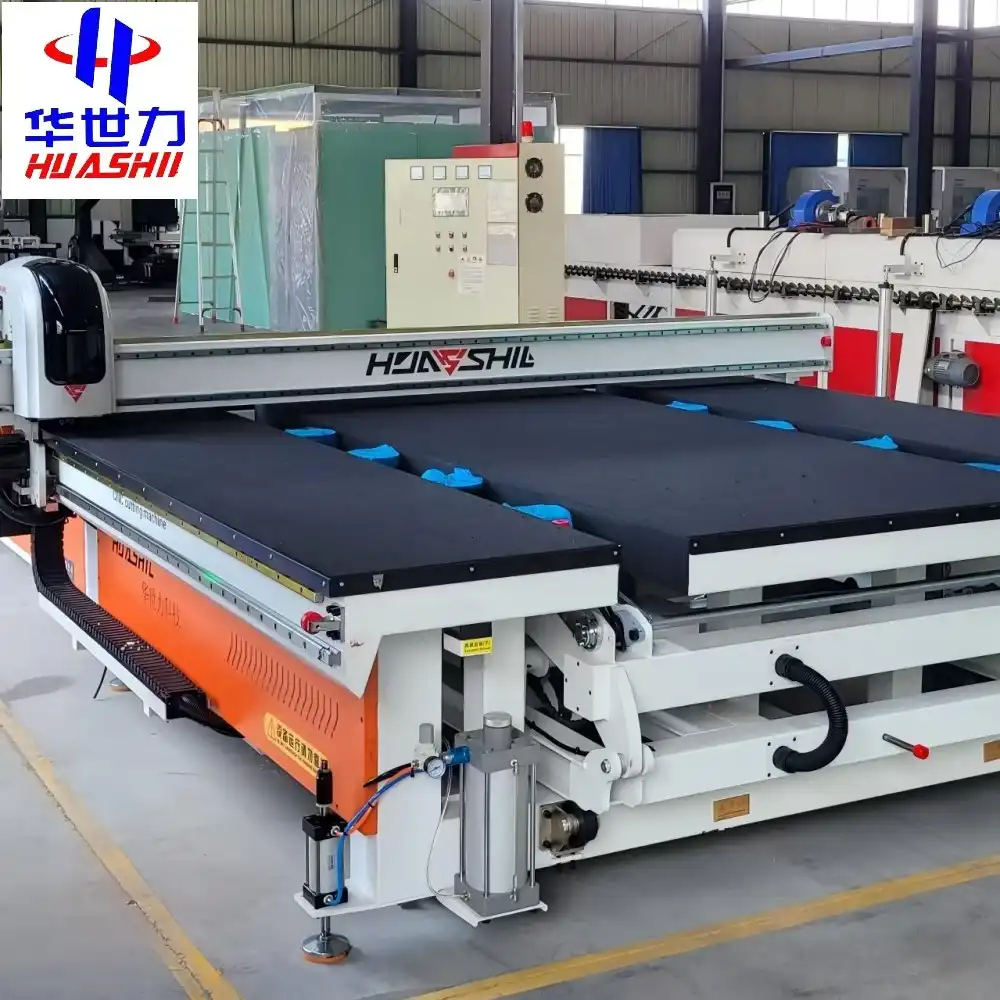
The HSL-CNC2721 model is a good example of this change; it can work with glass thicknesses ranging from 2 mm to 19 mm and has a maximum working size of 2700 x 2100 mm. This flexibility is especially helpful for companies that make a lot of different kinds of products, from shower door panels that are delicate to strong architectural glazing. The Optima optimisation software figures out the best way to cut things so that as little waste as possible is made. This helps procurement managers who are worried about the total cost of ownership.
Productivity Gains Validated Through Industry Application
Suppliers of automotive glass that use mobile cutting technology say that their cycle times are 40–55% shorter than with traditional methods. Fabricators in the construction industry who work on custom curtain wall projects report similar improvements. For example, a Texas-based company paid for its new equipment within 18 months by saving money on labour and cutting down on waste. These measurable results show why engineering managers are asking for mobile cutting systems more and more when facilities are being upgraded.
Key Benefits of Using Mobile Glass Cutters in Modern Factories
Mobile cutting technology has benefits that go beyond simple measures of productivity. These benefits include overall operational changes that are felt by everyone involved in the buying process.
Enhanced Production Efficiency and Material Optimization
In the glass fabrication industry, speed is the key to staying ahead of the competition, especially when it comes to meeting the needs of time-sensitive construction projects or seasonal furniture production peaks. Here are the main benefits that current mobile glass cutters offer:
Accelerated Cutting Cycles: Individual cuts are made in 30 to 45 seconds by automated scoring and breaking sequences, compared to 2 to 3 minutes by hand. This speeding up directly leads to more work being done every day without the need for more shifts or building growth.
Reduced Material Waste: precise control keeps the accuracy of the cuts within limits that can't be reached by hand. On more advanced models, the automatic edge-finding function electronically finds the edges of the glass, making sure that the sheets are placed in the best way to get the most use out of them. Usually, factories can get 8–12% more sellable product from the same amount of raw materials.
Consistent Quality Output: When you get rid of the differences that people make when they change the scoring pressure and cutting angles, you get edges that are all the same and don't need much secondary finishing. This consistency lowers the number of items that are rejected during quality checks and raises customer satisfaction across all delivery batches.
These improvements in efficiency help production leaders meet their goals of getting the most out of the resources they already have while also achieving high throughput standards. The cumulative result often lets makers take on more work without having to spend a lot of money to expand their facilities.
Improved Workplace Safety and Ergonomics
When you show equipment ideas to the people in charge of risk management in top management and the finance department, safety improvements are a strong selling point. Mobile cutting systems have safety features that completely change the level of risk in glass manufacturing work. The ability of the remote control to walk in any direction lets operators safely place equipment from a distance, so they don't have to touch heavy glass sheets directly. By holding the weight of the material during the positioning and cutting processes, air flotation devices reduce physical strain.
Ergonomic benefits go beyond preventing injuries right away; they also improve the health of workers in the long term. When equipment handles material manipulation, operators get much less physically tired, which means they are more productive throughout their shifts and miss less work. Plant managers always say that when mobile cutters are used, employee happiness goes up because workers like using technologies that make their jobs safer and easier on their bodies.
Cost-Effectiveness and Investment Returns
When purchasing capital assets, procurement managers and financial approvers look closely at the total cost of ownership and the time it takes to get a return on investment. Mobile glass cuts have good financial scores based on a number of different factors. Compared to complex stationary cutting lines with large conveyor systems and many moving parts, the maintenance needs are still very low. Regular maintenance includes replacing blades and checking the balance every so often, which production teams can do themselves without having to hire specialised service contracts.
Buying with flexibility lets you choose from a range of budgets, with configurations that can be changed to fit specific operational needs instead of forcing standard packages. Models that are simplified work better for facilities that handle middling volumes, while operations that handle large volumes can ask for extra features like automatic pressure control and advanced optimisation software. This ability to be configured makes sure that capital expenditures are in line with real operating needs.
How to Choose the Right Mobile Glass Cutter for Your Factory Needs
To choose the right mobile glass cutter, you need to carefully look at the operational factors that are unique to each manufacturing environment.
Assessment of Production Volume and Glass Specifications
Before they do anything else, technical managers should figure out how much glass their facility usually works with and how much they plan to process in the future. Architectural glass plants that mostly work with 6–12 mm glazing panels need different specifications from furniture manufacturers that cut different thicknesses for decorative uses. Fabricators of sintered stone need tools that are rated for harder materials and have blades that are set up correctly.
Equipment size needs are affected by the amount of space available in current buildings. Mobile systems are helpful in factories that don't have a lot of floor space or where cutting needs to happen next to other processing stations that don't have their own cutting areas.
Evaluation of Technical Features and Automation Levels
Which of the manual, semi-automated, or fully automated systems to use depends on how complicated the production is and how skilled the operators are. Laser guidance systems make it much easier for workers of all levels to be accurate while cutting down on the time they need to learn. Setup time is cut down by automatic edge finding, and costly mistakes caused by misalignment are avoided.
Think about whether working without a cord would be better for your workflow. Battery-powered units give you the most freedom for cutting on-site at installation sites, while wired types make sure that you can keep working during long production runs without having to wait for them to be charged.
Supplier Reliability and Support Infrastructure
Reliability of equipment doesn't mean much without strong help systems after the sale. As downtime has a direct effect on production plans, you should judge suppliers based on how quickly they can send spare parts and how easy it is to get them. If a product has a CE or ISO9001 certification, it means that it meets international quality standards and controls the manufacturing process.
The scope of a warranty should match how important the tools are to the production process. Comprehensive training programs make sure that operators and maintenance staff know how to fix problems and run machines correctly. Access to technical support, including response times and ways to communicate, is very important when dealing with operational questions or problems that come up out of the blue.
Best Practices for Implementing Mobile Glass Cutters in Factory Settings
Adopting new equipment successfully means more than just installing it; it also means fully integrating it into existing production systems.
Safety Protocols and Comprehensive Operator Training
Standardised safety procedures protect workers and make the most of what equipment can do. Training programs should teach the right way to start up and shut down, what to do in an emergency, and how to do regular safety checks. Operators need to have used remote controls before and know how to use the automatic safety features that are built into current systems.
Documenting safety procedures meets regulatory requirements and creates training materials that can be used again and again as the makeup of the workforce changes. Regular refresher classes teach workers new advanced features that improve performance and emphasise the right way to do things.
Scheduled Maintenance and Proactive Issue Resolution
Schedules for preventative maintenance make equipment last longer and reduce the amount of unexpected downtime. Regular checks find patterns of wear on cutting wheels, confirm that the calibration is correct, and make sure that moving parts are properly oiled. Maintenance logs keep track of past service, which lets you replace parts based on data before they break.
When repair teams see early warning signs, they can quickly fix common problems like blades getting dull or alignment drifting. By keeping spare parts for commonly used parts on hand, you can avoid long periods of downtime while you wait for the seller's supplies.
Integration with Existing Production Workflows
Mobile glass cutters are most useful when it is carefully added to larger production processes. Setting up tools so that the gaps between cutting and the next steps in the process are as short as possible cuts down on handling time and the chance of breaking things. When cut pieces are synchronised with quality control markers, they are made sure to meet specs before they move on to edging, tempering, or assembly.
When making cutting lists, production scheduling software can take into account the capabilities of the equipment. It can also optimise batch sizes and sequencing to get the most work done. This systems-level integration turns separate pieces of equipment into production lines that work together better.
Conclusion
Mobile glass cutter technology solves basic problems that have made it harder to make glass safely and efficiently for decades. Precision automation, operational freedom, and better worker safety all work together to make strong value offers for everyone in manufacturing organisations who makes decisions. Production directors get more throughput without having to expand the facility, engineering managers get accurate performance data to help plan maintenance, and procurement teams get good total cost of ownership profiles. In the United States, the demand for architectural glass, complicated curtain walls, and customised furniture keeps going up. Companies that have advanced mobile cutting capabilities are ready to take advantage of growth possibilities while keeping their prices low. Using this technology in a smart way is an important step toward updating glass production businesses so they can keep up with changing market needs.
FAQ
1. What glass thicknesses can mobile glass cutters handle effectively?
Professional mobile cutting tools can handle glass with thicknesses between 2 mm and 19 mm, which covers most building, automobile, furniture, and decorative needs. Some models, like the HSL-CNC2721, can do all of these things with just one machine, so you don't need to use a bunch of different tools. For speciality glass that is thicker, stationary cutting lines may be needed, but normal industrial thicknesses can be easily cut by mobile systems.
2. How long does typical operator training take for mobile glass cutting equipment?
Operators who have handled glass before usually get good at using modern automated systems within three to five days of hands-on training. When compared to standard manual methods, laser guidance and automatic features make it easier to learn. Training programs that cover safety rules, regular maintenance, and fixing problems last for one to two weeks and make sure that workers can get the most out of their tools while still following safe working practices.
3. What maintenance requirements should facilities budget for mobile glass cutters?
Depending on the amount of work being done, routine maintenance includes replacing the cutting wheels every three to six months, checking the machine's calibration on a regular basis, and lubricating any moving parts. Professional servicing once a year by qualified technicians keeps equipment running at its best and increases its lifespan. Total maintenance costs are usually between 3 and 5 percent of the initial investment in equipment every year. This is a lot less than the costs of maintaining complex fixed cutting lines with lots of automation and conveyor systems that need more frequent service plans.
Partner with HUASHIL for Advanced Mobile Glass Cutting Solutions
Huashil offers tried-and-true mobile glass cutter technology backed by years of experience making products and installing them all over the world. Our HSL-CNC2721 model combines precise automation with easy operation. It has edge-finding, automatic pressure control, and air flotation systems that make production much more efficient. As a well-known company that makes glass cutting tools, we offer full support, including installation instructions, operator training, and quick technical help to make sure that our products work well with yours.
Our dedication goes beyond delivering tools to the success of the long-term relationship. Our quality standards are backed up by CE and ISO9001 certifications, and our after-sales team makes sure that procurement managers can get the spare parts and technical support they need for important production equipment. Whether you're setting up new production lines or improving the ones you already have, our customisation skills can meet the specific needs of architectural glass, curtain wall, furniture, and solid stone projects. Email our team at salescathy@sdhuashil.com to talk about how our mobile glass cutter solutions can help you meet your production goals and buying needs.
References
1. Glass Association of North America. "Manufacturing Efficiency Standards and Best Practices in Architectural Glass Fabrication." Industry Technical Report, 2022.
2. National Glass Association. "Automation Technologies Impact on Glass Processing Safety and Productivity." Annual Conference Proceedings, 2023.
3. Johnson, Michael R. "Evolution of Glass Cutting Technology in Modern Manufacturing." Journal of Industrial Materials Processing, Volume 34, Issue 2, 2023.
4. Occupational Safety and Health Administration. "Injury Prevention in Glass Manufacturing and Fabrication Industries." Safety Guidelines Publication, 2022.
5. American Society of Glass Fabricators. "Total Cost of Ownership Analysis for Glass Processing Equipment." Technical White Paper, 2023.
6. Peterson, Laura and Chen, David. "Automated Glass Cutting Systems: Performance Benchmarking Study." Manufacturing Technology Review, Volume 18, 2023.