




If you're sourcing glass processing equipment for a production line upgrade or a new plant setup, comparing the right features before committing to a purchase can save you significant time, money, and frustration. An automatic double glass processing machine handles two glass sheets simultaneously through loading, cutting, and breaking — all with minimal manual labor. For architectural glass fabricators, curtain wall integrators, and furniture glass producers in the U.S. market, choosing the right machine directly affects output quality, throughput, and total cost of ownership. This guide walks you through everything you need to evaluate confidently.
What Is an Automatic Double Glass Processing Machine?
Core Function and Design
A unique machine called an automatic double glass processing machine can work on two sheets of glass at the same time. It gets rid of the need for people to score and break with precise technology, which cuts down on mistakes and makes the output more consistent. Architectural float glass, laminated sheets, and specialty glass used in shower doors, walls, and curtain wall panels can all be used with most commercial types.
How It Works in a Production Line
Sometimes, the machine has three useful tables lined up next to each other: a table for loading, a table for cutting, and a table for breaking. After the glass is added, it is cut with a score wheel that moves along the cut line. The sheet is then moved to the breaking table, where controlled pressure cuts it into neat pieces. This three-stage flow cuts down on cycle time and gets rid of the issues that come up with setups that are either fully or partially automatic.
Why It Matters for B2B Buyers
A report from Glass Magazine in 2023 says that the cost of labor per unit dropped by 30–45% in the first year for companies that switched from semi-automatic to fully automatic glass cutting lines. For production directors who are in charge of high-volume lines, this kind of efficiency gain has a direct effect on how they can keep prices low and delivery times short.
Key Features to Compare When Choosing a Glass Processing Machine
It's not enough to just read an info sheet to pick the right model. These are the most important technical and useful features that procurement managers and subject matter experts always look at first.
Processing Capacity and Glass Size Range
The largest glass size that a machine can handle determines what kinds of jobs it can do. 5,100 × 3,300 mm is the largest piece of glass that the HUASHIL model HSL-LSX5133 can work with. These are things like industrial curtain wall glass and building panels that are too big for smaller tools to handle. Before you buy, make sure that the machine's table measures match the sizes of the glasses you usually keep on hand.
Station Configuration and Arm Design
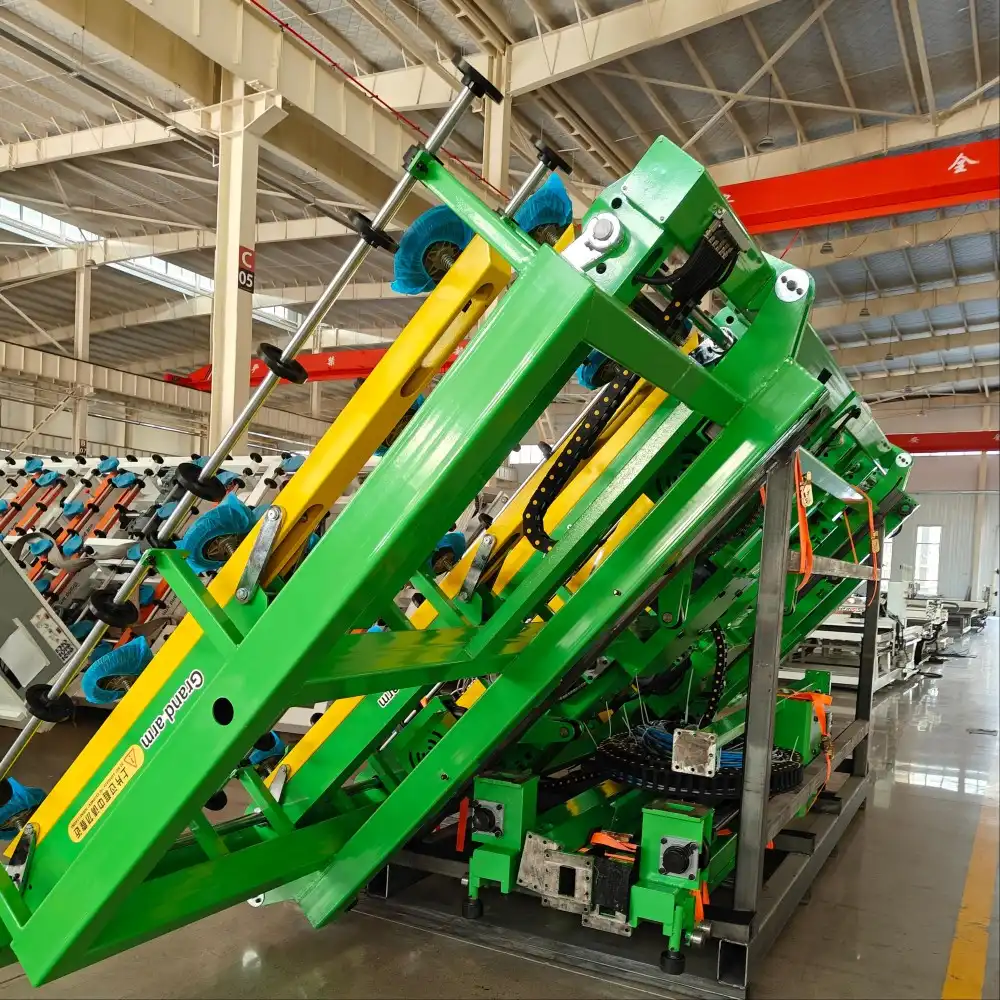
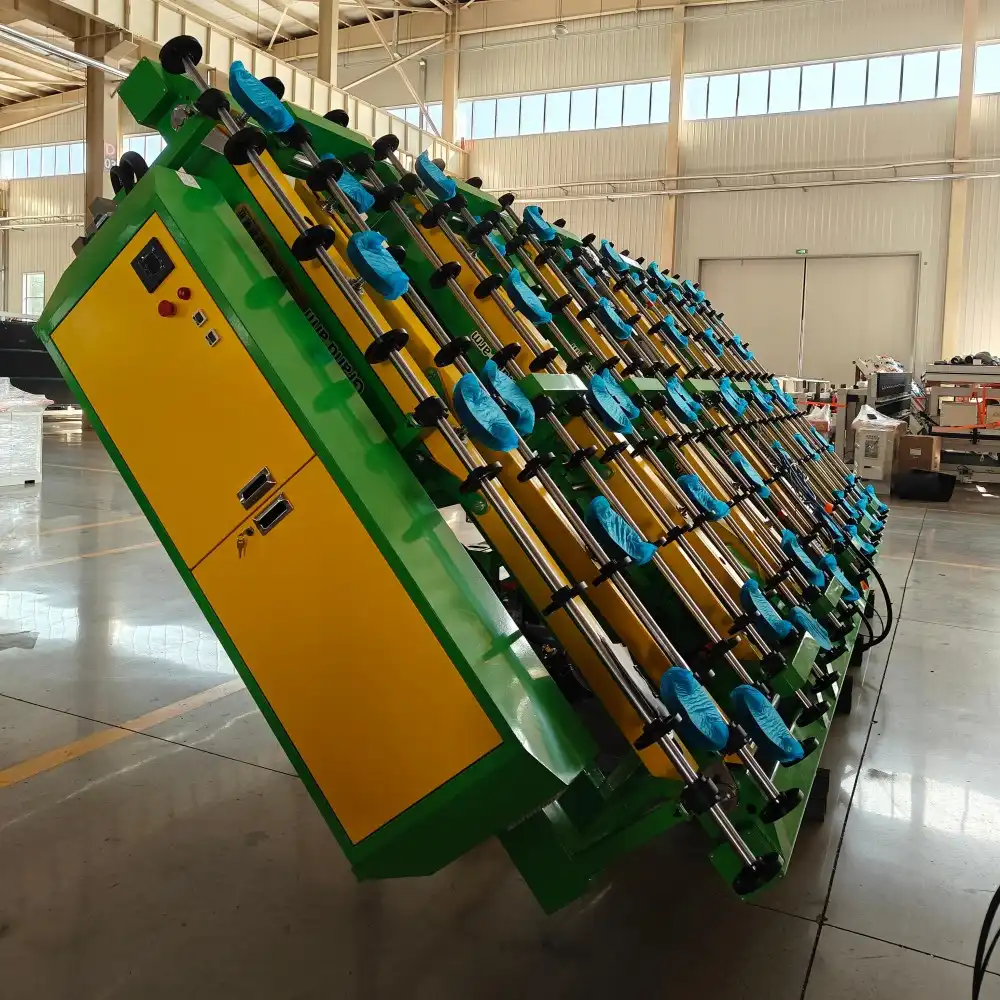
The way the station is set up changes both flow and flexibility. The HSL-LSX5133 automatic double glass processing machine has a two-plus-two station layout that can be changed based on production needs. It has five gantry arms on each side. The machine can correctly grip and place glass across the whole width of the table because of how it's made. This keeps the glass from moving side to side while it's being cut and broken. If station settings can be changed, the line can be moved around as output needs alter. This is useful for factories that work with different types of glass.
Software Integration and Cut Optimization
How much material you get will depend on the optimization tools your machine has. A program called Optima on the HSL-LSX5133 figures out the best way to cut each glass sheet so that as few wasteful pieces are made as possible. In high-volume production settings, even a 2–3% rise in yield can save a lot of money over the course of a few months.
Comparing Machine Configurations: Above-Ground vs. Underground Rail Systems
A buyer will often forget to check the site of the rail line. The HSL-LSX5133 can connect to both above-ground and underground rail, and each changes how it works in real ways.
Here are the practical differences between the two configurations:
- Above-ground rail: Easier to set up and keep up; good for places where floors can't be changed. Without changing how the plant floor is set up, the train system can be checked out and parts can be changed.
- Underground rail: It keeps the floor cleaner and safer for people to walk on in places with a lot of activity. It's also easier to move the glass across the table since there are no things in the way. You have to prepare the floor before installing this option, but it will help you keep your workspace cleaner in the long run.
The HSL-LSX5133 can be set up in two different ways. Which one you pick will depend on how your building is set up, the type of floor you have, and how you like to access it for upkeep. You can avoid having to pay a lot of money for repairs down the road if you talk to a professional about this before you place your order.
Operation Best Practices and Maintenance Guidelines
Even the best-built machine won't work as well as it should if it isn't taken care of regularly. To keep running at their best, glass processing lines should do the following:
Daily Startup and Calibration
It is important for operators of an automatic double glass processing machine to check the scoring wheel, make sure the air pressure is correct, and do a calibration pass with scrap glass before every shift. Score wheels get worn out over time, which causes more broken glass and missed breaks. With a two-minute check before each shift, work doesn't have to stop for hours.
Scheduled Maintenance Intervals
Every so often, maintenance work should be done. You need to clean the cutting board and oil the linear guides every day. To do the work for the week, you need to look over the breaking table arm pressure and program problem logs. As part of the weekly work, the emergency stop and the train system's alignment need to be checked. When you stick to this rhythm, the machine lasts longer and mechanical problems don't spread.
Workforce Training and Safety Compliance
The tools used to work with glass naturally pose some safety risks. They should learn how to stop in an emergency, how to handle glass properly, and what safety gear they need through hands-on training. The General Industry Standards (29 CFR 1910) make sure that United States glass factories have the bare minimum of machine guards and worker safety.
Making the Right Procurement Decision
Align Specifications with Production Volume
Every day, how many sheets does a plant need to work on? One that can handle 2,000 sheets must be able to handle 2,000 sheets. Before you ask for a price, write down how many sheets you want to make each day, what kinds of glass you usually work with, and the range of thicknesses you use. So they don't over-engineer a solution you don't need, this information helps suppliers figure out the best way to set things up.
Evaluate After-Sales Support and Spare Parts Access
When you buy a capital tool, service after the sale is just as important as the tool itself. Ask providers how long it takes to get spare parts, if you can do diagnostics from afar, and if you can get help at your installation in the US. When machines break down, they don't need much downtime if they have clear service instructions and spare parts networks that are easy to get to.
Assess Total Cost of Ownership
The item's price is just one thing that matters. Over the next five years, think about how much it will cost to set up, train operators, use energy, and fix things. It can cost a lot more in the long run to fix a machine that costs less at first but needs to be fixed by a professional most of the time.
Conclusion
The amount of work that can be done, how well the workers do their jobs, and the total costs of running the business over time are all affected by the tools that are used. Procurement teams can compare the glass size capacity, station layout, optimization software, rail system, and customer service after the sale. The HUASHIL HSL-LSX5133 automatic double glass processing machine has specs that can be used to measure all of these things: it can handle glass up to 5,100 × 3,300 mm in size, it has five gantry arms on each side, and it can be set up in different ways. The machine will give you the best results if you match its power to the way you make things.
FAQ
1. How much does an automatic double glass processing machine improve production efficiency?
How is an automatic double glass processing machine different from a human one? Most of the time, fully robotic lines can cut glass two to four times faster than people can. It depends on the size of the glass, how difficult the cuts are, and how the line is set up to see how much efficiency it gets. However, architectural glass plants that move from semi-automatic equipment often see a 30–45% drop in worker costs.
2. What maintenance tasks are most critical for preventing downtime?
Every so often, check and change the score wheels. This is the most important thing to do. A wheel that is worn out makes breaks that aren't complete, which wastes glass and stops the line. Mechanical wear can be stopped by cleaning the table every day and making sure it's well oiled once a week.
3. How do I determine which model fits my production line?
Start with your biggest glass size and the most you can make in a day. If you work with building panels that are up to 5,100 × 3,300 mm, you might want to check out a model like the HSL-LSX5133. The technical team at the manufacturer should be told about your floor plan and the different ways that stations can be set up and rails that can be used.
4. What is Optima optimization software?
It is cutting plan software that figures out how to cut each sheet of glass in a way that wastes the least amount of material. It helps workers plan their work better and reduces the amount of trash from scraps.
Connect with HUASHIL for Your Next Glass Processing Line
People know that HUASHIL makes automatic double glass processing machines that they can count on. They have been sending automated glass tools to companies in North America and other places around the world for many years. There are different ways to set up stations on our HSL-LSX5133. It works with Optima software and has been tested to work well on large scales. It also has quick customer service and spare parts that are easy to get. Not sure if you need a single machine or a whole production line? Our team is ready to help you with technical specs, price, and planning. To learn more, email salescathy@sdhuashil.com to learn more.
References
1. Glass Magazine – "Automation Trends in Architectural Glass Fabrication," 2023.
2. USGlass Magazine – "Glass Processing Technology Benchmarks and Industry Outlook," 2022.
3. Occupational Safety and Health Administration (OSHA) – "General Industry Standards: Machine Guarding and Workplace Safety," 29 CFR 1910, 2021.
4. Freedonia Group – "World Flat Glass: Industry Study with Forecasts," 2023.
5. China Building Materials Federation – "Annual Report on Glass Machinery Manufacturing and Export," 2022.
6. International Glass Review – "Comparing Full-Automatic and Semi-Automatic Glass Cutting Lines: Performance Data and Cost Analysis," 2023.