




The current stone fabrication sector has been revolutionised by the introduction of automated precision technology. An automatic stone cutting machine refers to the advanced technology that has revolutionised the way producers work with sintered stone, ceramic slabs, and architectural materials. These systems run under CNC control, allowing for a high level of precision while significantly decreasing labour costs and time of production. With growing pressures to deliver on tight schedules and quality standards in fabrication factories, knowing how these machines operate and picking the proper model is critical in preserving competitive advantage in today’s demanding industry.
Understanding Automatic Stone Cutting Machines: Features & Benefits
How Does CNC Automation Transform Stone Processing?
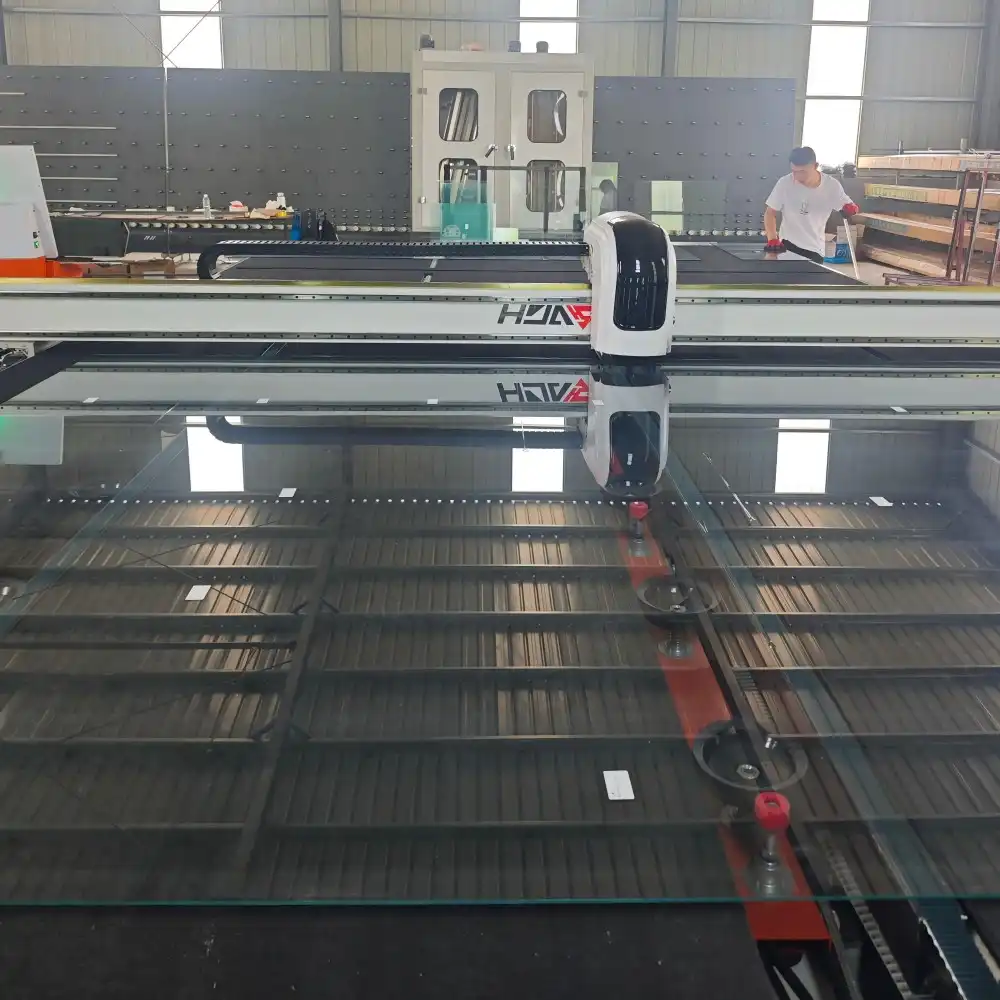
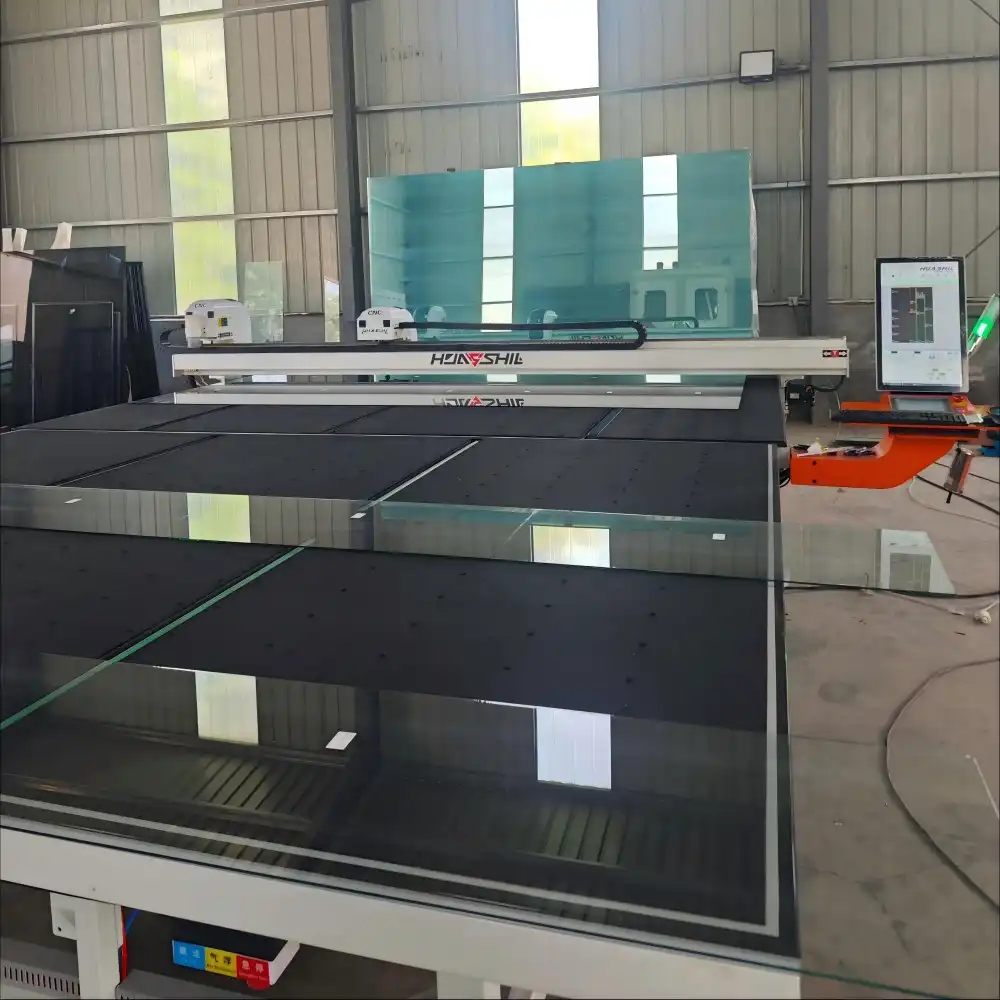
At its foundation, a modern cutting system depends on computer numerical control technology that enables accurate motions along several axes. A prime example of this is HUASHIL’s HSL-CNC2716 machine, which has an Eos-CNC control system that regulates all aspects of the cutting process. The machine can process materials with a thickness of 3-18 mm; the maximum processing size is 2700×1600 mm, which can meet various manufacturing needs. Automated pressure management means that blade contact is uniform, and the automated edge-locating function removes the time-consuming manual set-up operations that are a blight on traditional equipment.
Modern machines are equipped with air flotation devices that minimise the friction in material handling. This technology makes it possible to move huge stone slabs with less physical effort, which immediately leads to improved working ergonomics and a reduction of accident risks. This blend of characteristics has created a manufacturing environment where accuracy and efficiency are combined, and the fabricator can handle difficult tasks with confidence.
Key Operational Advantages Over Manual Methods
The shift from manual to automated cutting provides tangible benefits throughout the spectrum of productivity indicators. The automated technologies guarantee cutting tolerances within 0.1mm consistently, removing the human error element that causes material waste and rework. Its speed of production is 40-60% faster than conventional techniques, enabling fabricators to take on bigger orders without the need to expand their floor space or manpower.
Another important advantage is the enhanced safety in the workplace. Automation keeps workers away from the cutting blades and greatly reduces the accident rates associated with manual processes. The enclosed cutting zones trap dust and debris more efficiently for better working conditions and less time spent cleaning up between operations.
Versatility of material greatly enhances operating capability. The same equipment handles sintered stone, ceramic slabs, and tile-cutting applications without substantial reconfiguration. This adaptability is a key advantage for fabricators servicing a varied array of industry sectors, from architectural glass installations to furniture production.
Maintenance Strategies That Maximise Equipment Lifespan
Preventive maintenance procedures have direct effects on long-term performance and total cost of ownership. Check the blade condition daily. Check the coolant level daily. Check the air pressure system daily. Weekly maintenance involves cleaning the air flotation table, checking the tension on the belt, and lubricating the moving parts in accordance with the manufacturer’s instructions.
When you change the blade, it matters for both cut quality and stress on the machine. Dull blades cause motors to work harder to keep going, which increases wear on drive components and power consumption. Watch for the condition of the cut edge and any increase in resistance to cutting; it will notify you when a blade needs servicing before an issue occurs.
Software upgrades and calibration of the control system are also necessary. Firmware upgrades are being pushed by manufacturers to enhance cutting algorithms and increase material compatibility. By scheduling these upgrades during scheduled downtime, systems may take advantage of the latest performance improvements without impacting the production schedule.
Comparing Stone-Cutting Solutions: Automatic vs Manual and Market Top Performers
Performance Metrics That Matter in Equipment Selection
Procurement teams should look at particular performance parameters that directly affect production results while assessing cutting options. Automated solutions provide better repeatability, meaning that thousands of cuts will be made with the same dimension, without drift or fluctuation. This consistency is difficult for manual processes to maintain, especially for long production runs when operator weariness becomes an issue.
Analysis of labour costs demonstrates the big benefit of automated systems. An automatic stone-cutting machine that would take three manual workers may be operated by one operator. This saves payroll costs and frees trained people for higher-value jobs. Energy efficiency comparisons indicate that newer CNC systems utilise 20-30% less power per cut than older equipment, which reduces operational expenses and environmental impact.
Accuracy requirements vary with the application, but architectural glass and curtain wall projects need tolerances that manual techniques cannot dependably accomplish. Precision-engineered systems – such as the HSL-CNC2716 – are constructed to specification so that each item is made to order, leaving little room for field installation difficulties and expensive refunds.
CNC-Enabled Systems vs Standard Automation
In the case of intricate cutting patterns, the difference between simple automated machines and CNC is clear. CNC systems can store and execute complex patterns with flawless reproducibility, making them appropriate for decorative glass applications and unique architectural parts. Standard automated machines are faster for straight lines or basic forms, but they are not flexible enough for speciality work.
The cost implications go beyond the purchasing price. CNC machines need a larger initial expenditure but also provide a quicker return on investment due to their greater capabilities and less waste. CNC technology offers income prospects to fabricators in premium market niches, or those who provide bespoke design services, that simple automation cannot.
The operator skill requirements for various techniques are quite different. Personnel with mechanical skills and safety awareness are needed for basic automated systems. Additional expertise is needed to prepare CAD files and program in G-code for CNC machines; however, current control interfaces have greatly simplified these operations. HUASHIL offers complete training programmes to get technical workers up to speed rapidly, reducing the learning curve and maximising productive operation.
Expert Guide to Procuring the Best Automatic Stone Cutting Machine
Critical Evaluation Criteria for Equipment Investment
The choice of equipment should depend on the estimates of production volumes. If a facility is processing under 50 slabs a week, mid-range automation may be sufficient. High-volume operations of over 200 slabs per week demand industrial-grade equipment with sturdy builds and greater duty cycles to prevent premature wear.
Material types treated have a large impact on the mechanical characteristics. The substance is quite thick and abrasive; therefore, you need strong support for the blade and powerful motors to cut through sintered stone. The cutting settings are more conservative for regular glass and ceramic tile, enabling effective operation with less harsh specs. Good performance matches the product mix to the machine capabilities. If you don’t do that, you might end up with expensive mismatches.
The budget allocation should take into consideration the complete expenses of implementation, not just the price of acquisition of the equipment. What really needs to be invested in are installation costs, training of operators, a stock of replacement parts, and warranty coverage. Procurement teams should ask for precise quotes that break down these parts so they can accurately forecast their finances and minimise budget shocks during implementation.
Evaluating Supplier Credibility and Support Infrastructure
Quality after-sales service distinguishes the great from the ordinary equipment seller. HUASHIL, a robust stone cutting machine manufacturer with years of manufacturing expertise and customers worldwide, has spare parts in stock and technical support teams to solve problems in the shortest possible time. Review response time commitments and support hours available throughout your business hours to prevent long downtimes that impact production timelines.
Warranty conditions vary greatly across vendors and should be checked carefully. Full coverage on main components for 12-24 months is an indication of the manufacturer’s confidence in the dependability of the equipment. Knowing what is excluded and what maintenance methods must be followed can save you from warranty claim disputes and keep your coverage in place for the whole warranty duration.
Customisation capabilities are vital for specialised applications or specific manufacturing needs. OEM and ODM services enable fabricators to request changes which optimise equipment for their unique operations. Partnering with manufacturers providing flexible customisation can guarantee your investment yields optimum value, rather than making operational concessions to fit typical designs.
Industry Trends and Future Outlook for Automatic Stone Cutting Machines
Emerging Technologies Reshaping Production Capabilities
The next step in equipment manufacture is IoT integration. Connected devices provide performance information to cloud-based analytics tools in real-time, allowing predictive maintenance and avoiding unexpected breakdowns. Sensors monitor vibration patterns, temperature changes, and power usage, finding minor variances that flag impending issues in time to stop failures.
Artificial intelligence systems analyse manufacturing data to automatically optimise cutting settings. These systems learn the ideal settings for certain material types and adapt the operations appropriately to save setup time and maximise first-pass yield. Technology is improving fast, with each generation providing more advanced functionality.
Rising utility bills and environmental laws are driving advancements in energy efficiency. Variable-frequency drives control the motor speed so that the cutting needs are properly met, and wasted power during idle and light-duty work is eliminated. During deceleration cycles, regenerative braking recovers energy and feeds it back to the electrical systems of the facility, thereby lowering total consumption.
Market Dynamics Driving Equipment Evolution
The rise of the construction sector, especially in developing economies, is increasing the demand for architectural stone products and the equipment used to make them. Common elements of urban development projects, curtain wall systems and ornamental facades provide an ongoing need for precision-cut materials. By investing in modern cutting technology, fabricators may access this expanding market and earn a premium price for greater quality.
Environmental restrictions are playing an ever greater role in equipment design considerations. Fabricators can meet workplace safety regulations and environmental licences thanks to dust-collecting systems, water-recycling capabilities and noise-reduction features. In areas where regulatory compliance is a major barrier, manufacturers designing technology to solve these concerns gain competitive benefits.
Customisation demand is growing as architects and designers require unique materials and finishes. Production equipment will have to respond to this trend with flexible programming and rapid change-over capabilities. The material generality and easy pattern adaptation of the systems allow fabricators to pursue a variety of projects without the need for much specialised equipment.
Safety and Best Practices for Operating Automatic Stone Cutting Machines
Essential Safety Protocols and Operator Training
Comprehensive training programmes form the foundation of safe equipment operation. Personnel must understand emergency stop procedures, lockout-tagout protocols, and proper personal protective equipment requirements before operating machinery independently. HUASHIL's training modules cover these fundamentals while addressing model-specific features and potential hazards unique to automated stone cutting.
Safety equipment requirements extend beyond basic PPE. Eye protection rated for high-velocity particle impact, hearing protection in environments exceeding 85 decibels, and respirators for operations generating fine dust all contribute to long-term operator health. Establishing clear safety protocols and enforcing consistent compliance protects personnel and reduces liability exposure.
Emergency response planning prepares teams to handle incidents effectively when they occur. Documented procedures for medical emergencies, equipment fires, and utility failures ensure coordinated responses that minimise harm and property damage. For a robust stone cutting machine manufacturer, maintaining clear emergency protocols is also essential to ensure workplace safety during production operations. Regular drills maintain familiarity with protocols and identify procedural gaps before real emergencies test preparedness.
Optimising Performance Through Preventive Maintenance
Daily operational checks catch developing problems before they escalate into failures. Operators should verify that all safety interlocks function correctly, cutting blades show no visible damage, and coolant systems maintain proper flow rates. This five-minute routine prevents the majority of avoidable breakdowns and maintains consistent production quality.
Scheduled maintenance intervals outlined in manufacturer documentation reflect engineering knowledge about component wear patterns and failure modes. Following these recommendations religiously extends equipment life substantially compared to reactive maintenance approaches that address problems only after failures occur. Maintaining detailed service records supports warranty claims and provides valuable data for planning future equipment investments.
Troubleshooting expertise develops through experience and systematic problem-solving approaches. When quality issues emerge, isolating the root cause requires methodical testing of possible contributors. Blade condition, material securing, control system calibration, and hydraulic pressure all affect cut quality and must be evaluated systematically to identify the actual problem source rather than guessing at solutions.
Conclusion
Automated precision cutting technology has fundamentally transformed stone fabrication, delivering capabilities that manual methods cannot match. Equipment like the HSL-CNC2716 combines sophisticated control systems with practical features addressing real production challenges. Success requires careful equipment selection aligned with production requirements, supplier partnerships providing reliable support, and operational practices emphasising safety and maintenance. As technology continues advancing with IoT integration and AI-powered optimisation, fabricators investing in modern automated systems position themselves for sustained competitive advantage in an evolving marketplace demanding higher quality, faster turnaround, and greater flexibility.
FAQ
1. What factors determine optimal cutting speed for different stone materials?
Material density, hardness, and thickness directly influence appropriate cutting speeds. Sintered stone requires slower speeds with higher blade pressure due to its engineered density. Natural stone variations demand speed adjustments based on specific mineral composition and grain structure. The Eos-CNC control system on advanced models allows operators to store proven parameters for different materials, ensuring consistent results without extensive trial-and-error testing each time materials change.
2. How do diamond blades compare to standard cutting blades in cost and performance?
Diamond blades cost three to five times more than standard abrasive blades but deliver ten to fifteen times longer service life when properly maintained. Their superior hardness maintains cutting-edge geometry longer, producing cleaner cuts with less chipping. For high-volume production or work with abrasive materials like sintered stone, diamond blades reduce per-cut costs substantially despite higher initial investment.
3. Which machine type best suits my production requirements?
Production volume, material variety, and design complexity determine ideal equipment specifications. Facilities processing standard shapes in high volumes benefit from dedicated automated systems optimised for speed. Operations handling custom architectural projects with frequent design changes require CNC flexibility and broad material compatibility like that offered by the HSL-CNC2716 model with its 2700×1600mm capacity and programmable control system.
Partner with HUASHIL for Advanced Stone Cutting Solutions
HUASHIL delivers precision-engineered automated cutting systems backed by extensive manufacturing experience and global support infrastructure. Our HSL-CNC2716 model combines proven reliability with advanced features, including automatic pressure control, edge-finding capability, and air flotation handling that streamline production while maintaining exceptional quality standards. As an established automatic stone cutting machine manufacturer, we understand the challenges fabrication plants face and design equipment addressing real operational needs rather than just offering generic solutions.
Connect with our technical team at salescathy@sdhuashil.com to discuss your specific production requirements and explore how our automated stone cutting machines can enhance your operational efficiency. We provide detailed technical consultations, customised configuration recommendations, and comprehensive support, ensuring your equipment investment delivers maximum long-term value.
References
1. Stone World Magazine. "Automation Trends in Stone Fabrication: 2024 Industry Analysis." Natural Stone Institute Publishing, 2024.
2. Manufacturing Technology Review. "CNC Control Systems: Comparative Performance in Industrial Cutting Applications." Industrial Press Inc., 2023.
3. International Journal of Advanced Manufacturing Technology. "Energy Efficiency Improvements in Automated Stone Processing Equipment." Springer Publishing, 2024.
4. Building Stone Magazine. "Safety Standards and Best Practices for Automated Fabrication Equipment. "American Society for Testing and Materials, 2023.
5. Glass and Architectural Metals. "Market Dynamics Driving Stone Cutting Technology Evolution 2020-2025. "Key Media & Research, 2024.
6. Industrial Safety and Hygiene News. "Predictive Maintenance Strategies for Production Equipment: Implementation Case Studies. "Business News Publishing, 2023.